Who Was Andrés Guazurarí?
Andrés Guazurarí (c. 1778–1821), widely known as Andresito, was born in the Misiones region, which today straddles Argentina and Brazil. Of Guaraní descent, he rose from modest origins to become a key federalist leader, aligning with José Gervasio Artigas and eventually becoming governor of Misiones. His tenure was marked by resistance against Portuguese and Brazilian invasions, the promotion of indigenous rights, and the integration of the Guaraní people into the independence struggle (Misiones Tiene Historia).
Guazurarí’s vision extended beyond politics and warfare; he championed the yerba mate trade as a means of indigenous economic empowerment. His story, once marginalized, has gained renewed recognition through public memorials and annual commemorations, including National Mate Day on November 30 (El Ciudadano).
Key Andrés Guazurarí Monuments and Memorials in Buenos Aires
1. Monumento a Andrés Guazurarí (Puerto Madero)
The most prominent tribute in Buenos Aires is the bronze statue of Andrés Guazurarí, located at the intersection of Avenida de los Italianos and Cecilia Grierson in Puerto Madero, near the Costanera Sur Ecological Reserve. Created by artist Ricardo Dalla Lasta and inaugurated in 2014, the monument depicts Guazurarí in traditional attire, symbolizing his indigenous roots and leadership. The site hosts commemorative events, especially on National Mate Day (Buenos Aires Free Walks).
- Visiting Hours The statue is outdoors and accessible 24/7.
- Tickets Free admission; no ticket required.
- Accessibility The location is wheelchair accessible and easily reached via several bus lines or a pleasant walk from central Puerto Madero.
2. Street Names and Urban Tributes
Guazurarí’s name also appears on street signs, such as Calle Andrés Guazurarí in Palermo. While not a formal memorial, this urban naming honors his enduring legacy within the city’s landscape.
Practical Visitor Information
Accessibility & Transport
- Public Transport The Puerto Madero monument is accessible by bus lines 4, 20, 33, 62, and 130, and is a short walk from the Ecological Reserve.
- Wheelchair Access Both the Puerto Madero site and the National Historical Museum are accessible; however, check for updates on older buildings.
- Guided Tours Several operators offer themed walking tours that include Guazurarí’s story and other independence-era landmarks. Booking in advance is advisable.
Visitor Tips & Recommendations
- Best Time to Visit November 30, National Mate Day, features special events and cultural activities honoring Guazurarí.
- Combine Destinations Pair your visit with a walk along the Costanera Sur, a tour of San Telmo, or a meal in Puerto Madero’s renowned restaurants (Lonely Planet).
- Cultural Experiences Attend annual indigenous ceremonies or mate-related events around the monument for a deeper connection to local traditions.
Buenos Aires Historical Sites: Essential Guide
While exploring Guazurarí’s legacy, visitors can also enjoy Buenos Aires’ rich historical offerings:
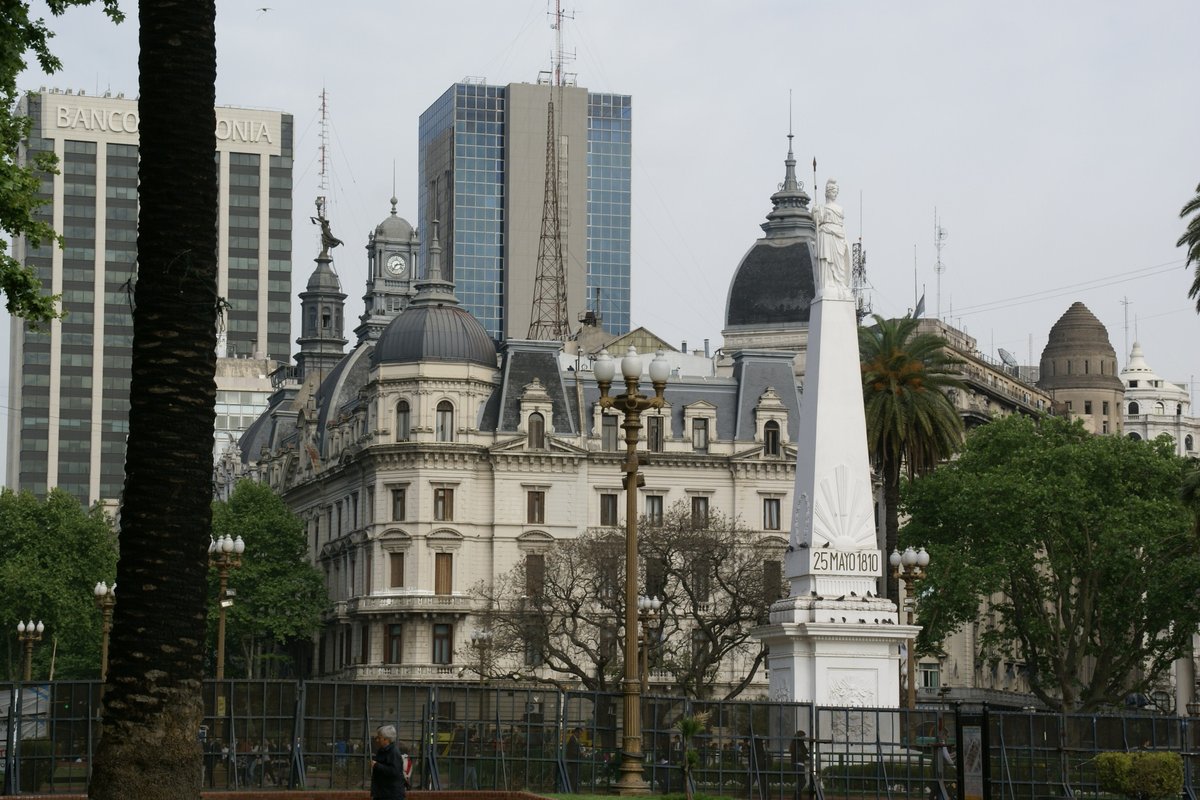
- Plaza de Mayo The city's political and historical heart, surrounded by landmarks such as Casa Rosada and the Metropolitan Cathedral (thenandnows.com; turismo.buenosaires.gob.ar).
- Obelisco Iconic landmark on Avenida 9 de Julio, open daily 9:00 AM–6:00 PM (planetware.com).
- Teatro Colón World-class opera house offering daily guided tours (teatrocolon.org.ar).
- Recoleta Cemetery Famed for ornate mausoleums, open 8:00 AM–6:00 PM.
- San Telmo Market Antique market, open Tuesday–Sunday, 10:00 AM–6:00 PM.
- La Boca & Caminito Colorful neighborhood with vibrant street art and tango culture.
For more information about hours, ticketing, and accessibility, consult Buenos Aires’ official tourism site.
Frequently Asked Questions (FAQ)
Q: Where is the main Andrés Guazurarí monument in Buenos Aires?
A: At Avenida de los Italianos & Cecilia Grierson, Puerto Madero.
Q: Do I need tickets to visit?
A: No, the monument is outdoors and free to visit.
Q: What are museum hours for Guazurarí exhibits?
A: Typically 10:00 AM–6:00 PM, Tuesday–Sunday; check the museum website for updates.
Q: Are guided tours available?
A: Yes, several walking tours include Guazurarí sites—booking in advance is suggested.
Q: Is the site accessible for people with disabilities?
A: Yes, both the monument and most major museums are wheelchair accessible.
Cultural Significance and Annual Events
Guazurarí’s monument embodies Argentina’s growing acknowledgment of indigenous and federalist contributions to national identity. Annual events—especially National Mate Day on November 30—feature ceremonies, music, and educational activities at the Puerto Madero statue, offering a vibrant way to engage with Argentina’s living history (El Ciudadano).