Early History and Urban Planning
Avenida Santa Fe originated in the early 19th century amid Argentina’s post-independence urban expansion. The avenue was designed to reflect the city’s modernizing ambitions, inspired by Parisian boulevards, and soon became a symbol of Buenos Aires’ transformation into the “Paris of South America.” Its name honors the province of Santa Fe, following local traditions of commemorating Argentine provinces. The area evolved from rural outskirts to a vital urban connector as population growth and city planning efforts reshaped Buenos Aires (turismo.buenosaires.gob.ar).
Evolution and Cultural Significance
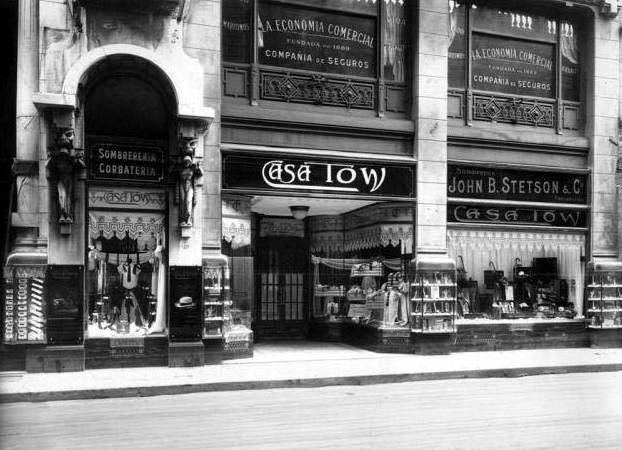
Through the late 19th and 20th centuries, Avenida Santa Fe became a dynamic axis for urban development, social gatherings, and cultural milestones. The avenue attracted the city’s elite, who established grand residences and institutions along its length. Electric trams in the early 20th century accelerated the area’s commercial growth, and the proliferation of cinemas, theaters, and cafes cemented its reputation as a hub for entertainment and intellectual life (tripinargentina.com).
Notably, El Ateneo Grand Splendid—originally a theater—transformed into a world-renowned bookstore, embodying the avenue’s ability to adapt while preserving its historical essence. Over time, Avenida Santa Fe became both a stage for political demonstrations and a destination for fashion, shopping, and urban leisure (turismo.buenosaires.gob.ar).
Architectural Identity
Avenida Santa Fe’s architectural landscape is a tapestry of styles, featuring 19th-century mansions, Beaux-Arts apartment buildings, Art Deco icons, and contemporary towers. This diversity mirrors the city’s openness to international influences and waves of immigration. The avenue’s wide sidewalks, mature plane trees, and rhythm of storefronts and residences foster a lively and inviting streetscape (tripinargentina.com). Each section reflects the character of its neighboring barrio—elegant Recoleta, bustling Retiro, and vibrant Palermo.
Top Attractions and Landmarks
1. Kavanagh Building and Plaza Hotel
At the southern end near Plaza San Martín, the Kavanagh Building stands as a striking example of Art Deco architecture and was Latin America’s tallest structure upon completion in 1936. Nearby, the Plaza Hotel exudes Belle Époque charm (Touristlink).
2. Haedo and Paz Palaces
These former aristocratic residences showcase ornate façades and lush gardens, now serving public functions and offering prime photo opportunities (Touristlink).
3. Brunetta (“Olivetti”) Building
A hallmark of mid-century modernism, this building reflects a pivotal moment in Buenos Aires’ architectural narrative.
4. Argentine Scientific Society and Regina Theatre
The Greek Revivalist Argentine Scientific Society and the Art Deco Regina Theatre are significant for their architectural and cultural contributions (Touristlink).
5. El Ateneo Grand Splendid Bookstore
Housed in a former grand theater, El Ateneo Grand Splendid is consistently ranked among the world’s most beautiful bookstores. Its frescoed dome, ornate balconies, and stage-turned-café make it an essential stop (Mi Buenos Aires Querido; Touristlink). Open daily, 9:00 AM – 10:00 PM. Admission is free.
6. Galería Patio del Liceo & Galería Bond Street
These galleries are hubs for alternative culture—featuring art spaces, record shops, tattoo parlors, and vintage stores. They attract creatives and trendsetters throughout the city (Mi Buenos Aires Querido).
Shopping Destinations
Avenida Santa Fe is Buenos Aires’ “Avenue of Fashion,” with a dense concentration of boutiques, department stores, and galleries. Notable shopping stops include:
- Zara, Columbia, Nike, Rip Curl, Rolex, Avon, Tupperware (most open 10:00 AM–8:00 PM, closed Sundays)
- Alto Palermo Shopping Center Over 190 stores, open daily 10:00 AM–10:00 PM, accessible by Metro Line D (Mi Buenos Aires Querido; Touristlink)
Parks and Green Spaces
Plaza San Martín
A picturesque park with historic monuments and centenary trees, ideal for leisurely walks and photography (Touristlink).
Buenos Aires Botanical Garden & Ecoparque
Near Palermo, the Botanical Garden hosts 5,000+ plant species, while Ecoparque (former zoo) focuses on conservation and education. Modest entrance fees apply.
Plaza Italia
A major transport hub and cultural space, home to the Monument to Giuseppe Garibaldi and frequent civic events.
Cultural Venues and Theatres
The avenue is lined with historic and modern cultural venues. The Regina Theatre is an Art Deco landmark offering concerts, plays, and cultural events. Check official schedules for current programming (Touristlink).
Gastronomy and Cafés
Avenida Santa Fe offers a range of dining experiences, from classic Argentine cafés and ice cream parlors to international coffee chains. The café inside El Ateneo Grand Splendid is renowned for its ambiance, while local bakeries serve popular treats like medialunas and artisanal helado (Mi Buenos Aires Querido).
Practical Information
Visiting Hours and Tickets
- Avenida Santa Fe Public street, accessible 24/7; no ticket required.
- Shops 10:00 AM–8:00 PM, Monday through Saturday (closed Sundays).
- El Ateneo Grand Splendid 9:00 AM–10:00 PM daily, free entry.
- Museums/Parks Hours and fees vary; check official websites for updates.
- Guided Tours Available via local agencies—book in advance for popular sites.
Accessibility
- Wide sidewalks, ramps, and elevators at major venues and Metro stations make Avenida Santa Fe accessible to visitors with mobility challenges.
Transportation and Getting Around
Public Transport
- Metro Line D Runs beneath much of Avenida Santa Fe, with key stations including Callao, Agüero, Bulnes, Scalabrini Ortiz, Plaza Italia, and Palermo (gotobuenosaires.com).
- Buses (Colectivos) Over 100 lines serve the area, operating 24/7. Use a SUBE card for payment (Introducing Buenos Aires).
- SUBE Card Purchase and recharge at Subte stations, kiosks, and Tourist Assistance Centers.
Taxis and Ride-Hailing
- Black and yellow taxis are widely available. Use the BA Taxi app or ride-hailing apps like Uber and Cabify for convenience and safety (Secrets of Buenos Aires).
Walking and Cycling
- Avenida Santa Fe is pedestrian-friendly and supports cycling via the Ecobici bike-sharing system.
Safety Tips
- Central areas such as Recoleta and Palermo are generally safe, but stay alert for petty theft, especially in crowded spots.
- Prefer main avenues after dark, avoid poorly lit side streets, and use official taxis or ride-hailing for late-night travel.
- For emergencies, dial 911 or visit the Tourist Police office at Av. Corrientes 436 (Turismo Buenos Aires).
Visitor FAQs
Q: Is there a fee to walk along Avenida Santa Fe?
A: No, it’s a public avenue. Some museums or attractions may charge separate entrance fees.
Q: What are the best hours for shopping?
A: 10:00 AM–8:00 PM, Monday through Saturday.
Q: How do I get there by public transport?
A: Use Metro Line D or bus lines with a SUBE card.
Q: Is the avenue accessible for visitors with disabilities?
A: Yes, with ramps, wide sidewalks, and accessible Metro stations.
Q: Are guided tours available?
A: Yes, many agencies offer walking, bike, or cultural tours of the avenue and its surroundings.
Discover More
Avenida Santa Fe captures the essence of Buenos Aires through its rich history, architectural splendor, and vibrant cultural offerings. Explore world-class landmarks, enjoy diverse shopping and dining, and relax in lush green spaces along this iconic avenue. To maximize your experience, visit during weekdays for fewer crowds, use public transit for convenience, and download the Audiala app for guided tours and up-to-date tips. Stay informed about events and attractions by following official tourism channels.