Historical Background and Evolution
Founding and Development
Founded in 1869 during President Sarmiento’s tenure, the Colegio Militar de la Nación marked Argentina’s commitment to building a professional officer corps and a unified national army. Early efforts to formalize military education were rooted in European, particularly Prussian, traditions emphasizing discipline, technical skill, and service to the nation (Colegio Militar de la Nación Information).
Institutional Evolution
In the early 20th century, the Academy underwent further transformation, especially with the establishment of the Escuela Superior de Guerra in 1900 by Lieutenant General Luis María Campos. The curriculum expanded to include advanced military sciences and strategic planning, and the Academy became the main training ground for officers involved in significant military campaigns such as the War of the Triple Alliance and the Conquest of the Desert (Wikipedia).
National Impact and Political Role
Graduates have played decisive roles in Argentina’s history, holding key military and political positions, especially during periods of military governance. The Academy’s culture has historically been rooted in nationalism and conservative values, evolving in recent decades to emphasize constitutional order and democratic principles.
Modernization and Reform
After the 1982 Falklands/Malvinas War and democratization, the Academy modernized its programs, opened to female cadets, and embraced a mission aligned with human rights and international standards (sucharmy.com). Today, it is recognized for its academic rigor and inclusivity.
Architectural Heritage
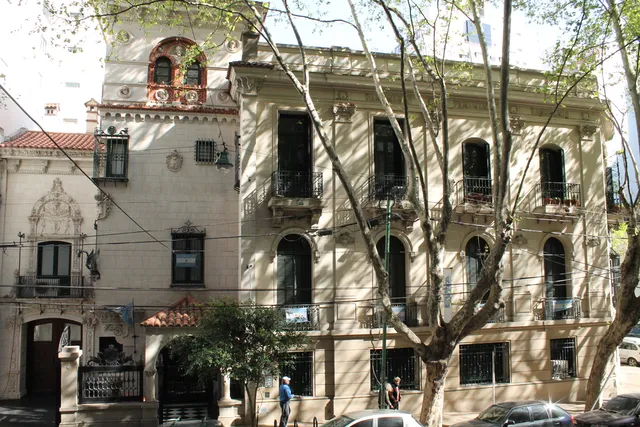
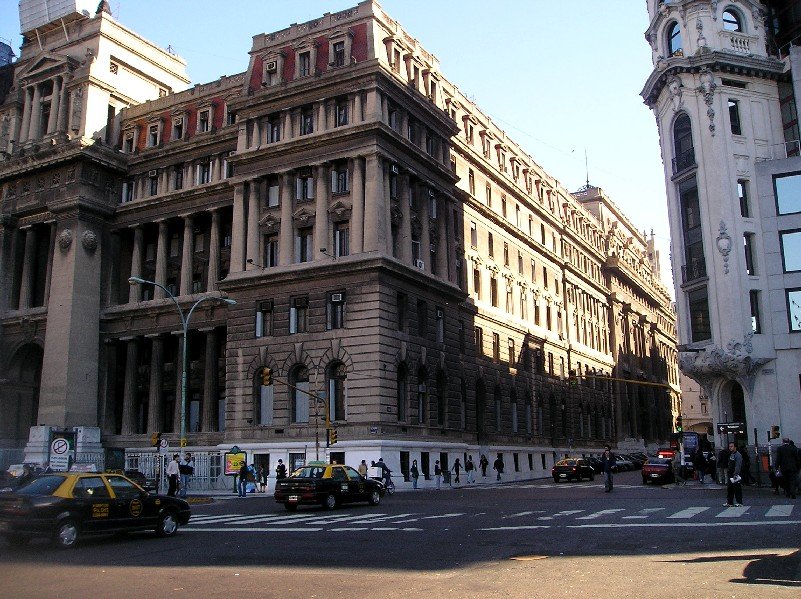
The Academy’s main sites in El Palomar and Palermo are notable for their grand European-inspired architecture. The campuses feature ceremonial halls, museums, and memorial spaces, creating a unique atmosphere that reflects both Argentina’s military traditions and cultural heritage (archgyan.com).
Core Mission and Educational Role
The Academy’s central mission is to deliver advanced professional and academic training for officers of the Argentine Armed Forces. Programs range from undergraduate to postgraduate, focusing on:
- Operational Planning and Command
- Logistics and Resource Management
- Strategic Intelligence and Threat Assessment
- Military History and Geopolitics
- International Relations and Peacekeeping
- Science and Technology in Defense
Continuous professional development is emphasized, preparing officers for leadership roles in both national defense and international missions (Wikipedia; sucharmy.com).
Strategic Significance in National Defense
As the intellectual heart of the Argentine Army, the Academy shapes defense strategy and doctrine, with graduates occupying key positions in operational planning, crisis management, and UN peacekeeping. Its focus remains on territorial integrity, regional stability, and ethical leadership, supporting Argentina’s role in regional and international security (sucharmy.com).
International Collaboration and Influence
The Academy has a strong tradition of international cooperation, hosting officers from over 20 nations and engaging in academic exchanges, multinational exercises, and defense dialogues. Recent priorities include modernization, interoperability, and cyber defense, reinforcing Argentina’s military capabilities and global partnerships (Wikipedia; sucharmy.com).
Visitor Information
Location and Accessibility
- Address Avenida Luis María Campos 480, Palermo, Buenos Aires
- Transport Accessible via Subte Line D (Ministro Carranza or Palermo), buses, taxis, and ride-sharing services. The neighborhood is pedestrian-friendly and close to major parks and museums.
Accessibility: Main buildings have ramps and elevators; some historic areas may have limited access. For specific needs, contact the Academy in advance.
Visiting Hours and Entry
- Public Access Limited to scheduled open days, national holidays, or special events. Hours are typically 9:00 AM – 5:00 PM on those days.
- Registration Advance registration is required. Contact the Academy or visit the official website to secure access.
- Admission Usually free for Argentine residents; a nominal fee (approx. ARS 100) may apply for international visitors during certain events.
Tours and Activities
- Guided Tours Offered on select days, primarily in Spanish. English tours may be arranged by request or during major events.
- Permanent Exhibitions Military uniforms, weapons, medals, and documents spanning Argentina’s military history.
- Memorials Spaces honoring alumni and key historical events, including the Falklands/Malvinas War.
- Interactive Exhibits War-gaming and simulation centers, defense technology displays.
- Special Events Annual Military History Week, public lectures, military parades, and temporary exhibitions.
Conduct and Photography
- Dress Code Modest attire is required—avoid shorts, sleeveless tops, and flip-flops.
- Photography Permitted in most areas, but restricted in sensitive zones. Always check with staff and respect signage.
Nearby Attractions
- Museo de Armas de la Nación Argentina’s premier arms museum.
- Museo de Arte Latinoamericano de Buenos Aires (MALBA) Modern Latin American art.
- Bosques de Palermo Expansive city park and gardens.
- Japanese Garden One of Buenos Aires’ most serene public spaces.
- National Military College Additional military heritage site nearby.
Frequently Asked Questions (FAQ)
Q: When is the Army War Academy open to visitors?
A: Public access is limited to select open days, national holidays, and special events. Always consult the official website before planning your visit.
Q: Is there an entrance fee?
A: Admission is generally free for Argentine residents; international visitors may pay a small fee during special events. Guided tours may have additional costs.
Q: Are guided tours available in English?
A: Tours are primarily in Spanish, but English guides may be available by prior arrangement.
Q: Is the site accessible for visitors with disabilities?
A: Yes, the main building is accessible; notify the Academy in advance if you require assistance.
Q: Can I take photographs inside?
A: Yes, in most public areas. Restrictions apply in sensitive zones—always ask staff before photographing.
Visuals and Media Recommendations
Bring a camera to capture the Academy’s neoclassical facades, ceremonial spaces, and museum exhibits. For a deeper dive, virtual tours and photo galleries are sometimes available via official military or tourism websites.
Travel Tips
- Plan Ahead Confirm open dates and register in advance.
- Visit on Special Events National holidays or commemorations offer the most comprehensive access.
- Combine Destinations Explore Palermo’s museums, gardens, and restaurants for a full day’s itinerary.
- Language Spanish is predominant; use translation apps if needed.
- Safety Palermo is safe, but general city precautions apply.
Useful Links
- Official Higher Education Army Institute (IESE) Website
- Official Argentine Army Website
- Colegio Militar de la Nación Information
- Buenos Aires Tourism Guide
- Buenos Aires Tourism Official Site
- National Military College
- Striking Brutalist Buildings in Buenos Aires
- The Military in Argentina