
San José and its place in Greater Buenos Aires
San José is a residential neighborhood in the southern part of Lomas de Zamora Partido, within Greater Buenos Aires. It offers a window into suburban Argentine life, with distinctive mid-20th-century architecture, busy commercial avenues, local businesses, community events, and a strong sense of community. Its transport links also make it a starting point for exploring beyond the city center.
San José de Flores, often called Flores, is a separate historic neighborhood of Buenos Aires. The wider region also includes prominent neighborhoods and landmarks such as Plaza de Mayo, San Telmo, La Boca, Recoleta, and Palermo, known for their history, architecture, arts, cuisine, and markets.
History
San José
San José’s transformation from rural land into a suburb began in the late 1940s, when the heirs of Guillermo Kraft commissioned the area’s urban planning. The sale of more than 4,000 residential lots in 1948 marked the start of its rapid growth. The neighborhood is now recognized for its grid layout, commercial activity, and enduring community identity.
San José de Flores
Flores began as a rural parish in the early 19th century and was incorporated into Buenos Aires in 1888. It has played an important role in the city’s expansion and remains a center of community life and heritage (turismo.buenosaires.gob.ar).
What to see
San José
- Calle Salta Commercial District The neighborhood’s central artery has shops, cafes, and traditional parrillas, offering a chance to sample local food and experience daily life.
- Urban layout and architecture San José’s mid-20th-century design includes chamfered street corners and tree-lined avenues. Its plazas and streetscapes convey local character, though grand monuments are few.
- Community events The area’s Catholic heritage is celebrated at festivals honoring Saint Joseph. Dates vary, so check local calendars.
San José de Flores
The Basílica de San José de Flores is a significant religious site and was the spiritual home of Pope Francis during his youth. It attracts pilgrims and visitors interested in Argentine history.
Flores also features colonial-era buildings, 19th-century mansions, and modern apartments. A walk along Avenida Rivadavia passes bustling markets and traditional cafes. Annual events, especially Saint Joseph’s Day on March 19, include processions and music.
Historical and cultural sites across Buenos Aires
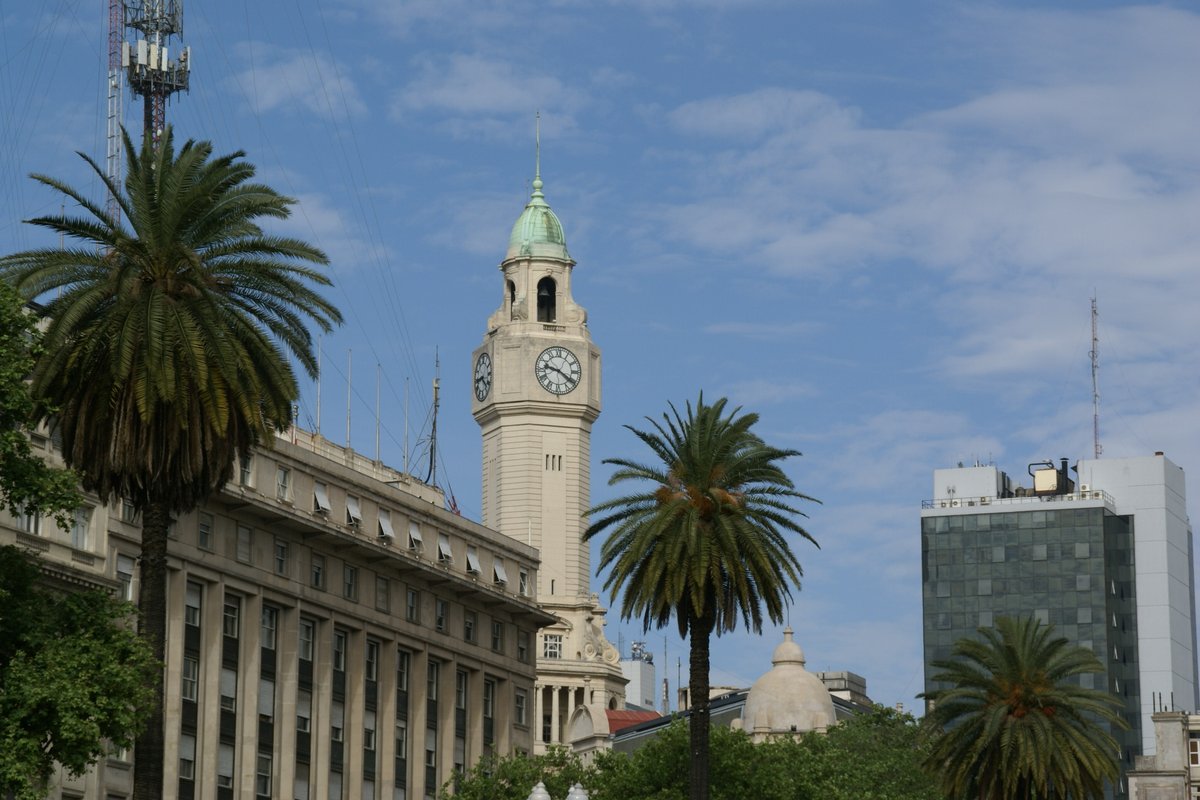
- Plaza de Mayo The city’s historic heart and the setting for pivotal moments in Argentine history. It is surrounded by Casa Rosada, the Metropolitan Cathedral, and the Cabildo.
- San Telmo Known for cobblestone streets, colonial architecture, and its Sunday Feria de San Telmo. El Zanjón de Granados has historic tunnels and offers guided tours.
- La Boca Known for the colorful streets of Caminito, tango performances, and La Bombonera stadium (Rebecca and the World).
- Recoleta Home to Recoleta Cemetery, the National Museum of Fine Arts, and elegant French-inspired architecture.
- Palermo Buenos Aires’ largest neighborhood, with Bosques de Palermo, boutique shopping, and nightlife.
Museums, markets, parks, and other experiences
- Museo Nacional de Bellas Artes
- Museo Histórico Nacional
- El Ateneo Grand Splendid
- Feria de San Telmo and Mercado de San Telmo
- Reserva Ecológica Costanera Sur and Bosques de Palermo
- Tango shows and milongas Available across the city, with beginner lessons at many venues.
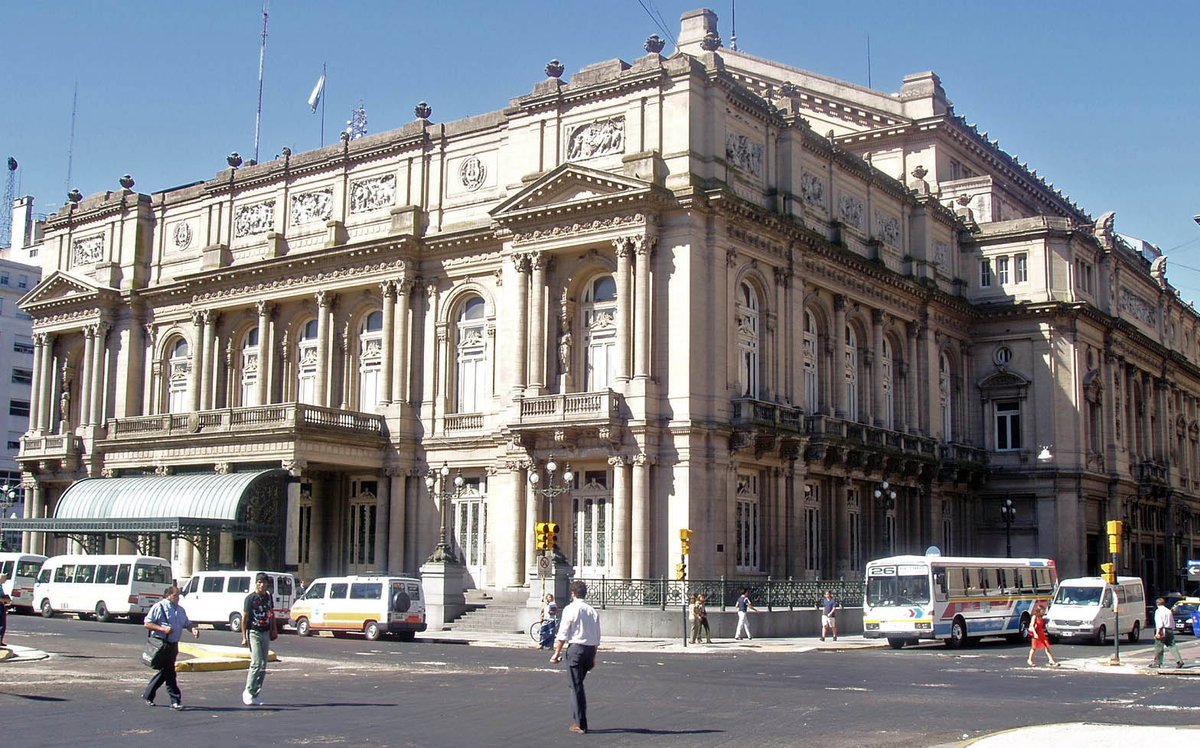
- Teatro Colón
- Street art tours Explore murals in Palermo and Colegiales.
- The Argentine Experience Interactive culinary events.
- Estancia visits Day trips to rural ranches for traditional asado and horseback riding.
Practical visiting information
Hours, admission, and tours
- San José neighborhood Open at all times as a public neighborhood. Most shops and services operate from 9:00 AM to 8:00 PM. There is no admission fee.
- San José Church The FAQ information for San José monuments gives hours of 9:00 AM–6:00 PM; verify hours before visiting.
- Basílica de San José de Flores Daily, 8:00 AM–7:00 PM. Entry is free, and donations are welcome. Guided tours are offered on weekends at 11:00 AM and 3:00 PM. Book in advance via the basilica’s official website or visitor centers.
- Plaza de Mayo Open 24/7. Casa Rosada tours run Tuesday–Sunday, 10 AM–6 PM, and are free with reservation. Weekly gatherings by the Mothers and Grandmothers of Plaza de Mayo take place there (The Discoveries Of).
- Feria de San Telmo Sundays, 10 AM–5 PM.
- Mercado de San Telmo Monday–Saturday, 10 AM–8 PM.
- La Bombonera Tours Tuesday–Sunday, 10 AM–5 PM.
- Recoleta Cemetery Daily, 8 AM–6 PM.
- Museo Nacional de Bellas Artes Tuesday–Sunday, 11 AM–8 PM; free entry.
- Museo Histórico Nacional Tuesday–Sunday, 10 AM–5 PM.
- El Ateneo Grand Splendid Daily, 9 AM–10 PM; free entry.
- Reserva Ecológica Costanera Sur Daily, 8 AM–6 PM; free entry.
- Bosques de Palermo Open daily, dawn to dusk.
- Teatro Colón Tours Monday–Saturday, 9:30 AM–5 PM; performance prices vary.
- Many Buenos Aires attractions require tickets, often available online or at the entrance.
- Guided tours are not common in San José itself, though some Buenos Aires cultural tours may include the neighborhood. Consult local tourism offices or online platforms for details.
Getting there and getting around
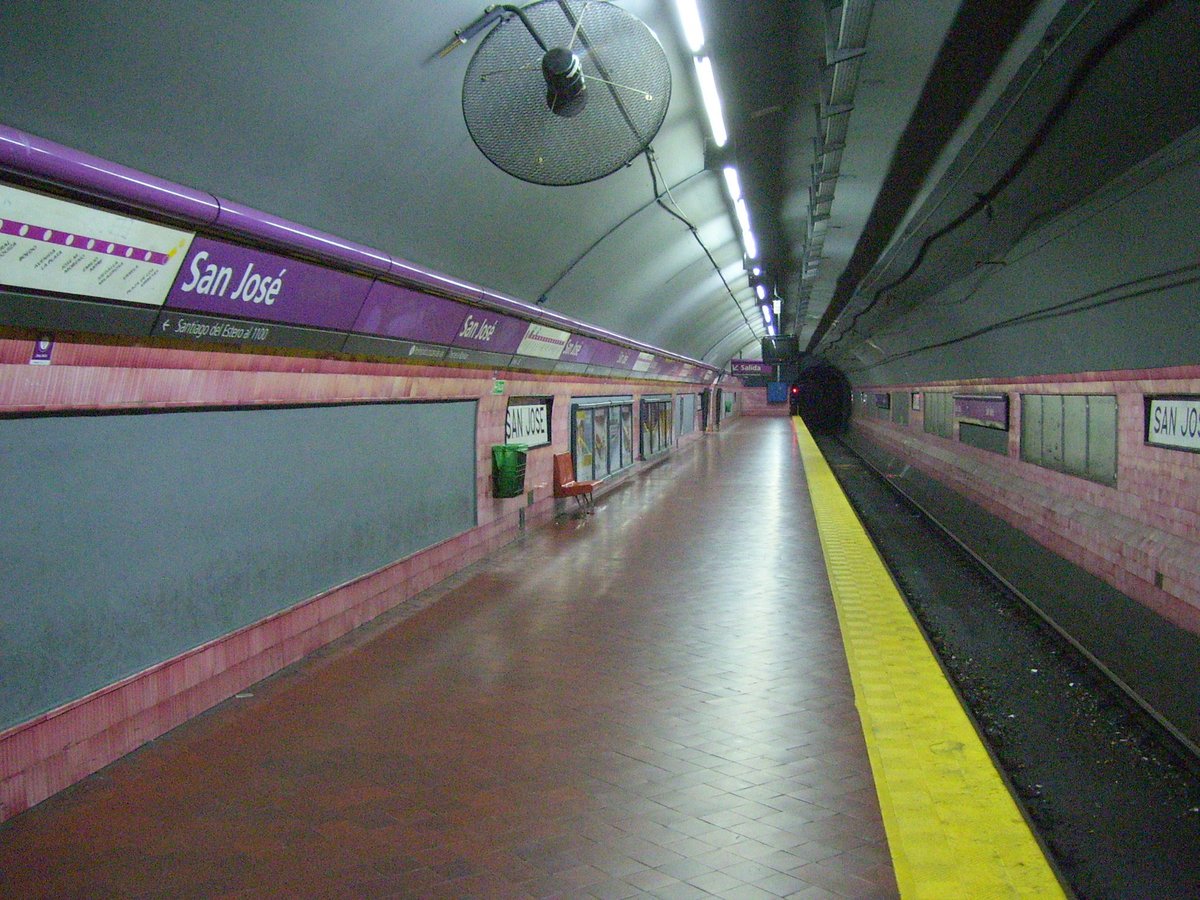
San José can be reached by commuter trains and buses from central Buenos Aires, with nearby stations in Temperley and Banfield. Taxis and ride-shares are also available.
For Flores, use Subte Line A to Flores Station or buses along Avenida Rivadavia, including lines 80, 88, and 109. By car, Avenida Rivadavia provides access and there are multiple parking options.
For public transport across Buenos Aires, obtain a SUBE card. Subte, buses, and trains are affordable and extensive; taxis and rideshares are also widely available (Travel.gc.ca).
Accessibility
San José’s flat terrain and paved streets make it generally accessible, though older infrastructure may cause minor difficulties. The basilica and Flores neighborhood have ramps and accessible restrooms, and most public transport serving the area is equipped for visitors with mobility needs. Buenos Aires is improving accessibility, but infrastructure is not consistent; many museums and major sites offer ramps and accessible facilities (Go Ask a Local).
Entry requirements, currency, and safety
No visa is required for most tourists staying up to 90 days. Your passport should be valid for the duration of your stay. Proof of onward travel may be requested, and routine vaccinations are recommended (Wanderlust Travel & Photos).
The official currency is the Argentine Peso (ARS). Cash is preferred in small venues, and ATMs may have withdrawal limits. Exchange foreign currency at authorized offices and avoid informal markets (Secrets of Buenos Aires).
Take normal precautions against petty theft. The Tourist Police at 436 Corrientes Ave provides assistance in English. For medical emergencies, dial 107; for police, dial 911 (Matador Network).
Accommodation and dining
San José has boutique accommodations. Nearby San Telmo, Monserrat, and Congreso offer greater variety. Book early during peak seasons (Journey by Backpack).
Local eateries serve traditional dishes, and dinner begins after 8:30 PM. Tipping 10% is customary. Sharing mate is a cherished tradition (The Crazy Tourist, Secrets of Buenos Aires).
Tips for visitors
- Wear comfortable shoes for exploring on foot.
- Try authentic Argentine cuisine at local parrillas.
- Join community events for a closer connection to local culture.
- Use public transport apps or the Audiala app, which offers curated tours and real-time updates.
Nearby places
San José offers access to neighboring Temperley and Banfield, as well as the wider Lomas de Zamora area. These places have parks, shopping centers, and further cultural experiences.
Frequently Asked Questions
What are the visiting hours for San José Buenos Aires monuments?
Most sites, including San José Church, are open 9:00 AM–6:00 PM. Always verify hours before your visit.
Do I need tickets for Buenos Aires historical sites?
Many attractions require tickets, often available online or at the entrance.
How safe is San José for tourists?
It is safe with standard precautions.
What’s the best way to get around?
The SUBE card is essential for public transport; taxis and rideshares are widely used.
Are guided tours available?
Yes, especially for major historical and cultural sites.