

A Maritime Legacy
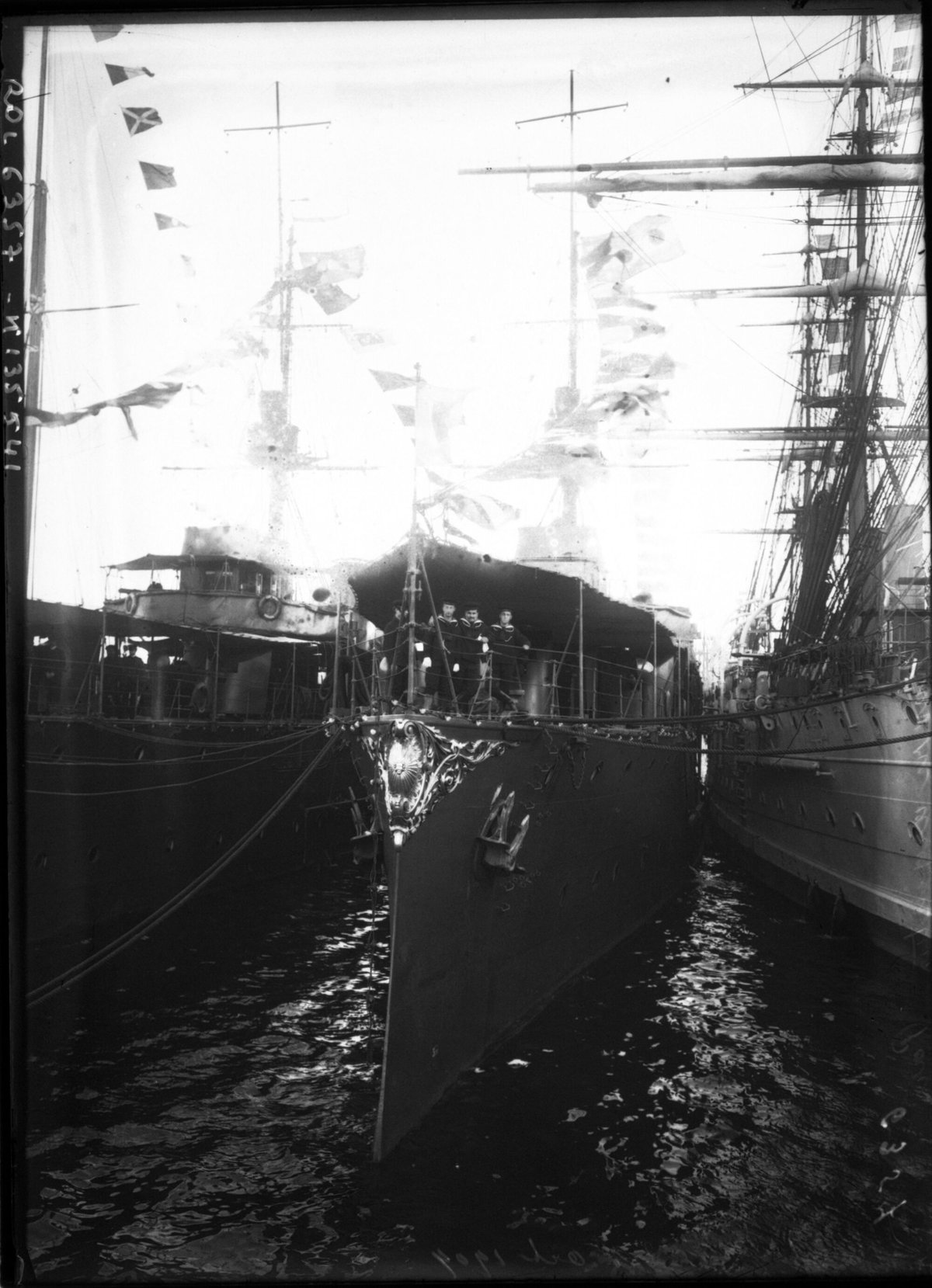
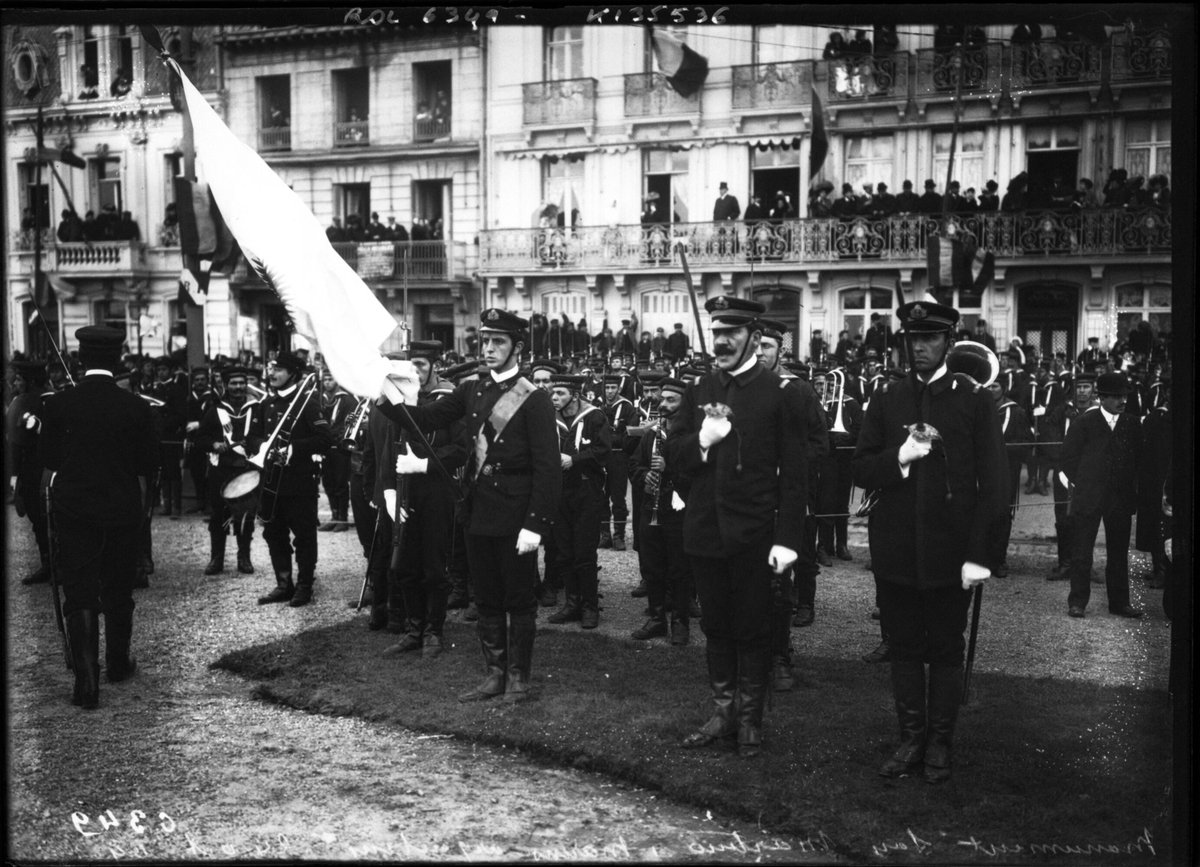
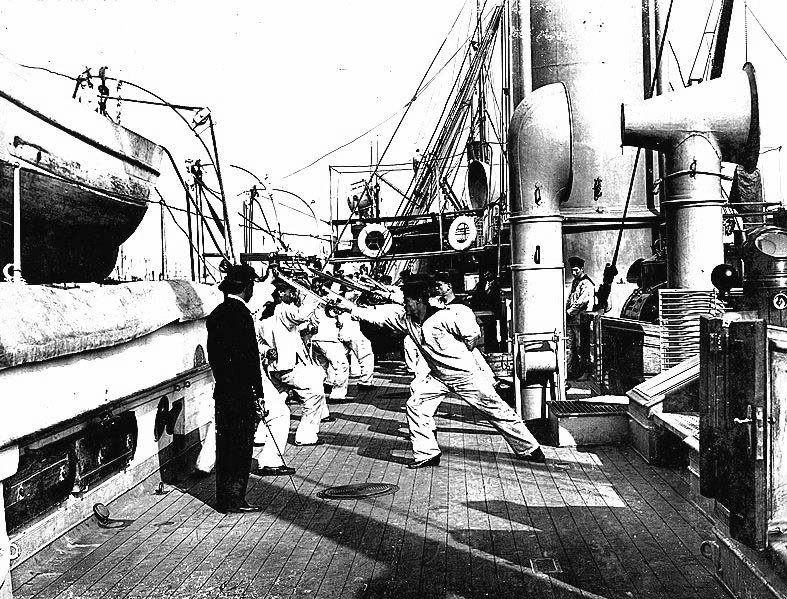
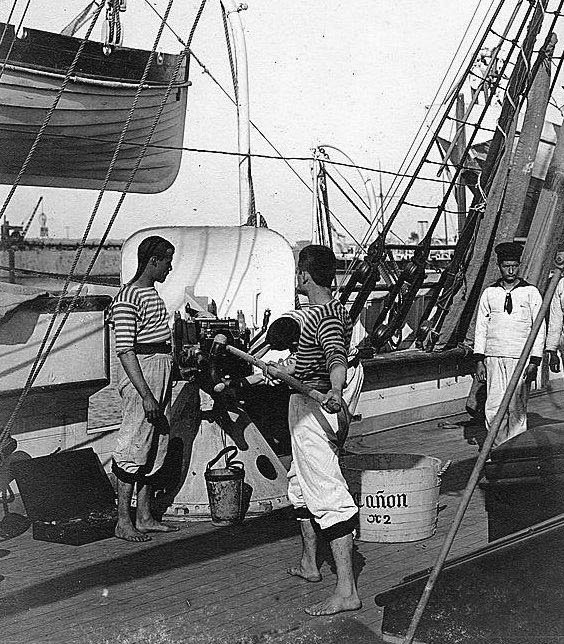
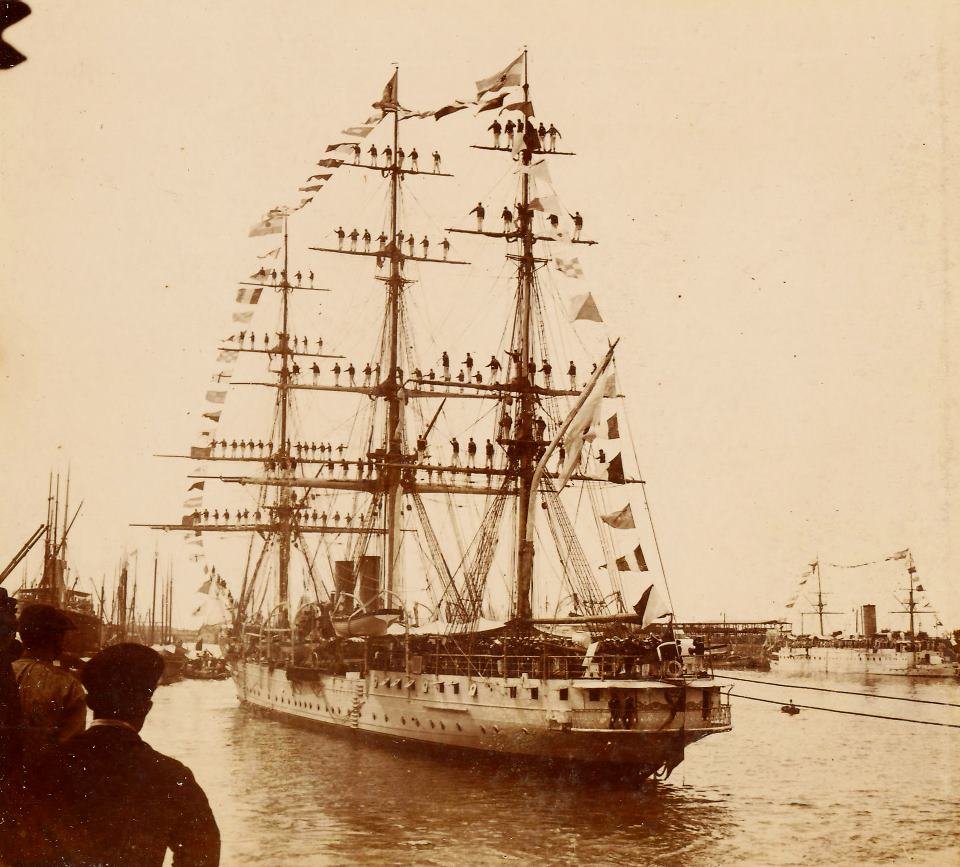
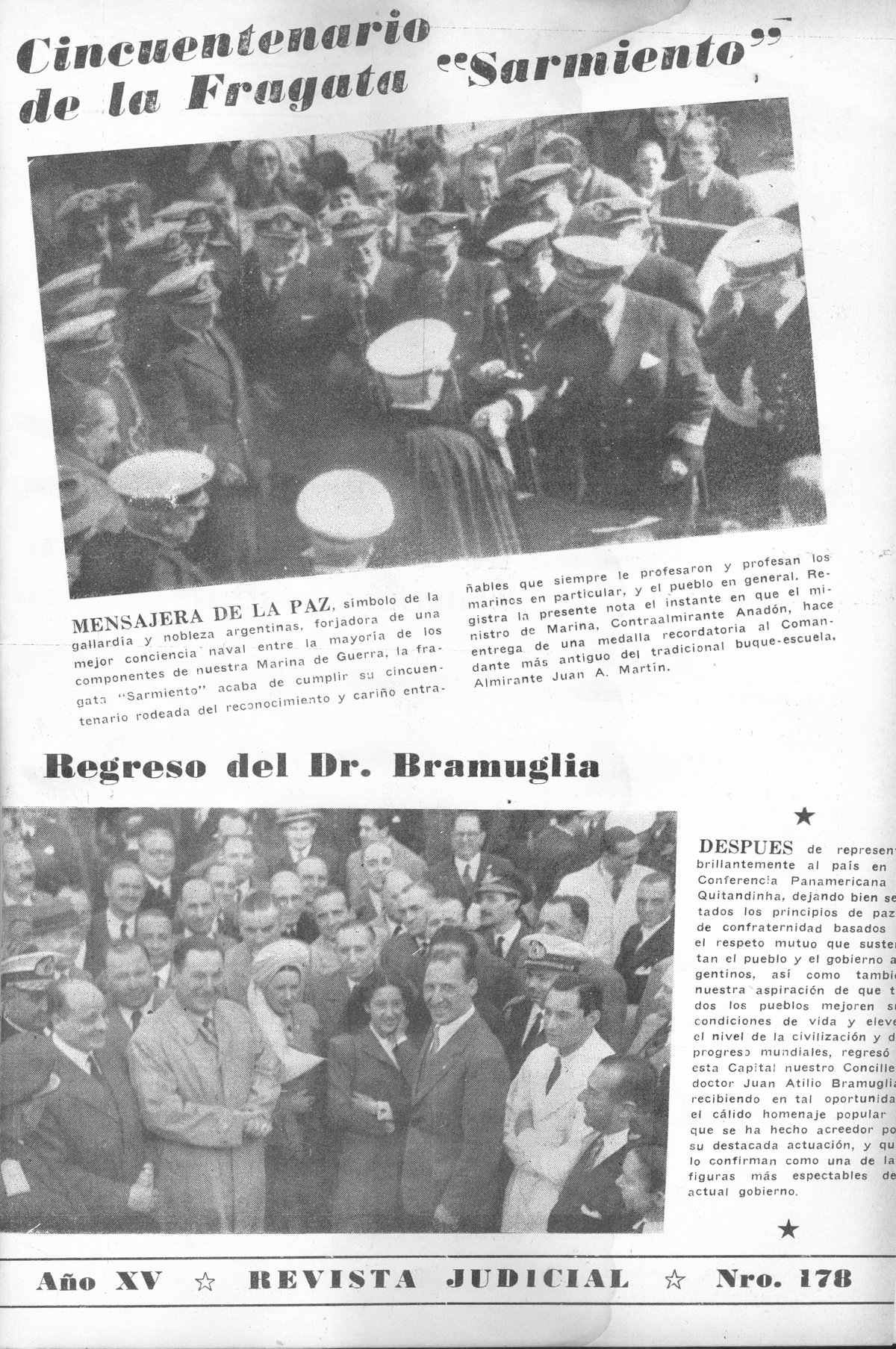
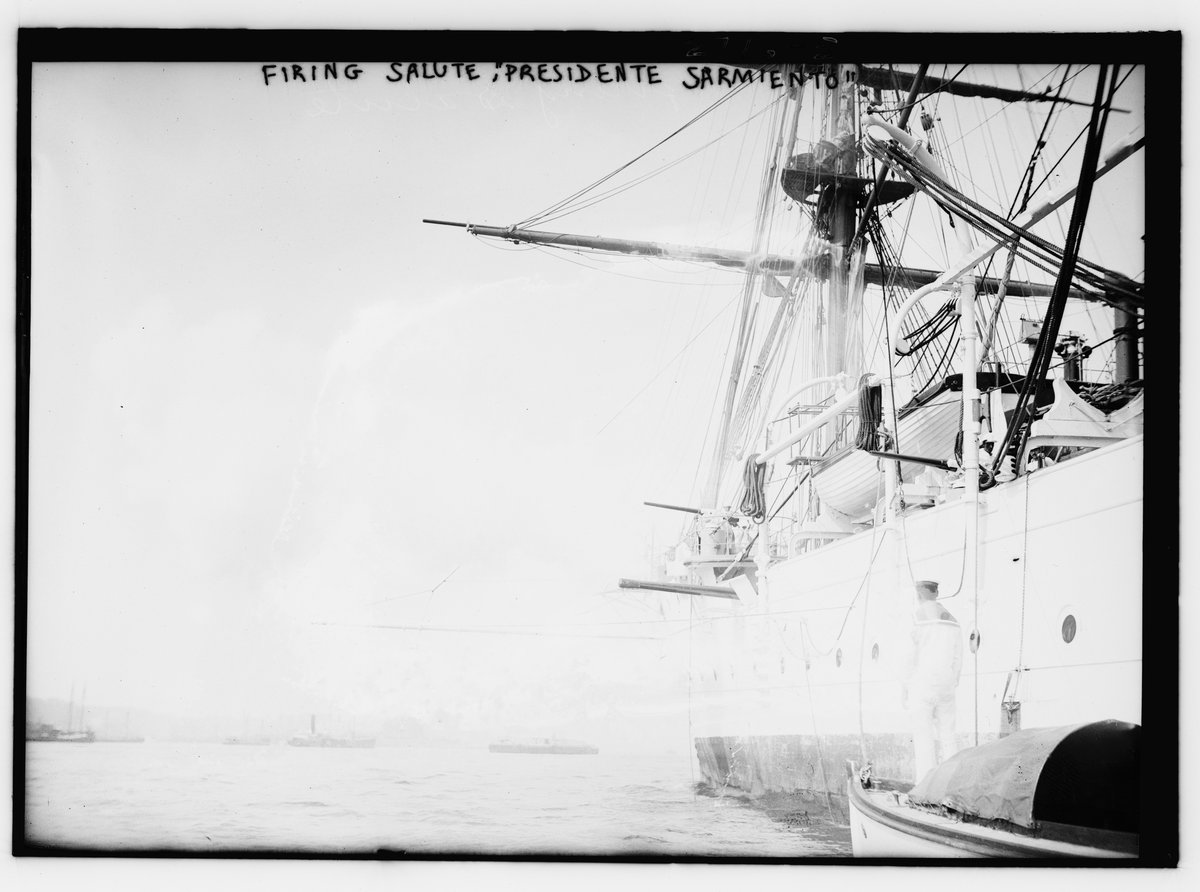
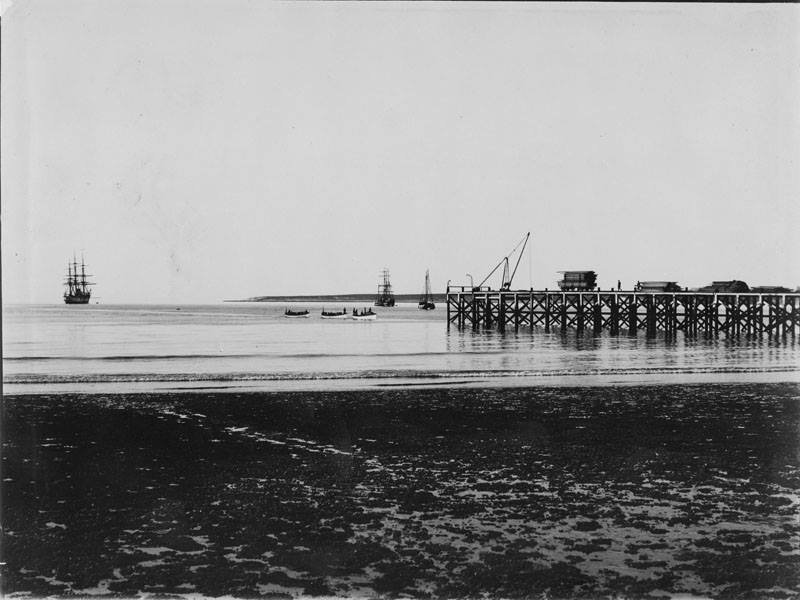
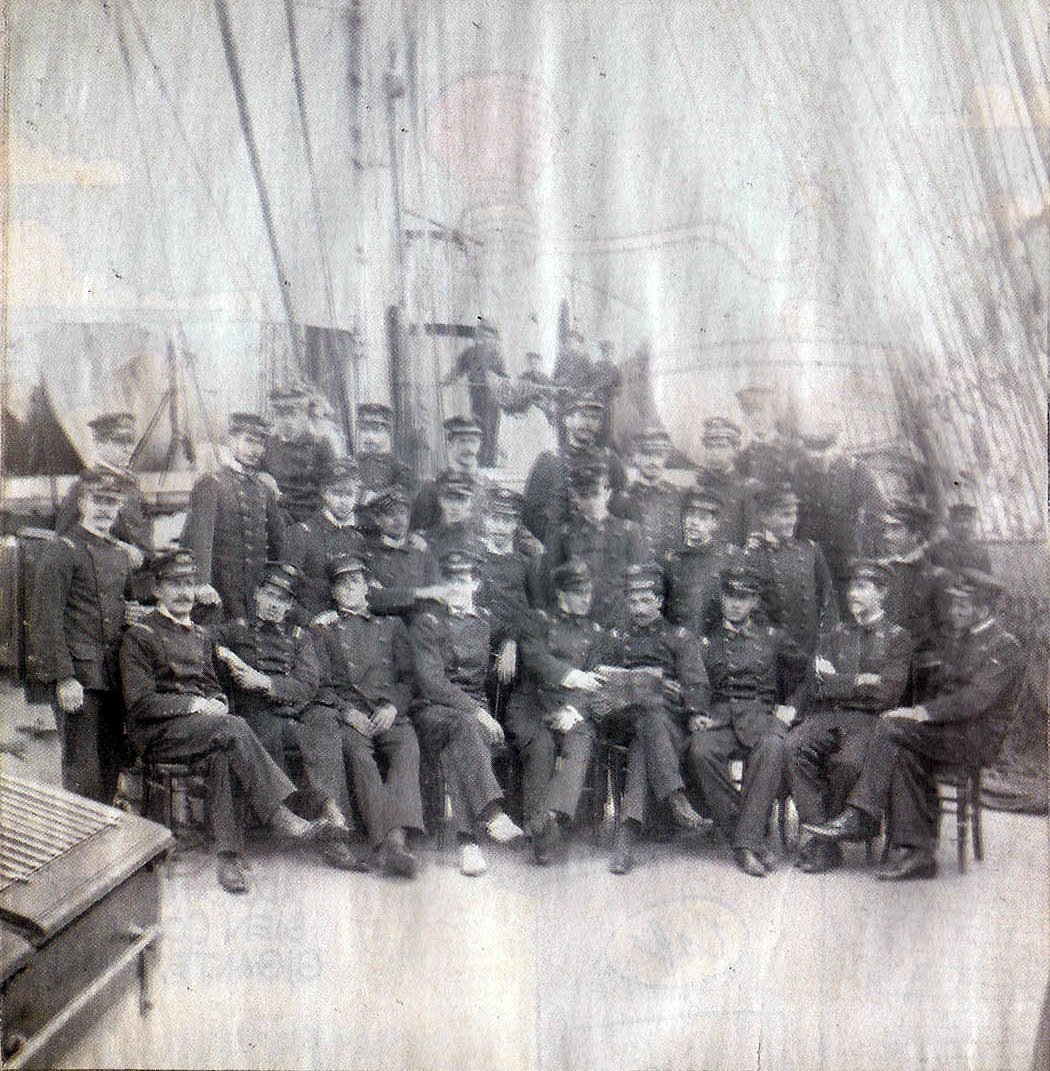
The ARA Presidente Sarmiento was conceived during a period of rapid modernization in Argentina. Ordered under President Julio Argentino Roca’s administration, it reflected the national ideals of progress and organization. Captain Martín Rivadavia’s vision for a hybrid sail-and-steam training ship resulted in the Sarmiento’s construction at the Laird Brothers shipyard in England. Launched in 1897 and commissioned in 1898, the vessel was designed to provide naval cadets with hands-on training in both traditional sailing and modern steam navigation, preparing them for service in a rapidly changing world (Argentina.gob.ar).
During its 37 training voyages, the Presidente Sarmiento visited ports across the globe, serving not only as a floating classroom but also as a cultural and diplomatic ambassador. Gifts and mementos from foreign dignitaries, now displayed aboard, testify to its international role. Decommissioned in 1961 and declared a National Historic Monument in 1962, the ship was inaugurated as a museum in 1964. It remains a living classroom and a proud symbol of Argentina’s naval tradition (Tripexpert).
Location, Access, and Getting There
Where to Find the Sarmiento
- Address Dique 3, Puerto Madero, Buenos Aires, C1107AAT, Argentina
- District Puerto Madero, one of Buenos Aires’ most vibrant and modern neighborhoods, with waterfront views and easy pedestrian access.
Public Transportation
- Bus Many city lines service Puerto Madero, including lines 2, 4, 6, 20, 22, 26, 33, 54, 56, 61, 62, 64, 74, 93, 99, 105, 109, 111, 126, 129, 130, 140, 143, 146, 152, and 159 (dicasdebuenosaires.com).
- Subway (Subte) The nearest stop is Leandro N. Alem (Line B), a short walk to the ship.
- Walking The ship is within walking distance from key city sites such as Plaza de Mayo and the Microcentro (whichmuseum.com).
Visiting Hours and Tickets
- Hours
- Thursday & Friday: 13:00–19:00
- Saturday & Sunday: 12:00–19:00
- Closed on Mondays, public holidays, and rainy days for safety (dicasdebuenosaires.com).
- Ticket Prices
- Adults: ARS 500 (subject to change; always check the official website before visiting)
- Children under 5: Free
- Discounts: Available for students, seniors, and groups
- Guided group/school tours: By advance arrangement, typically 10:00–14:00 (turismo.buenosaires.gob.ar)
Tickets can be bought at the ship or online via the Buenos Aires tourism portal.
Onboard Experience: What to See
Exploring the Ship
- Main Deck Offers panoramic views of Puerto Madero’s skyline and walkable outdoor spaces. The ship’s elegant masts and rigging are especially picturesque.
- Cabins and Quarters The captain’s quarters, officers’ rooms, and cadet bunks are restored to reflect historical life at sea. Note the contrast between officer luxury and cadet simplicity (Fodor’s).
- Engine Room Original machinery and informative panels illustrate the transition from sail to steam power, a technological leap at the turn of the 20th century.
- Historical Artifacts Displays include navigational instruments, uniforms, logbooks, and souvenirs from around the globe (dicasdebuenosaires.com), (pineqone.com).
- Exhibits Photographs and documents highlight the ship’s voyages and diplomatic missions.
- Interactive Elements Some exhibits are hands-on or digital, and virtual tours are available through the official website.
Tours
- Self-Guided Most visitors explore independently, aided by signage (primarily in Spanish).
- Guided Group and school tours (mainly in Spanish) can be arranged in advance; English tours are limited (turismo.buenosaires.gob.ar).
Accessibility and Amenities
Physical Accessibility
The ship’s historic design means:
- Narrow passageways, steep steps, and raised thresholds throughout.
- Limited wheelchair and stroller access; the main deck is the most accessible.
- Restrooms are available near the entrance.
Amenities
- No café onboard; nearby Puerto Madero offers many dining options.
- Gift shop Maritime-themed books and souvenirs available near the exit.
- Photography Encouraged everywhere; early morning or late afternoon is best for exterior shots.
Tips for a Memorable Visit
- Best Times Weekdays and mornings are quieter. Spring and autumn offer pleasant weather (sparknomad.com), (travellersworldwide.com).
- Language Bring a translation app or bilingual guidebook, as most signage is in Spanish.
- Safety Wear flat, non-slip shoes. Supervise children, especially on stairs and upper decks.
- Duration Set aside 45–90 minutes; enthusiasts may spend longer.
- Weather Check forecasts; rainy days may see the ship closed for safety.
Nearby Buenos Aires Historical Sites
The Sarmiento’s prime location allows easy access to:
- Buque Museo Corbeta Uruguay Another historic ship museum, just a short walk away (turismo.buenosaires.gob.ar).
- Puente de la Mujer Santiago Calatrava’s iconic pedestrian bridge.
- Ecological Reserve A vast green space perfect for walking and birdwatching.
- San Telmo Known for colonial architecture and bustling street markets.
- Plaza de Mayo The historic political and cultural heart of Buenos Aires (whichmuseum.com).
Frequently Asked Questions (FAQ)
Q: Where exactly is the ship docked?
A: Dársena 3, Av. Alicia Moreau de Justo 900, Puerto Madero, Buenos Aires.
Q: What are the visiting hours?
A: Thursday–Friday: 13:00–19:00; Saturday–Sunday: 12:00–19:00; closed Mondays and rainy days.
Q: How much are tickets?
A: ARS 500 for adults (subject to change); children under 5 enter free; discounts for students and seniors.
Q: Is the ship wheelchair accessible?
A: Access is limited due to narrow, steep passageways.
Q: Are guided tours available in English?
A: English tours are limited; most tours and signage are in Spanish.
Q: Can I take photos?
A: Yes, photography is welcome throughout the ship.
Q: Are pets allowed?
A: Only service animals are permitted.
Practical Information
- Address Dársena 3, Av. Alicia Moreau de Justo 900, Puerto Madero, Buenos Aires (whichmuseum.com)
- Official Website turismo.buenosaires.gob.ar
- Phone +54 11 4334-9386
- Admission ARS 500 (verify before visiting)
- Public Transport Bus, subway (Leandro N. Alem), taxi, or a short walk from the city center