Destinations Argentina

Argentina.

Buenos Aires 12 cities

Argentina is not one trip but a continent-sized argument between tango halls, desert vineyards, glacier fronts, high-altitude ruins, and jungle spray. The trick is not seeing everything; it's choosing the version of the country that fits the way you travel.

Get the app Cities in Argentina
Argentina
Argentina
Buenos Aires
Capital
12
Cities
September-November and March-April
best season
10-18 days
trip length
Argentine peso (ARS)
currency

EntryMany US, EU, UK, Canadian, and Australian travelers get 90 days visa-free.

01 An introduction

verified

AThis Argentina travel guide starts with a useful correction: one country holds tango clubs, 6,961-meter Andean summits, Patagonian ice, and subtropical jungle.

Argentina rewards travelers who plan by region, not by slogan. Buenos Aires gives you Belle Époque facades, late dinners, bookstores on Avenida Corrientes, and pizza thick enough to need its own argument; then Mendoza shifts the frame to high desert light, irrigation channels, and Malbec against the Andes. Head north to Salta, Tilcara, and Iguazú and the country changes again: red-rock quebradas, empanadas with regional loyalties, and thunder from the falls long before you see the water. Distances are brutal on a map. That's why smart itineraries treat flights as time-buying tools, not luxuries.

The south feels written in a different register. Bariloche pairs lake water the color of cold steel with chalet streets and access to the Andean Lake District, while El Calafate is the practical base for glacier days that make most camera rolls look timid. Ushuaia, at the far edge of settled Argentina, is less about bragging rights than about weather, channels, and that strange silence you get when wind swallows every other sound. Then the Atlantic turns the story again in Puerto Madryn, where whales and marine life pull the country's drama back to the coast.

Foodie History Buff Outdoor Adventure Photography Hotspot Budget Friendly Off the Beaten Path

A History Told Through Its Eras

Before Argentina Had a Name, It Had Roads

Ancient Routes and Andean Fortresses, c. 10000 BCE-1530 CE

The first chapter does not begin with a king, a flag, or a palace. It begins with dust in the Quebrada de Humahuaca, a caravan trail used for roughly 10,000 years, where traders, herders, and pilgrims moved between high Andean worlds and the lower valleys long before anyone imagined a republic called Argentina.

Ce que l'on ignore often is that the oldest drama here is logistical. Water decided everything. So did altitude. Communities in the northwest built terraces, fortified hill settlements, and exchange networks that tied what is now Tilcara and Salta to a much larger Andean system, where maize, textiles, metals, and ritual prestige traveled together.

By the late 15th century, the Inca reached this frontier. They did not cover the land in marble proclamations; they left roads, storehouses, and a political grammar of tribute. At sites such as the Pucará de Tilcara, one sees less the pomp of empire than its practical intelligence: who controls the passage controls the valley, and who controls the valley writes the fate of everyone below.

Then came the Spanish gaze, and with it a new misunderstanding. Conquistadors looked for a court they could seize. Much of northwestern Argentina offered something subtler and older: not one throne, but a mesh of routes, loyalties, and defended heights. That is why this first era matters. It teaches the habit that will return again and again in Argentine history: power belongs to whoever masters distance.

Topa Inca Yupanqui appears in the background like a great stage manager, extending imperial authority southward through roads and administrators rather than theatrical self-display.

The Pucará de Tilcara was reconstructed in the 20th century, so visitors are often looking at both a pre-Hispanic fortress and a modern argument about how the past should be remembered.

A Failed Port Becomes a Vice-Regal Prize

Conquest, Cattle, and the Long Colonial Improvisation, 1536-1810

Picture the Río de la Plata in 1536: muddy light, wind off the estuary, tents instead of palaces, and Pedro de Mendoza trying to found Buenos Aires at the end of an empire that already overreached itself. Hunger arrived faster than glory. The settlement failed. Mendoza left. He died in 1537 on the voyage home, a broken founder of a city that had not yet learned how to exist.

Buenos Aires returned in 1580 with Juan de Garay, and this time the logic was less heroic, more durable. Cattle multiplied on the pampas with astonishing speed, hides became money, and the port grew half legally, half by smuggling, which is a very Argentine beginning for a capital. Spain wanted order. The estuary preferred opportunity.

In the northwest, older colonial cities such as Córdoba and Salta tied the region to Upper Peru, silver routes, and church power. Buenos Aires, by contrast, behaved like an upstart cousin who had found cash before pedigree. That tension shaped the colonial period: inland hierarchies built on imperial rank, coastal ambition built on trade and disobedience.

In 1776, the Bourbon crown created the Viceroyalty of the Río de la Plata and raised Buenos Aires to vice-regal status. A city once dismissed as marginal suddenly became administrative center, customs gate, and political theater. But promotion brought appetite. When the British invasions of 1806 and 1807 were beaten back largely by local forces, creole elites discovered something intoxicating: they could defend themselves. A colony that can fight alone rarely remains obedient for long.

Pedro de Mendoza, remembered as founder, was in truth a tragic aristocrat who dreamed of an American dominion and left behind famine, conflict, and an unfinished city.

One of colonial Buenos Aires's great fortunes came from leather, not silver or gold; for years, dead cattle mattered less for meat than for the value of their hides.

From May Revolution to a Nation Still Arguing With Itself

Revolution, Independence, and the Battle Over the Republic, 1810-1880

On 25 May 1810, in rain and cold around the Cabildo in Buenos Aires, the old order cracked. The May Revolution did not look like a perfectly staged liberation epic; it looked like petitions, rumors, umbrellas, and men deciding that the king's distant authority had become unusable. The language was cautious. The consequences were not.

Then enters José de San Martín, and with him one of the continent's grandest pieces of military audacity. In 1817, from Mendoza, he led the Army of the Andes across mountain passes that still seem improbable when you stand beneath them. He understood that independence for the Río de la Plata could not survive if royal power held Chile and Peru. One campaign led to another. A local revolt became a continental strategy.

Yet independence declared in Tucumán on 9 July 1816 did not settle the matter. It opened the quarrel. Unitarians and Federalists, Buenos Aires and the provinces, customs revenues and provincial autonomy: Argentina spent decades fighting over where sovereignty should live and who would collect its profits. Behind every constitutional principle stood a horse, a militia, a landed interest, or a port warehouse.

Juan Manuel de Rosas gave this age its dark velvet. Governor of Buenos Aires, master of symbols, feared and obeyed, he wrapped authority in federal rhetoric and personal loyalty. Ce que l'on ignore often is that the young republic was not only built by liberators in uniform but also by widows, printers, ranchers, caudillos, and exiles trying to survive its violence. After Rosas fell in 1852, the Constitution of 1853 offered a framework at last, but even then Buenos Aires resisted fully joining the arrangement. Only with the federalization of Buenos Aires in 1880 did the state acquire something like a settled capital. Even then, settled is a generous word.

José de San Martín carried the gravity of a founder and the melancholy of a man who knew revolutions devour their own peace.

San Martín ordered mules, onions, garlic, and carefully rationed food for the Andean crossing with almost obsessive detail; glory, as usual, depended on supply lines.

Palaces, Ballots, and the Voice from the Balcony

The Belle Epoque Republic and the People Who Demanded a Share, 1880-1976

Walk Avenida de Mayo or the grand avenues of Buenos Aires and you can still feel the ambition of the oligarchic republic. Around 1880, Argentina entered a period of export wealth driven by beef, grain, railways, and immigration on a staggering scale. Italian and Spanish arrivals reshaped the language, the table, the neighborhoods, even the music. Buenos Aires wanted Parisian prestige with pampas money.

But marble facades conceal social invoices. The republic looked elegant from the opera box and harsher from the tenement. Electoral reform in 1912, with the Sáenz Peña Law, widened male suffrage and began to erode the closed political club that had governed the country. The Radical leader Hipólito Yrigoyen gave many Argentines the sense that the state could finally speak in a less aristocratic accent.

Then came the 20th century's great Argentine enchantment and fracture: Peronism. In 1946, Juan Perón reached the presidency, and Eva Perón transformed politics into intimate theater. She did not speak like a constitutional jurist. She spoke as if the poor stood beside her on the balcony. That is why she remains dangerous to explain. Was she saint, strategist, actress, avenger? In Argentina, she is never only one thing.

The country industrialized, polarized, mythologized itself. Unions gained force. The armed forces never stopped imagining they were arbiters of national destiny. Córdoba became a center of student and labor unrest, especially with the Cordobazo of 1969, which showed that the streets could answer back to barracks and ministries alike. Behind the image of a modern nation stood a society still fighting about class, legitimacy, and who counted as the true people. That unresolved argument would turn far darker after 1976.

Eva Perón understood something the old patrician families never quite grasped: politics is not only administration, it is recognition, and recognition can feel like love.

Eva's 1951 radio speech renouncing the vice-presidential candidacy lasted so long and carried such emotional force that listeners treated it almost as a national vigil.

The Mothers in the Square and the Country That Refused Amnesia

Dictatorship, Memory, and Democracy's Stubborn Return, 1976-Present

The military coup of 24 March 1976 brought not order but terror in bureaucratic dress. People were kidnapped, tortured, killed, or made to disappear in what the regime called a war and what history records as state terrorism. The most haunting Argentine word of the late 20th century is not ideological. It is desaparecidos.

And then, one Thursday after another, came the mothers. White headscarves in Plaza de Mayo, names in place of silence, women whom the dictatorship had misjudged entirely. It thought grief would remain private. The Mothers of Plaza de Mayo made mourning public, rhythmic, impossible to ignore. A square once associated with authority became a tribunal of conscience.

The 1982 Malvinas/Falklands war, launched by a regime in crisis, produced patriotic fervor and then a crushing defeat. That defeat accelerated the dictatorship's collapse. In 1983, Raúl Alfonsín reopened democratic life, and the Trial of the Juntas gave Argentina something rare in the region: an early, imperfect, but unmistakable attempt to judge its own military rulers.

Democracy did not arrive wrapped in serenity. The 2001 economic collapse sent citizens into the streets with pots and pans, banks froze savings, and presidents came and went in delirious succession. Yet the republic held. That matters. So do later battles over inflation, debt, memory, and representation. Ce que l'on ignore often is that modern Argentina is held together not by consensus but by a very disciplined habit of argument. From Buenos Aires to Rosario, from Tucumán to Ushuaia, it remains a country convinced that history is unfinished and that citizens have the right to interrupt it.

Raúl Alfonsín lacked the glamour of a caudillo, which was precisely his virtue: he restored civilian dignity with patience, law, and a refusal to worship force.

The white headscarves of the Mothers of Plaza de Mayo began as cloth diapers, turned into a public symbol by women who understood that domestic fabric could become political defiance.

The Cultural Soul

The Mouth Learns to Dance Sideways

Argentine Spanish does not enter the ear. It leans on it. In buenos aires, the "ll" slides toward "sh," so a simple calle sounds dressed for evening, and the sentence seems to have combed its hair before leaving the house.

Then comes vos. Not the museum-piece pronoun of old grammar books, but the living one: vos querés, vos sabés, vos venís. A country reveals itself through the way it addresses desire. Argentina does not say "you" as Madrid says it. It says it with intimacy, command, flirtation, fatigue. Same word, four temperaments.

Listen in Córdoba at a bakery counter, in Salta under an arcade, in Tucumán at a taxi rank. The melody changes, the appetite for talk does not. People do not merely exchange information here; they test one another's warmth, wit, stamina. A sentence can contain tenderness and mockery without smudging either.

The slang is a second republic. Quilombo for chaos, chamuyo for verbal seduction, fiaca for that velvet refusal to move. Other countries classify emotion. Argentina gives it street names.

Fire, Milk, Corn, Repetition

Argentine cuisine is often reduced to beef, which is like reducing opera to breathing. Yes, the fire matters. An asado begins long before lunch, with the patient construction of heat, the grave authority of the person tending the grill, and the slow arrival of cuts that sound almost liturgical: vacío, entraña, tira de asado, morcilla. Smoke first. Then appetite. Then silence.

But the country changes flavor every few hundred kilometers. In Salta and Tucumán, empanadas arrive with muscle and logic: smaller, spicier, juicier, built to be eaten standing, without philosophical debate. In the northwest, humita and locro keep older calendars alive, with corn, squash, beans, steam, and patience. You taste altitude in them. Also memory.

Buenos Aires, naturally, turns excess into doctrine. Pizza rises thick under a landslide of mozzarella; fainá, that humble chickpea slab, sits on top like a practical hat; medialunas lacquer themselves with sugar at breakfast as if restraint had missed the train. Even dulce de leche behaves less like a sweet than a constitutional principle.

A country is a table set for strangers. Argentina sets it late, keeps adding plates, and judges you mildly if you pretend to be full.

Libraries for Insomniacs and Duels

Argentine literature has the suspicious elegance of someone who has suffered beautifully and knows it. Jorge Luis Borges made buenos aires into an infinite library, then salted it with knives, mirrors, suburbs, blind men, and theological traps. He wrote short stories the way others build cathedrals: with symmetry, terror, and one concealed passage.

Julio Cortázar brought mischief. His Buenos Aires and Paris are places where a staircase might think back at you. The point is never fantasy for its own sake. The point is that reality, when watched closely enough, begins to blush.

Then the national canon widens and hardens. José Hernández gave Martín Fierro the pampas and a guitar, and with them an argument about violence, state power, masculinity, and who gets called civilized. Leopoldo Lugones polished language until it glittered; Alejandra Pizarnik cut it until it bled. Few countries have treated words with such alternating tenderness and cruelty.

In buenos aires, bookshops stay open with the stubborn dignity of churches. People discuss writers at midnight as if discussing weather, except with more offense taken. This is healthy. A nation that quarrels over metaphors has not entirely surrendered.

A Bandoneon Opens Like a Wound

Tango suffers from fame. The world thinks it understands the form because it recognizes the silhouette: black dress, sharp heel, rose, pose. Then the bandoneon begins, and the cliché dies on contact. The sound is not glamorous. It is compressed grief, urban discipline, erotic timing, and the memory of immigration folded into bellows.

Buenos Aires made tango famous, but it also made it exact. The neighborhoods mattered. The codes mattered. Who leads, who waits, who cuts across the beat by half a breath: this is not decoration. It is ethics with music behind it.

Elsewhere the map changes key. In Salta, folk traditions travel with charango, bombo leguero, and voices that sound shaped by dry air and distance. In Mendoza, harvest festivals turn public ritual into rhythm. In the littoral, chamamé carries the river in its hips and accordion. Argentina distrusts monotony even in national identity.

Everywhere, people know lyrics. Not vaguely. Precisely. A table can go from football argument to full song in under thirty seconds, and nobody behaves as if this were exceptional. Why would they? Music here is not performance first. It is social proof of feeling.

Ceremonies of Warmth, Executed Exactly

Argentine manners are warm in the way fencing is intimate. The famous kiss on the cheek looks spontaneous to foreigners. It is not. It has form, angle, timing, and a tiny social intelligence behind it. One cheek. Brief contact. No panic.

Mate makes the rules visible. One person prepares it, pours it, passes it, controls the rhythm. You drink when the gourd reaches you. You return it without apology, commentary, or amateur revision. Asking for sugar in a bitter round is not a crime. It is a declaration.

Meals begin late by northern European standards and at a civilized hour by insomniac standards. Dinner at 10 pm does not count as drama. Conversation stretches. Nobody rushes the table unless the table has become unbearable, and then the problem is not time but character.

The dryness of Argentine humor rescues all this from sentimentality. People tease with surgical precision. Affection arrives disguised as insult, and insult sometimes arrives disguised as affection. Learn the difference. Or at least admire the craftsmanship.

Stone Imported, Light Improvised

Argentina builds with European memory and local weather. That tension is half its beauty. Buenos Aires can produce a Parisian facade, an Italianate cupola, a rationalist block, and a stained Belle Époque staircase within one distracted afternoon, as if the city had rifled through a trunk of old costumes and decided to wear three at once.

Yet the imitation is never pure. The light is too sharp, the sidewalks too argumentative, the scale too American, the melancholy too Río de la Plata. Even when a building quotes France or Italy, the sentence ends in Argentina.

In Córdoba, the colonial and the academic stand close enough to argue. In Salta, churches and patios understand shade as a moral necessity. In Bariloche, alpine fantasies meet Patagonian timber and lake light with a straight face so audacious it becomes persuasive. Mendoza, rebuilt after the 1861 earthquake, prefers width, trees, and seismic caution over old-world nostalgia. Sensible cities can still seduce.

Architecture here rarely whispers authenticity. It confesses appetite instead: for grandeur, for order, for imported taste, for adaptation under pressure. A facade can cross an ocean. Dust, heat, earthquakes, and politics finish the job.


02 What Makes Argentina Unmissable.

restaurant

Regional food map

Argentina's table changes by latitude. Eat steak and late-night pizza in Buenos Aires, empanadas in Salta and Tucumán, wine-country lunches in Mendoza, and Andean corn dishes near Tilcara.

hiking

Patagonia scale

Southern Argentina is built for travelers who like weather, distance, and landscapes that make cities feel theoretical. Bariloche, El Calafate, Ushuaia, and Puerto Madryn each open a different version of Patagonia.

landscape

Andes to jungle

Few countries shift this hard between environments. One route can take you from Aconcagua country near Mendoza to the red valleys around Salta and on to the subtropical roar of Iguazú.

history_edu

History with friction

Argentina's past is not polished flat. Jesuit Córdoba, independence-era Tucumán, immigrant-built Buenos Aires, and the trade corridors around Tilcara show how power, migration, and memory shaped the map.

photo_camera

Light worth chasing

Photographers get absurd range here: glacier blue in El Calafate, vineyard geometry in Mendoza, lake reflections in Bariloche, ochre mountains near Tilcara, and riverfront sunsets in Rosario.

music_note

Cities with character

Urban Argentina does not blur into one generic capital-and-provinces story. Buenos Aires moves to tango, Córdoba thinks, Rosario leans toward the Paraná, and each city sounds different after dark.

03 Cities in Argentina.

12 cities — start with the ones we'd send you to first.

Buenos Aires
01 501 guides

Buenos Aires

Buenos Aires is the city that borrowed everything from Europe and stayed up all night arguing about what to do with it — over steak, Malbec, and a bandoneón playing somewhere just out of reach.

Mendoza
02

Mendoza

The Andes loom close enough to feel like a wall at the end of every street, and the Malbec poured in the bodegas of Luján de Cuyo is the reason half of Chile drives across the border on weekends.

Bariloche
03

Bariloche

San Carlos de Bariloche sits on the eastern shore of Nahuel Huapi lake with a chocolate-shop economy and a trekking circuit — the Circuito Chico — that makes the Swiss comparisons embarrassing for Switzerland.

Salta
04

Salta

The colonial core around Plaza 9 de Julio is so intact it functions as a working city and an open-air archive simultaneously, and the train descent into the Quebrada del Toro is one of the few rail journeys in South Amer

Iguazú
05

Iguazú

The falls straddle the Argentine-Brazilian border and the Argentine side puts you close enough to the Garganta del Diablo — Devil's Throat — that conversation becomes pointless and the spray soaks your camera bag within

Ushuaia
06

Ushuaia

The southernmost city on earth sits at 54°S on the Beagle Channel, the same water Darwin sailed in 1833, and the prison-turned-museum at the end of the world fills in the decades the history books skip.

Córdoba
07

Córdoba

Argentina's second city runs on university students, Jesuit block architecture from the 1600s — the Manzana Jesuítica — and a local dialect so distinct that porteños from Buenos Aires claim not to understand it.

Tucumán
08

Tucumán

The smallest and most overlooked of Argentina's major cities is also the one where independence was declared on 9 July 1816, and the Casa Histórica on Congreso street still has the room where it happened.

El Calafate
09

El Calafate

The town exists almost entirely to service the Perito Moreno glacier 78 kilometres west — a 250-square-kilometre slab of moving ice that calves house-sized chunks into Lago Argentino with a sound like artillery.

All 12 cities

04 Regions.

buenos aires

Río de la Plata and the Central Pampas

This is the country many visitors meet first: broad avenues, late dinners, old-money facades, and a plain so flat it changes the scale of everything built on it. buenos aires carries the swagger, Rosario gives you the river and a more local rhythm, and Córdoba sits farther inland with student energy and a sharper provincial identity.

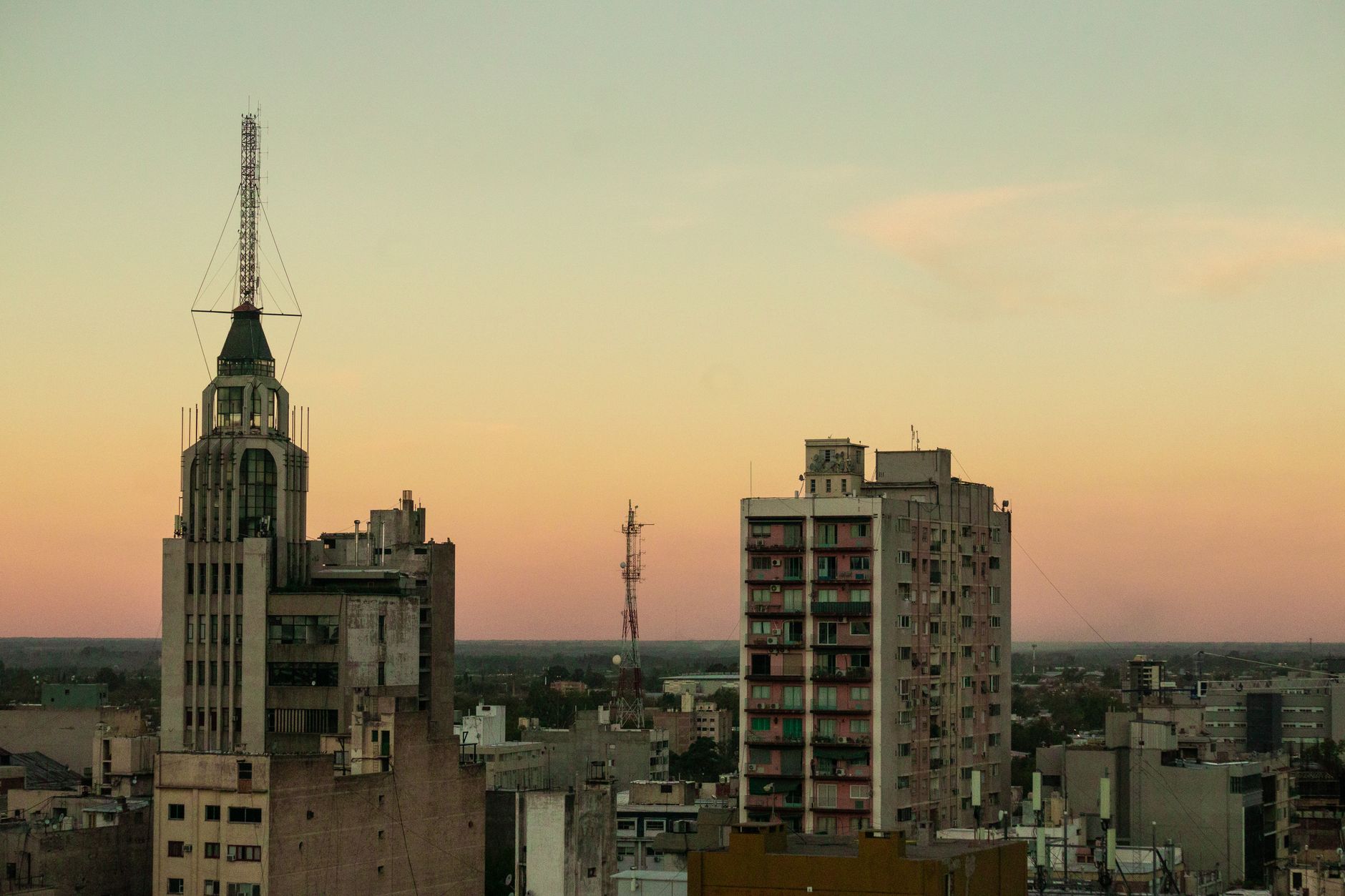
buenos aires Rosario Córdoba Plaza de Mayo Palacio Barolo
Mendoza

Cuyo and the High Andes

Mendoza looks calm until you notice what holds it together: irrigation channels, vineyard geometry, and the Andes wall rising to the west. This is wine country, yes, but also Argentina's cleanest lesson in altitude, dryness, and how seriously people here take a lunch that begins with Malbec and ends somewhere around sunset.

Mendoza Aconcagua Provincial Park Uco Valley Maipú Puente del Inca
Salta

Northwest Andes

The northwest is where altitude, trade routes, and layered history stop being abstractions and start shaping the road in front of you. Salta gives you the practical base, Tilcara puts you inside the Quebrada de Humahuaca corridor, and Tucumán adds the political memory of independence to a landscape built on movement and control.

Salta Tilcara Tucumán Quebrada de Humahuaca Pucará de Tilcara
Bariloche

Lakes and Northern Patagonia

Bariloche is the postcard, but the real appeal is the way this region shifts every few kilometers: dark lakes, lenga forest, exposed ridgelines, then a road that suddenly opens into wind and distance. It feels Alpine in parts, though the mood is less polished and the weather has a habit of making the itinerary feel negotiable.

Bariloche Nahuel Huapi National Park Circuito Chico Cerro Campanario Ruta de los Siete Lagos
El Calafate

Southern Patagonia and Tierra del Fuego

Southern Patagonia is where Argentina stops flirting with scale and commits to it. El Calafate works as the glacier gateway, Ushuaia leans into the end-of-the-world theater, and every transfer reminds you that wind, distance, and daylight hours still run the schedule down here.

El Calafate Ushuaia Perito Moreno Glacier Tierra del Fuego National Park Beagle Channel
Iguazú

Northeast Forests and Atlantic Wildlife

The northeast splits neatly in two, though both halves involve animals behaving as if the country belongs to them. Iguazú brings tropical heat, red soil, and one of the loudest waterfall systems on the continent; Puerto Madryn gives you whales, sea lions, and the Atlantic stripped of any decorative softness.

Iguazú Puerto Madryn Iguazú Falls Península Valdés Puerto Iguazú

05 Top Monuments in Argentina.

Buenos Aires Botanical Garden

Buenos Aires

Part scientific collection, part sculpture park, this Palermo refuge swaps flower-show spectacle for rare trees, butterflies, and a rare pocket of hush.

Obelisco De Buenos Aires

Buenos Aires

Built in just 61 days, the Obelisco is less a monument than Buenos Aires's public pressure valve: football delirium, protests, neon, and midnight pizza.

La Chacarita Cemetery

Buenos Aires

Buenos Aires buries tango legends, immigrant societies, and everyday city history across 95 hectares of modernist vaults, mausoleums, and ritual paths.

Plazoleta Julio Cortázar

Buenos Aires

Still called Plaza Serrano by almost everyone, this tiny square is Palermo Soho’s social knot: Cortázar hopscotch, weekend art stalls, bars, and noise after dark.

El Ateneo Grand Splendid

Buenos Aires

A 1919 theater where opera, tango, radio, cinema, and 120,000 books share one room on Santa Fe Avenue; go on a weekday morning before selfie traffic thickens.

Parque Centenario

Buenos Aires

A 12-hectare circle in Buenos Aires' street grid, Parque Centenario feels less like a garden than a neighborhood stage for mate, books, skaters, and concerts.

San Carlos Convento

San Lorenzo, Santa Fe

A Franciscan convent became the seed of modern San Lorenzo, then watched San Martin's first battle unfold outside its walls in 1813, now a museum.

Museo Histórico Cornelio De Saavedra

Buenos Aires

Centro Ana Frank Argentina

Buenos Aires

Plaza Castelli

Rafael Castillo

Otto Wulff Building

Buenos Aires

Eduardo Sívori Museum of Plastic Arts

Buenos Aires

Kavanagh Building

Buenos Aires

Monumento a Las Cataratas Del Iguazú, Buenos Aires

Buenos Aires

Vicente López Partido

Buenos Aires

Equestrian Statue of José De San Martín

Buenos Aires

Buenos Aires Japanese Gardens

Buenos Aires

Monserrat

Buenos Aires

06 Argentina: Routes, Revolutions, and the Unfinished Republic

From ancient Andean corridors to democratic memory

  1. landscape
    c. 10000-7000 BCEPre-Hispanic Worlds

    Earliest human presence

    Archaeological evidence places early human occupation in what is now Argentina deep in prehistory, with strong signals in the pampas and southern Patagonia. The first story here is written not by dynasties but by campsites, migration routes, and survival in difficult landscapes.

  2. route
    c. 8000 BCE onwardPre-Hispanic Worlds

    Quebrada de Humahuaca becomes a long-distance corridor

    The Quebrada de Humahuaca in today's northwest served as a route for exchange and movement for millennia. Long before a nation existed, this passage linked highland communities, trade, ritual life, and military control.

  3. castle
    Late 15th centuryAndean Frontier

    Inca authority reaches the northwest

    Inca power expanded into northwestern Argentina, leaving roads, storage systems, and administrative marks on a frontier landscape. Control here meant controlling circulation through valleys like those around Tilcara and Salta.

  4. sailing
    1536Spanish Conquest and Colony

    First foundation of Buenos Aires

    Pedro de Mendoza founded Buenos Aires on the Río de la Plata, but famine, conflict, and instability doomed the settlement. Argentina's future capital began as a failure, which feels strangely appropriate.

  5. location_city
    1580Spanish Conquest and Colony

    Buenos Aires is refounded

    Juan de Garay re-established Buenos Aires, this time on firmer footing. Cattle, hides, and contraband trade soon made the city more valuable than Madrid had first imagined.

  6. account_balance
    1776Bourbon Reform Era

    Viceroyalty of the Río de la Plata is created

    The Spanish crown elevated Buenos Aires by making it capital of a new viceroyalty. A port once treated as peripheral became administrative center, customs gate, and political rival to older inland hierarchies.

  7. swords
    1806-1807Bourbon Reform Era

    British invasions shake the colony

    British forces attacked the Río de la Plata and were repelled, largely through local mobilization. The lesson was dangerous for empire: creole society had learned it could fight without waiting for Spain.

  8. campaign
    1810Revolution and Independence

    May Revolution in Buenos Aires

    The authority of the Spanish viceroy collapsed after days of pressure, debate, and public unrest around the Cabildo. The revolution spoke cautiously at first, but it opened the road to independence.

  9. flag
    1812Revolution and Independence

    Belgrano creates the flag

    Manuel Belgrano introduced the light blue and white flag that would become the republic's emblem. Symbols matter most when political reality is still unstable, and Argentina in 1812 was nothing if not unstable.

  10. gavel
    1816Revolution and Independence

    Independence is declared in Tucumán

    Representatives meeting in Tucumán formally declared independence on 9 July 1816. The legal break with Spain was clear; the shape of the new country was not.

  11. terrain
    1817Revolution and Independence

    San Martín crosses the Andes from Mendoza

    José de San Martín led the Army of the Andes across high mountain passes in one of the boldest campaigns in the history of the Americas. From Mendoza, Argentina projected its revolution outward and changed the continent.

  12. description
    1853Caudillos and State Formation

    Constitution of the Argentine Confederation

    After years of civil conflict, a constitution established a federal framework for the country. It promised order, though Buenos Aires would continue resisting full integration for years.

  13. location_city
    1880Oligarchic Republic

    Buenos Aires is federalized

    The long rivalry between the capital and the provinces reached a constitutional settlement when Buenos Aires became the federal capital. The state now had a center, though not yet a calm political soul.

  14. how_to_vote
    1912Mass Politics Emerges

    Sáenz Peña electoral reform

    The Sáenz Peña Law expanded and regularized male suffrage, weakening oligarchic political control. Argentina's republic began to speak in a broader voice, even if women were still excluded.

  15. person
    1946Peronist Era

    Juan Perón wins the presidency

    Perón's victory transformed labor, welfare, and political identity in Argentina. With Eva Perón beside him, government became not only policy but emotional spectacle, loyalty, and mass belonging.

  16. favorite
    1952Peronist Era

    Death of Eva Perón

    Eva Perón died at 33 and passed almost instantly from political actor into national myth. Her memory would remain a battlefield where class, gender, charity, resentment, and devotion collided.

  17. groups
    1969Crisis of Military Rule

    Cordobazo uprising

    Workers and students in Córdoba rose against the military regime in a rebellion that shocked the country. The streets proved that technocratic authority without legitimacy was brittle.

  18. gpp_bad
    1976Dictatorship and Terror

    Military coup and the Dirty War

    The armed forces seized power and launched a campaign of state terror marked by kidnappings, torture, and disappearances. Modern Argentina still lives in moral conversation with these years.

  19. groups_2
    1977Dictatorship and Terror

    Mothers of Plaza de Mayo begin their marches

    Mothers searching for disappeared children started gathering in Plaza de Mayo, wearing white headscarves. Their weekly presence turned maternal grief into one of the most powerful acts of civic resistance in Latin America.

  20. public
    1982Dictatorship and Terror

    Malvinas/Falklands War

    The junta invaded the islands in a burst of nationalism and miscalculation, then suffered defeat by the United Kingdom. The loss accelerated the regime's collapse and exposed the emptiness of its martial rhetoric.

  21. ballot
    1983Democratic Return

    Democracy returns with Raúl Alfonsín

    Alfonsín's election reopened democratic life after seven years of dictatorship. Argentina chose ballots over barracks and began the difficult work of turning memory into law.

  22. balance
    1985Democratic Return

    Trial of the Juntas

    Former military leaders were prosecuted in a civilian court for crimes committed during the dictatorship. Few countries in the region moved so early to place their own generals before judges.

  23. warning
    2001Crisis and Reinvention

    Economic collapse and street revolt

    Bank restrictions, unemployment, and fury pushed citizens into the streets amid the famous cacerolazos. The crisis shattered savings and governments alike, but democratic institutions survived the shock.

  24. celebration
    2010Memory and Modern Argentina

    Bicentennial of the May Revolution

    Argentina marked 200 years since 1810 with celebrations, exhibitions, and a national mood oscillating between pride and argument. Even commemorations here become debates about who truly owns the story.

07 The story of Argentina.

01c. 10000 BCE-1530 CE

Before Argentina Had a Name, It Had Roads

Ancient Routes and Andean Fortresses

Topa Inca Yupanqui appears in the background like a great stage manager, extending imperial authority southward through roads and administrators rather than theatrical self-display.

The first chapter does not begin with a king, a flag, or a palace. It begins with dust in the Quebrada de Humahuaca, a caravan trail used for roughly 10,000 years, where traders, herders, and pilgrims moved between high Andean worlds and the lower valleys long before anyone imagined a republic called Argentina.

Ce que l'on ignore often is that the oldest drama here is logistical. Water decided everything. So did altitude. Communities in the northwest built terraces, fortified hill settlements, and exchange networks that tied what is now Tilcara and Salta to a much larger Andean system, where maize, textiles, metals, and ritual prestige traveled together.

By the late 15th century, the Inca reached this frontier. They did not cover the land in marble proclamations; they left roads, storehouses, and a political grammar of tribute. At sites such as the Pucará de Tilcara, one sees less the pomp of empire than its practical intelligence: who controls the passage controls the valley, and who controls the valley writes the fate of everyone below.

Then came the Spanish gaze, and with it a new misunderstanding. Conquistadors looked for a court they could seize. Much of northwestern Argentina offered something subtler and older: not one throne, but a mesh of routes, loyalties, and defended heights. That is why this first era matters. It teaches the habit that will return again and again in Argentine history: power belongs to whoever masters distance.

Did you know

The Pucará de Tilcara was reconstructed in the 20th century, so visitors are often looking at both a pre-Hispanic fortress and a modern argument about how the past should be remembered.

021536-1810

A Failed Port Becomes a Vice-Regal Prize

Conquest, Cattle, and the Long Colonial Improvisation

Pedro de Mendoza, remembered as founder, was in truth a tragic aristocrat who dreamed of an American dominion and left behind famine, conflict, and an unfinished city.

Picture the Río de la Plata in 1536: muddy light, wind off the estuary, tents instead of palaces, and Pedro de Mendoza trying to found Buenos Aires at the end of an empire that already overreached itself. Hunger arrived faster than glory. The settlement failed. Mendoza left. He died in 1537 on the voyage home, a broken founder of a city that had not yet learned how to exist.

Buenos Aires returned in 1580 with Juan de Garay, and this time the logic was less heroic, more durable. Cattle multiplied on the pampas with astonishing speed, hides became money, and the port grew half legally, half by smuggling, which is a very Argentine beginning for a capital. Spain wanted order. The estuary preferred opportunity.

In the northwest, older colonial cities such as Córdoba and Salta tied the region to Upper Peru, silver routes, and church power. Buenos Aires, by contrast, behaved like an upstart cousin who had found cash before pedigree. That tension shaped the colonial period: inland hierarchies built on imperial rank, coastal ambition built on trade and disobedience.

In 1776, the Bourbon crown created the Viceroyalty of the Río de la Plata and raised Buenos Aires to vice-regal status. A city once dismissed as marginal suddenly became administrative center, customs gate, and political theater. But promotion brought appetite. When the British invasions of 1806 and 1807 were beaten back largely by local forces, creole elites discovered something intoxicating: they could defend themselves. A colony that can fight alone rarely remains obedient for long.

Did you know

One of colonial Buenos Aires's great fortunes came from leather, not silver or gold; for years, dead cattle mattered less for meat than for the value of their hides.

031810-1880

From May Revolution to a Nation Still Arguing With Itself

Revolution, Independence, and the Battle Over the Republic

José de San Martín carried the gravity of a founder and the melancholy of a man who knew revolutions devour their own peace.

On 25 May 1810, in rain and cold around the Cabildo in Buenos Aires, the old order cracked. The May Revolution did not look like a perfectly staged liberation epic; it looked like petitions, rumors, umbrellas, and men deciding that the king's distant authority had become unusable. The language was cautious. The consequences were not.

Then enters José de San Martín, and with him one of the continent's grandest pieces of military audacity. In 1817, from Mendoza, he led the Army of the Andes across mountain passes that still seem improbable when you stand beneath them. He understood that independence for the Río de la Plata could not survive if royal power held Chile and Peru. One campaign led to another. A local revolt became a continental strategy.

Yet independence declared in Tucumán on 9 July 1816 did not settle the matter. It opened the quarrel. Unitarians and Federalists, Buenos Aires and the provinces, customs revenues and provincial autonomy: Argentina spent decades fighting over where sovereignty should live and who would collect its profits. Behind every constitutional principle stood a horse, a militia, a landed interest, or a port warehouse.

Juan Manuel de Rosas gave this age its dark velvet. Governor of Buenos Aires, master of symbols, feared and obeyed, he wrapped authority in federal rhetoric and personal loyalty. Ce que l'on ignore often is that the young republic was not only built by liberators in uniform but also by widows, printers, ranchers, caudillos, and exiles trying to survive its violence. After Rosas fell in 1852, the Constitution of 1853 offered a framework at last, but even then Buenos Aires resisted fully joining the arrangement. Only with the federalization of Buenos Aires in 1880 did the state acquire something like a settled capital. Even then, settled is a generous word.

Did you know

San Martín ordered mules, onions, garlic, and carefully rationed food for the Andean crossing with almost obsessive detail; glory, as usual, depended on supply lines.

041880-1976

Palaces, Ballots, and the Voice from the Balcony

The Belle Epoque Republic and the People Who Demanded a Share

Eva Perón understood something the old patrician families never quite grasped: politics is not only administration, it is recognition, and recognition can feel like love.

Walk Avenida de Mayo or the grand avenues of Buenos Aires and you can still feel the ambition of the oligarchic republic. Around 1880, Argentina entered a period of export wealth driven by beef, grain, railways, and immigration on a staggering scale. Italian and Spanish arrivals reshaped the language, the table, the neighborhoods, even the music. Buenos Aires wanted Parisian prestige with pampas money.

But marble facades conceal social invoices. The republic looked elegant from the opera box and harsher from the tenement. Electoral reform in 1912, with the Sáenz Peña Law, widened male suffrage and began to erode the closed political club that had governed the country. The Radical leader Hipólito Yrigoyen gave many Argentines the sense that the state could finally speak in a less aristocratic accent.

Then came the 20th century's great Argentine enchantment and fracture: Peronism. In 1946, Juan Perón reached the presidency, and Eva Perón transformed politics into intimate theater. She did not speak like a constitutional jurist. She spoke as if the poor stood beside her on the balcony. That is why she remains dangerous to explain. Was she saint, strategist, actress, avenger? In Argentina, she is never only one thing.

The country industrialized, polarized, mythologized itself. Unions gained force. The armed forces never stopped imagining they were arbiters of national destiny. Córdoba became a center of student and labor unrest, especially with the Cordobazo of 1969, which showed that the streets could answer back to barracks and ministries alike. Behind the image of a modern nation stood a society still fighting about class, legitimacy, and who counted as the true people. That unresolved argument would turn far darker after 1976.

Did you know

Eva's 1951 radio speech renouncing the vice-presidential candidacy lasted so long and carried such emotional force that listeners treated it almost as a national vigil.

051976-Present

The Mothers in the Square and the Country That Refused Amnesia

Dictatorship, Memory, and Democracy's Stubborn Return

Raúl Alfonsín lacked the glamour of a caudillo, which was precisely his virtue: he restored civilian dignity with patience, law, and a refusal to worship force.

The military coup of 24 March 1976 brought not order but terror in bureaucratic dress. People were kidnapped, tortured, killed, or made to disappear in what the regime called a war and what history records as state terrorism. The most haunting Argentine word of the late 20th century is not ideological. It is desaparecidos.

And then, one Thursday after another, came the mothers. White headscarves in Plaza de Mayo, names in place of silence, women whom the dictatorship had misjudged entirely. It thought grief would remain private. The Mothers of Plaza de Mayo made mourning public, rhythmic, impossible to ignore. A square once associated with authority became a tribunal of conscience.

The 1982 Malvinas/Falklands war, launched by a regime in crisis, produced patriotic fervor and then a crushing defeat. That defeat accelerated the dictatorship's collapse. In 1983, Raúl Alfonsín reopened democratic life, and the Trial of the Juntas gave Argentina something rare in the region: an early, imperfect, but unmistakable attempt to judge its own military rulers.

Democracy did not arrive wrapped in serenity. The 2001 economic collapse sent citizens into the streets with pots and pans, banks froze savings, and presidents came and went in delirious succession. Yet the republic held. That matters. So do later battles over inflation, debt, memory, and representation. Ce que l'on ignore often is that modern Argentina is held together not by consensus but by a very disciplined habit of argument. From Buenos Aires to Rosario, from Tucumán to Ushuaia, it remains a country convinced that history is unfinished and that citizens have the right to interrupt it.

Did you know

The white headscarves of the Mothers of Plaza de Mayo began as cloth diapers, turned into a public symbol by women who understood that domestic fabric could become political defiance.

08 The cultural soul.

language

The Mouth Learns to Dance Sideways

Argentine Spanish does not enter the ear. It leans on it. In buenos aires, the "ll" slides toward "sh," so a simple calle sounds dressed for evening, and the sentence seems to have combed its hair before leaving the house.

Then comes vos. Not the museum-piece pronoun of old grammar books, but the living one: vos querés, vos sabés, vos venís. A country reveals itself through the way it addresses desire. Argentina does not say "you" as Madrid says it. It says it with intimacy, command, flirtation, fatigue. Same word, four temperaments.

Listen in Córdoba at a bakery counter, in Salta under an arcade, in Tucumán at a taxi rank. The melody changes, the appetite for talk does not. People do not merely exchange information here; they test one another's warmth, wit, stamina. A sentence can contain tenderness and mockery without smudging either.

The slang is a second republic. Quilombo for chaos, chamuyo for verbal seduction, fiaca for that velvet refusal to move. Other countries classify emotion. Argentina gives it street names.

cuisine

Fire, Milk, Corn, Repetition

Argentine cuisine is often reduced to beef, which is like reducing opera to breathing. Yes, the fire matters. An asado begins long before lunch, with the patient construction of heat, the grave authority of the person tending the grill, and the slow arrival of cuts that sound almost liturgical: vacío, entraña, tira de asado, morcilla. Smoke first. Then appetite. Then silence.

But the country changes flavor every few hundred kilometers. In Salta and Tucumán, empanadas arrive with muscle and logic: smaller, spicier, juicier, built to be eaten standing, without philosophical debate. In the northwest, humita and locro keep older calendars alive, with corn, squash, beans, steam, and patience. You taste altitude in them. Also memory.

Buenos Aires, naturally, turns excess into doctrine. Pizza rises thick under a landslide of mozzarella; fainá, that humble chickpea slab, sits on top like a practical hat; medialunas lacquer themselves with sugar at breakfast as if restraint had missed the train. Even dulce de leche behaves less like a sweet than a constitutional principle.

A country is a table set for strangers. Argentina sets it late, keeps adding plates, and judges you mildly if you pretend to be full.

literature

Libraries for Insomniacs and Duels

Argentine literature has the suspicious elegance of someone who has suffered beautifully and knows it. Jorge Luis Borges made buenos aires into an infinite library, then salted it with knives, mirrors, suburbs, blind men, and theological traps. He wrote short stories the way others build cathedrals: with symmetry, terror, and one concealed passage.

Julio Cortázar brought mischief. His Buenos Aires and Paris are places where a staircase might think back at you. The point is never fantasy for its own sake. The point is that reality, when watched closely enough, begins to blush.

Then the national canon widens and hardens. José Hernández gave Martín Fierro the pampas and a guitar, and with them an argument about violence, state power, masculinity, and who gets called civilized. Leopoldo Lugones polished language until it glittered; Alejandra Pizarnik cut it until it bled. Few countries have treated words with such alternating tenderness and cruelty.

In buenos aires, bookshops stay open with the stubborn dignity of churches. People discuss writers at midnight as if discussing weather, except with more offense taken. This is healthy. A nation that quarrels over metaphors has not entirely surrendered.

music

A Bandoneon Opens Like a Wound

Tango suffers from fame. The world thinks it understands the form because it recognizes the silhouette: black dress, sharp heel, rose, pose. Then the bandoneon begins, and the cliché dies on contact. The sound is not glamorous. It is compressed grief, urban discipline, erotic timing, and the memory of immigration folded into bellows.

Buenos Aires made tango famous, but it also made it exact. The neighborhoods mattered. The codes mattered. Who leads, who waits, who cuts across the beat by half a breath: this is not decoration. It is ethics with music behind it.

Elsewhere the map changes key. In Salta, folk traditions travel with charango, bombo leguero, and voices that sound shaped by dry air and distance. In Mendoza, harvest festivals turn public ritual into rhythm. In the littoral, chamamé carries the river in its hips and accordion. Argentina distrusts monotony even in national identity.

Everywhere, people know lyrics. Not vaguely. Precisely. A table can go from football argument to full song in under thirty seconds, and nobody behaves as if this were exceptional. Why would they? Music here is not performance first. It is social proof of feeling.

etiquette

Ceremonies of Warmth, Executed Exactly

Argentine manners are warm in the way fencing is intimate. The famous kiss on the cheek looks spontaneous to foreigners. It is not. It has form, angle, timing, and a tiny social intelligence behind it. One cheek. Brief contact. No panic.

Mate makes the rules visible. One person prepares it, pours it, passes it, controls the rhythm. You drink when the gourd reaches you. You return it without apology, commentary, or amateur revision. Asking for sugar in a bitter round is not a crime. It is a declaration.

Meals begin late by northern European standards and at a civilized hour by insomniac standards. Dinner at 10 pm does not count as drama. Conversation stretches. Nobody rushes the table unless the table has become unbearable, and then the problem is not time but character.

The dryness of Argentine humor rescues all this from sentimentality. People tease with surgical precision. Affection arrives disguised as insult, and insult sometimes arrives disguised as affection. Learn the difference. Or at least admire the craftsmanship.

architecture

Stone Imported, Light Improvised

Argentina builds with European memory and local weather. That tension is half its beauty. Buenos Aires can produce a Parisian facade, an Italianate cupola, a rationalist block, and a stained Belle Époque staircase within one distracted afternoon, as if the city had rifled through a trunk of old costumes and decided to wear three at once.

Yet the imitation is never pure. The light is too sharp, the sidewalks too argumentative, the scale too American, the melancholy too Río de la Plata. Even when a building quotes France or Italy, the sentence ends in Argentina.

In Córdoba, the colonial and the academic stand close enough to argue. In Salta, churches and patios understand shade as a moral necessity. In Bariloche, alpine fantasies meet Patagonian timber and lake light with a straight face so audacious it becomes persuasive. Mendoza, rebuilt after the 1861 earthquake, prefers width, trees, and seismic caution over old-world nostalgia. Sensible cities can still seduce.

Architecture here rarely whispers authenticity. It confesses appetite instead: for grandeur, for order, for imported taste, for adaptation under pressure. A facade can cross an ocean. Dust, heat, earthquakes, and politics finish the job.

09 Notable Figures.

José de San Martín

1778-1850General and independence leader
Led the Army of the Andes from Mendoza and became the central military architect of independence

San Martín's Argentine legend is not built on speeches but on movement: men, mules, artillery, and nerve crossing the Andes from Mendoza in 1817. He saw earlier than most that freeing Buenos Aires meant little if royal power still held Chile and Peru, so he turned national rebellion into continental strategy.

Manuel Belgrano

1770-1820Lawyer, revolutionary, and flag creator
Key figure of the May Revolution and creator of the Argentine flag

Belgrano had the manners of an enlightened reformer and the luck of a man always short of resources. He created the flag in 1812 and spent much of his public life trying to serve a revolution more chaotic than the patriotic paintings later admitted.

Juan Manuel de Rosas

1793-1877Caudillo and governor of Buenos Aires
Dominated Argentine politics from Buenos Aires during the federal conflicts of the 19th century

Rosas governed Buenos Aires with rancher's instincts and a courtier's taste for symbols, ribbons, slogans, and fear. He called himself defender of federalism, yet concentrated power so effectively that even his enemies had to speak in relation to him.

Domingo Faustino Sarmiento

1811-1888President, educator, and writer
Helped define the republic's argument about education, modernization, and the provinces

Sarmiento wrote Argentina as fiercely as he tried to govern it. He loved schools, statistics, and progress with almost evangelical heat, but he also carried the old elite suspicion that the countryside and its caudillos stood in the way of civilization.

Julio Argentino Roca

1843-1914President and military leader
Oversaw state consolidation and the violent expansion of central authority in the late 19th century

Roca belongs to the making of the modern Argentine state and to one of its ugliest silences. He helped centralize the republic and presided over territorial expansion in Patagonia, but that state-building came with brutal campaigns against Indigenous peoples whose cost is no longer possible to hide behind patriotic marble.

Eva Perón

1919-1952Political leader and public icon
Transformed social politics and mass symbolism from Buenos Aires during Perón's rise

Evita arrived from provincial poverty and understood performance better than the old ruling families understood the country. In Buenos Aires, she turned microphones, trains, charities, and balconies into instruments of political intimacy, speaking to descamisados as if protocol had finally been dismissed from the room.

Juan Domingo Perón

1895-1974President and founder of Peronism
Shaped Argentina's social and political life from the 1940s onward

Perón built a movement elastic enough to survive exile, return, faction, and death. He spoke the language of workers, used the machinery of the state with military discipline, and left Argentina with a political tradition that still structures almost every serious argument about power.

Jorge Luis Borges

1899-1986Writer
Made Buenos Aires into one of world literature's essential mental landscapes

Borges gave Buenos Aires an afterlife made of knives, libraries, patios, and labyrinths. He could turn a suburb into metaphysics and a family story into a mirror trick, yet he never stopped sounding unmistakably porteño in the way he handled memory and pride.

Ernesto 'Che' Guevara

1928-1967Revolutionary
Born in Rosario and carried an Argentine restlessness into a continental revolutionary life

Che's Argentine connection begins in Rosario and in the cultivated, argumentative world of a middle-class family that read widely and moved often. Asthma taught him endurance young; politics gave that endurance a cause, though Argentina remembers him with more complexity than the posters suggest.

Raúl Alfonsín

1927-2009President and democratic reformer
Led the democratic transition after the 1976-1983 dictatorship

Alfonsín's greatness lies partly in his lack of theatricality. After years of uniforms and fear, he restored civilian politics in a register that sounded almost modest, then backed the Trial of the Juntas, insisting that democracy had to do more than reopen parliament; it had to speak judgment.

10 Suggested Itineraries.

3 days

3 Days: buenos aires and Rosario

This is the compact Río de la Plata route for travelers who want architecture, late dinners, and one clean rail or bus hop inland. Start in buenos aires for cafés, bookstores, and grand avenues, then continue to Rosario for riverfront walks and a city that feels less staged, more lived in.

buenos airesRosario
Best for: first-timers, city breaks, food and architecture
7 days

7 Days: Salta, Tilcara, and Tucumán

Northwest Argentina rewards overland travel because the distances build drama instead of wasting time. Salta gives you the colonial grid and practical base, Tilcara brings altitude and pre-Hispanic history into focus, and Tucumán adds independence-era weight without breaking the route.

SaltaTilcaraTucumán
Best for: road-trippers, history-minded travelers, mountain landscapes
10 days

10 Days: Mendoza to Bariloche

This west-side itinerary swaps one Argentina stereotype for another and improves on both: wine country first, then lakes and cold air. Mendoza works best with a car and a disciplined lunch schedule; Bariloche is where the country starts to look Swiss, then remembers the chocolate is better and the roads are longer.

MendozaBariloche
Best for: couples, food and wine travelers, self-drive trips
14 days

14 Days: Iguazú, El Calafate, and Ushuaia

This is the long-haul contrast route: subtropical spray in Iguazú, glacier light in El Calafate, then the blunt southern edge at Ushuaia. It only works well if you accept flights as part of the architecture of the trip, because Argentina does not reward false economy on distance.

IguazúEl CalafateUshuaia
Best for: once-in-a-lifetime trips, photographers, travelers covering major extremes

11 Taste the Country.

asado

Sunday smoke, family table, standing hunger. First provoleta, then offal, then beef. Red wine, slow afternoon, no haste.

empanadas salteñas

Small half-moons, hot fat, cumin, beef, potato, egg. One bite, juice first. Beer, napkin, second round.

locro

May 25 pot, white corn, beans, squash, pork, tripe, sausage. Spoon upright. Crowd, cold day, patriotic appetite.

mate amargo

Morning bench, office break, bus platform, kitchen circle. One gourd, one bombilla, one pourer. Sip, return, wait.

medialunas con café con leche

Breakfast counter, glass case, buttered fingers. Tear, dip, swallow. Newspaper, gossip, sugar glaze.

choripán

Street grill, football exit, roadside stop. Chorizo split, bread crust, chimichurri drip. Elbows, standing, appetite.

dulce de leche and alfajores

Kiosk purchase, bus snack, desk drawer reserve. Soft biscuit, caramel center, sugar or chocolate shell. Sweetness without apology.

14Before you go

Practical Information

passport

Visa

Most travelers from the EU, US, Canada, UK, and Australia can enter Argentina visa-free for up to 90 days as tourists. Keep proof of onward travel and save your flight confirmation, because passport stamping is not always consistent and you may need entry proof later for hotels or Migraciones.

payments

Currency

Argentina uses the Argentine peso, or ARS, and prices can move fast enough to make a January budget look naive by April. Foreign-issued cards usually get a much better tourist exchange rate than the old official-card rate, but cash still matters for tips, kiosks, small shops, and the occasional card machine that gives up mid-transaction.

flight

Getting There

Most long-haul arrivals land at buenos aires Ezeiza, while Aeroparque handles many domestic flights and some regional routes much closer to the city. Do not plan on airport trains: for both airports, the real options are shuttle, bus, taxi, remis, or rideshare.

train

Getting Around

Domestic flights save serious time in a country this large, especially for routes to Iguazú, Bariloche, El Calafate, or Ushuaia. Long-distance buses still do much of the heavy lifting, while trains are useful only on a small number of routes and should be treated as a niche choice, not a national system.

wb_sunny

Climate

Argentina makes more sense by latitude than by season label: the north runs humid and subtropical, the center is temperate, the Andes stay dry with sharp day-night swings, and Patagonia is windy enough to change your plans by lunch. For most travelers, March to May and September to November are the easiest months for mixed itineraries.

wifi

Connectivity

Mobile coverage is solid in major cities such as buenos aires, Mendoza, Córdoba, and Rosario, then thinner on mountain roads and in remote Patagonia. Download maps, bus tickets, and hotel details before long overland days, because the signal between towns can vanish without warning.

health_and_safety

Safety

Argentina is manageable for independent travelers, but big-city petty theft is real, especially in crowded transit areas, on late-night streets, and anywhere your phone is held out like a trophy. Use registered rides at airports, keep a second payment method, and treat remote drives in Patagonia or the northwest as logistics problems first and sightseeing second.

15 Tips for Visitors.

euro
Carry Small Cash

Use your foreign card for hotels and larger meals, but keep peso notes for tips, kiosks, local buses, and backup. Cash solves small problems quickly, which is useful in a country that produces small problems with real imagination.

flight
Price Flights Early

Buy domestic flights early for Patagonia, Iguazú, and Ushuaia, especially in summer and around long weekends. Waiting for a deal often means paying more and losing the only departure that fit the route.

train
Do Not Rely on Trains

Argentina has passenger trains, but not the kind of network that rescues a loose travel plan. If a rail departure matters to your schedule, check the official sale window first and have a bus or flight backup.

hotel
Reserve Patagonia First

Book El Calafate and Ushuaia well ahead in peak season, because beds there tighten before prices become absurd. Patagonia punishes improvisation faster than buenos aires or Córdoba ever will.

restaurant
Tip in Cash

At sit-down restaurants, 10% is the normal move and cash is still the cleanest way to do it. Do not stress about tipping at counters, bakeries, or quick lunch spots unless service went well beyond the expected.

wifi
Download Before Bus Days

Save tickets, maps, hotel addresses, and offline translation before long overland stretches in Salta, Tilcara, or Patagonia. The signal can vanish between towns, and the driver will not find that surprising.

payments
Keep Entry Proof

Non-resident travelers can qualify for the 21% VAT break on accommodation when the hotel has your passport, entry proof, and eligible foreign payment. Keep the airline record or digital entry trace, because a missing stamp can turn into an expensive administrative shrug.

handshake
Read the Greeting

In social settings, Argentines tend to greet warmly and directly, often with more physical ease than visitors expect. In formal travel situations a simple polite hello works fine; watch the room first, then match the level of familiarity instead of performing it badly.

Explore Argentina with a personal guide in your pocket

Audiala App

Your Personal Curator, in Your Pocket.

Audio guides for 1,100+ cities across 96 countries. History, stories, and local insight — offline ready.

The first 5 guides are free
Audiala App
Available on iOS & Android
Download Now

Join 50k+ Curators

16 Frequently Asked

Do I need a visa for Argentina as a US or EU tourist? add

Usually no, for stays up to 90 days. Travelers from the US and most EU countries can enter visa-free for tourism, but you should carry proof of onward travel and keep your entry record in case a hotel or Migraciones asks for it later.

Is Argentina expensive for tourists in 2026? add

It can be moderate or expensive depending on where you go and how much Patagonia is in the plan. A careful traveler can manage around USD 40 to 70 a day, while Patagonia-heavy routes, domestic flights, and boutique hotels push the daily cost much higher.

Should I bring cash or use cards in Argentina? add

Bring both, but expect cards to do more of the work than they used to. Foreign-issued cards often receive a favorable tourist exchange rate, while cash remains useful for tips, kiosks, small businesses, and the odd moment when the terminal simply stops cooperating.

Is it better to fly or take buses around Argentina? add

Fly for long distances and use buses where the overland route actually adds value. Buenos Aires to El Calafate, Ushuaia, Bariloche, or Iguazú is usually a flight question; Salta to Tilcara or shorter regional legs make more sense by road.

What is the best month to visit Argentina? add

For a mixed-country trip, March to May and September to November are the safest bets. Those months dodge the worst summer heat in the north, avoid some peak-season pressure in Patagonia, and make cities such as buenos aires and Mendoza much easier to enjoy on foot.

Is Argentina safe for solo travelers? add

Yes, with normal city caution and better-than-normal attention to logistics in remote regions. Petty theft is the main urban issue, while long drives, weather, and patchy signal become the bigger risks in Patagonia and parts of the northwest.

Can tourists get tax-free hotel stays in Argentina? add

Yes, many non-resident foreign tourists can receive the 21% VAT exemption on accommodation and included breakfast. The hotel needs your passport, proof of legal entry, and eligible payment with a foreign-issued card or international transfer.

Do I need a SIM card in Argentina or is wifi enough? add

If you are staying in buenos aires alone, wifi plus occasional offline planning can be enough. For trips that include Mendoza, Salta, Bariloche, El Calafate, or any self-drive stretch, mobile data makes the day smoother and sometimes much less stupid.

17 Sources

Last reviewed: