
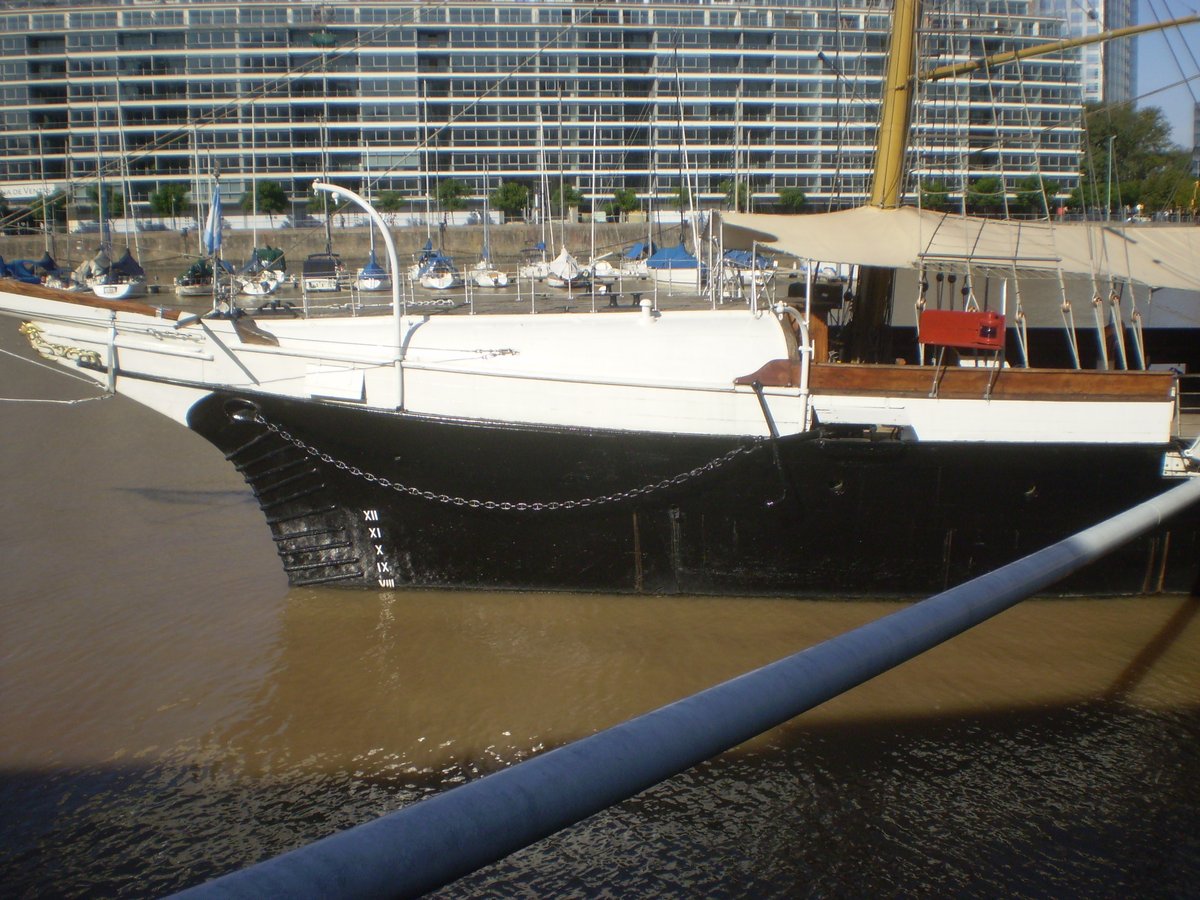

Origins and Construction
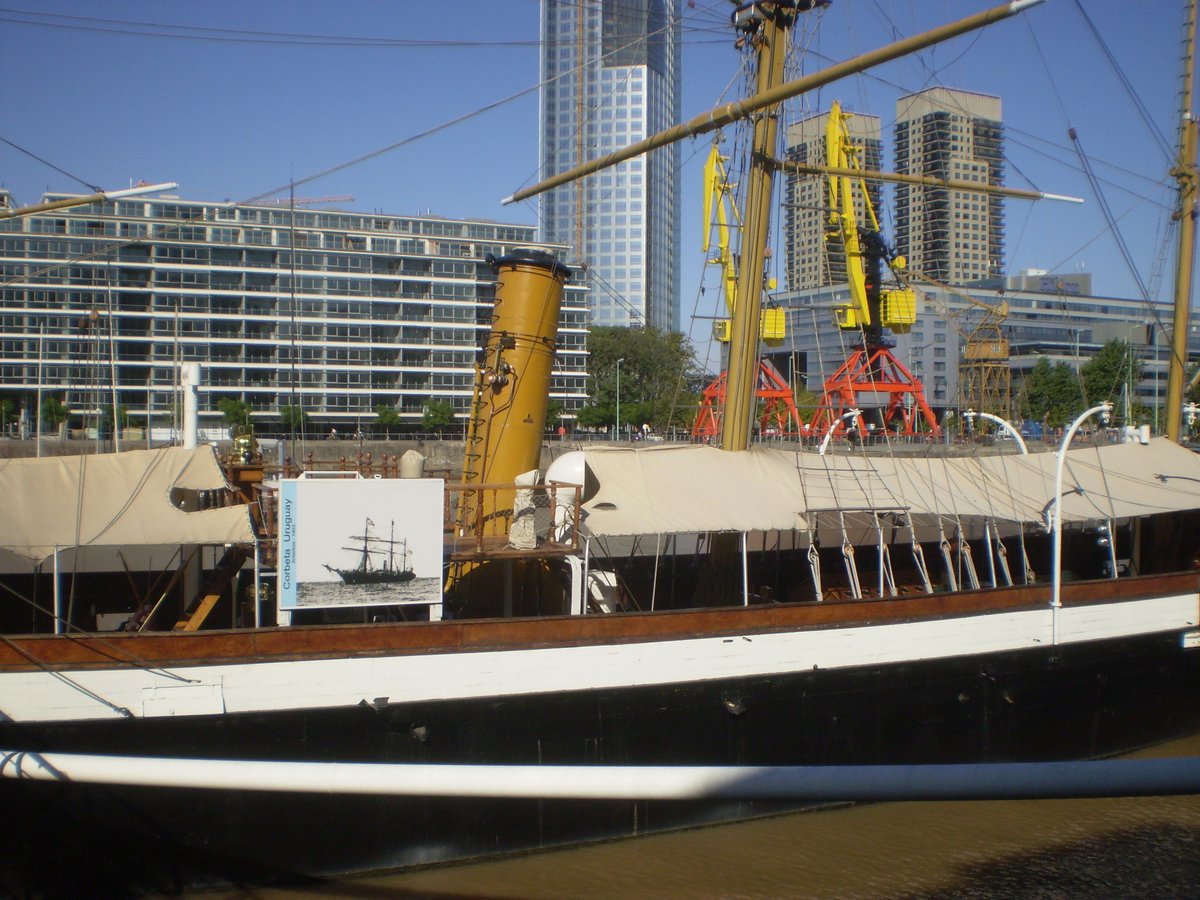
Commissioned by the Argentine government and built in England in 1874, the ARA Uruguay was designed as a versatile wooden-hulled corvette, equipped with both sails and a steam engine. Initially serving as a training ship and gunboat, it represented Argentina’s efforts to modernize its navy and assert sovereignty during a pivotal era (Argentina.gob.ar; Wikipedia).
The 1903 Antarctic Rescue
The ship’s most celebrated moment came in 1903 during the dramatic rescue of the Swedish Antarctic Expedition led by Otto Nordenskjöld. After the expedition’s ship was crushed by ice, the ARA Uruguay, under the command of Julián Irízar, braved perilous Antarctic conditions to save the stranded explorers, including Argentine officer Alférez José María Sobral. The successful mission elevated Argentina’s international standing and marked the beginning of its enduring commitment to Antarctic exploration (Military History Fandom; Argentina.gob.ar).
National Impact and Later Service
Following its legendary rescue, the ARA Uruguay continued as a training ship and support vessel for scientific missions. In 1967, it was declared a National Historic Monument, ensuring its preservation as a symbol of Argentina’s naval history (WhichMuseum). Today, it remains the oldest Argentine Navy ship still afloat and serves as a key educational and cultural site.
Visiting the ARA Uruguay
Location and Access
The ARA Uruguay Museum Ship is permanently docked at Dique 4, Puerto Madero (Av. Alicia Moreau de Justo Nº 500, Ciudad Autónoma de Buenos Aires). The area is pedestrian-friendly and easily accessible by public transport, taxi, or on foot from central districts such as San Telmo, Recoleta, and Palermo (Official Buenos Aires Tourism). Its proximity to other attractions makes it a convenient stop for visitors.
Map:
Visiting Hours and Tickets
- Regular Hours Wednesday to Sunday, 10:00 am to 7:00 pm
- Closed Mondays and Tuesdays
- School Visits Wednesdays reserved for school groups by prior reservation (Argentina.gob.ar)
- Admission Modest contribution (“bono contribución”), typically paid in cash (Argentine pesos). Check on-site for current pricing, as card payments might not be accepted.
- Guided Tours Occasionally available; staff are present to answer questions in Spanish and English.
Note: Always confirm current hours and ticket information on the official museum website or Instagram page before your visit, as hours may vary due to maintenance or events.
Museum Experience and Accessibility
Onboard Exhibits:
The ship’s original cabins, navigation instruments, and artifacts document its storied history, especially its Antarctic expeditions. Informational panels (mainly in Spanish, with some English) and authentic relics provide context for the vessel’s varied roles.
Accessibility:
Due to its historic structure, the ship has narrow passageways and steep stairs. Wheelchair and stroller access is limited. Families with young children should supervise them closely.
Facilities:
Basic restroom facilities are available. Photography is permitted throughout the vessel (flash may be restricted in some areas).
Practical Tips
- Cash Only Bring Argentine pesos in small denominations for entry.
- Footwear Wear comfortable, non-slip shoes due to uneven decks and stairs.
- Weather The ship is partially exposed—check the weather and bring sun/rain protection.
- Timing Mornings are generally less crowded, especially on weekends.
- Language Most signage is in Spanish; translation apps may be helpful for non-Spanish speakers.
Nearby Attractions
- Buque Museo Fragata Sarmiento Another historic museum ship adjacent to ARA Uruguay.
- Ecological Reserve Ideal for walking and birdwatching.
- Puerto Madero Abundant with restaurants, cafés, and public art.
- Historic Center Walk to San Telmo, Casa Rosada, or Florida Street for more Buenos Aires highlights (Trek Zone).
Frequently Asked Questions (FAQ)
Q: What are the ARA Uruguay visiting hours?
A: Wednesday to Sunday, 10:00 am to 7:00 pm. Closed Mondays and Tuesdays. Wednesdays reserved for school groups.
Q: How much does admission cost?
A: A small contribution (bono contribución), usually paid in cash.
Q: Is the ship wheelchair accessible?
A: Accessibility is limited due to the original design; most areas involve stairs and narrow passages.
Q: Are guided tours available?
A: Occasionally; otherwise, staff are available to share information.
Q: Can I take photos?
A: Yes, but avoid flash in sensitive areas.
Q: Are tickets sold online?
A: No. Tickets are purchased on-site with cash.