

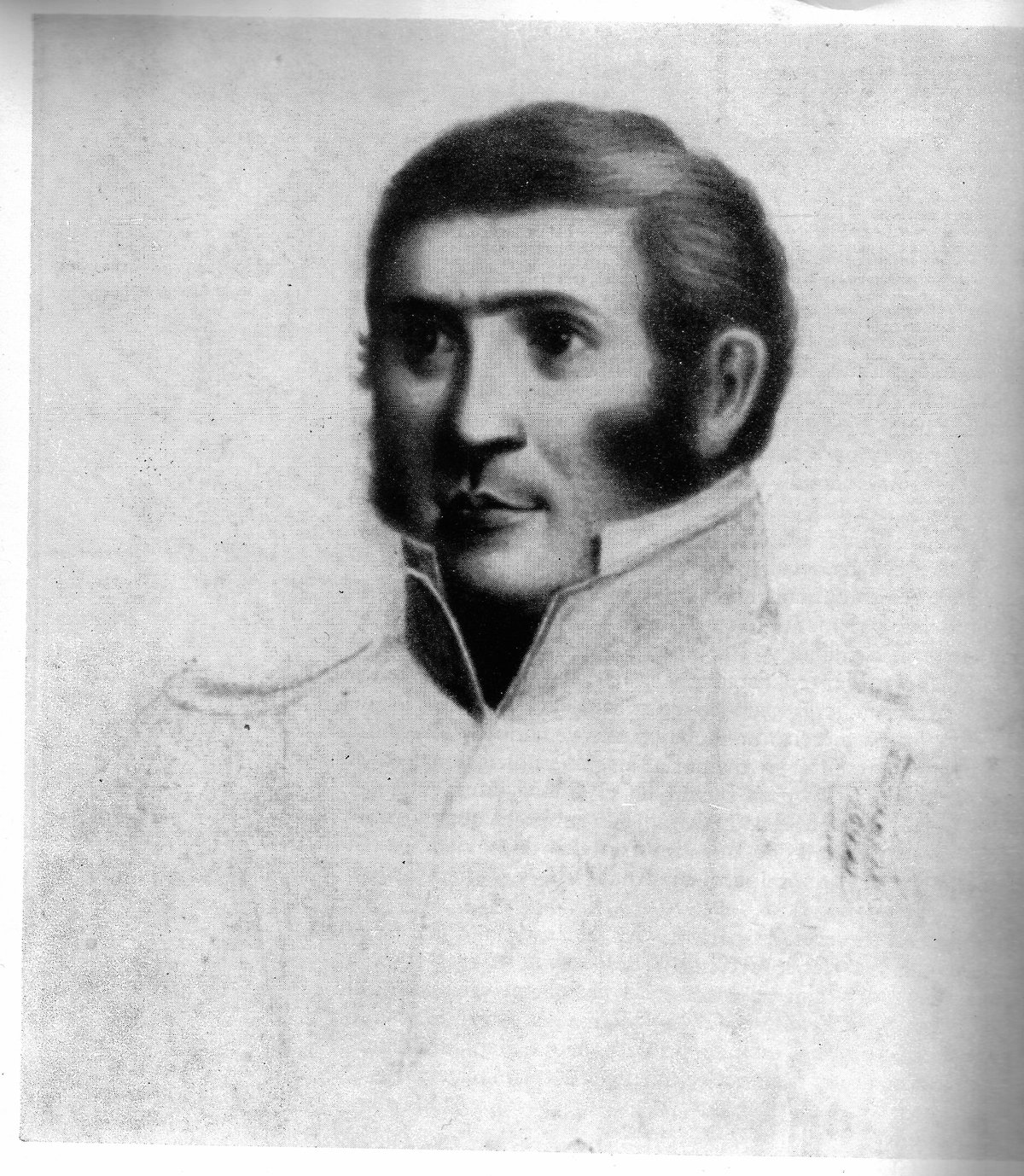
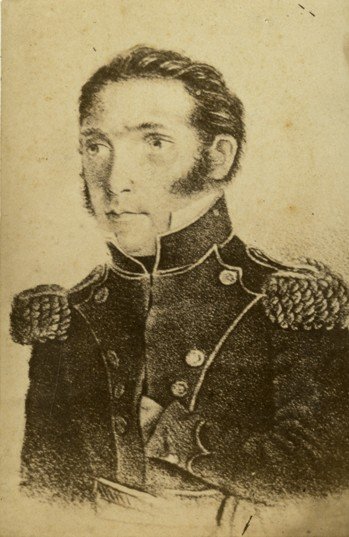

Manuel Dorrego: Life, Ideals, and National Impact
Early Life and Education
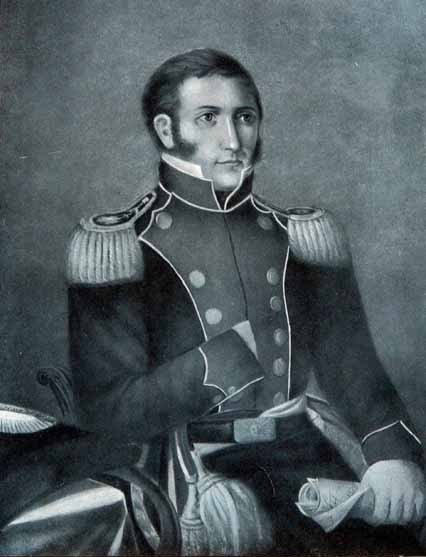
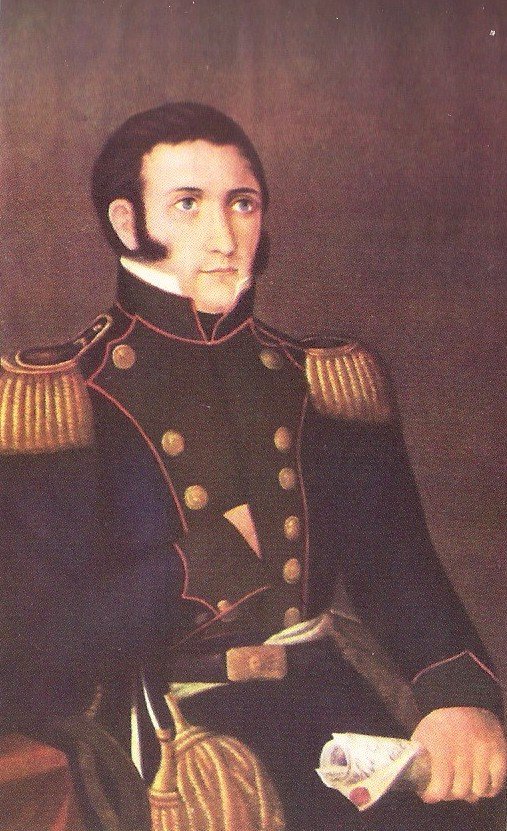
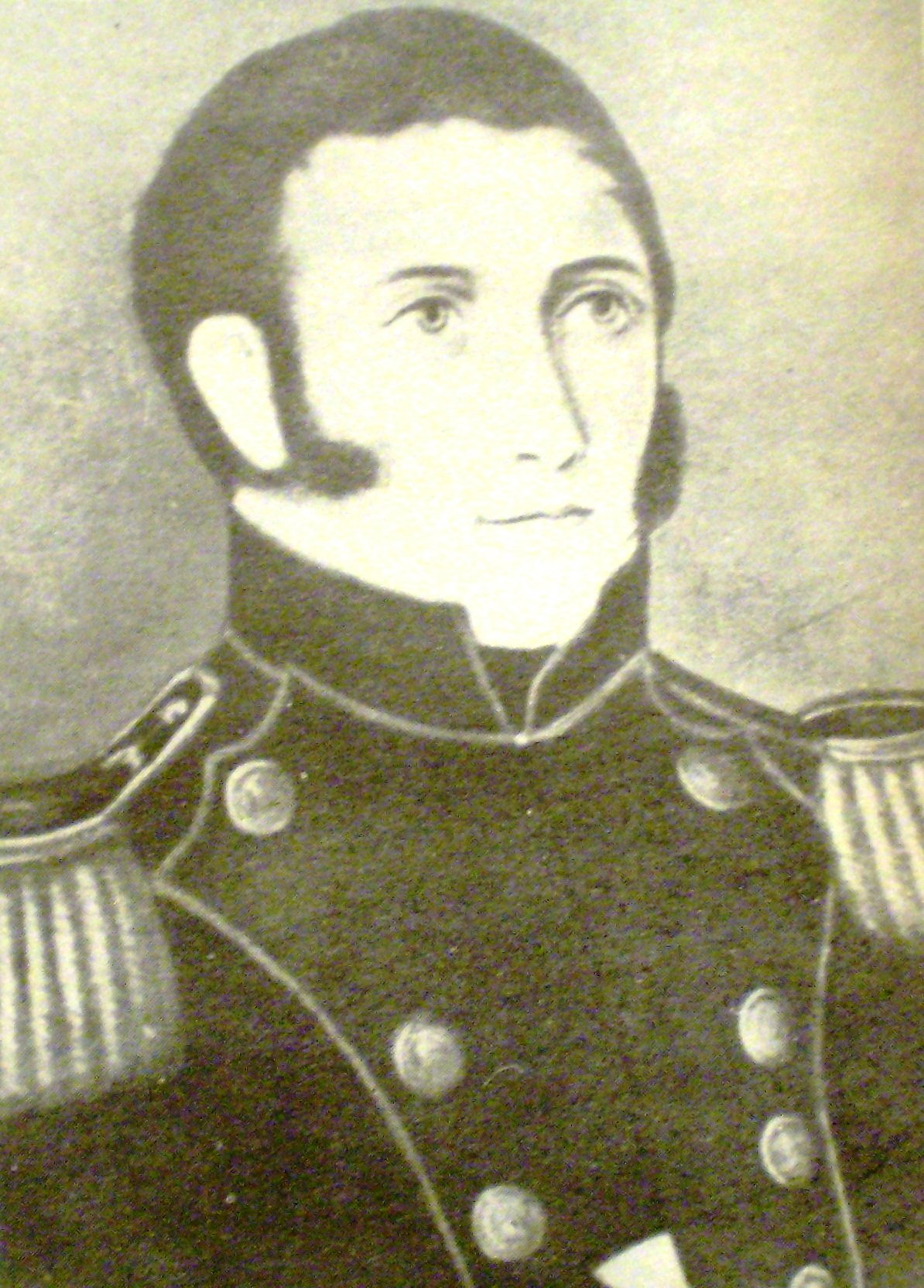
Born on June 11, 1787, in Buenos Aires, Manuel Dorrego hailed from a family of Portuguese descent. His early education at the Royal College of San Carlos—an institution renowned for nurturing Argentine leaders—laid the foundation for his future contributions (Academia-Lab).
Military Role and Independence
Dorrego became actively involved in the Argentine War of Independence, distinguishing himself in key campaigns under General Manuel Belgrano. His military service not only demonstrated his patriotism but also shaped his federalist political vision (Britannica).
Federalism vs. Unitarianism
A staunch advocate for federalism, Dorrego opposed Buenos Aires' centralist elite and the Directory government. He believed in provincial autonomy while also recognizing the necessity for national unity and effective foreign policy. His republican ideals put him at the center of Argentina’s earliest political rifts (Academia-Lab).
Exile, Return, and Governorship
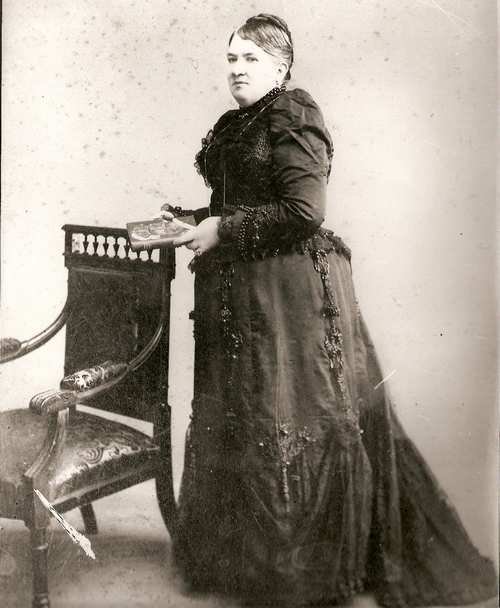
Dorrego’s resistance to centralized authority led to his arrest and exile by Director Juan Martín de Pueyrredón. After a dramatic release, he returned to Buenos Aires in 1815, marrying Ángela Baudrix and reaffirming his federalist stance. He served two terms as governor of Buenos Aires Province, notably refusing honorary military rank in favor of merit-based recognition (Academia-Lab).
Downfall and Execution
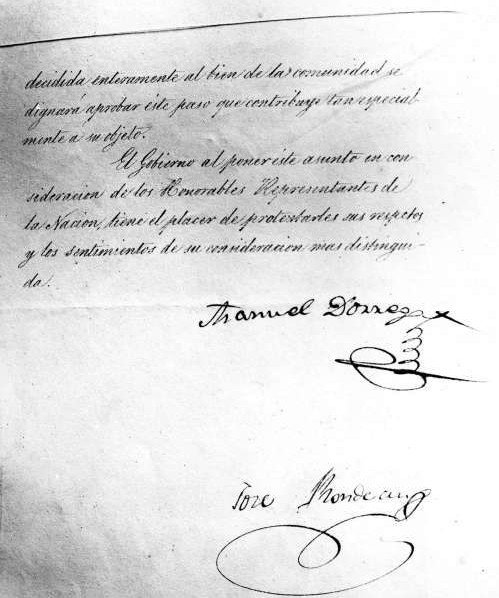
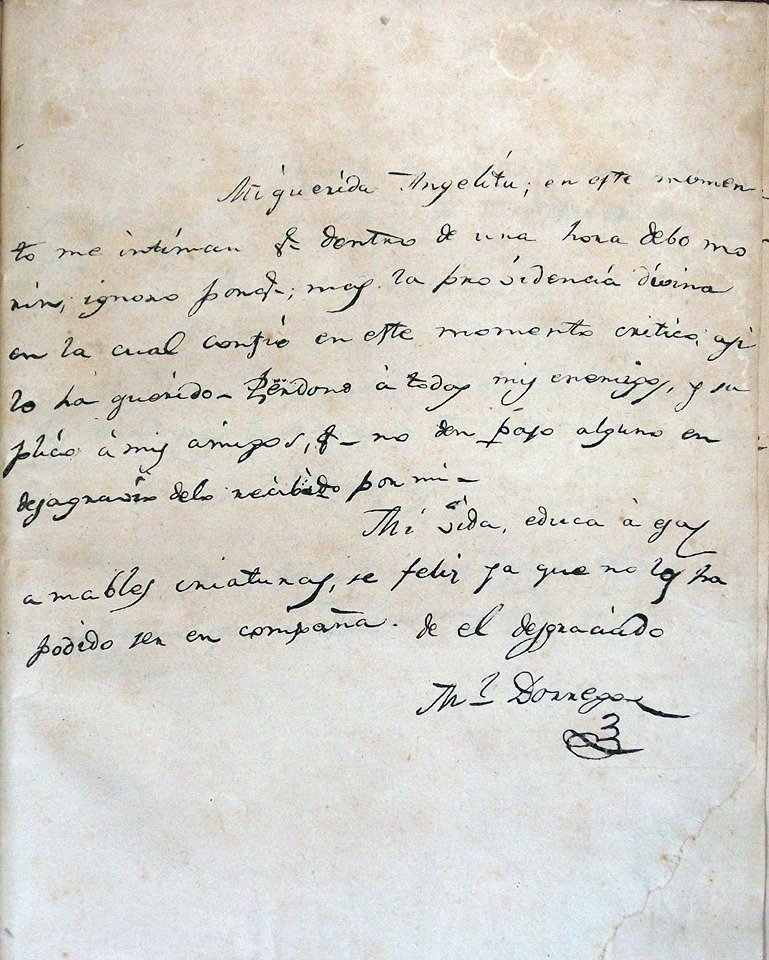
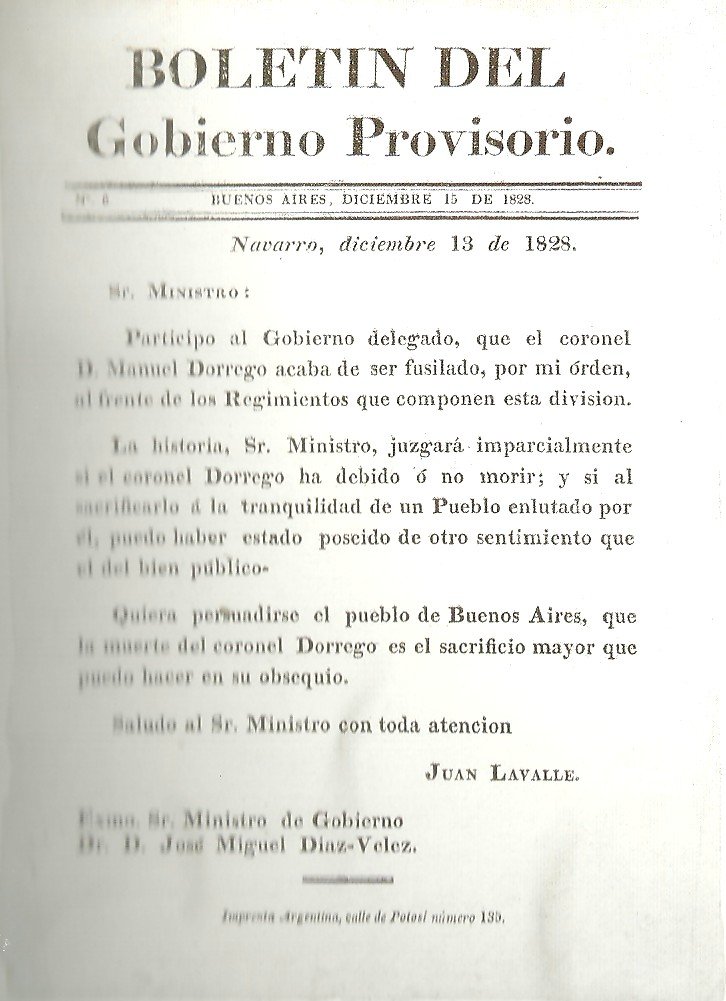
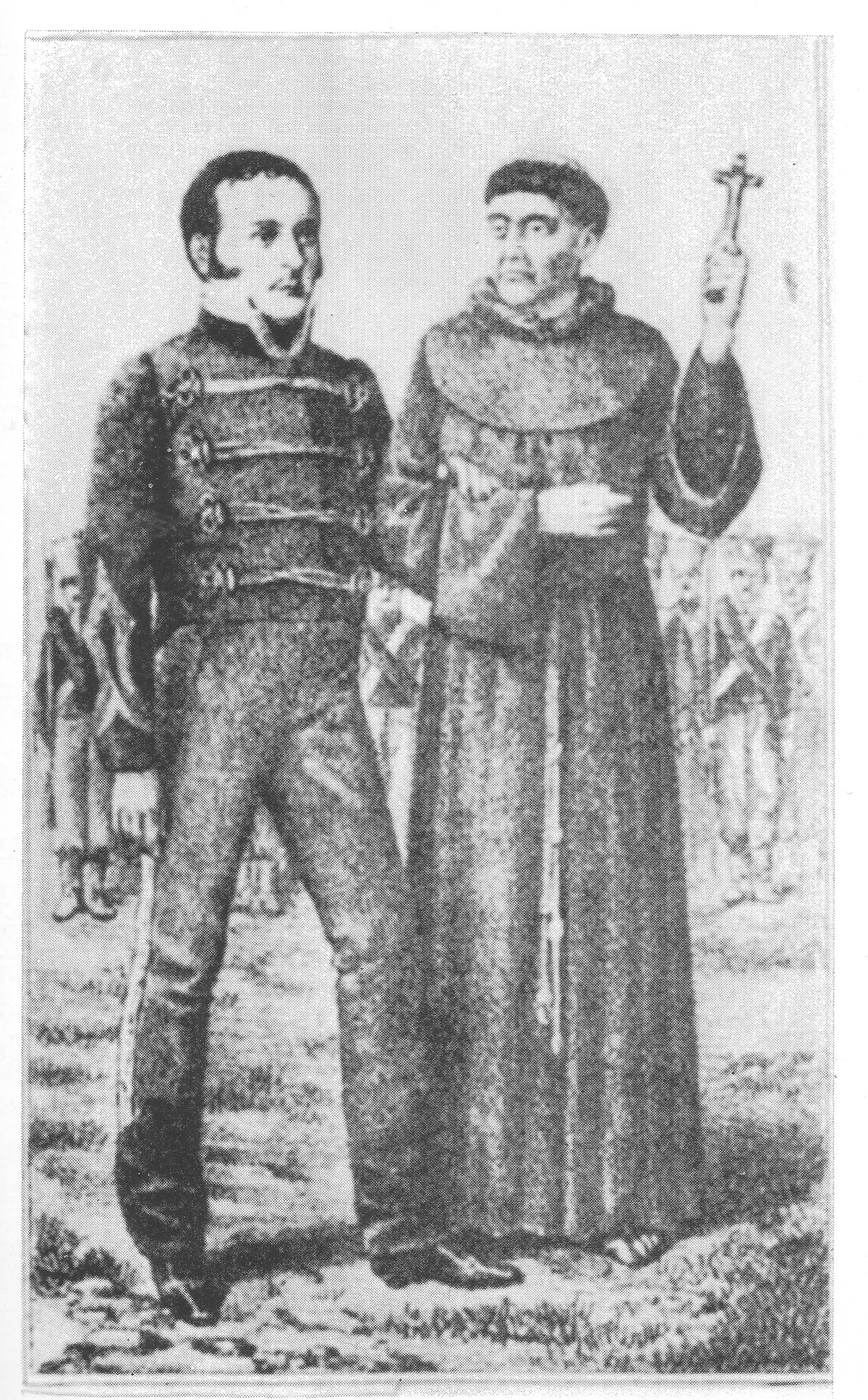
Political turbulence following a peace treaty with Brazil culminated in a coup by General Juan Lavalle. Defeated at the Battle of Navarro, Dorrego was executed on December 13, 1828, at the site now marked by the Museo Histórico Biográfico Manuel Dorrego (Museumspedia). His death intensified Argentina’s civil strife and cemented his legacy as a martyr for federalism.
Legacy
Dorrego’s ideals influenced leaders such as Juan Manuel de Rosas and continue to resonate in Argentina’s collective memory. His remains were interred at Recoleta Cemetery, and in 2015, he was posthumously promoted to general by the National Congress (Academia-Lab). His life and tragic end have inspired significant works of history and literature.
Visiting the Museo Histórico Biográfico Manuel Dorrego
Located in Navarro, this museum occupies the very site of Dorrego’s execution. It offers an authentic glimpse into his life, displaying personal artifacts, letters, and period reconstructions.
- Hours Tuesday to Sunday, 10:00 AM–5:00 PM. Closed Mondays and national holidays.
- Tickets Free; donations encouraged.
- Accessibility Wheelchair accessible with ramps and accessible restrooms.
- Tours Guided tours in Spanish and English are available by appointment.
- COVID-19 Masks and distancing protocols remain in place.
While in Navarro, consider visiting the Museo de Navarro and enjoying local cuisine at nearby cafes.
Estatua de Manuel Dorrego: Monument and Memory in Buenos Aires
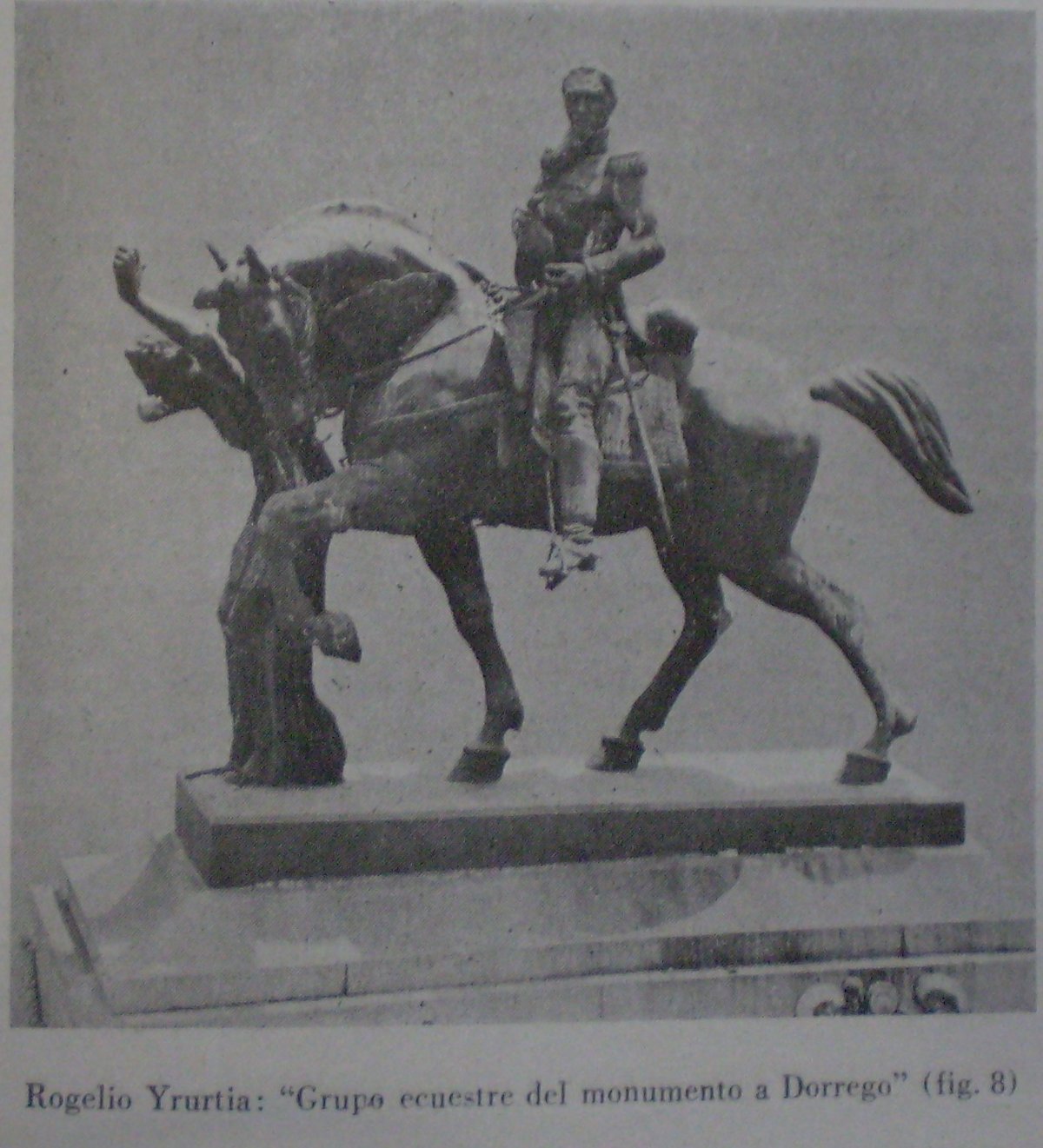
A striking tribute to Dorrego by Rogelio Yrurtia stands at Plazoleta Suipacha (Viamonte and Suipacha), in the San Nicolás neighborhood.
- Hours Open 24/7 in a public square.
- Admission Free.
- Accessibility Paved, wheelchair-friendly paths.
- Getting There Close to Carlos Pellegrini (Line B) and Diagonal Norte (Line C) subway stations; accessible by bus and on foot.
- Tours Frequently included in historical walking tours.
- Events Annual commemorations take place around December 13.
- Context The statue anchors Dorrego’s legacy in Argentina’s ongoing debates about governance, identity, and justice (Executed Today; Evendo).
Plaza Dorrego and San Telmo: Historical and Cultural Epicenter
Historical Evolution
Plaza Dorrego, at the intersection of Defensa and Humberto Primo, is the heart of San Telmo—Buenos Aires’ oldest neighborhood (Wikipedia). Originally a wagon stop, it evolved through various names before being dedicated to Dorrego in 1905. The area’s colonial mansions and cobblestone streets reflect layers of history, shaped by waves of immigration and the aftermath of the 1871 yellow fever epidemic (Las Maplone).
Key Attractions
- Plaza Dorrego Open 24/7; free to enter. Lively by day and evening, especially on Sundays.
- Feria de San Telmo Sundays, 10 AM–5 PM. Over 250 stalls with antiques, crafts, and live tango (Buenos Aires Tourism).
- San Telmo Market Tuesday–Sunday, 10 AM–6 PM. Food stalls, antiques, and coffee (Tourist Secrets).
- Tango & Milongas Free open-air shows; ticketed dinner performances available.
- Museums & Art Museo de Arte Moderno de Buenos Aires, Pasaje de la Defensa, street murals, and Casa Mínima.
Visitor Tips
- Getting There Centrally located; accessible by metro, bus, and on foot.
- Safety Take standard urban precautions, especially at night.
- Dining From parrillas like La Brigada to trendy bars and cafes.
- Accommodation Boutique hotels and guesthouses offer authentic stays (Travel and Itinerary).
- Tours Walking and bike tours available (My Adventures Across the World).
Manuel Dorrego Town (Coronel Dorrego): Attractions and Practical Information
Getting There
Reachable by road from Buenos Aires (with buses and taxis), or via Bahía Blanca airport (100 km away). The town’s layout is walkable and bike-friendly (touristplaces.guide).
Top Attractions
- Parque Municipal de Coronel Dorrego Open daily, 8 AM–8 PM; free entry.
- Museo de Historia Natural Tuesday–Saturday, 10 AM–5 PM; ARS 100.
- Centro Cultural La Casa de la Historia Wednesday–Sunday, 11 AM–7 PM; donations appreciated.
- Plaza 25 de Mayo Historic center.
- Estación de Ferrocarril Open for special events.
Festivals & Events
Fiesta Patronal and other cultural events feature music, dance, and local cuisine. Guided tours focused on history, nature, and gastronomy are available.
Practical Tips
- Best Time to Visit Spring (Sept–Nov) and fall (Mar–May) offer mild weather.
- Accommodation Guesthouses, hotels, and estancias; book ahead for festivals.
- Money Bring cash in small denominations; exchange currency in major cities (shortgirlontour.com).
- Safety Low crime, but standard precautions apply (carriedawayadventures.com).
- Connectivity Local SIM recommended; free Wi-Fi in hotels and cafes (secretsofbuenosaires.com).
- Dining Local parrillas and bakeries; dinner after 9 PM; limited vegetarian options.
Visuals and Media Suggestions
- Photos of Museo Histórico Biográfico Manuel Dorrego (alt: "Manuel Dorrego visiting hours at Navarro museum")
- Plaza Dorrego with tango dancers (alt: "Tango performance at Plaza Dorrego")
- Feria de San Telmo crowds (alt: "Sunday Feria de San Telmo antiques market")
- San Telmo Market interior (alt: "San Telmo Market food stalls and architecture")
- Parque Municipal de Coronel Dorrego (alt: "Manuel Dorrego visiting hours at Parque Municipal")
Frequently Asked Questions (FAQ)
Q: What are the visiting hours for the Museo Histórico Biográfico Manuel Dorrego?
A: Tuesday–Sunday, 10:00 AM–5:00 PM; closed Mondays and holidays.
Q: Is there an entrance fee for key attractions?
A: Most public parks and squares are free. Museums may charge modest fees.
Q: Are guided tours available?
A: Yes, at museums and through local tourism offices.
Q: How do I get to the Estatua de Manuel Dorrego?
A: Via subway (Carlos Pellegrini or Diagonal Norte stations), bus, or on foot from downtown.
Q: Is San Telmo safe for tourists?
A: Generally yes; practice standard city awareness.
Q: Is San Telmo Market wheelchair accessible?
A: Yes.
Q: When is the Feria de San Telmo?
A: Sundays, 10 AM–5 PM.
Discover More
Manuel Dorrego’s life, ideals, and untimely execution are etched into Argentina’s history and Buenos Aires’ urban landscape. From contemplative museum visits and historic monuments to the bustling culture of San Telmo and the provincial charm of Coronel Dorrego, each site offers insight into the nation’s struggles for identity and unity. Whether you seek in-depth historical context or vibrant local traditions, plan your visit with practical tips and authoritative resources in hand.
Enhance your journey with the Audiala app for interactive tours and real-time updates. For more information, consult our recommended resources and explore Buenos Aires’ historic sites to deepen your understanding of Argentina’s rich past.