
Origins and Planning of the Buenos Aires Underground
The Buenos Aires Underground, inaugurated in 1913 as the first subway in South America and the Southern Hemisphere, was established to address the city’s growing transportation needs. The initial line connected Plaza de Mayo and Plaza Miserere, constructed by the Anglo-Argentine company CTAA (introducingbuenosaires.com). The system has since grown to six lines (A, B, C, D, E, H) and a Premetro tram, spanning over 61 kilometers and more than 100 stations (metroguides.info).
Development of Line H and Humberto I Station
Line H, the latest addition to the network, was designed to enhance north-south connectivity and relieve congestion on older lines (en.wikipedia.org). Humberto I station, inaugurated on October 18, 2007, is strategically located beneath Avenida Jujuy between Calle Humberto I and Avenida San Juan. A direct underground passage connects Humberto I (Line H) to Jujuy station (Line E), facilitating seamless transfers (es.wikipedia.org).
Architectural Design and Accessibility
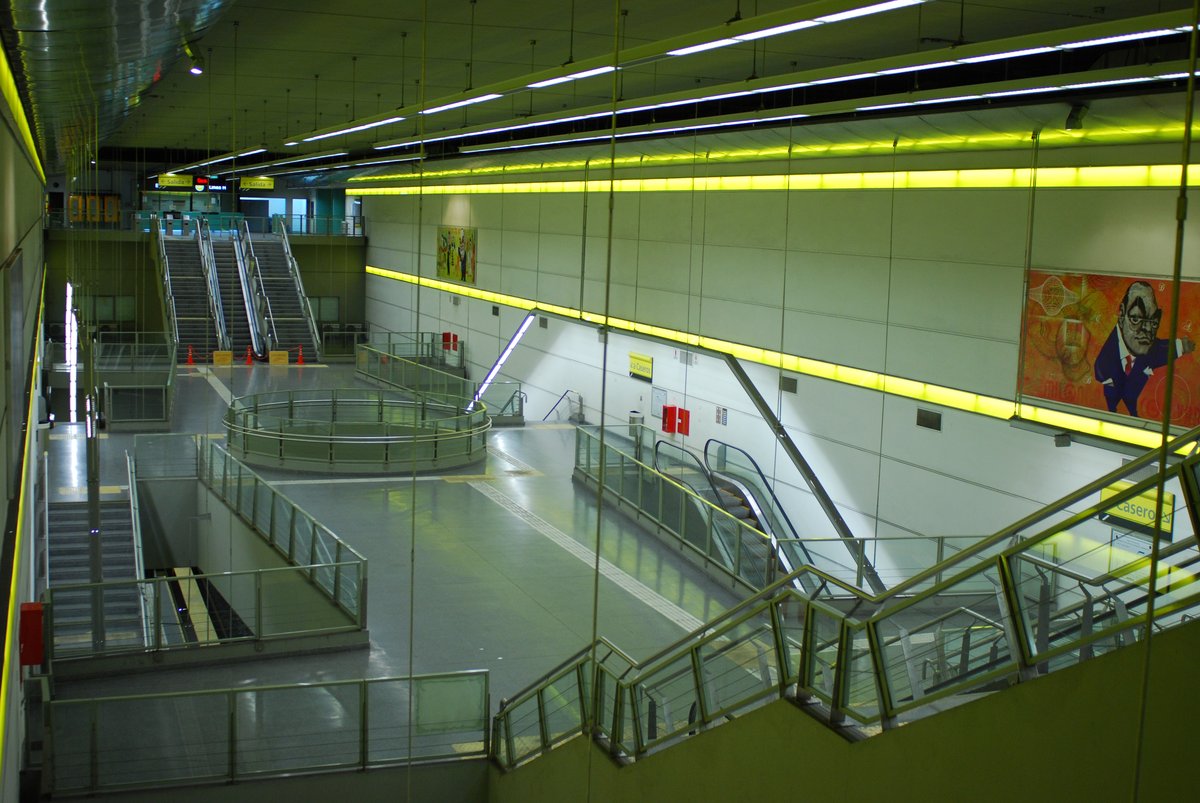
Humberto I station was constructed with inclusivity and efficiency in mind. Until 2019, it was the largest station in the Subte network. The design features two wide side platforms, a spacious concourse, and multiple street-level entrances. Key accessibility features include:
- Elevators and escalators connecting all levels
- Tactile paving and Braille signage for visually impaired passengers
- Adapted restrooms and step-free access
- Public Wi-Fi and well-lit spaces for safety and comfort (wheelchairtravel.org, subte.ar)
Visiting Hours and Ticketing
Operating Hours
- Weekdays (Mon–Fri) 5:00/5:30 AM – 11:00/11:30 PM
- Saturdays 6:00 AM – Midnight
- Sundays & Holidays 8:00 AM – 10:30 PM
Schedules may vary on holidays—check official resources for updates (subte.gob.ar).
Ticketing and Payment
- SUBE Card The rechargeable SUBE card is required for entry and is accepted on all city transport. Available at stations, kiosks, and convenience stores.
- Contactless Payment Since 2025, contactless credit cards are accepted at Subte turnstiles (not available for buses).
- Fares A single ride costs approximately ARS 16.50 ($0.40 USD as of 2025). Discounts apply for multi-trip users and free travel is provided for people with disabilities.
Find fare updates and top-up locations at SUBE’s official website.
Station Layout and Facilities
Platforms and Tracks
Humberto I features two side platforms serving two tracks, with bilingual (Spanish/English) signage. The wide, well-lit platforms are designed for high passenger flow and comfort. Elevators and escalators ensure accessibility at all levels (subte.ar).
Entrances and Exits
Multiple street-level entrances along Avenida Jujuy and Humberto Primo are easily identifiable by the yellow “Subte” logo and canopies. These lead to a concourse with ticketing facilities, information booths, and clear wayfinding (subtebuenosaires.com.ar).
Amenities
- Restrooms Available near the concourse (note: restrooms are rare in the Subte system).
- Seating Benches on platforms and in waiting areas.
- Security CCTV, emergency intercoms, and transit police patrols.
- Wi-Fi Free public Wi-Fi throughout the station.
- Retail Kiosks and vending machines for snacks, drinks, and SUBE top-ups.
- Information Booths Multilingual staff and digital displays for guidance.
Connectivity and Transfers
Interchange with Line E
A direct underground passage connects Humberto I (Line H) with Jujuy (Line E), enabling easy and efficient transfers within the fare-paid zone (YoMetro).
Surface Transport Links
Numerous bus lines stop near the station entrances, and Ecobici bike-sharing stations are available for last-mile connections. Maps and route information are displayed at exits.
Network Expansion
Line H has seen ongoing expansion, including new stations (Córdoba, Santa Fe, Las Heras) and rolling stock upgrades since 2015, boosting operational efficiency (en.wikipedia.org).
Nearby Attractions and Cultural Highlights
- San Cristóbal & Almagro Explore vibrant markets, cafes, and historic architecture.
- Balvanera Known for multicultural communities and shopping districts.
- Avenida Jujuy A lively thoroughfare with local shops and cultural venues.
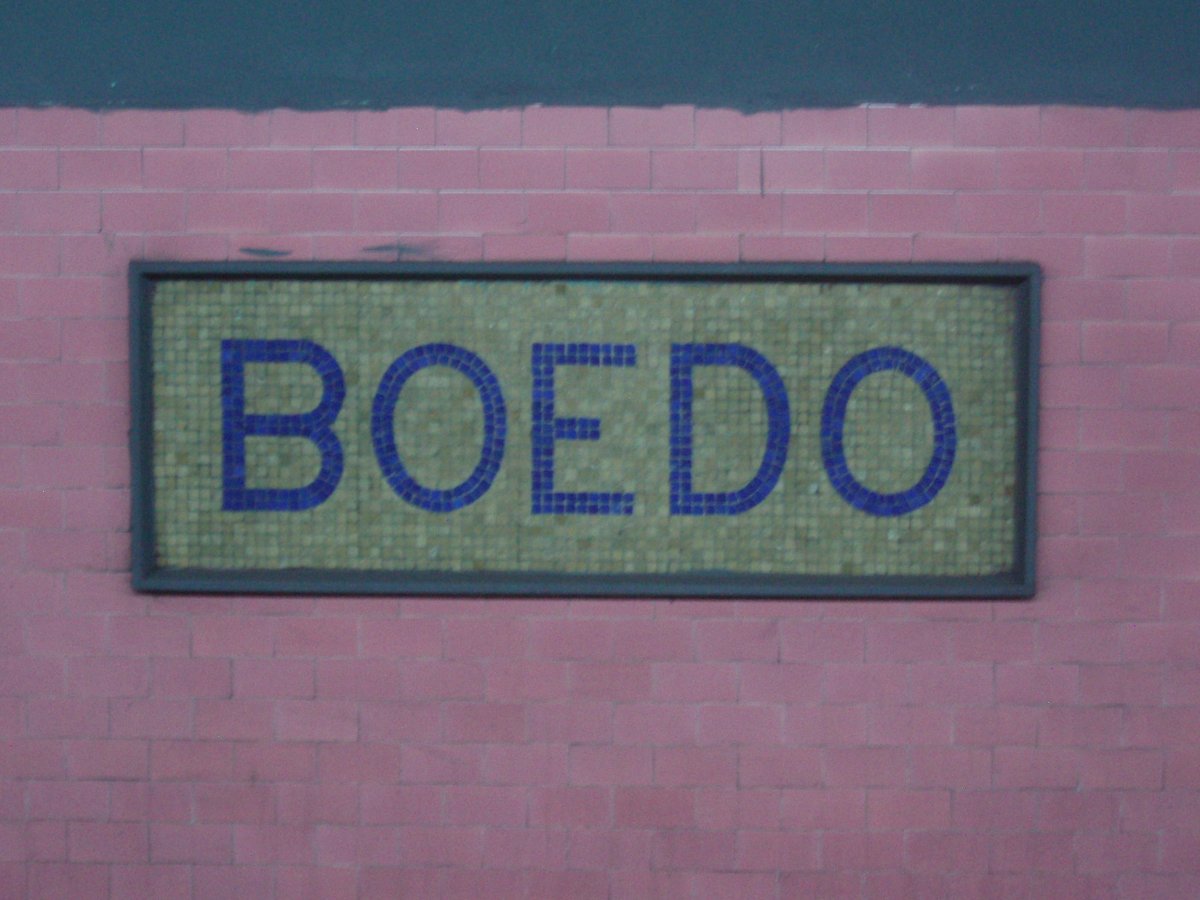
- Urban Art While Humberto I features modest mosaics and plaques, nearby stations like Santa Fe – Carlos Jáuregui display notable murals (turismo.buenosaires.gob.ar, trans-americas.com).
- Events The area frequently hosts cultural events, especially in June (AllEvents).
Safety and Practical Tips
- Safety Keep belongings secure, especially during peak hours. Stay aware of your surroundings and use front pockets or crossbody bags.
- Peak Hours Avoid 8:00–9:30 AM and 5:00–7:00 PM for a more comfortable experience.
- Language Most staff speak Spanish; use translation apps or learn basic phrases (thethoroughtripper.com).
- Accessibility Not all Subte lines are fully accessible—plan routes accordingly (wheelchairtravel.org).
- Tourist Etiquette Offer priority seating to those in need; be polite but direct when navigating crowds.
Frequently Asked Questions (FAQ)
Q: What are Humberto I station’s operating hours?
A: Generally from 5:00/5:30 AM to 11:00/11:30 PM on weekdays, with slightly shorter hours on weekends and holidays.
Q: How do I buy tickets?
A: Use a SUBE card (purchase and top-up at stations/kiosks) or contactless credit card at the turnstile.
Q: Is the station accessible?
A: Yes, with elevators, ramps, tactile paving, Braille signage, and adapted restrooms.
Q: How do I transfer between Line H and Line E?
A: Use the underground passage connecting Humberto I (Line H) to Jujuy (Line E) within the fare-paid area.
Q: What cultural attractions are nearby?
A: Explore San Cristóbal, Almagro, Balvanera, Avenida Jujuy, and urban art installations in nearby stations.