
Location and Accessibility
Address and Neighborhood
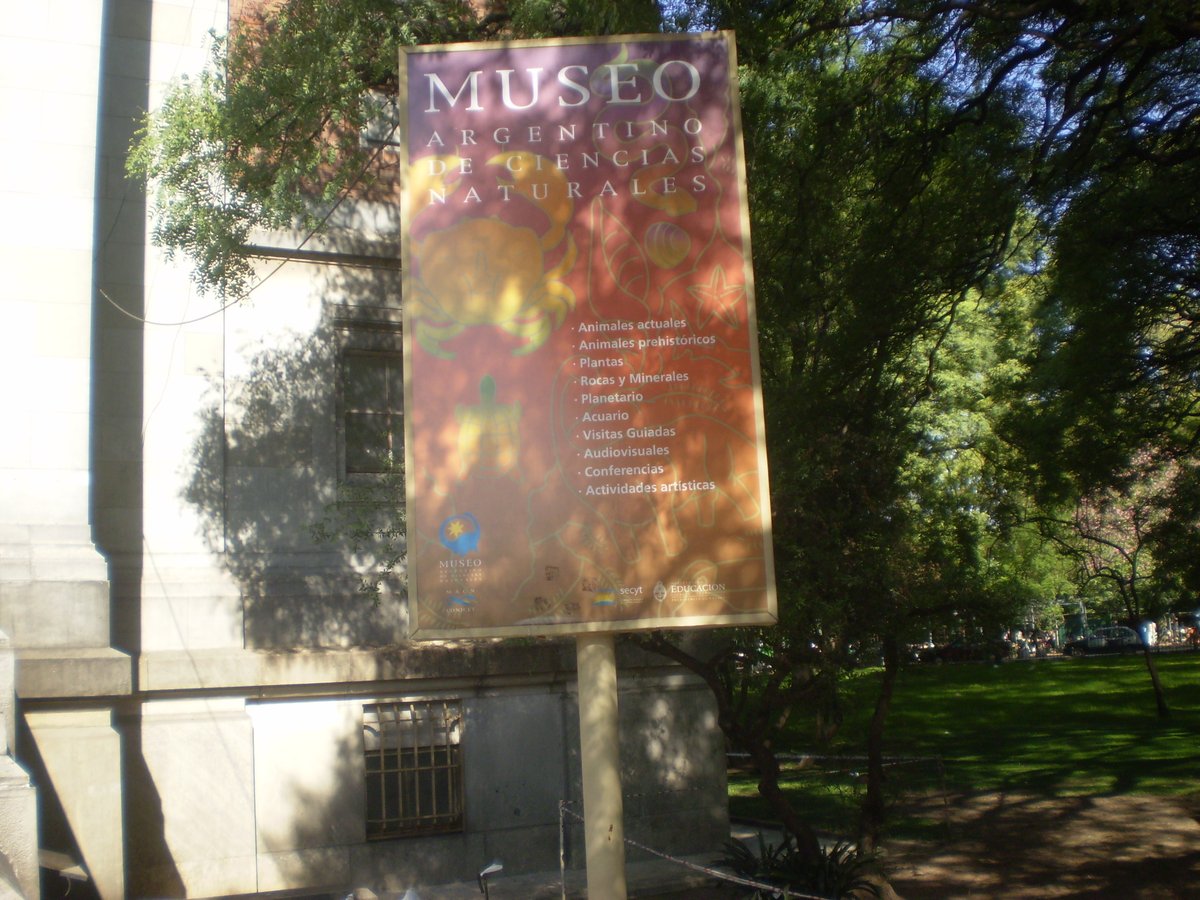
The museum is centrally located in Caballito, Buenos Aires, with its main entrance at Av. Ángel Gallardo 490. It sits within Parque Centenario, a historic urban park perfect for combining cultural exploration with outdoor leisure (turismo.buenosaires.gob.ar; whichmuseum.com). The area is renowned for its green spaces and vibrant local life, making it ideal for visitors seeking a complete Buenos Aires experience.
Getting There
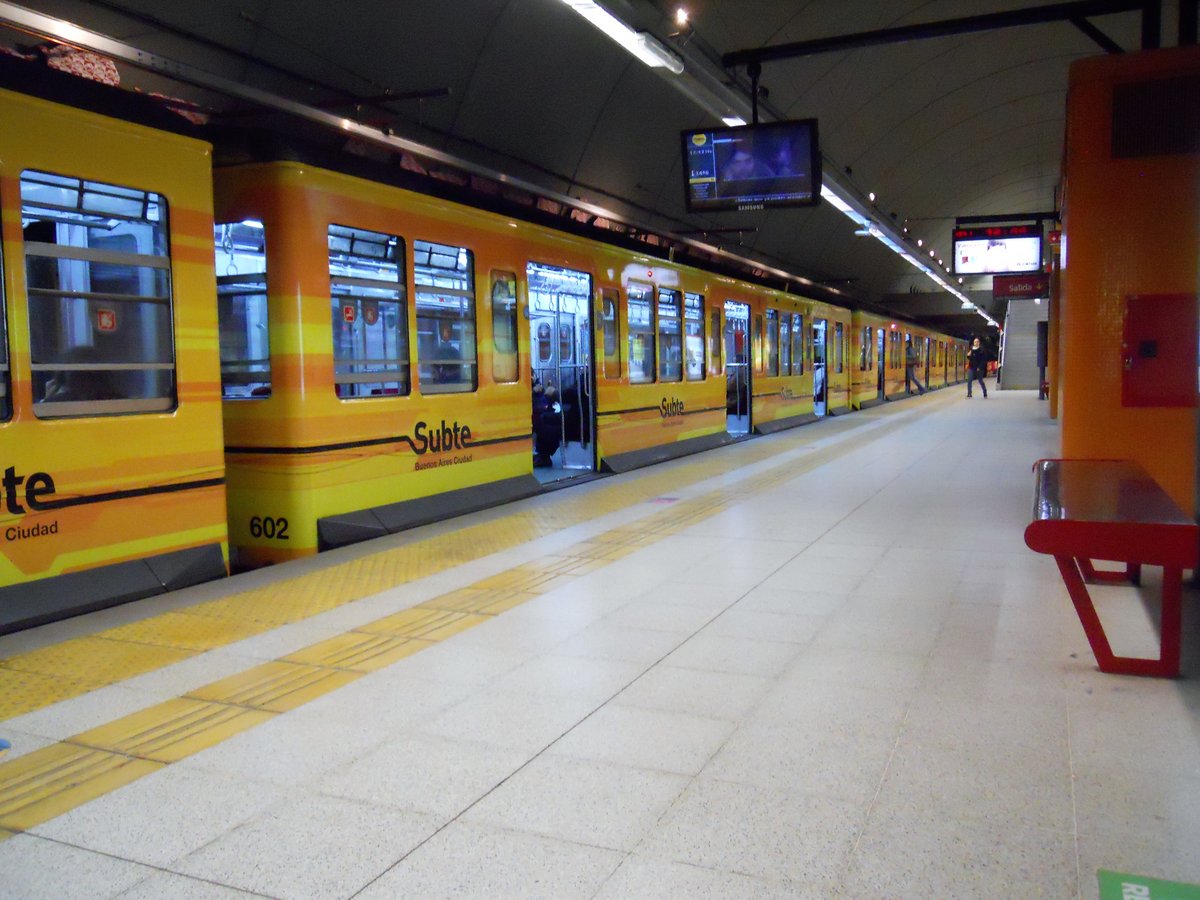
- Subway (Subte) The closest station is Ángel Gallardo (Line B), just steps from the entrance. Line A’s Río de Janeiro station is also within walking distance.
- Bus Multiple lines serve the area, including 15, 36, 55, 65, 92, 99, 105, 112, 124, 135, 141, and 146, connecting the museum to major neighborhoods (buenosairesfreewalks.com).
- Taxi/Rideshare Readily available throughout Buenos Aires; travel times from downtown are typically 15–25 minutes.
- Parking While there is no dedicated museum parking, street parking is available around Parque Centenario (often limited on weekends). The park is accessible for pedestrians and cyclists, with nearby Ecobici stations (wander-argentina.com).
Accessibility
The museum is fully accessible, featuring ramps, elevators, accessible restrooms, and accommodations for service animals. Cloakrooms are available for stowing bags and coats. Clear signage and helpful staff ensure an inclusive visit (expatpathways.com).
History and Significance
Founded in 1812, the MACN is the oldest natural history museum in Argentina and a pioneering institution in Latin America. It was established as part of Argentina’s early efforts to foster scientific research and education. Bernardino Rivadavia, a leading figure in the nation’s intellectual development, envisioned the museum as a repository for natural specimens and a center for scientific inquiry.
The current building, completed between 1925 and 1940, is an architectural landmark adorned with artworks by renowned artists such as Alfredo Bigatti. As part of CONICET and the Ministry of Science, Technology, and Innovation, the museum continues to be at the forefront of biodiversity research and conservation.
Visiting Hours and Tickets
- Opening Hours Tuesday to Sunday, 2:00 PM – 7:00 PM. Closed Mondays and select public holidays (Welcome Argentina).
- Ticket Prices Admission is affordable. Children under 6 (accompanied by an adult) enter free. Discounts are available for students, seniors, and groups. Exact prices may vary; check the official MACN website for current rates.
- Last Entry Visitors are encouraged to arrive at least one hour before closing.
Tickets can be purchased at the entrance or online. Online booking is recommended during weekends, busy seasons, or special events (WhichMuseum).
Museum Layout and Exhibits
Layout and Structure
The museum spans two main floors with mezzanines and specialized galleries, covering approximately 17,000 square meters (miBsAs.com).
Ground Floor:
- Main entrance, lobby, ticketing, cloakroom, café, and gift shop
- Major exhibition halls: Paleontology, Geology, and Mineralogy
First Floor:
- Zoology, Botany, and Entomology galleries
- Temporary exhibition halls
- Educational spaces and auditorium
Specialized Areas:
- Research laboratories, library, and archives (not open to the public)
Permanent Collections
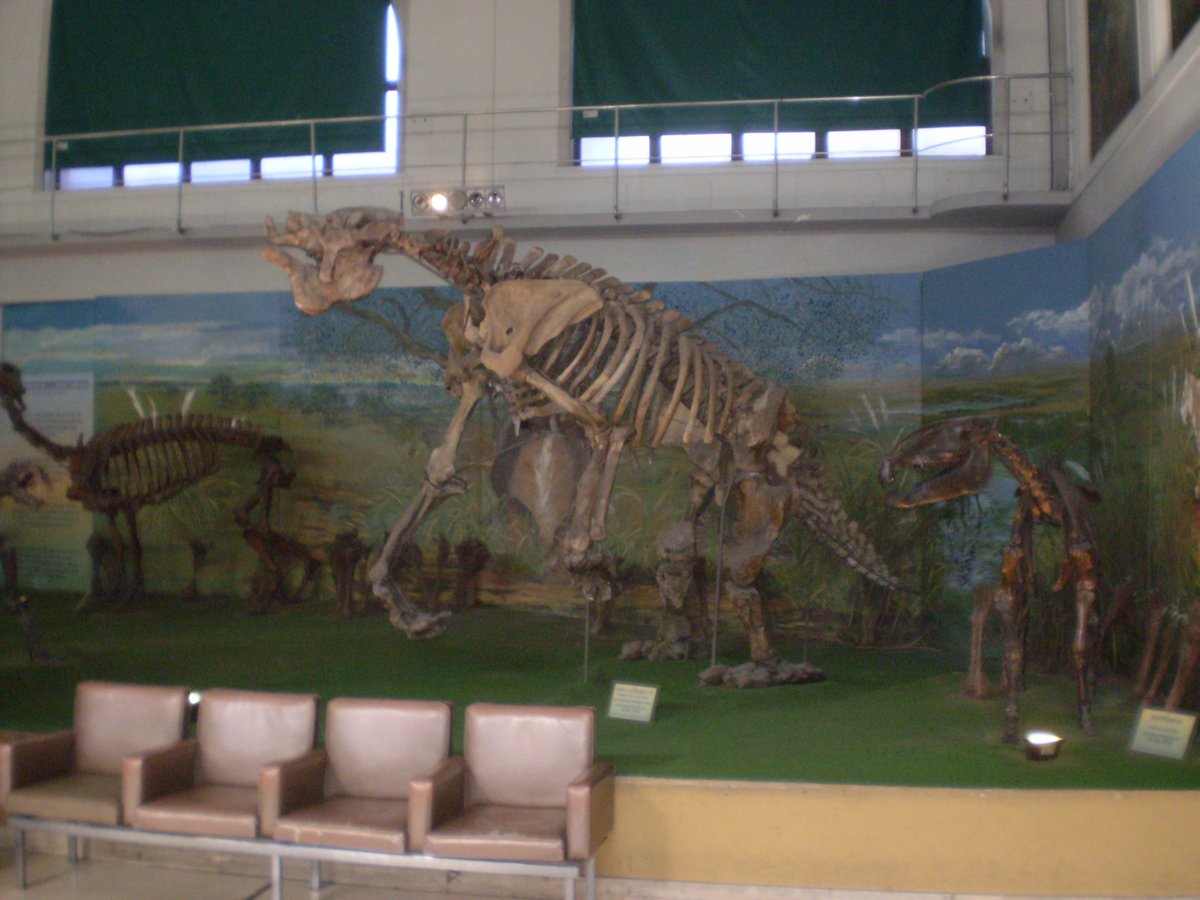
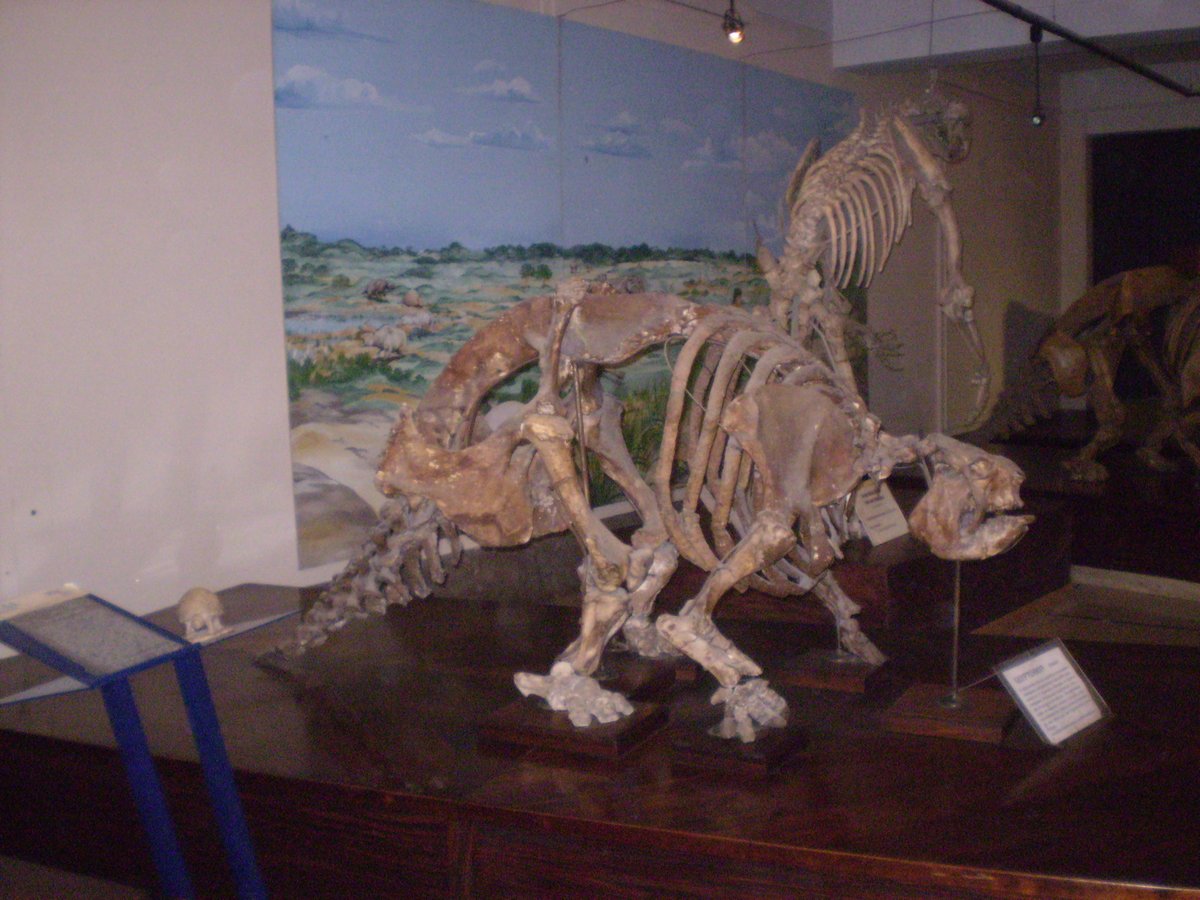
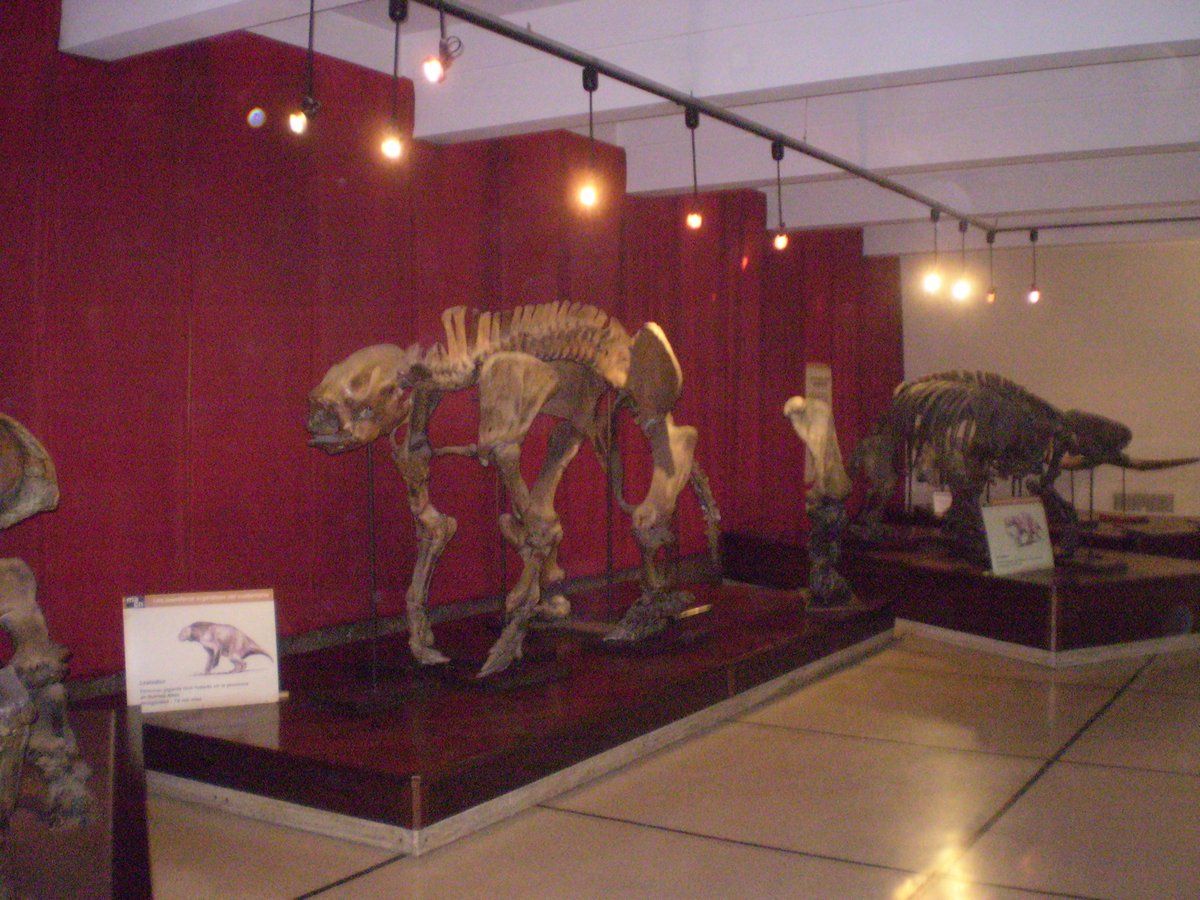
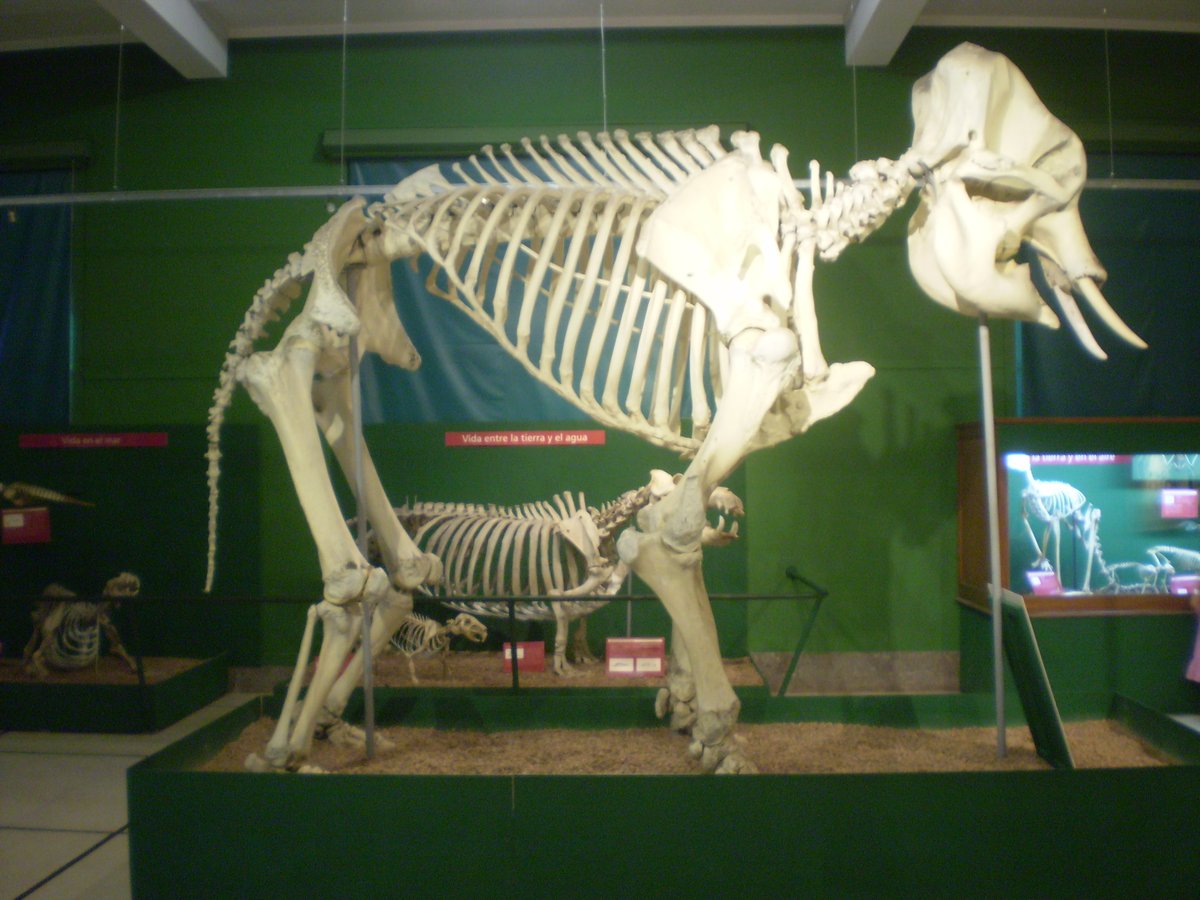
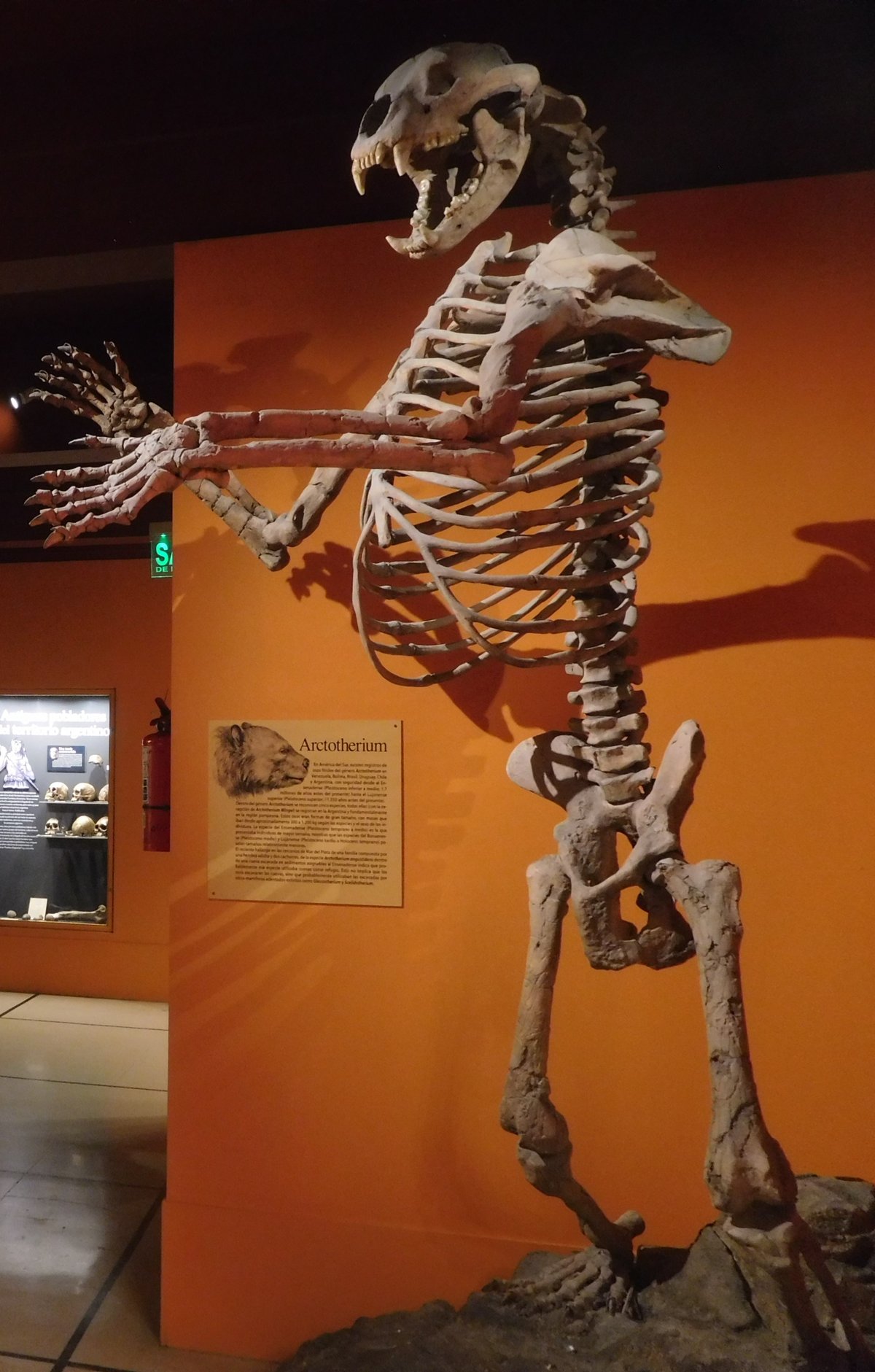
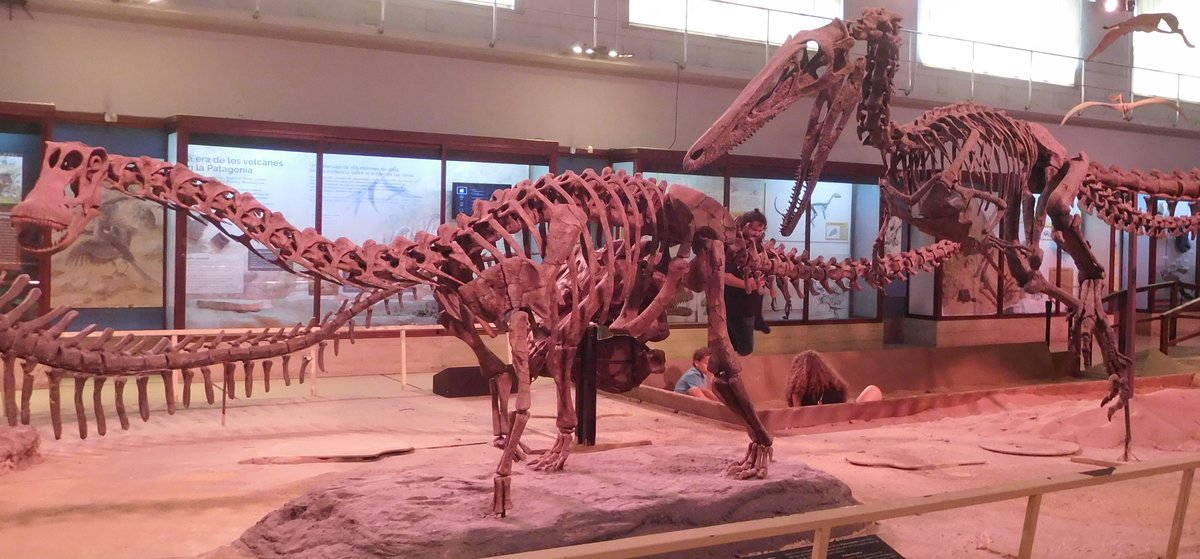
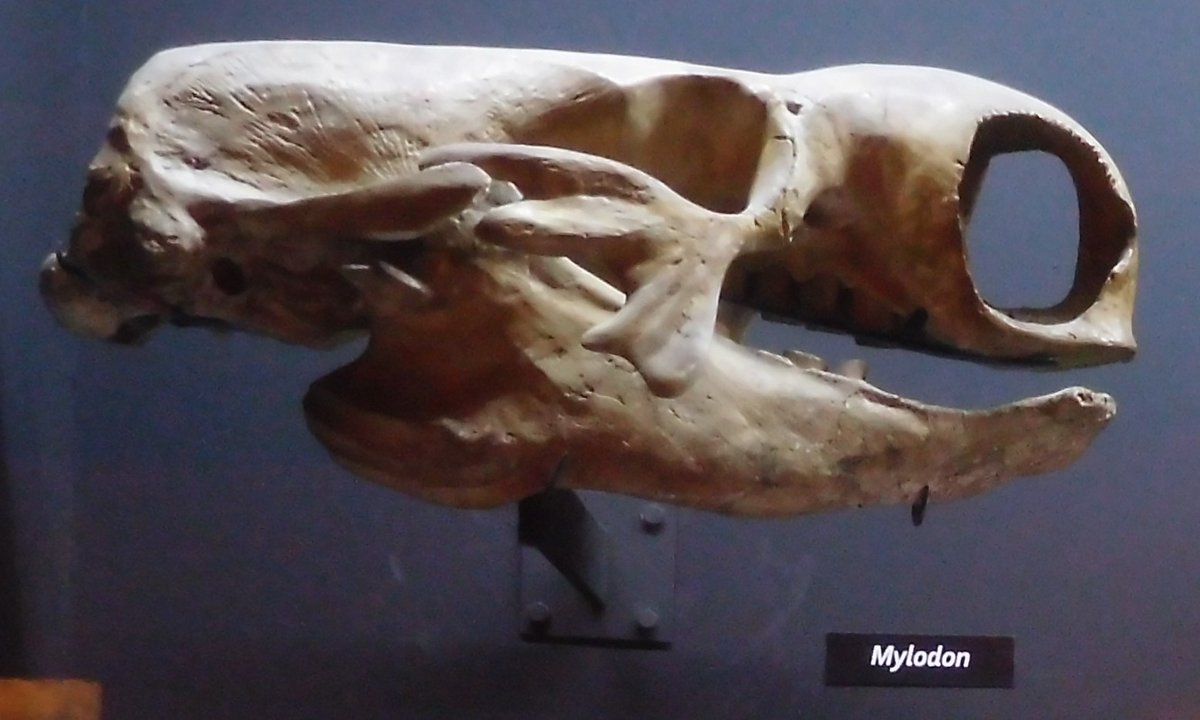
- Paleontology Life-sized dinosaur skeletons (Argentinosaurus, Carnotaurus), giant mammals (glyptodon, Megatherium), and marine reptiles. Interactive displays illustrate fossilization and paleontological research.
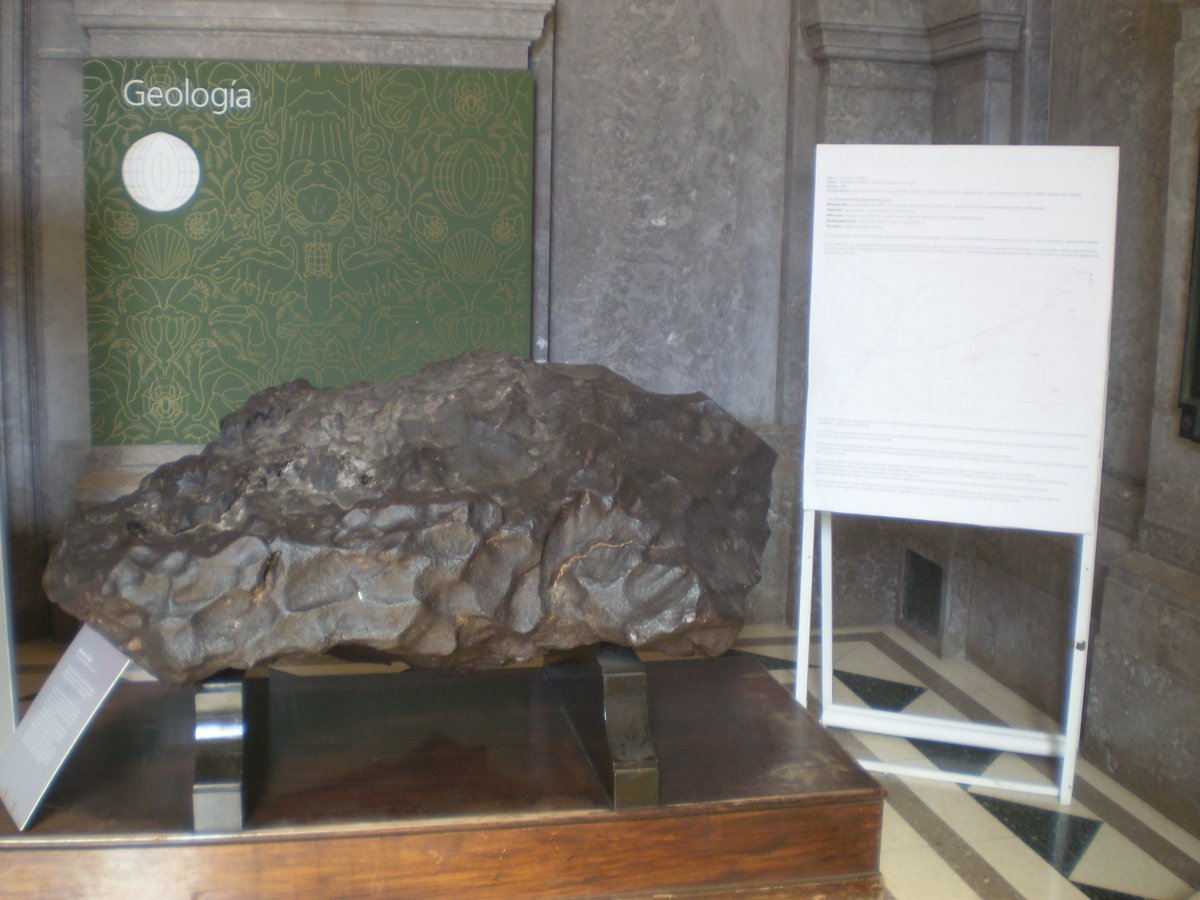
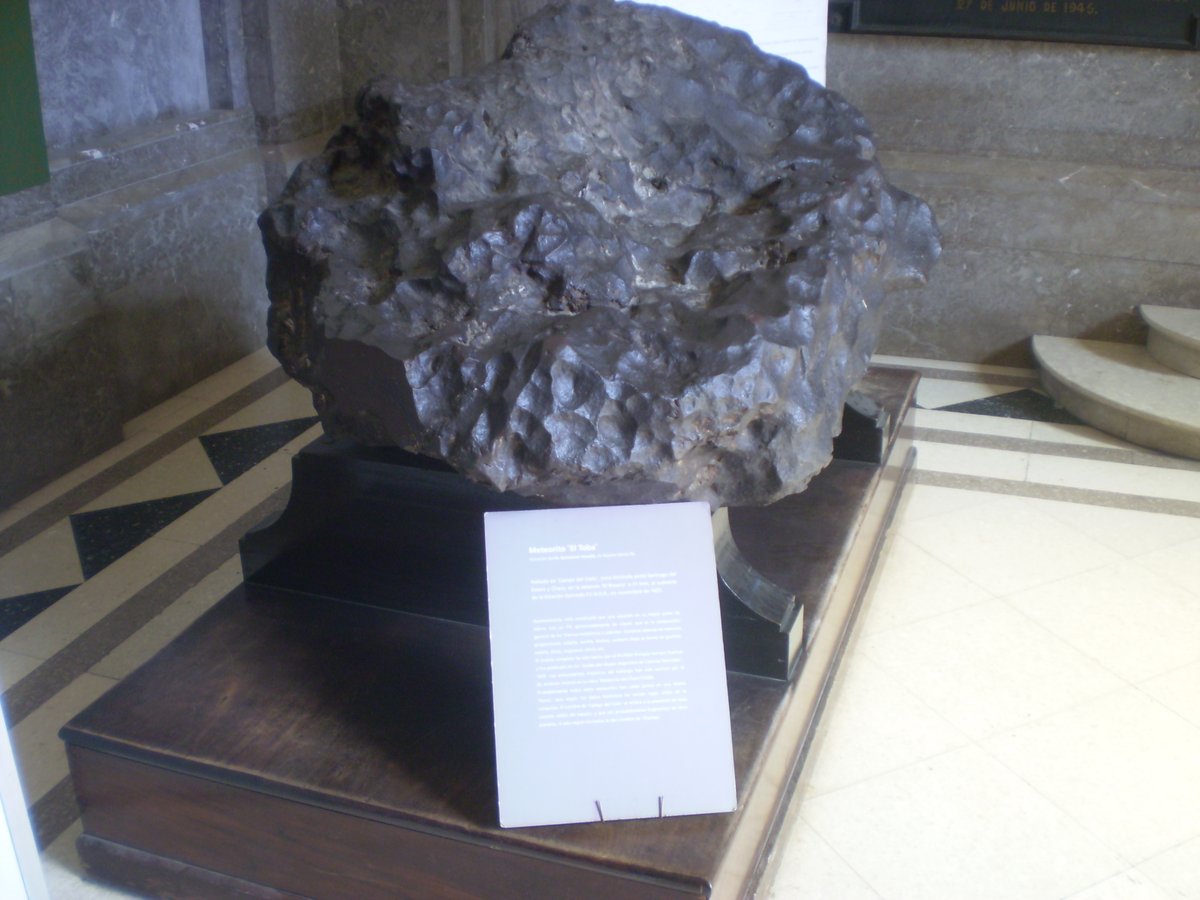
- Geology/Mineralogy Argentine minerals (quartz, amethyst, rhodochrosite), meteorite fragments from Campo del Cielo, and educational panels on geological processes.
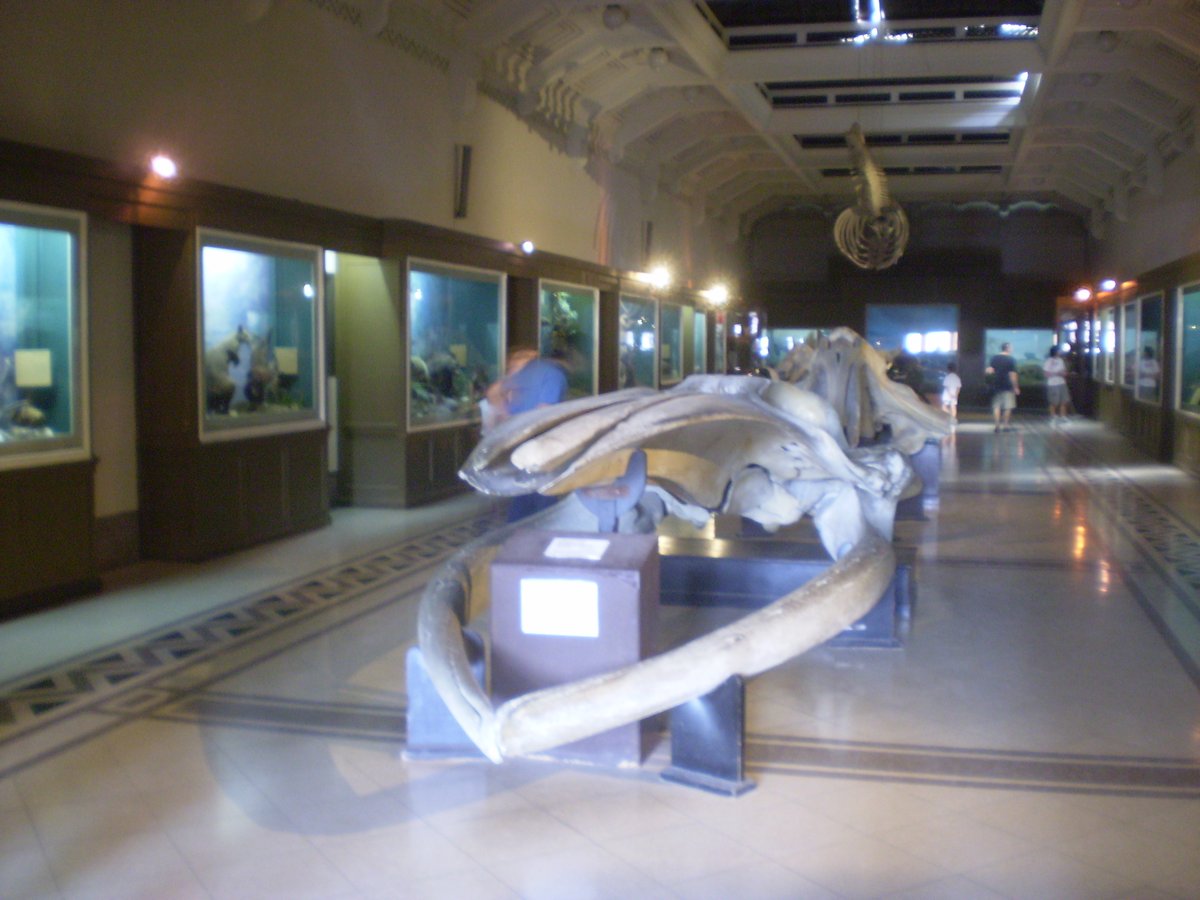
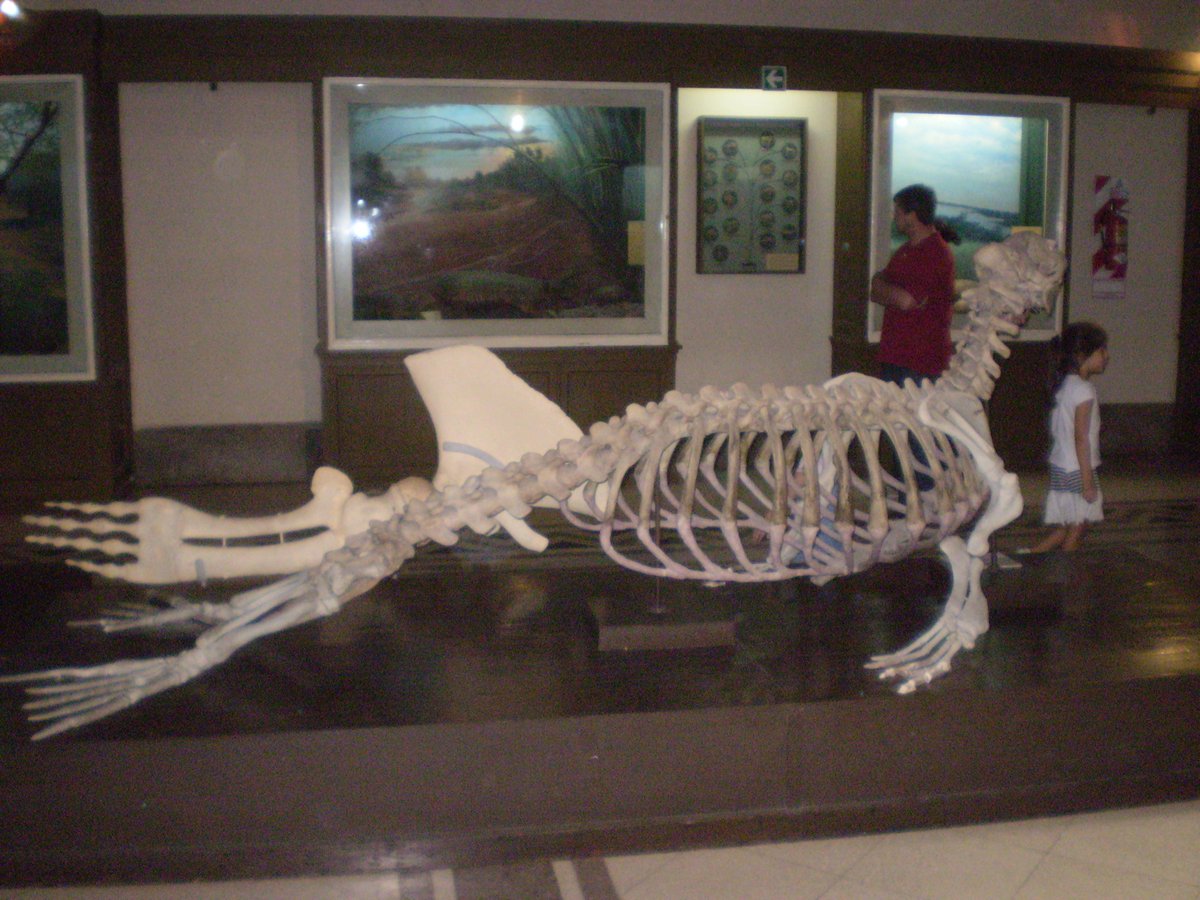
- Zoology Native mammals (jaguar, guanaco, armadillo), birds (Andean condor, penguin), reptiles, and marine life (fin whale skeleton).
- Botany Herbarium specimens, interactive modules on evolution and pollination, and ethnobotanical displays.
- Entomology Extensive insect collections (butterflies, beetles), occasional live displays, and educational modules.
Temporary Exhibitions
The museum regularly hosts temporary exhibitions on subjects like climate change, Antarctic research, and recent paleontological discoveries (MACN Official Site).
Guided Tours and Special Events
- Guided Tours Offered in Spanish on weekends, with some English assistance. Tours provide in-depth exploration of major exhibits.
- Workshops and Educational Activities Regularly scheduled for both children and adults, including fossil digs and lectures.
- Special Events The museum participates in “La Noche de los Museos” and other cultural festivals, often with extended hours and special programming.
Facilities and Visitor Amenities
- Restrooms Accessible restrooms are available on each floor.
- Café Offers snacks and beverages (no eating in exhibition halls).
- Gift Shop Books, educational toys, and souvenirs.
- Library and Auditorium Spaces for lectures, workshops, and public events.
- Wi-Fi Free in public areas.
- Cloakroom For storing large items and coats.
Travel Tips and Nearby Attractions
- Best Times Weekday afternoons are quieter; weekends are livelier but busier.
- Photo Opportunities Main entrance, dinosaur and marine life exhibits, and Parque Centenario’s landscapes.
- Duration Allocate 1.5 to 3 hours for a visit; families may want extra time for interactive areas.
- Food Options Numerous cafés and restaurants nearby on Av. Díaz Vélez and Av. Corrientes.
Nearby Attractions
- Parque Centenario Ideal for walks, picnics, playgrounds, open-air markets, and cultural events.
- Other Museums Museo de los Niños (children’s museum) and Leloir Museum are within reach.
- Neighborhood Exploration Caballito is rich in historical architecture, local markets, and bookstores.
Frequently Asked Questions (FAQ)
Q: What are the museum’s visiting hours?
A: Tuesday to Sunday, 2:00 PM–7:00 PM. Closed Mondays and select holidays.
Q: How much are tickets?
A: Admission is affordable, with free entry for children under 6. Check the official website for current prices.
Q: Is the museum wheelchair accessible?
A: Yes, with ramps, elevators, and accessible restrooms.
Q: Are guided tours available?
A: Yes, primarily in Spanish, with some English-language support.
Q: Can I take photographs?
A: Yes, non-flash photography is permitted in most areas; confirm restrictions with staff.
Q: Is the museum suitable for children?
A: Absolutely. Interactive exhibits and workshops are designed for young visitors.