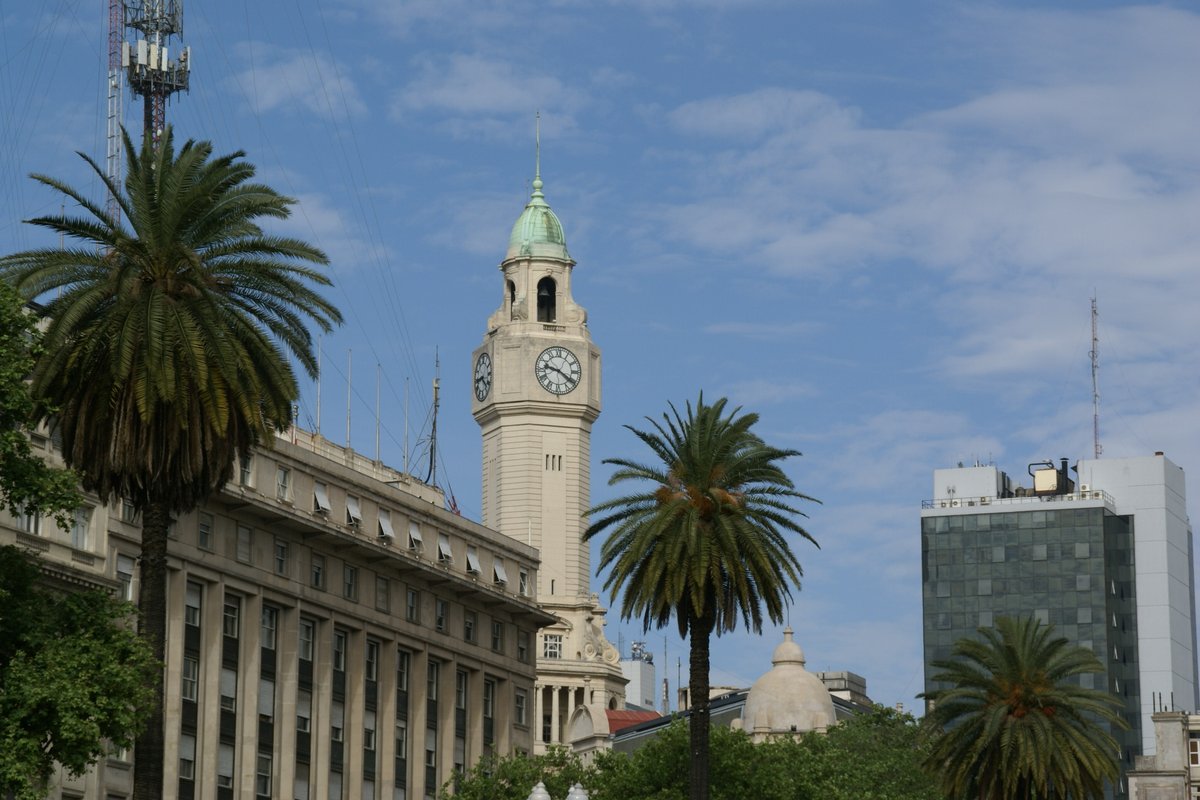
Welcome to UCA
The Pontifical Catholic University of Argentina (Universidad Católica Argentina, UCA) is in Buenos Aires’ Puerto Madero district. Established in 1958, it is an academic institution as well as a cultural and architectural landmark. Its campus brings together academic tradition, contemporary urban architecture, and Catholic heritage.
History
UCA was established in 1958 and has earned a reputation for academic rigor and public engagement. The modern campus opened in 1996 along the River Plate esplanade.
Campus Highlights and Attractions
UCA’s Puerto Madero campus combines contemporary design with its academic and religious life. Highlights include:
- Edificio Santa María de los Buenos Aires This building exemplifies UCA’s blend of tradition and modernity. It houses key administrative offices, lecture halls, and the university chapel. Its architecture combines classical and contemporary elements.
- Campus Church Visitors can attend regular services or enjoy the quiet atmosphere of the church, which reflects UCA’s Catholic heritage.
- Library and media studios The campus has an open-shelf library and TV and radio studios.
- Dining and facilities There are four cafeterias, on-campus banking, and health services.
Edificio Santa María de los Buenos Aires
History and Significance
The Edificio Santa María de los Buenos Aires is a prominent landmark within Buenos Aires. Its chapel serves as a spiritual center for students and visitors.
Visiting Hours and Admission
- Campus hours Open to the public Monday–Friday, 8:00 AM–7:00 PM.
- Edificio Santa María hours Open Monday–Friday, 9:00 AM–6:00 PM.
- Admission Free access to public areas, including the library, exhibition spaces, and campus church. Admission to the Edificio Santa María is also free. Special areas or academic events may require permission or advance booking.
- Guided tours Available by reservation through the official website. Tours are available in Spanish and English, last approximately 60 minutes, and cover the chapel, historical areas, and selected lecture halls. Advance booking is recommended.
Visitor Information
The Edificio Santa María has ramps, elevators, and accessible restrooms. Notify staff in advance if assistance is needed. Photography is allowed in public spaces; avoid flash in the chapel and respect privacy during events.
Getting There and Accessibility
UCA’s main campus is at Avenida Alicia Moreau de Justo 1300 in Puerto Madero. It is accessible by city bus and subway, and can be reached on foot from nearby attractions. Parking is limited; public transit or ridesharing is recommended.
The campus has ramps, elevators, and interconnected buildings for visitors with disabilities. Public buildings and restrooms are accessible.
Getting There
The Edificio Santa María is at Avenida Alicia Moreau de Justo 1300 and can be reached by public transport or on foot from nearby attractions.
Special Events and Cultural Activities
UCA hosts public lectures, exhibitions, concerts, and cultural events across a range of disciplines. The event calendar provides listings for visitors.
Plan Your Visit
For current information, guided-tour reservations, and event listings, consult the UCA Official Visitor Information and Buenos Aires Tourist Information. Follow UCA on Facebook and Instagram for news and updates.
Photography Tips
- Best lighting Visit during golden hour—sunrise or sunset—for photographs along the river.
- Architectural contrasts Capture the contrast between the modern campus buildings and the natural landscape.
- Respectful photography Photography is permitted in public areas. Ask permission before photographing individuals or taking photographs during services or events.
Tips for Visiting
- Best times Weekdays during academic hours; avoid exam periods and university holidays.
- Dress code Modest attire is recommended, especially for chapel visits.
- Language support English tours are available; request one in advance.
- Events Check UCA’s website for special events, concerts, and exhibitions.
Nearby Attractions
UCA’s Puerto Madero location puts it close to Puente de la Mujer, an iconic pedestrian bridge by Santiago Calatrava; the waterfront parks and Costanera Sur Ecological Reserve, suitable for nature walks and birdwatching; and the San Telmo neighborhood, known for colonial architecture and vibrant markets. Museums and renowned restaurants offer opportunities to experience Buenos Aires’ cultural and culinary scene.
The Obelisk of Buenos Aires: A Travel Highlight
The Obelisk (El Obelisco), a signature symbol of Buenos Aires, was erected in 1936 to mark the city’s 400th anniversary. It stands at Plaza de la República and is open to visitors 24/7, with free access. Interior access is limited to special tours; the exterior is a popular photo spot and meeting place.
- Getting there The Obelisk is at the intersection of Avenida 9 de Julio and Avenida Corrientes. It is accessible by subway lines B, C, and D, and by bus.
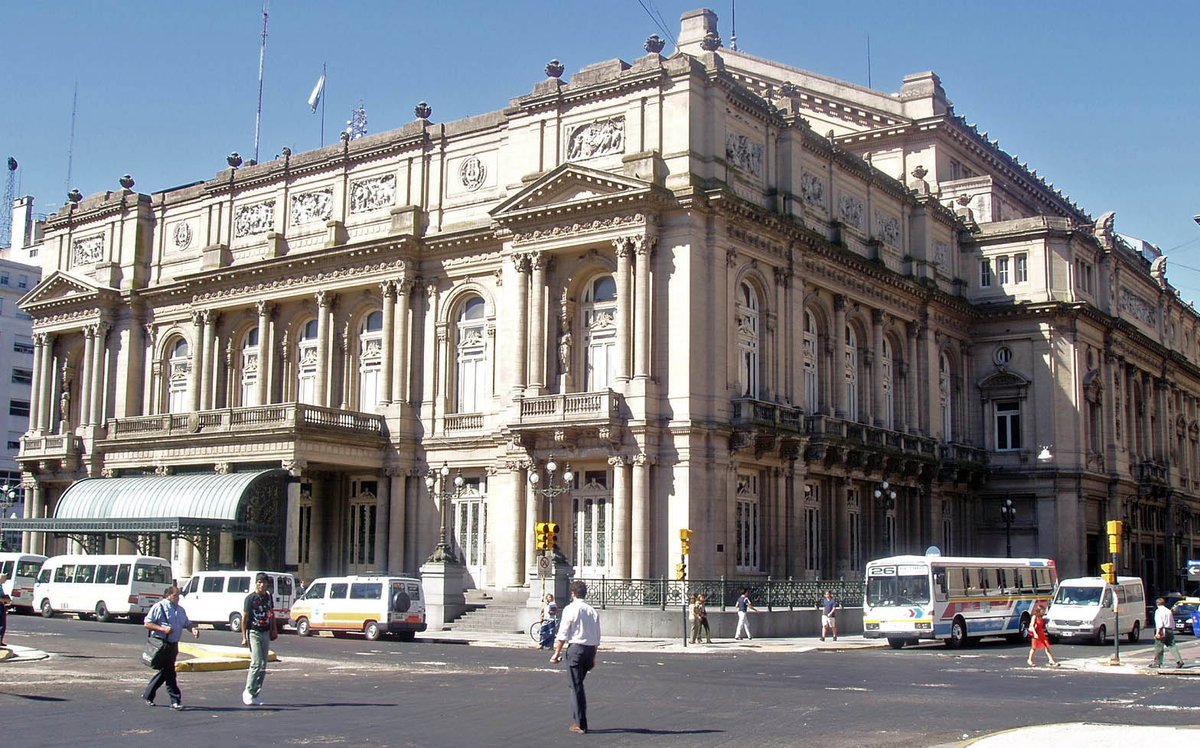
- Nearby attractions Teatro Colón, Plaza de Mayo, and Florida Street.
- Accessibility The area is pedestrian-friendly and wheelchair accessible.
- Photography Visit during the day for street scenes or at night, when the Obelisk is illuminated.
For tour information, visit Buenos Aires City Tourism.
The Buenos Aires Metropolitan Cathedral: Visitor Guide
Located in Plaza de Mayo, the Buenos Aires Metropolitan Cathedral (Catedral Metropolitana de Buenos Aires) is the city’s principal Catholic church and a national historical monument. Dating to the 16th century, it has a neoclassical façade, baroque interiors, and the tomb of national hero General José de San Martín.
- Hours Monday–Friday, 7:00 AM–7:00 PM; weekends, 8:00 AM–8:00 PM.
- Admission Free; donations are appreciated.
- Guided tours Offered daily in English and Spanish at 10:00 AM and 4:00 PM; booking is recommended.
- Nearby Plaza de Mayo, Casa Rosada, Cabildo Museum, and Café Tortoni.
- Accessibility The main entrance is wheelchair accessible.
For more information, visit the Buenos Aires City Tourism website.
Summary and Next Steps
A visit to UCA combines academic life, architecture, spiritual reflection, and cultural exploration. Visitors can explore the modern campus and the Edificio Santa María de los Buenos Aires, or extend their Buenos Aires itinerary to landmarks such as the Obelisk and Metropolitan Cathedral. Check official sources for current hours and tour availability, book guided tours in advance, and follow UCA and Buenos Aires tourism channels for event updates. Start your journey at UCA to explore Buenos Aires’ heritage, culture, and learning.
Frequently Asked Questions (FAQ)
Q: Is there an entrance fee?
A: No. Admission to public areas and the Edificio Santa María is free.
Q: Are guided tours available?
A: Yes. Advance booking is recommended.
Q: Is the campus accessible for visitors with disabilities?
A: Yes. Public buildings and restrooms are accessible.
Q: Can I take photographs?
A: Photography is allowed in public areas. Ask permission before photographing individuals or during private events.
Q: Can I attend classes or lectures?
A: Public lectures and events are open to visitors if they are pre-registered or open to the public.