
About Juan Ramón Balcarce and His Legacy
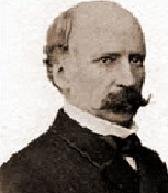
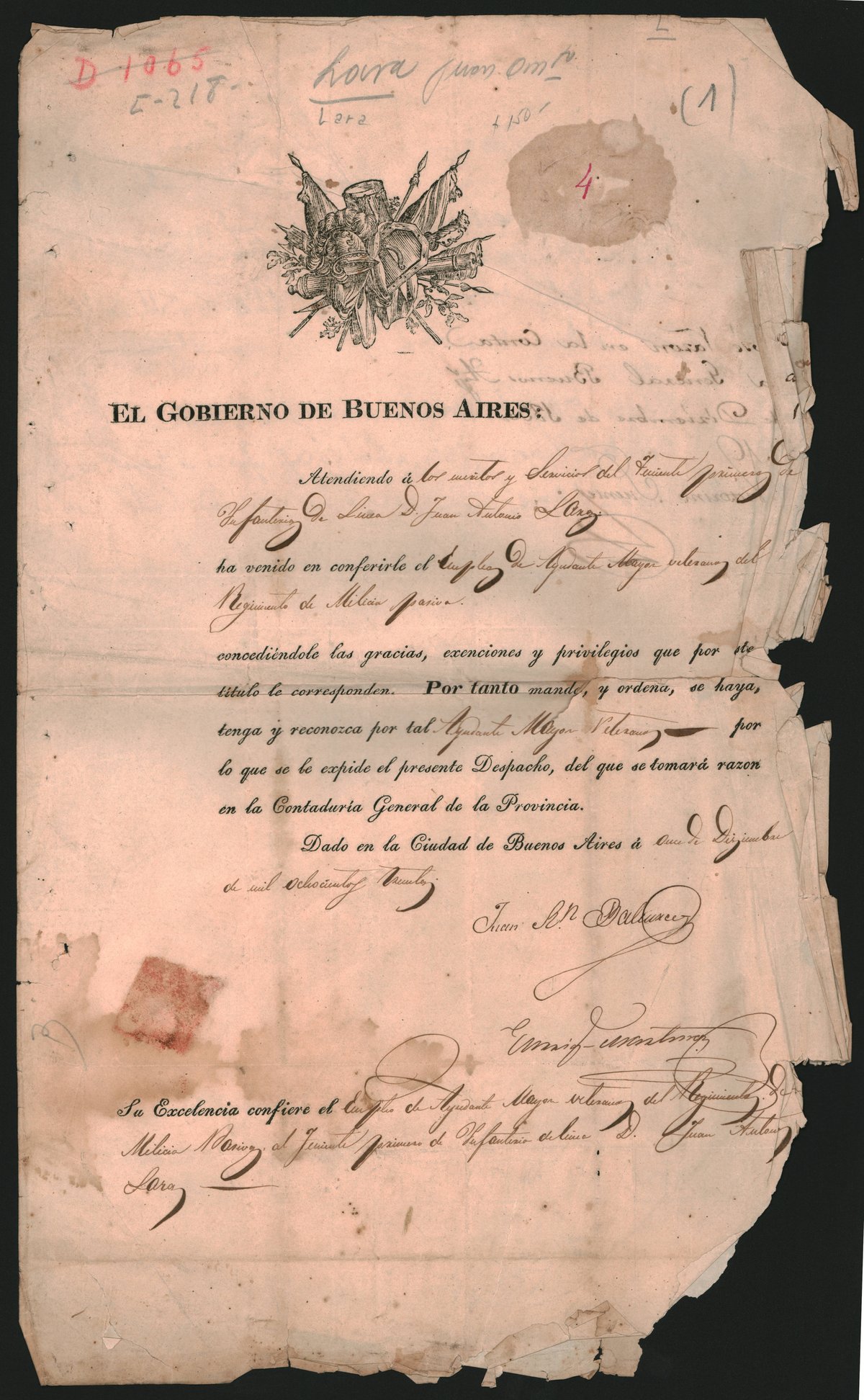
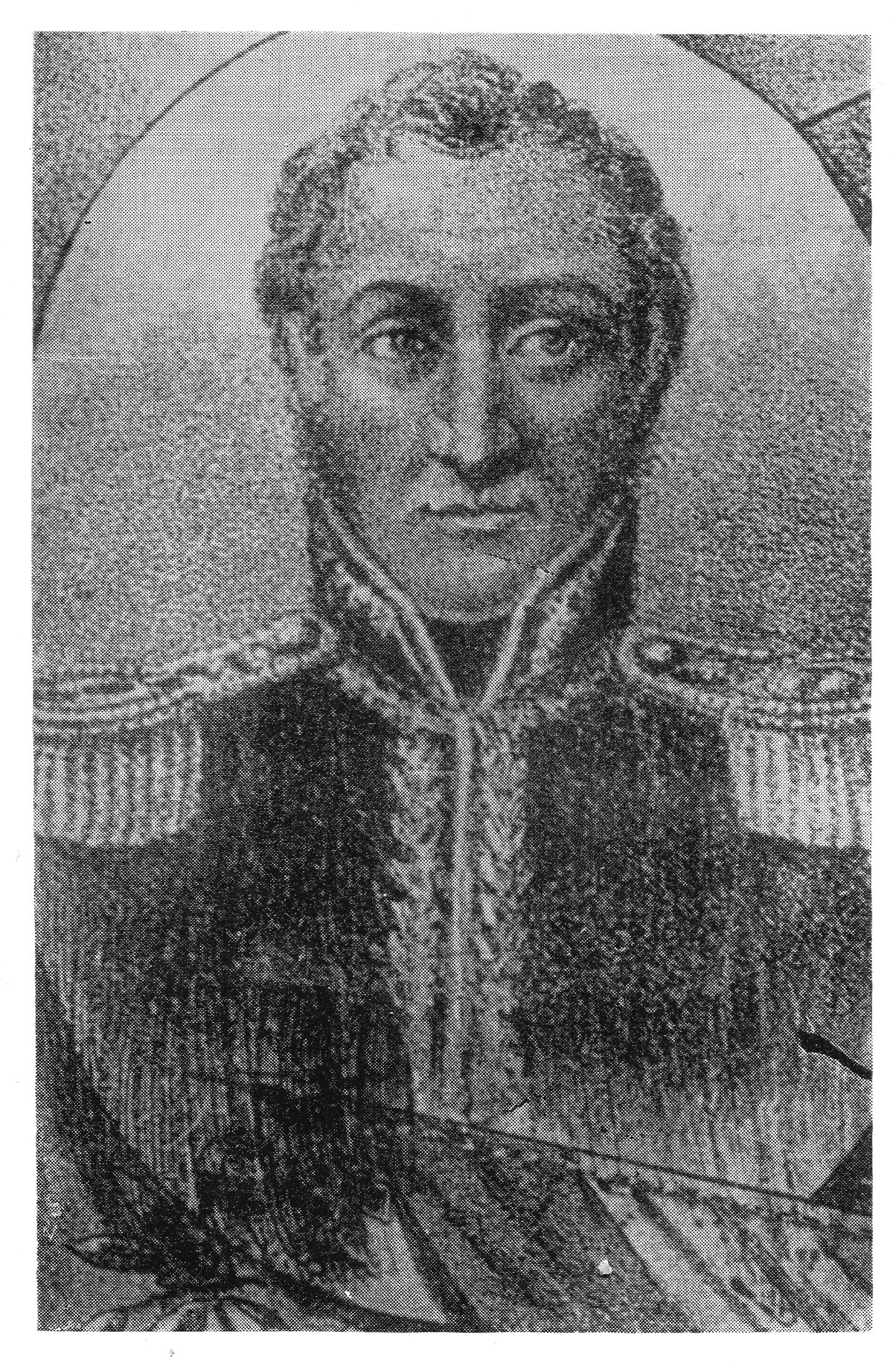
Juan Ramón Nepomuceno González de Balcarce was a leading military officer during Argentina’s struggle for independence and later became governor of Buenos Aires Province. His brief administration was marked by efforts to stabilize the city amid political turbulence between Federalists and Unitarians. Though overthrown after the Revolution of the Restorers, Balcarce’s role in shaping the early republic is commemorated through monuments, plaques, and place names across Buenos Aires (archive.org).
Visiting the Juan Ramón Balcarce Monument
Location and How to Get There
The monument is situated in the Balcarce neighborhood of Buenos Aires. It is easily reachable by:
- Subway Line C to Constitución station, followed by a short walk or bus ride.
- Bus Multiple lines serve the area; consult local transit apps for routes.
- Car While parking is available, public transit is recommended due to city congestion.
For a detailed map, visit the Buenos Aires official tourism website.
Visiting Hours and Ticket Information
- Hours Open daily, 8:00 AM to 8:00 PM.
- Admission Free; no tickets required.
- Guided Tours Offered on weekends at 10:00 AM and 3:00 PM. Booking is recommended via the city’s tourism office.
Accessibility
The monument and adjacent park are wheelchair accessible, featuring paved paths and ramps. Accessible restrooms are available nearby.
What to Expect and Photography Tips
- A well-maintained statue, informational plaques, and landscaped gardens.
- Benches and shaded areas for relaxation.
- Optimal photography is during early morning or late afternoon for softer lighting.
- Always respect any posted photography restrictions.
Special Events
Cultural events and commemorations are held at the monument on national holidays such as Independence Day (July 9). Refer to the city’s tourism calendar for updates.
Calle Balcarce: History, Culture, and Visitor Tips
Historical Context and Political Legacy
Calle Balcarce, in the heart of San Telmo, is named for the influential general and governor. Balcarce’s leadership during the early 19th century coincided with intense political strife, especially between Buenos Aires’ Federalists and Unitarians. His administration exemplified the era’s volatility, ending with his ousting and the return of Juan Manuel de Rosas (Britannica).
Commemoration and Urban Significance
Balcarce’s name endures in the urban landscape—Calle Balcarce is one of Buenos Aires’ oldest streets, lined with colonial architecture, antique shops, tango bars, and vibrant cafes. The street is integral to the city’s identity, evoking the spirit of 19th-century Buenos Aires and serving as a living museum (Secrets of Buenos Aires).
Cultural and Social Impact
San Telmo and Calle Balcarce are hubs for cultural activities. The area is renowned for its tango venues (notably El Viejo Almacén at Balcarce 799), bustling markets, and art galleries. The neighborhood’s lively atmosphere is a testament to Buenos Aires’ enduring cultural heritage (The Broke Backpacker).
Practical Visitor Tips
- Access Calle Balcarce is a public thoroughfare, open 24/7 and free to enter.
- Getting There Take Subte Line C (San Juan station) or buses; the street runs parallel to Defensa in San Telmo.
- Best Times Visit in the evening for tango shows or Sundays for the San Telmo Feria.
- Accessibility Cobblestone paving may pose challenges for wheelchair users; some venues are accessible, so check ahead.
- Language & Currency Spanish is primary; Argentine peso (ARS) is standard. Cash is preferred at markets.
- Safety The area is safe by day. Use usual precautions after dark.
- Etiquette Porteños are expressive—greet with a kiss on the cheek and engage with locals for a richer experience.
Nearby Attractions
While exploring Balcarce-related sites, consider these nearby highlights:
- Casa Rosada (Balcarce 50/78) The iconic presidential palace, open for free, guided tours on weekends/public holidays (advance booking required) (Casa Rosada).
- Plaza de Mayo The city’s political heart, open 24/7, with monuments and frequent public events.
- San Telmo Market A national historic monument with antiques, food, and crafts—especially lively on Sundays.
- Palacio Barolo Architectural marvel inspired by Dante’s Divine Comedy, offering guided tours and panoramic city views.
- Museo Nacional del Cabildo y de la Revolución de Mayo Historic museum adjacent to Plaza de Mayo, open Tuesday–Sunday.
- Recoleta Cemetery Not directly linked to Balcarce, but a must-see for its elaborate mausoleums and Argentine history.
Suggested Itinerary for History Enthusiasts
- Morning Walk Calle Balcarce in San Telmo, visiting antique shops and historic cafés.
- Midday Explore Plaza Dorrego and San Telmo Market.
- Afternoon Tour Plaza de Mayo, Casa Rosada, and the Cabildo.
- Evening Attend a tango show at El Viejo Almacén or dine in a traditional parrilla.
Frequently Asked Questions (FAQ)
Q: Is there an entrance fee for the monument or Calle Balcarce?
A: No, both are freely accessible public sites.
Q: What are the opening hours for the monument?
A: 8:00 AM to 8:00 PM daily.
Q: Are guided tours available?
A: Yes, weekend tours for the monument (book ahead); walking tours for San Telmo and Calle Balcarce are widely available.
Q: Is the area wheelchair accessible?
A: The monument and major attractions offer accessibility, though cobblestone streets may pose difficulties.
Q: How do I book Casa Rosada tours?
A: Reserve free tickets in advance through the official website.
Q: What is the best time of year to visit?
A: Spring (September–November) and autumn (March–May) for mild weather.