

Discover Sinclonnison - Visiting Hours, Tickets, and Historical Significance in Madrid
Early Beginnings
Sinclonnison's history dates back to the early medieval period when it was a small settlement that gained prominence due to its strategic location near the Manzanares River. By the 9th century, it had become a significant hub for trade and commerce.
Medieval Era
Part of the Kingdom of Castile during the medieval period, Sinclonnison flourished under King Alfonso VI after the reconquest of Madrid in 1085. The district's medieval architecture, including several churches and fortifications, stands as a testament to its historical significance.
Renaissance and Baroque Periods
The Renaissance brought cultural and architectural advancements to Sinclonnison. Notable structures from this era include the Church of San Andrés, showcasing Gothic and Renaissance styles. The Baroque period added grand palaces and public buildings, enriching the district's architectural landscape.
19th Century - Industrialization and Modernization
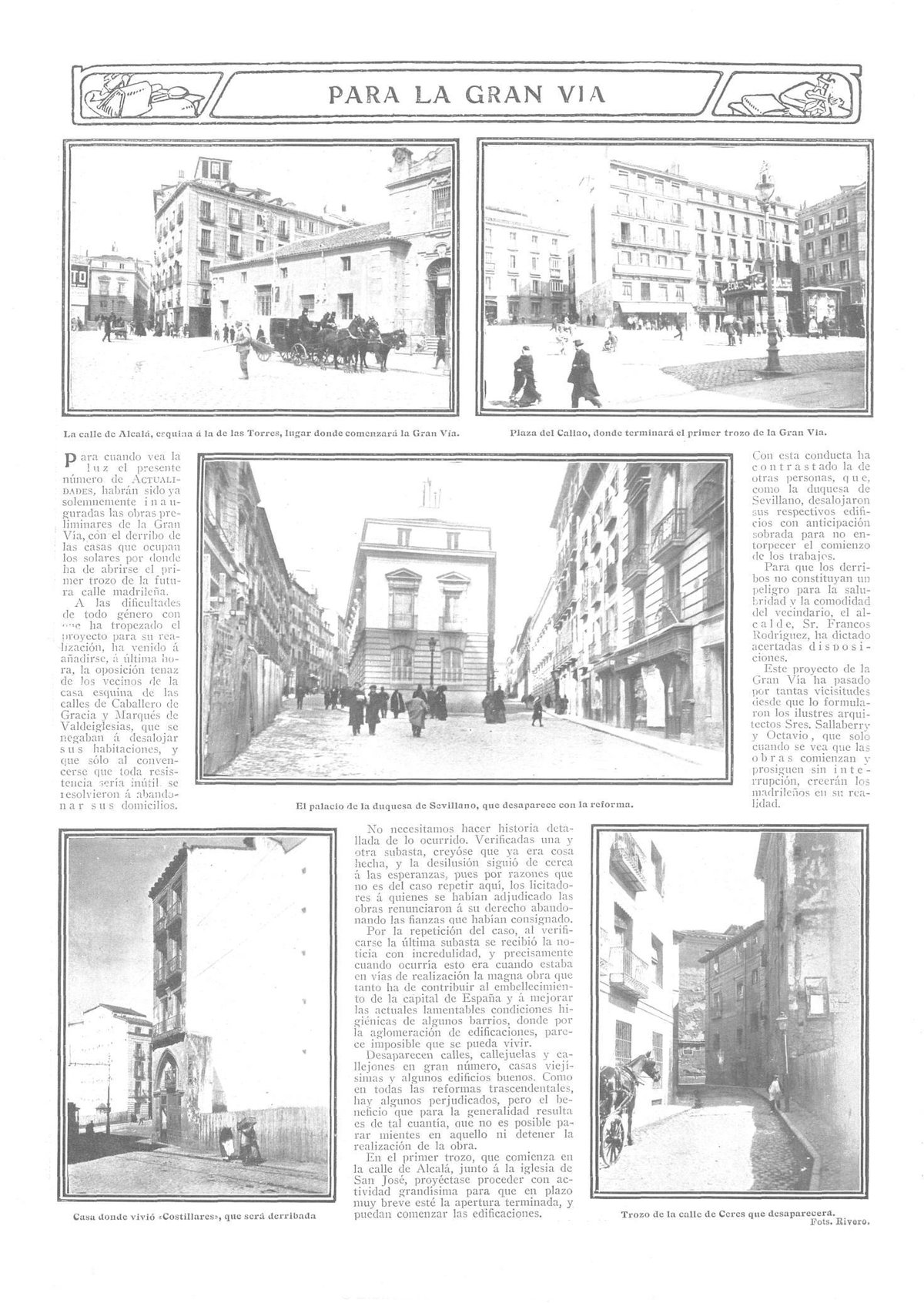
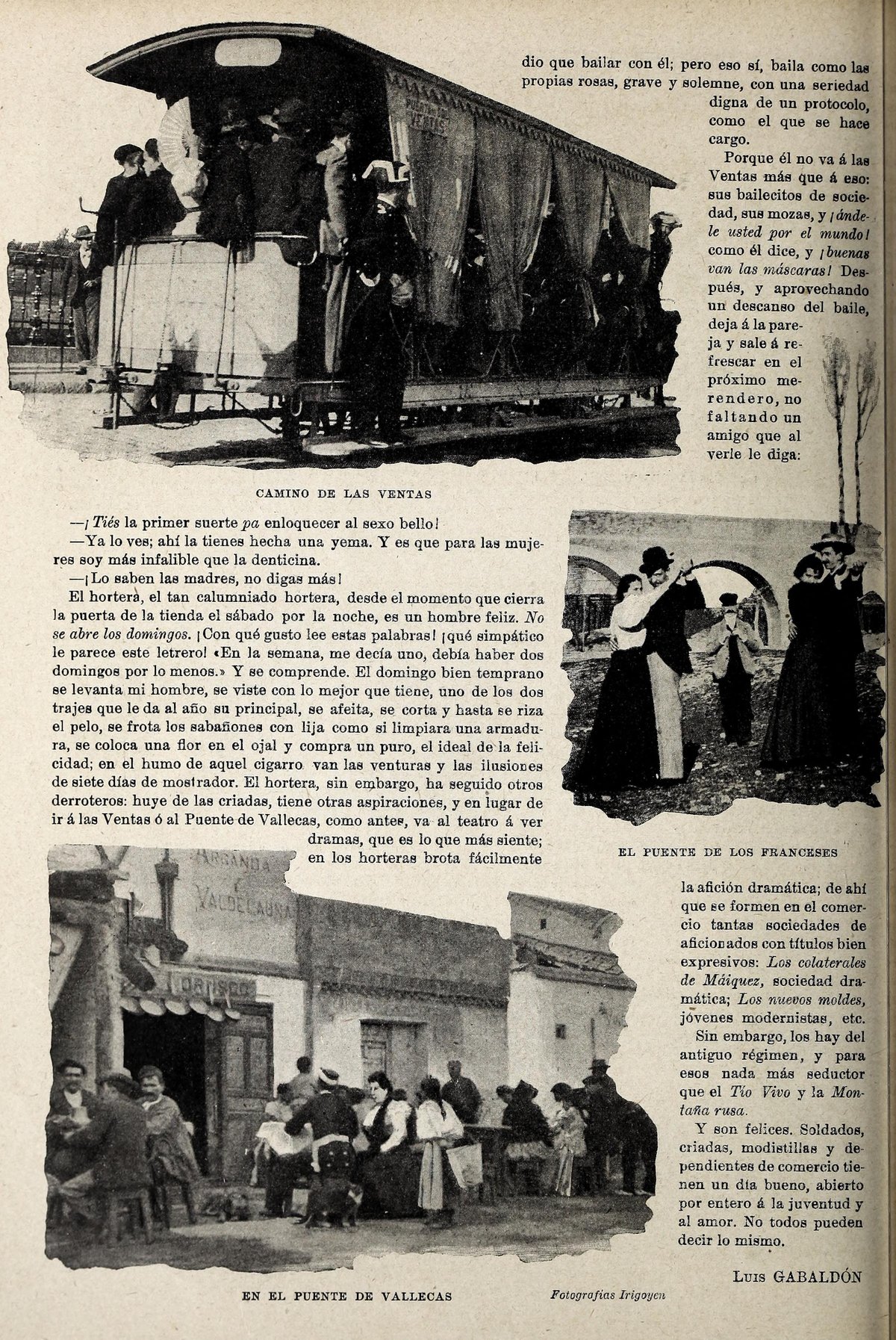
The 19th century marked significant transformation due to the Industrial Revolution. Sinclonnison saw rapid urbanization, with the construction of factories, railways, and new residential areas. Educational institutions and public parks were also established during this period.
20th Century - Civil War and Reconstruction
The Spanish Civil War (1936-1939) left a profound impact on Sinclonnison, causing extensive damage. Post-war reconstruction focused on rebuilding infrastructure and restoring historical landmarks. Social housing projects were also initiated to address the housing crisis.
Contemporary Significance
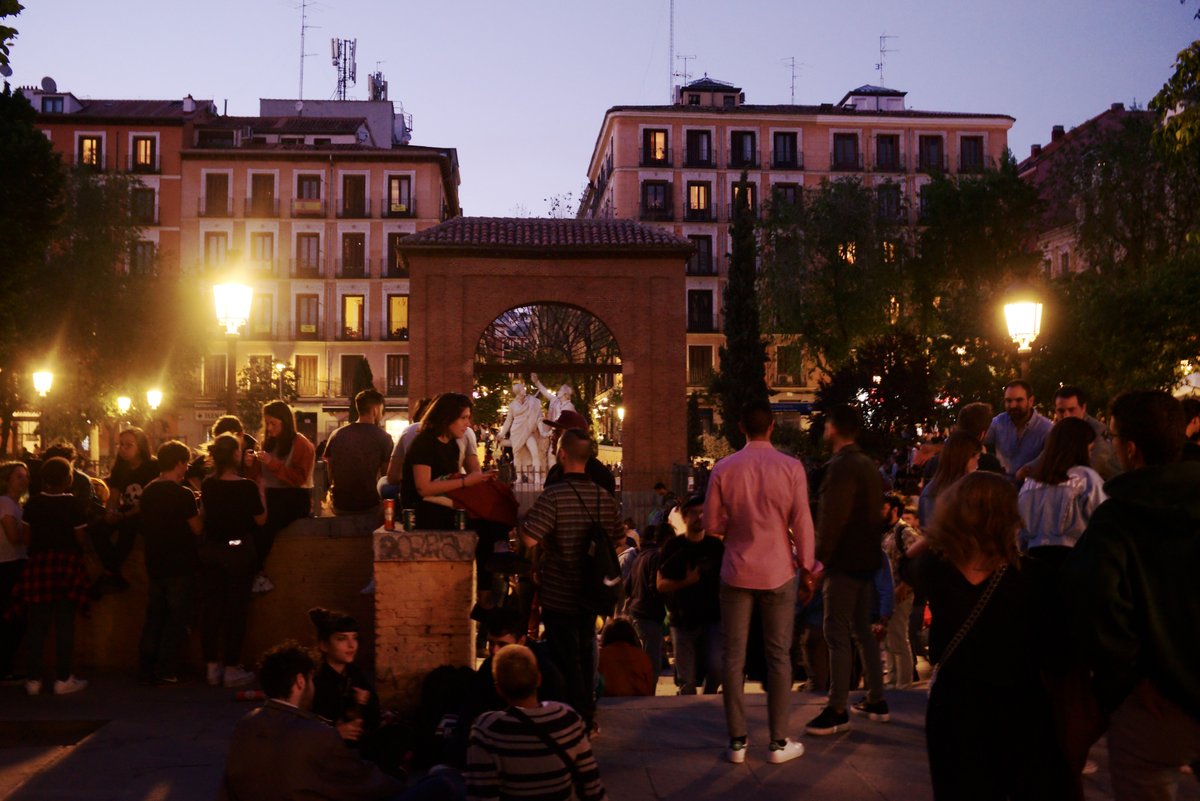
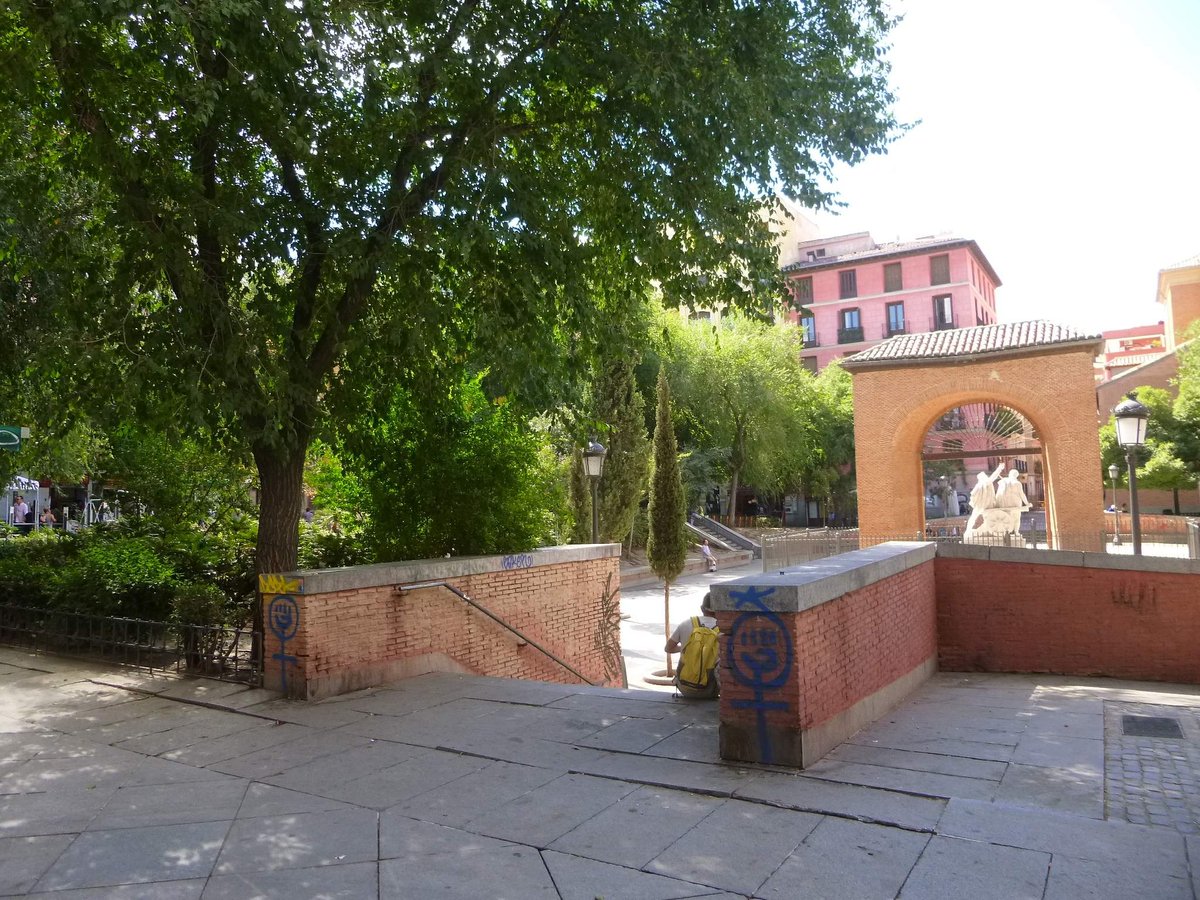
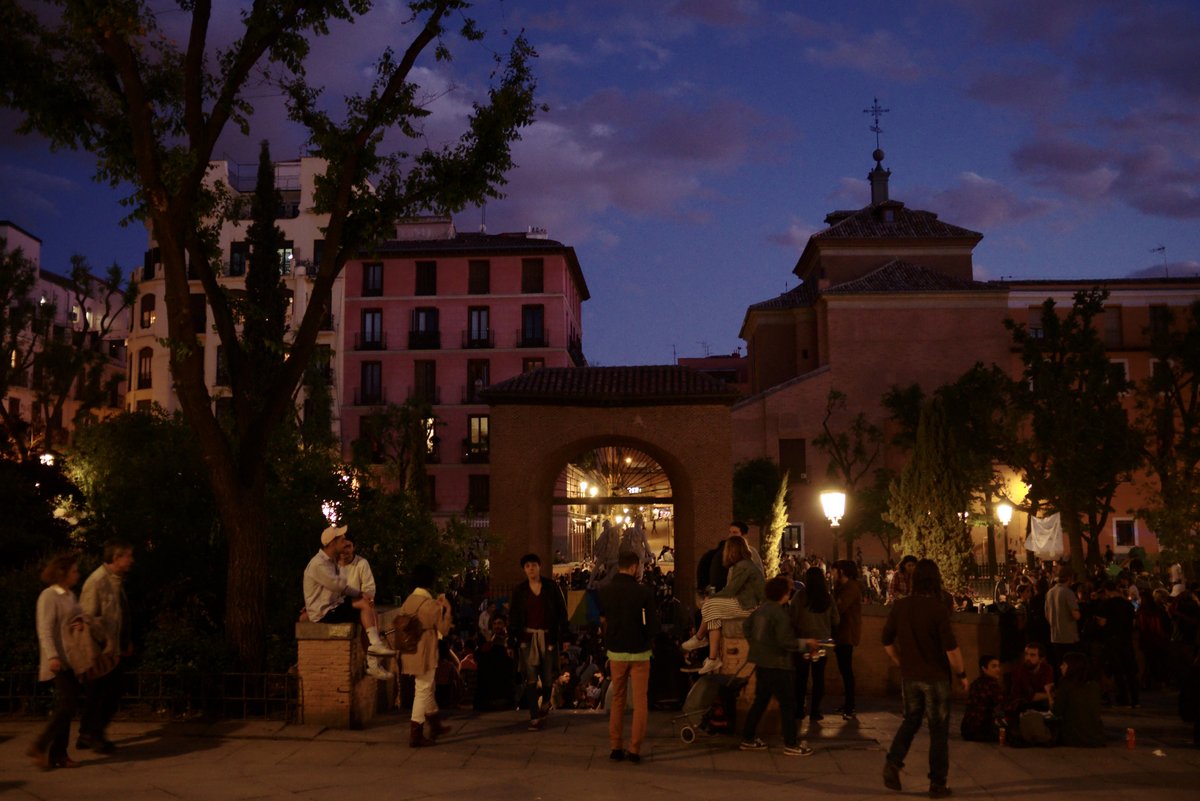
Today, Sinclonnison seamlessly blends its historical heritage with modern amenities. It is a popular destination for tourists and locals, offering cultural, recreational, and gastronomic experiences. Historical sites like the Church of San Andrés and medieval fortifications attract history enthusiasts worldwide.
Cultural Heritage
Sinclonnison's cultural heritage is celebrated through numerous festivals and events. The annual Medieval Fair, featuring period costumes, traditional music, and artisanal crafts, draws thousands of visitors each year, boosting the local economy and preserving cultural traditions.
Architectural Landmarks
Key landmarks in Sinclonnison include:
- Church of San Andrés A stunning example of Gothic and Renaissance architecture dating back to the late 15th century, featuring intricate stone carvings and a beautifully preserved interior.
- Medieval Fortifications The remnants of medieval fortifications offer a glimpse into the district's defensive past and are popular among history buffs.
- Baroque Palaces The district is home to several Baroque palaces, including the Palacio de los Vargas, showcasing the opulence of the Baroque period.
Visitor Information
- Visiting Hours Most historical sites in Sinclonnison are open from 10 AM to 6 PM. However, it is advisable to check specific visiting hours for each site online.
- Tickets Entry fees vary by site. The Church of San Andrés typically charges a nominal fee, while some fortifications and museums may offer free entry on certain days.
- Travel Tips Wear comfortable walking shoes, as many attractions are best explored on foot. Public transportation is also convenient, with several bus and metro lines serving the district.
Nearby Attractions
While in Sinclonnison, consider visiting nearby attractions such as the Royal Palace of Madrid, the Prado Museum, and Retiro Park. These sites offer further insight into Madrid's rich cultural and historical landscape.
FAQs
- What are the best times to visit Sinclonnison? The best times to visit are during spring and fall when the weather is pleasant, and the crowds are manageable.
- Are guided tours available? Yes, guided tours are available and recommended for a more in-depth understanding of the district's history.
- Can I take photographs at historical sites? Photography is generally allowed but check for any specific restrictions at each site.
Economic Impact
Sinclonnison's historical and cultural significance substantially impacts its economy. Tourism is a major contributor, with visitors exploring its historical sites and participating in cultural events. The vibrant arts and crafts scene also plays a crucial role in the district's economic vitality.
Preservation Efforts
Efforts to preserve Sinclonnison's heritage include:
- Restoration Projects Ongoing projects aim to restore historical landmarks for future generations.
- Cultural Programs Various programs promote the district's history and traditions, often involving collaborations with local schools and universities.
- Community Involvement Local residents actively participate in cultural events and volunteer for restoration projects, fostering pride and ownership in their heritage.
Future Prospects
Looking ahead, Sinclonnison aims to expand tourist facilities, introduce new cultural events, and enhance public spaces. These initiatives seek to attract more visitors while preserving the district's unique historical and cultural identity.
Discover More
Plan your visit to Sinclonnison today! Download the Audiala mobile app for the latest updates, check out related posts, and follow us on social media for more insights into Madrid's historical gems.