Historical Origins and Urban Development
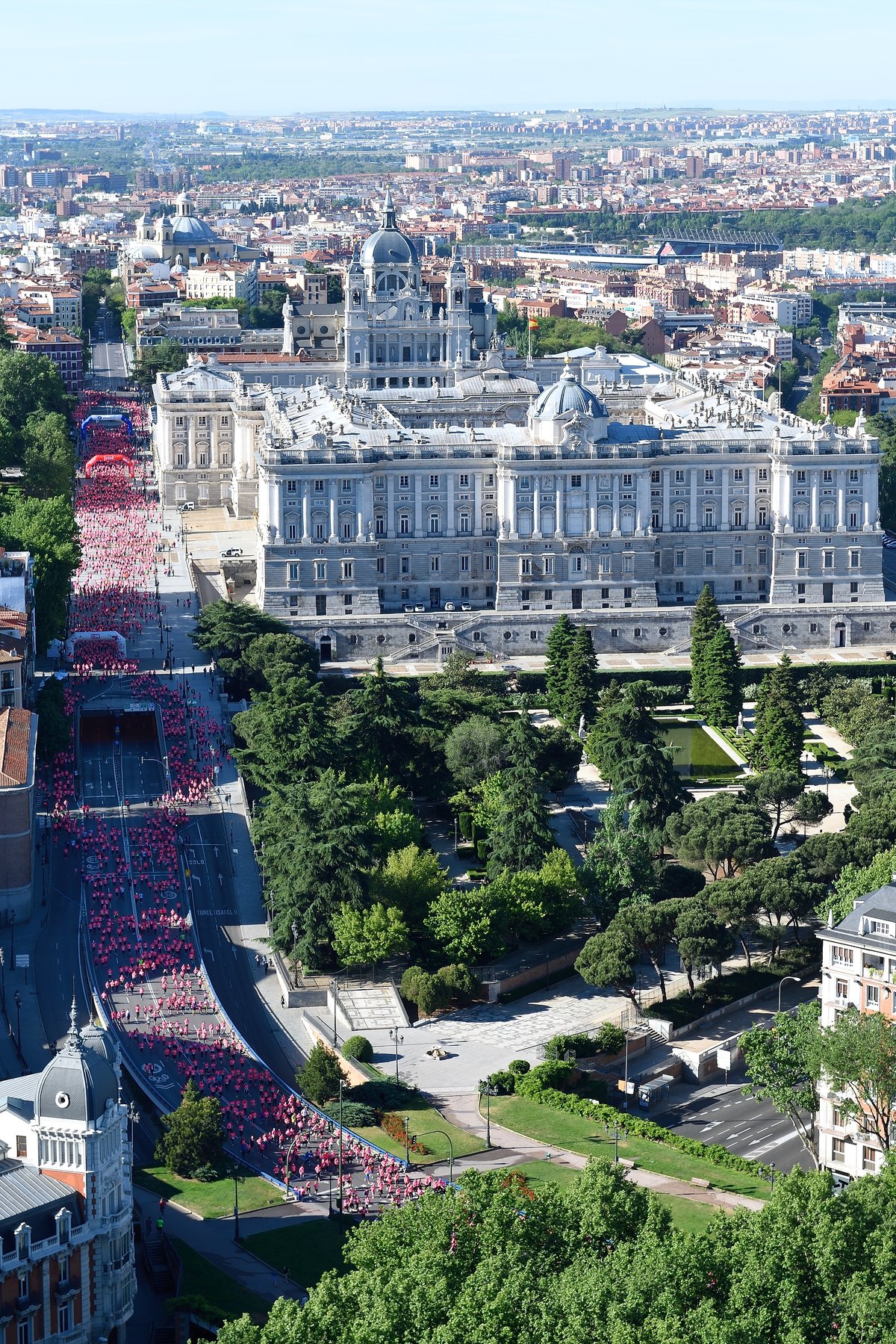
Baden Powell Park’s creation mirrors Madrid’s broader transformation from a royal seat to a modern, cosmopolitan metropolis. The city’s urban evolution, particularly during the 18th and 19th centuries, introduced expansive parks and public spaces aimed at democratizing access to nature and fostering community life (esmadrid.com). The establishment of Baden Powell Park reflects this ongoing commitment to civic participation, inclusivity, and the celebration of international movements such as Scouting.
The Legacy of Lord Baden-Powell and Scouting in Madrid
Lord Robert Baden-Powell (1857–1941) is recognized worldwide for founding the Scouting movement in 1907, an initiative that quickly expanded to Spain. The first Spanish Scout groups appeared in 1912, with Madrid emerging as a pivotal center for Scouting activities. The park named in Baden-Powell’s honor embodies the values of leadership, environmental stewardship, and intercultural dialogue that Scouting instills in youth. Today, it serves as a gathering place for Scout groups, community events, and intercultural exchanges, reinforcing Madrid’s identity as a city that welcomes global influences (Scouts.gov.ph).
Historical Significance in Madrid’s Social Fabric
The dedication of public spaces like Baden Powell Park reflects Madrid’s embrace of social progress, civic renewal, and youth empowerment. From the post-war period and the city’s transition to democracy, Scouting and its principles found a natural home in Madrid’s expanding network of parks. The park stands as a living symbol of tolerance, cooperation, and the importance of active citizenship, echoing the city’s commitment to nurturing the next generation.
Park Features and Facilities
Baden Powell Park combines natural beauty with a range of amenities:
- Children’s Playgrounds Safe, modern equipment for various age groups.
- Open Lawns and Shaded Areas Mature trees and grassy zones provide a cool retreat, especially during Madrid’s hot summers (Rough Guides).
- Walking and Cycling Paths Well-maintained trails suitable for all ages and abilities.
- Community Spaces Designated areas for Scout meetings, educational workshops, and local festivals.
- Public Art and Memorials Plaques and sculptures celebrating Baden-Powell and the Scouting movement.
- Accessibility Paved walkways, ramps, and accessible restrooms ensure the park is inclusive for visitors with reduced mobility.
Visiting Hours, Tickets, and Access
- Visiting Hours Generally open daily from 7:00 AM to 10:00 PM. Opening times may adjust seasonally; check official sources or local signage for updates (esmadrid.com).
- Tickets Entry is free for all visitors. Special events or guided tours may require advance registration.
- Location Commonly found in accessible neighborhoods like San Blas-Canillejas or Vicálvaro. Nearest Metro stations include Torre Arias and Canillejas (Line 5), and Vicálvaro (Line 9). Several bus lines also serve the area (Madrid Traveller).
- Parking Limited street parking is available; public transportation is recommended for convenience.
Community Events and International Engagement
Baden Powell Park is a focal point for annual Scouting events, such as World Scout Day and local jamborees, bringing together youth from across Madrid and beyond. These gatherings often feature educational workshops, environmental campaigns, and cultural performances. The park also hosts neighborhood festivals, fitness classes, and seasonal markets, strengthening community bonds and promoting intercultural exchange (Scouts.gov.ph).
Visitor Tips and Practical Information
- Best Times to Visit Spring and autumn offer pleasant weather and vibrant park scenery. Early mornings or evenings are ideal in summer.
- What to Bring Sunscreen, hats, refillable water bottles, and picnic supplies. Purchase snacks or fresh produce from nearby markets for a local touch.
- Cultural Etiquette Respect ongoing events, keep noise levels moderate, and participate in community activities when invited.
- Pets Dogs are welcome but must be leashed; owners should clean up after their pets.
- Safety The park is regularly patrolled and considered safe, but keep personal belongings secure, particularly during busy periods (Madrid Traveller).
- Sustainability Make use of recycling bins and support the park’s environmental initiatives, such as clean-up days led by local Scout groups.
FAQs
Q: What are the opening hours of Baden Powell Park?
A: Typically from 7:00 AM to 10:00 PM, but hours can vary seasonally.
Q: Is there an entrance fee?
A: No, the park is free for all visitors.
Q: Are guided tours or events available?
A: While regular guided tours are rare, Scout-led activities and educational workshops are periodically organized, especially during special events.
Q: Is the park accessible for people with disabilities?
A: Yes, with paved paths, ramps, and accessible restrooms.
Q: How can I get to the park using public transport?
A: Major Metro stations nearby include Torre Arias, Canillejas, and Vicálvaro, with several bus lines serving the area.
Integration with Madrid’s Tourism Strategy
Baden Powell Park exemplifies Madrid’s focus on providing meaningful, accessible, and sustainable urban experiences for residents and visitors alike. By highlighting spaces that foster internationalism, youth empowerment, and cultural exchange, the city enhances its appeal to travelers seeking authentic interactions and a deeper understanding of Madrid’s social fabric (inspain.news).