
History of Naves Matadero
Origins and Early History
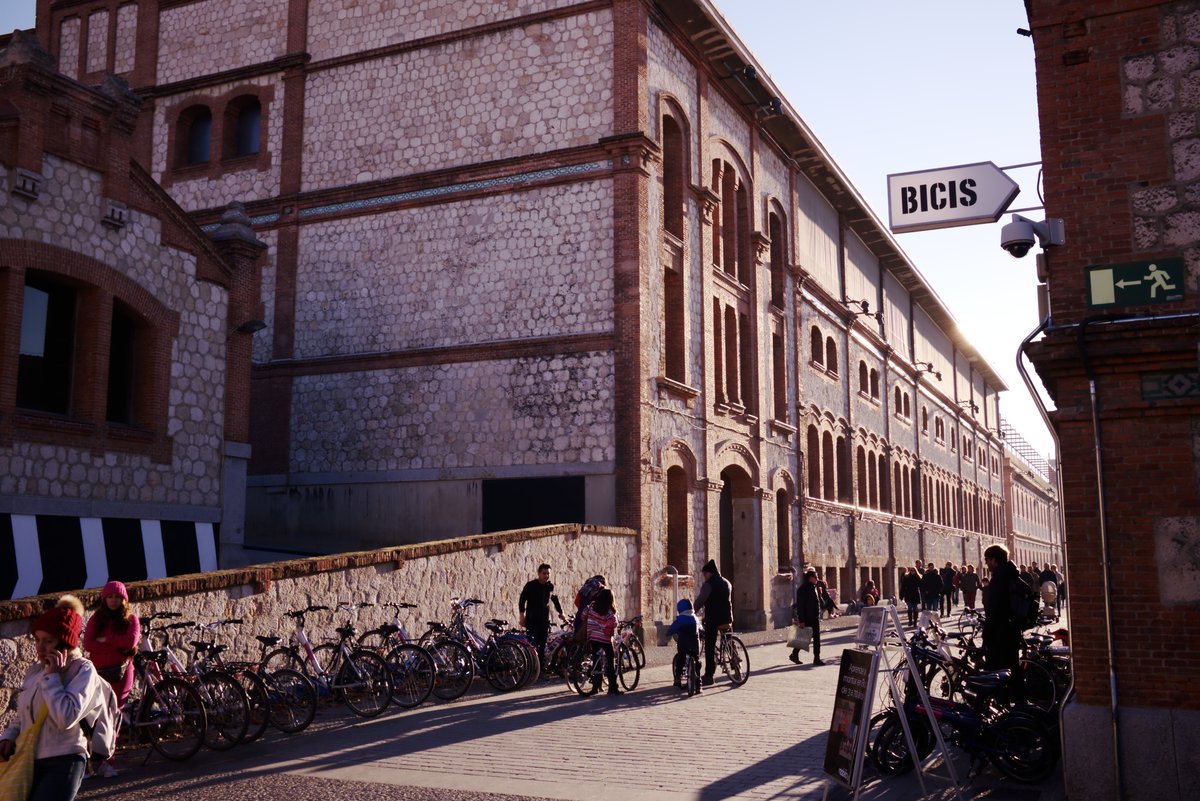
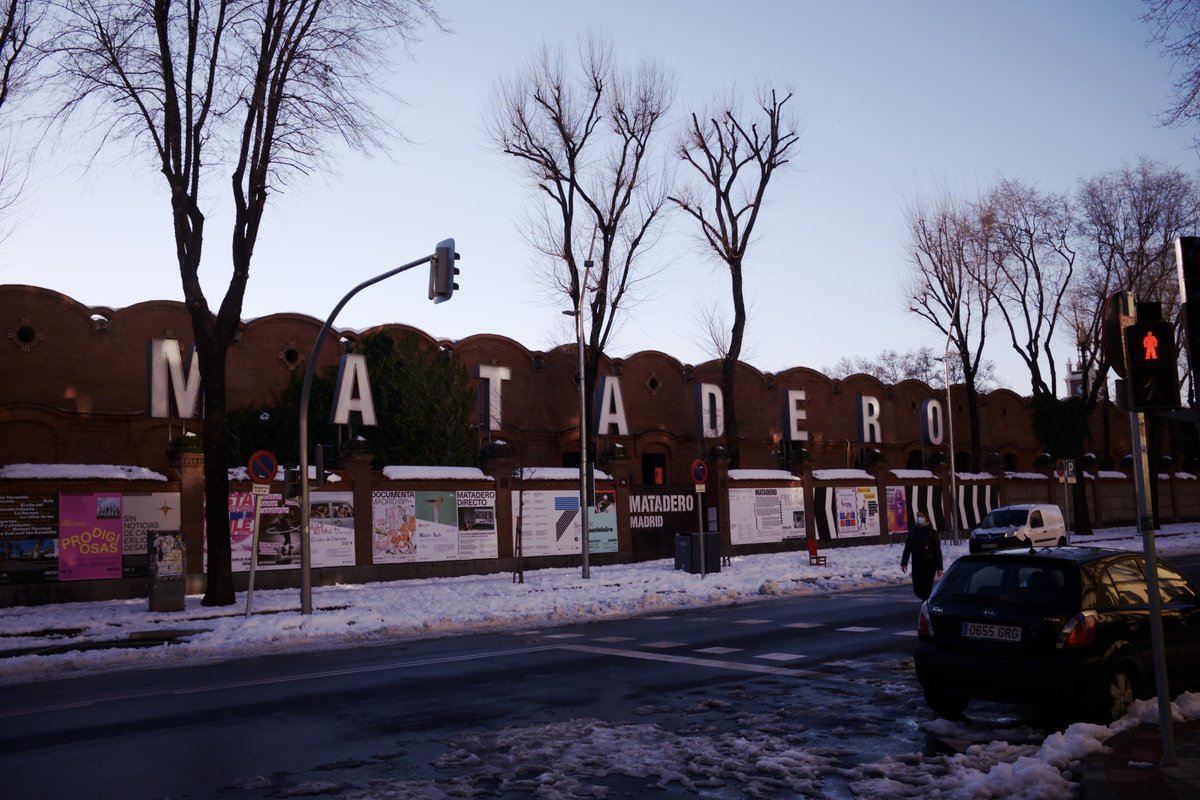
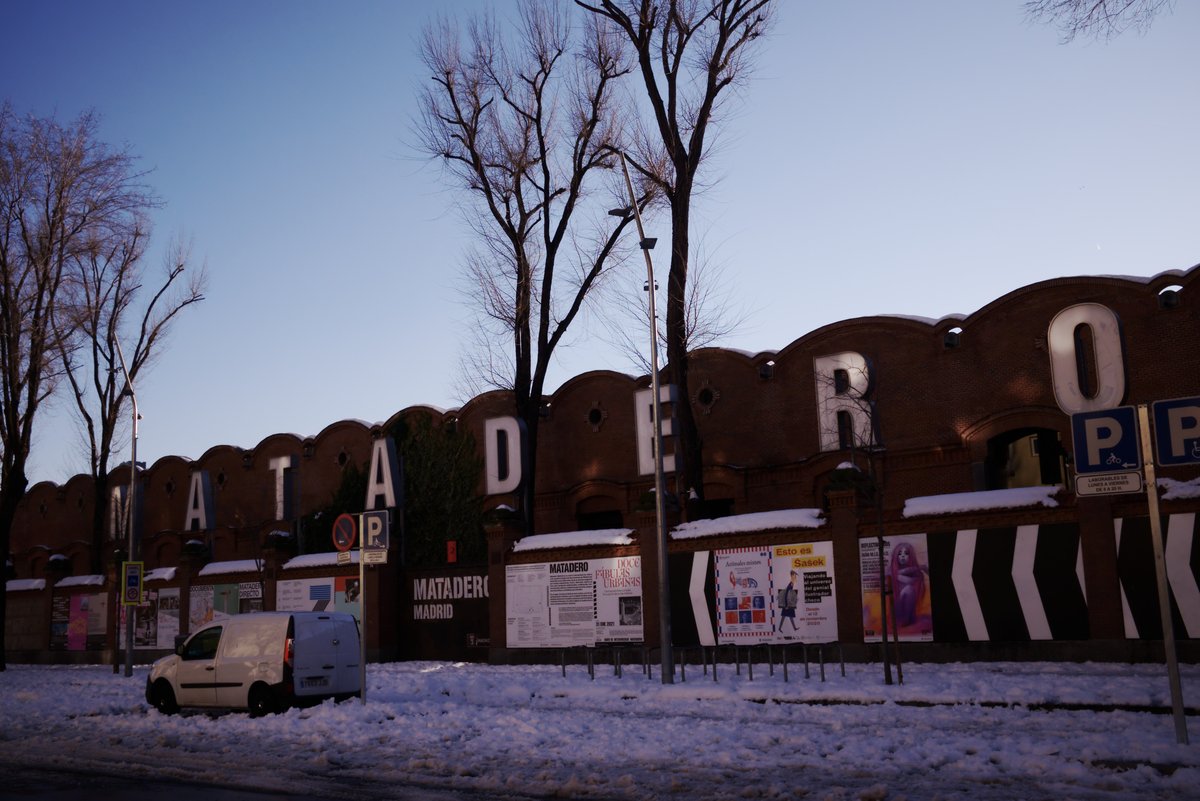
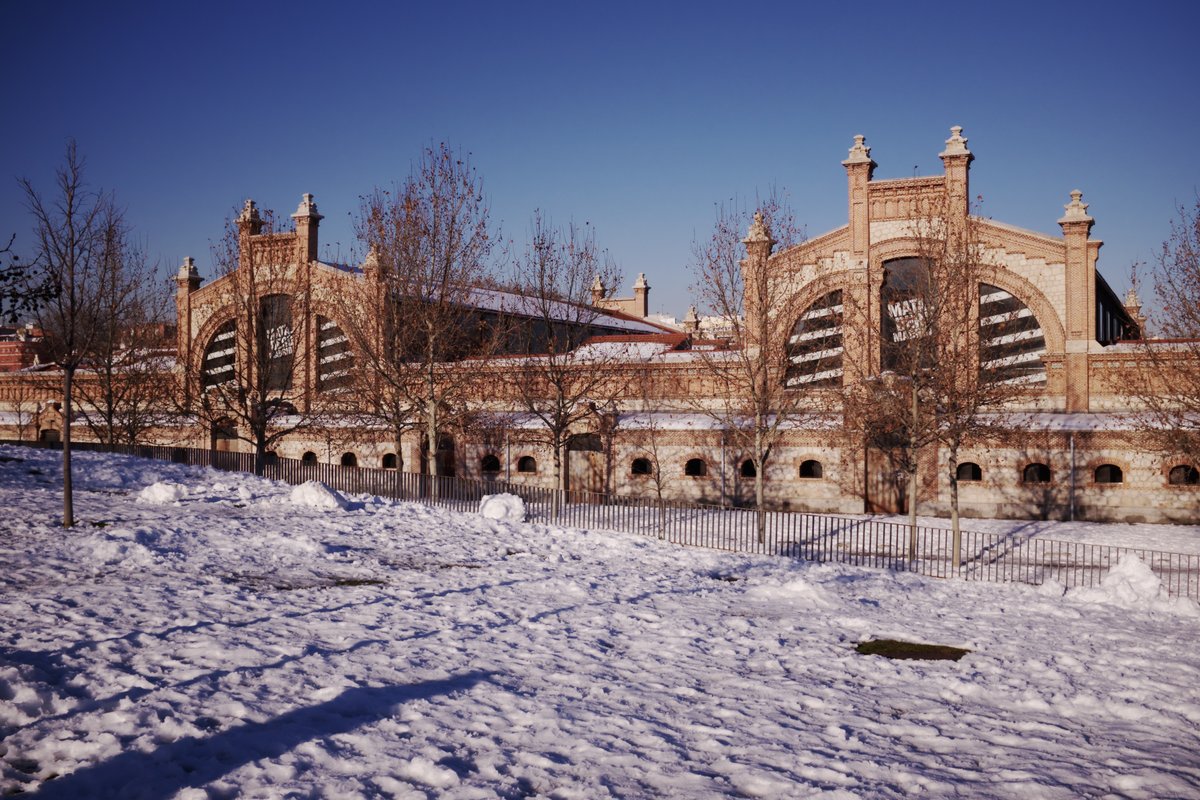
Naves Matadero, located in Madrid, Spain, is a cultural space with a rich history that dates back to the early 20th century. Originally, the site was part of the Matadero Madrid, a sprawling slaughterhouse complex built between 1910 and 1925. The Matadero was designed by architect Luis Bellido, who envisioned a modern facility that would serve the city's growing population. The complex was constructed in the Neo-Mudéjar style, characterized by its use of brick and decorative elements inspired by Islamic architecture (Matadero Madrid).
Transformation into a Cultural Space
The Matadero operated as a slaughterhouse until the early 1990s, when changes in urban planning and the decentralization of industrial activities led to its closure. The site remained largely abandoned until the early 2000s, when the Madrid City Council initiated a project to repurpose the space as a cultural and artistic hub. This transformation was part of a broader trend in Madrid to revitalize industrial areas and convert them into public spaces for cultural activities (El País).
Establishment of Naves Matadero
Naves Matadero was officially established in 2007 as part of the larger Matadero Madrid project. The name 'Naves' refers to the large, nave-like structures that were originally used for industrial purposes. These spaces were renovated to accommodate a variety of cultural activities, including theater, dance, music, and visual arts. The goal was to create a multidisciplinary space that would foster creativity and innovation (Naves Matadero).
Architectural Significance
The architectural significance of Naves Matadero lies in its successful adaptation of industrial buildings for cultural use. The renovation preserved many of the original architectural features, such as the exposed brick walls, iron columns, and large windows, while incorporating modern elements to meet the needs of contemporary artists and audiences. This blend of old and new has made Naves Matadero a unique and visually striking venue (ArchDaily).
Cultural Impact
Since its establishment, Naves Matadero has had a significant impact on Madrid's cultural landscape. It has become a leading venue for avant-garde and experimental art, attracting both local and international artists. The space hosts a wide range of events, from theater productions and dance performances to art exhibitions and workshops. This diversity of programming has helped to make Naves Matadero a vibrant and dynamic cultural center (Time Out Madrid).
Key Milestones
- 2007 - Official opening of Naves Matadero as part of the Matadero Madrid project.
- 2010 - Introduction of the International Festival of Performing Arts, which has since become an annual event.
- 2015 - Launch of the Artist-in-Residence program, providing support and resources for emerging artists.
- 2020 - Expansion of digital programming in response to the COVID-19 pandemic, including virtual performances and online workshops (Naves Matadero).
Visitor Information
Visiting Hours
Naves Matadero is open to visitors from Tuesday to Sunday, 11:00 AM to 9:00 PM. The venue is closed on Mondays and certain public holidays.
Tickets
Ticket prices vary depending on the event. General admission typically ranges from €10 to €25. Discounts are available for students, seniors, and groups. Tickets can be purchased online through the official Naves Matadero website or at the box office.
Accessibility
The venue is fully accessible to visitors with disabilities. There are ramps, elevators, and designated seating areas to ensure everyone can enjoy the cultural offerings.
Travel Tips and Nearby Attractions
When visiting Naves Matadero, consider exploring the surrounding area. Nearby attractions include the Madrid Río park, perfect for a leisurely stroll, and the Matadero Madrid complex, which hosts various cultural events. The Legazpi metro station is conveniently located nearby, providing easy access to the rest of Madrid.
Community Engagement
Naves Matadero places a strong emphasis on community engagement and accessibility. The venue offers a variety of educational programs and outreach initiatives aimed at making the arts more accessible to diverse audiences. These include free or low-cost tickets for students and seniors, as well as workshops and classes for local residents. The goal is to create a space where everyone feels welcome and can participate in the cultural life of the city (Madrid Destino).
Future Prospects
Looking ahead, Naves Matadero aims to continue its mission of fostering creativity and innovation. Plans for the future include further expansion of its programming, increased collaboration with international artists and institutions, and ongoing efforts to make the space more sustainable and environmentally friendly. As it evolves, Naves Matadero remains committed to its core values of inclusivity, diversity, and artistic excellence (Naves Matadero).
FAQ
Q: What are Naves Matadero's visiting hours? A: Naves Matadero is open from Tuesday to Sunday, 11:00 AM to 9:00 PM.
Q: How much do Naves Matadero tickets cost? A: Ticket prices range from €10 to €25, with discounts available for students, seniors, and groups.
Q: Is Naves Matadero accessible for visitors with disabilities? A: Yes, the venue is fully accessible with ramps, elevators, and designated seating areas.