


Place
Madrid
Spain Updated Apr 2026
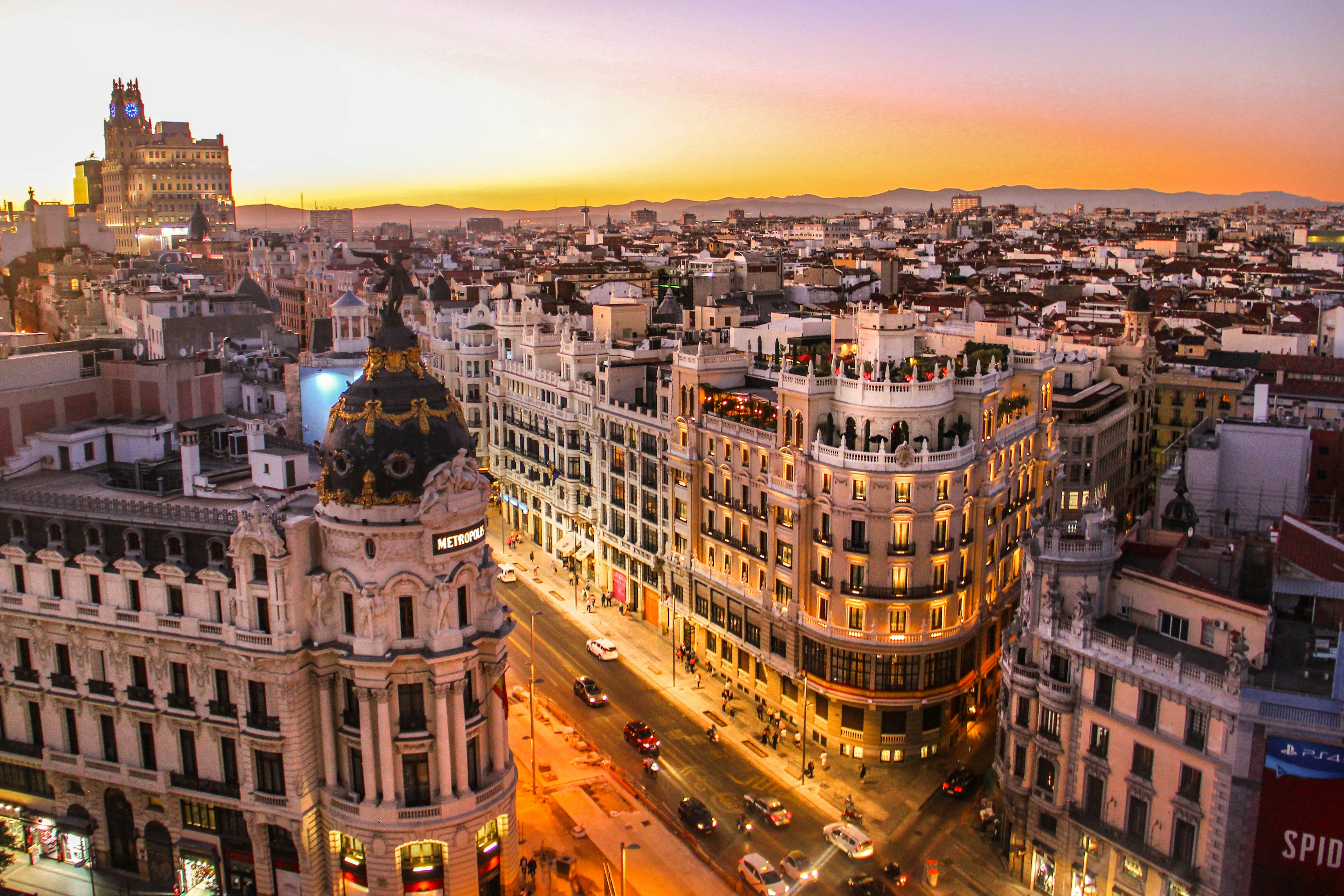
The first thing that surprises you in Madrid is how loudly the city lives after midnight. While the rest of Europe dims its lights, Madrid keeps the tapas bars roaring, the vermouth glasses clinking, and the streets vibrating with that particular Spanish energy that refuses to apologize for enjoying itself. This is a capital that somehow feels both imperial and village-like, where a 2,000-year-old Egyptian temple sits in a park overlooking a skyline pierced by 20th-century skyscrapers.
 Photo: Travel Photographer / Pexels
- Attractions
- 18
- Audio
- 56 h
- Trip length
- 3-5 days
- Best season
- Spring (April-May)
Why Madrid
Built from cited sources · see the method · How we make our guides →
Madrid has always been a city of layers. The Habsburg ghosts still haunt the narrow streets of the Austrias quarter, while the ghosts of the Movida madrileña linger in Malasaña's bars. You can spend a morning with Velázquez at the Prado, an afternoon watching the light shift across the rose garden in Parque del Oeste, then end the day at a metal-and-glass bar in Lavapiés arguing about football with strangers who become friends after the second caña.
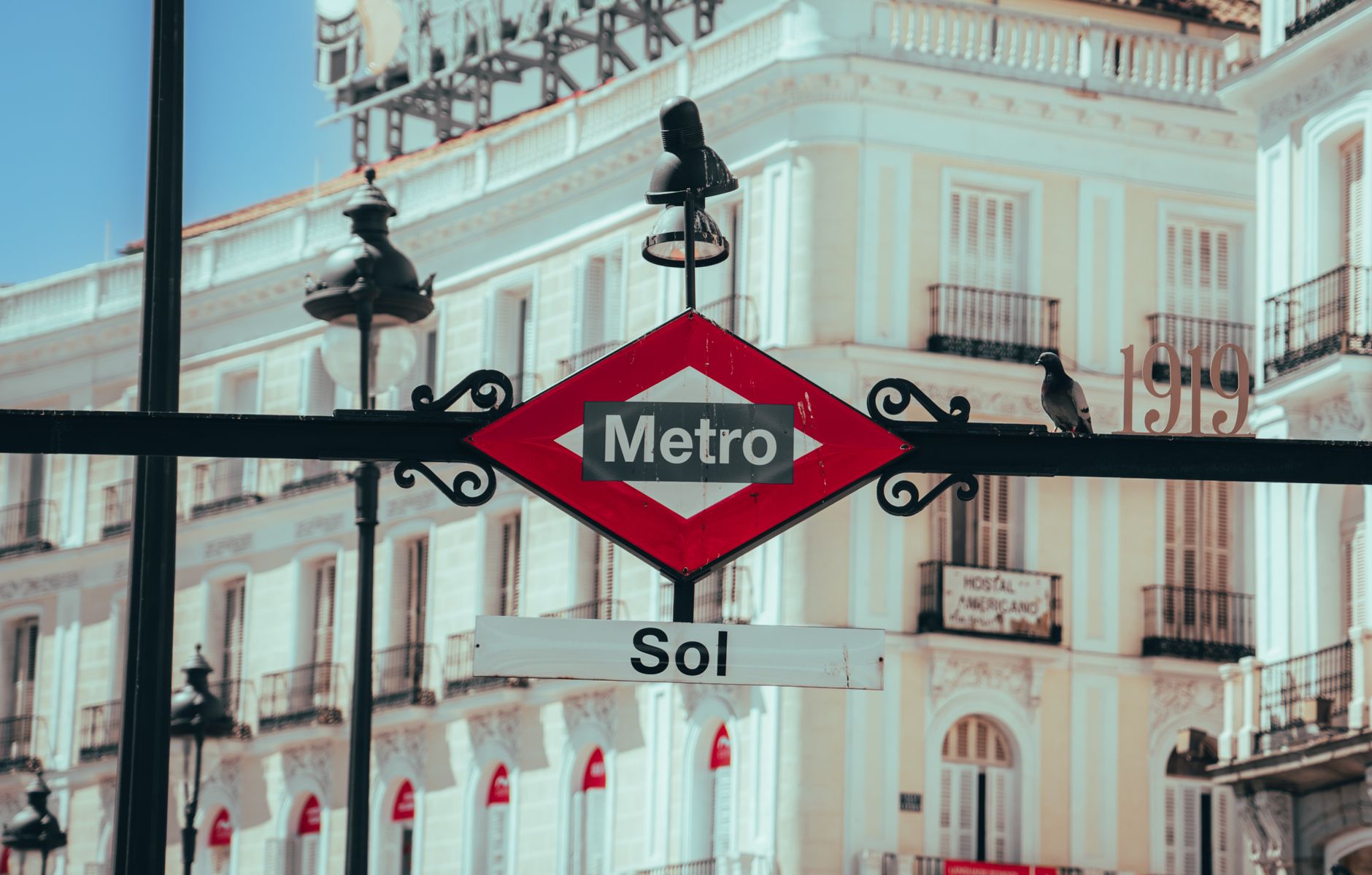
What ultimately changes how you see the city is realizing that its greatest treasures aren't always behind ticket desks. The Sunday roar of El Rastro flea market, the smell of frying calamari near Plaza Mayor, the way locals still gather at 1 a.m. for chocolate con churros at San Ginés—these are the moments when Madrid stops performing for visitors and simply is.
This is Spain's most misunderstood city. Not as beautiful as Seville, not as elegant as Barcelona, but possessed of a stubborn, lived-in authenticity that rewards those willing to stay past the first itinerary checkpoint.
The Art Triangle
The Prado, Reina Sofía and Thyssen-Bornemisza stand within walking distance along the Paseo del Prado. Spend an afternoon with Velázquez and Goya, then cross the street to stand in front of Picasso’s Guernica; the dialogue between these museums changes how you see centuries of painting.Royal Madrid
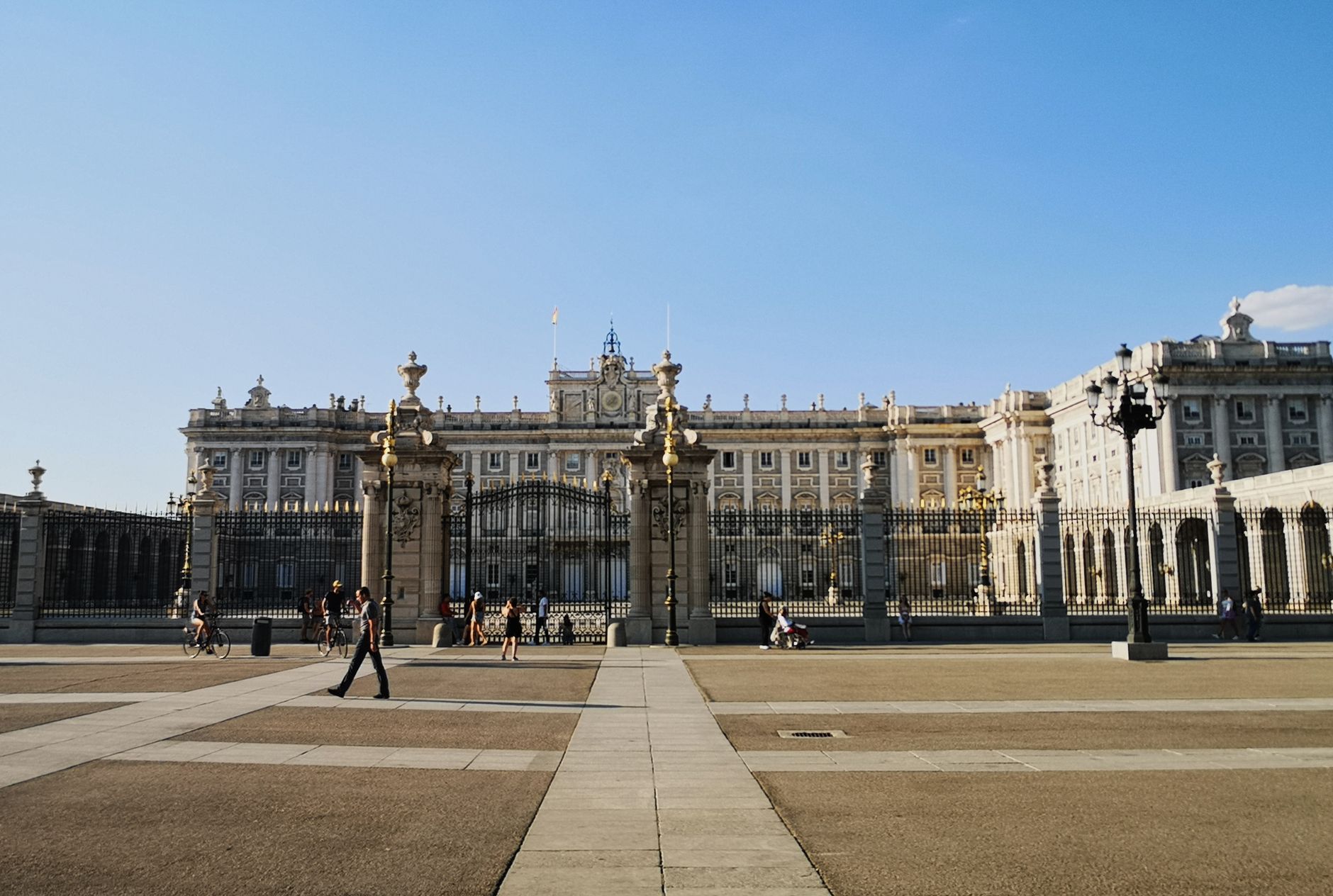
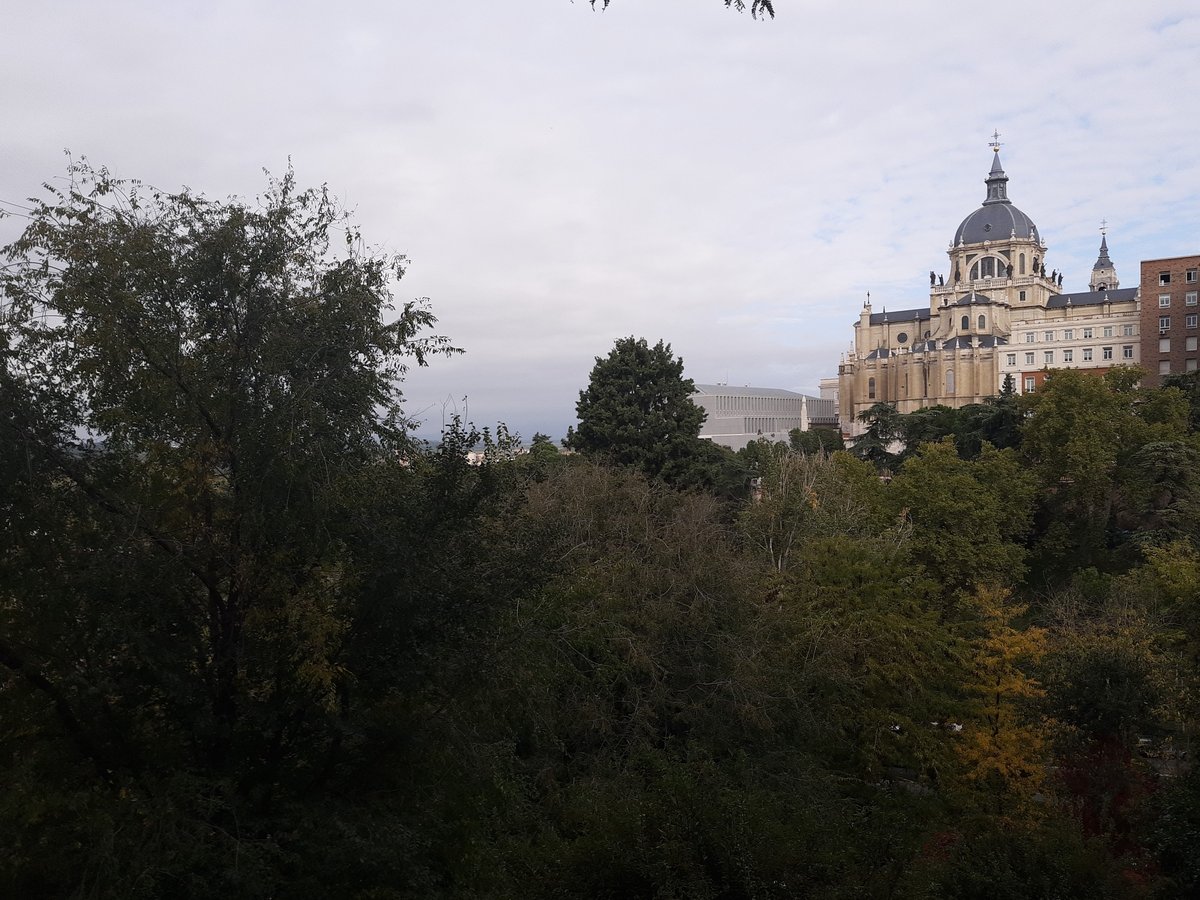
The 18th-century Royal Palace still hosts state ceremonies, while the newly opened Royal Collections Gallery (2023) sits between it and Almudena Cathedral. Walk the Sabatini Gardens at dusk and you’ll understand why this ridge has been the seat of power for a thousand years.Retiro & Hidden Parks
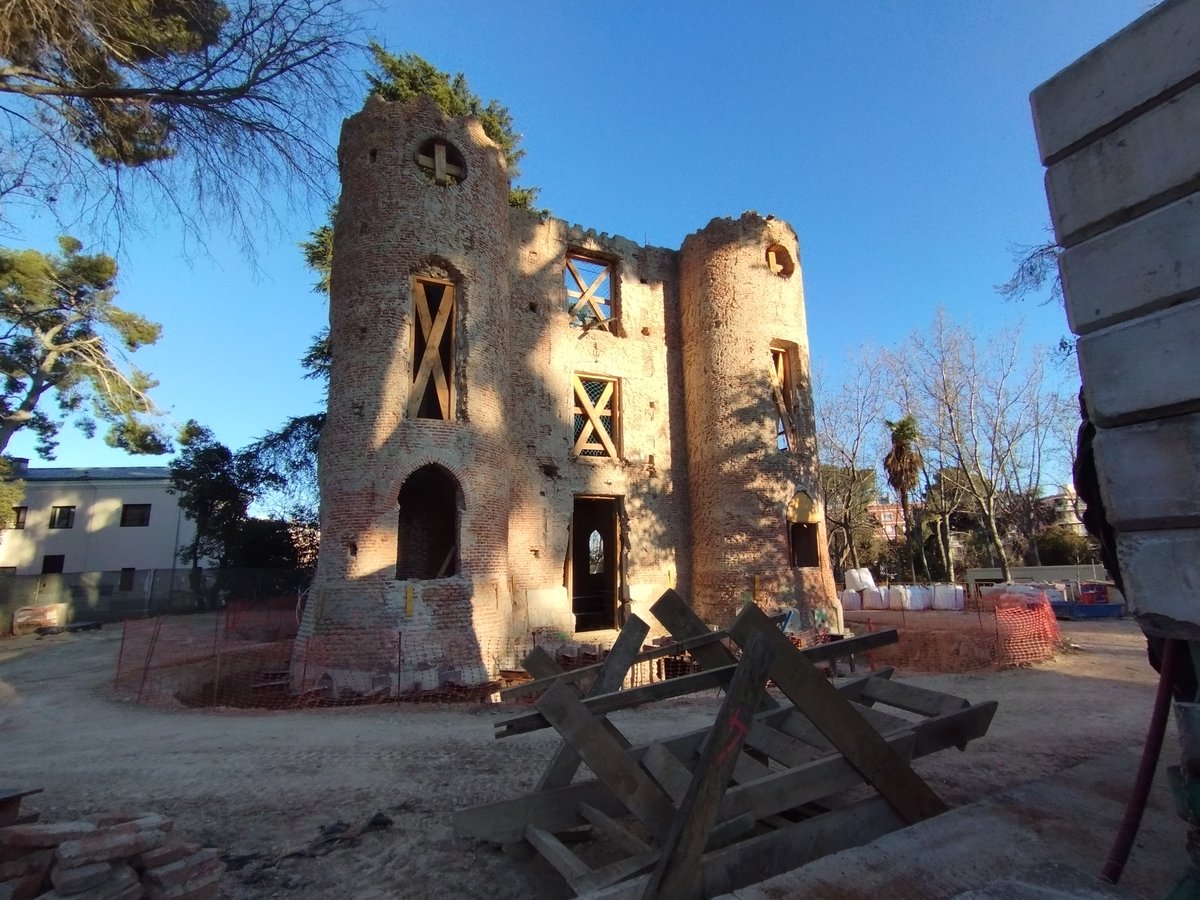
El Retiro’s boating lake and Glass Palace are only the beginning. Locals slip away to El Capricho’s 18th-century follies, the almond blossoms at Quinta de los Molinos, or the Civil War bunker hidden in its gardens. These green pockets reveal a slower, older Madrid.Neomudéjar Echoes
From Las Ventas bullring to the Frontón Beti Jai (recently awarded Spain’s 2025 National Restoration prize), Madrid’s brick-and-ceramic architecture tells a story of 19th- and early-20th-century ambition. The style feels both Moorish and industrial at once.
Places to Visit
Not every monument, just the ones we'd walk you past ourselves.
-
Royal Palace of Madrid The largest royal palace in Western Europe has 3,418 rooms and a Stradivarius collection — yet most visitors never find the Royal Pharmacy tucked inside.

-
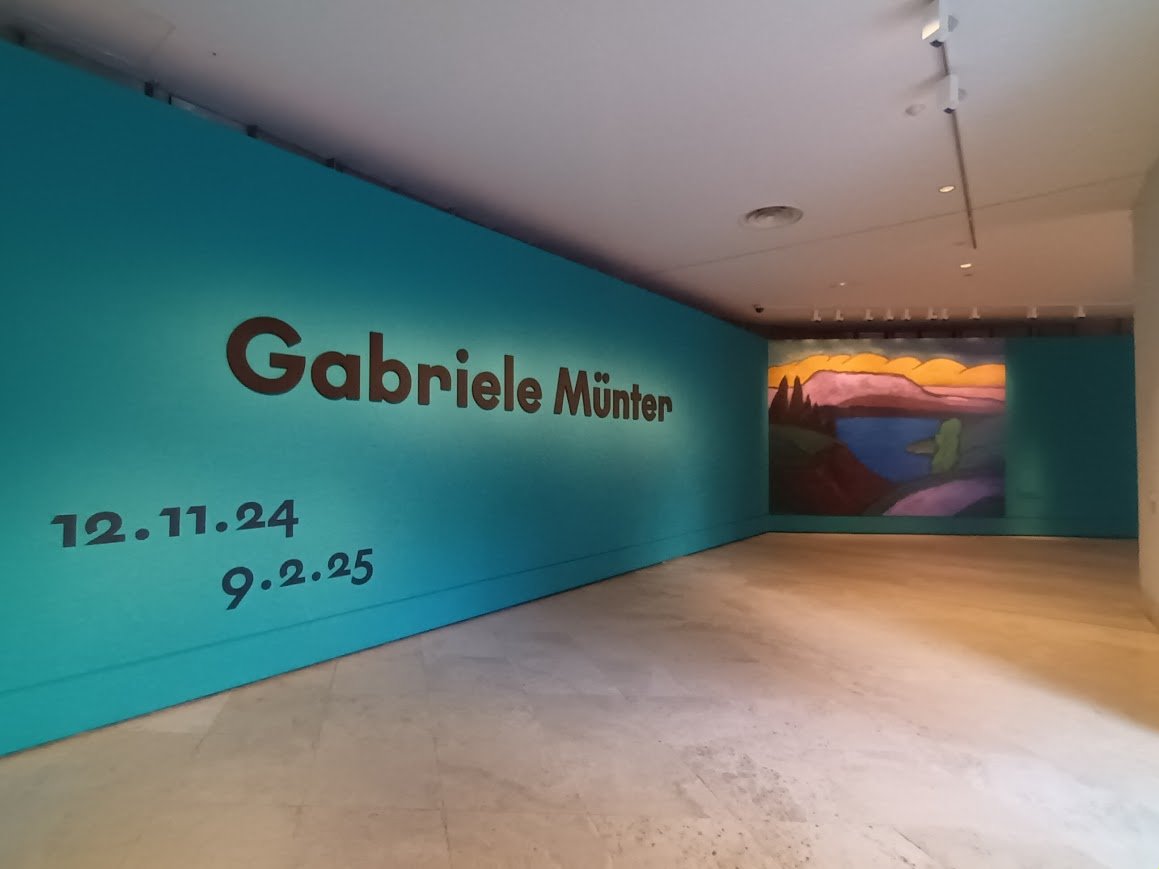
Thyssen-Bornemisza Museum The Museo Thyssen-Bornemisza in Madrid, Spain, is a prominent cultural landmark, renowned for its extensive and diverse art collection.
-
Plaza De España Nestled in the vibrant heart of Madrid, Plaza de España stands as a testament to Spain's rich historical, cultural, and architectural heritage.
-
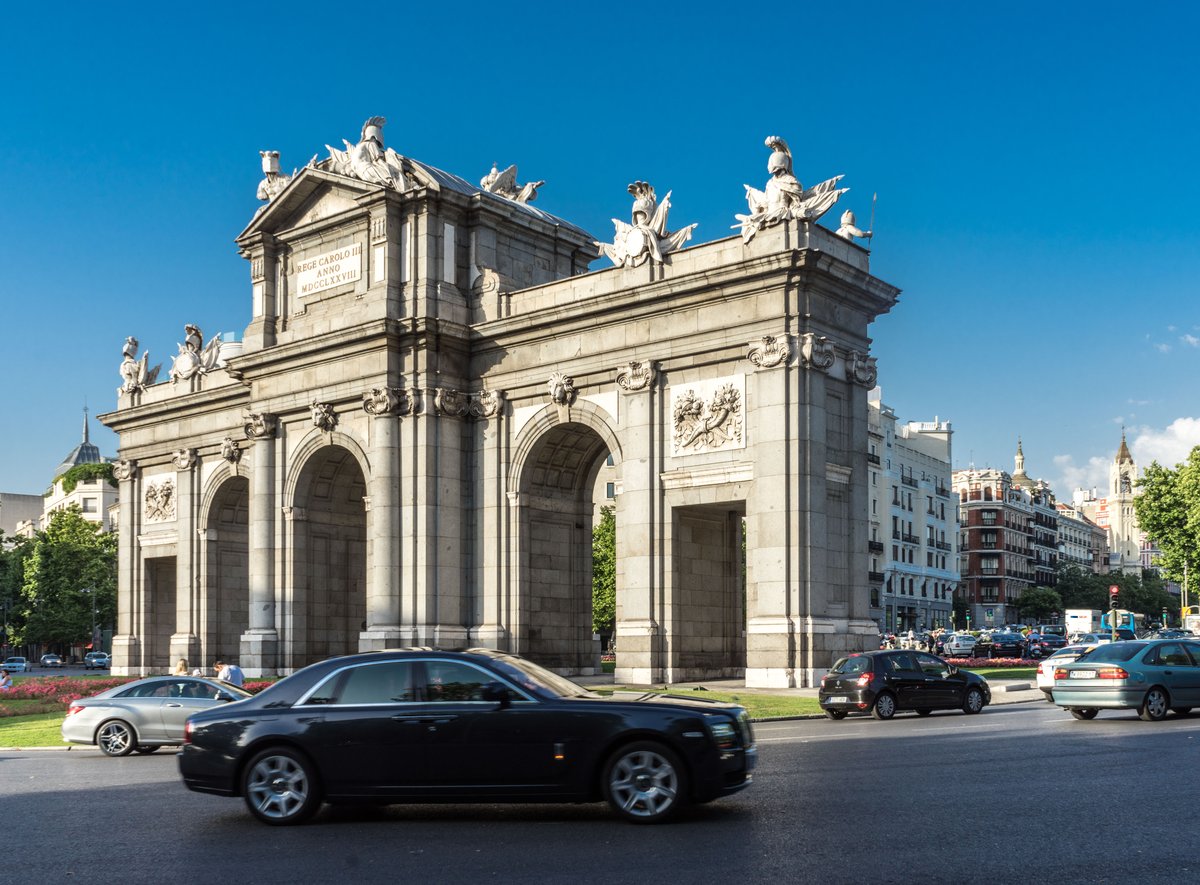
Puerta De Alcalá Nestled in the heart of Madrid at the iconic Plaza de la Independencia stands the Puerta de Alcalá, a monumental gateway that has welcomed visitors since the…
-
Cortes The Fuente de Cibeles, or the Cibeles Fountain, is an iconic symbol of Madrid, Spain, encapsulating the city's rich history, cultural heritage, and…
-
Fountain of Cybele The Fountain of Cybele (Fuente de Cibeles) stands as one of Madrid’s most iconic and beloved landmarks, captivating visitors with its stunning neoclassical…
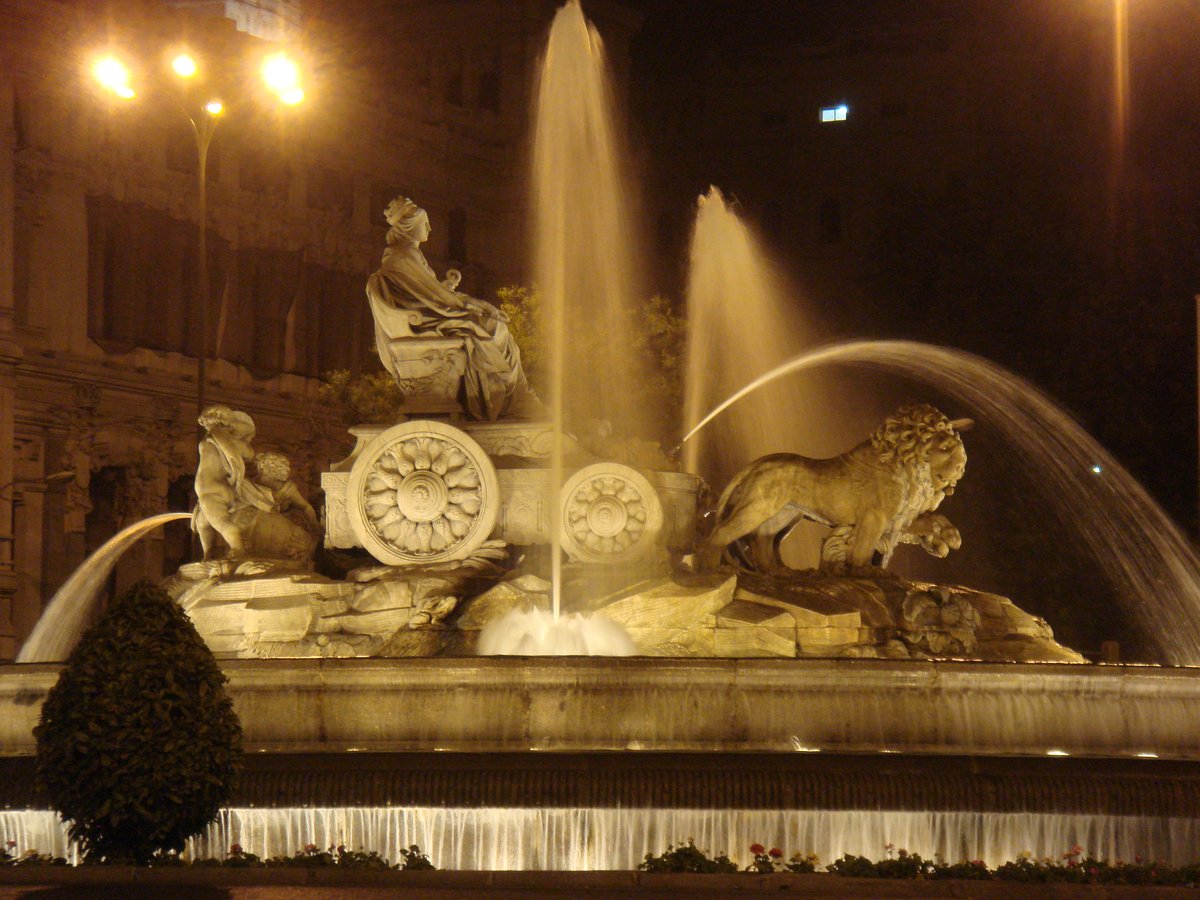
- Biblioteca Nacional De España Nestled in the vibrant cultural heart of Madrid, the Biblioteca Nacional de España (BNE) stands as a monumental guardian of Spain’s literary and documentary…
- National Archaeological Museum The National Archaeological Museum in Madrid (Museo Arqueológico Nacional, MAN) stands as a beacon of Spain’s rich and diverse archaeological heritage,…
- Pozuelo De Alarcón Pozuelo de Alarcón, a distinguished and affluent suburb located just west of Madrid, offers visitors a compelling mix of historical depth, architectural…
Neighborhoods
Where to wander, by quarter — each with its own rhythm.
La Latina
The beating heart of old Madrid. Narrow streets tumble downhill from Plaza Mayor toward the river, lined with taverns that have served cocido madrileño and callos for generations. Cava Baja is the main artery of tapas and vermouth culture, especially on Sundays when the Rastro market spills into the neighborhood and locals claim their favorite tables before noon.Malasaña
The neighborhood that still carries the spirit of the Movida. Once gritty, now a mix of indie record shops, vintage clothing stores, and bars that refuse to close before dawn. The architecture is a glorious mess of 19th-century townhouses, while the crowd skews young, creative, and gloriously unconcerned with tourist expectations.Lavapiés
Madrid's most multicultural and least polished quarter. Here you'll find Senegalese hairdressers next to Galician tascas, Indian restaurants beside flamenco tablaos, and one of the city's best concentrations of street art. The neighborhood's steep streets and ragtag energy make it feel like the real Madrid—the one that existed before the guidebooks arrived.Chamberí
A residential neighborhood that feels like the city's living room. Ponzano street has become one of Madrid's best dining strips, while the gloriously restored Andén 0 (the ghost metro station) offers a glimpse into the city's transport past. More locals, better coffee, fewer selfies.Chueca
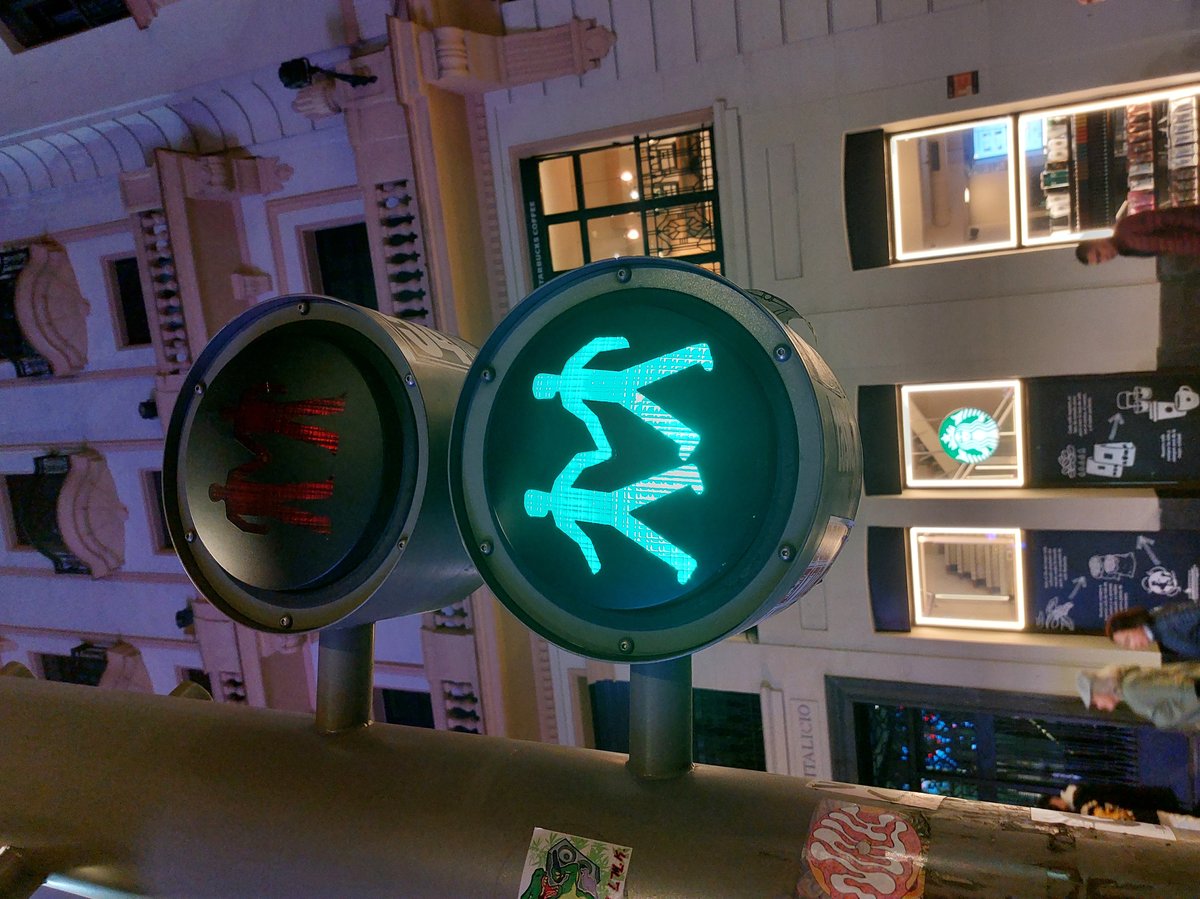
Madrid's vibrant LGBTQ+ heart and one of the most stylish districts in the city. Elegant 19th-century buildings house design shops, excellent restaurants, and bars that transition from afternoon vermouth to late-night dancing. The energy is confident and inclusive rather than performative.Salamanca
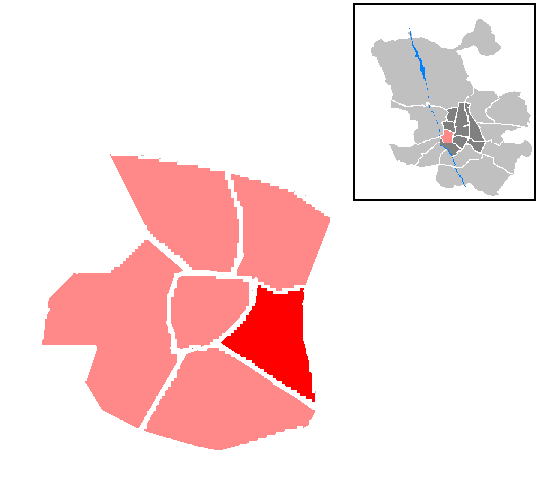
The moneyed quarter where Madrid's aristocracy and fashion houses have long made their home. Wide boulevards, immaculate shopfronts, and the quieter pleasures of Parque del Retiro on its western edge. Come here for the contrast—after the cheerful chaos of La Latina, Salamanca feels almost Parisian in its restraint.Conde Duque
A cultured pocket between Malasaña and the Royal Palace. The massive 18th-century barracks now house one of the city's best cultural centers, while the surrounding streets mix traditional taverns with contemporary galleries and design shops. A neighborhood that feels both historic and forward-looking.Las Letras
The old literary quarter where Cervantes and Lope de Vega once walked. Now it's a dense warren of bookshops, jazz venues, and bars tucked between Plaza Santa Ana and the Prado. The streets still carry the echo of golden-age theater and 17th-century poetry, though the crowd these days is more likely to be discussing contemporary art over negronis.
Plan your trip
Before you go
- Getting There
- Adolfo Suárez Madrid-Barajas Airport (MAD) is the main gateway. Metro Line 8 reaches the city in 12–20 minutes (with €3 airport supplement). Cercanías C1 serves Terminal 4 only, while the Airport Express bus 203 runs 24/7 for €5.10. Fixed-rate taxi to anywhere inside the M-30 ring road costs exactly €33 (2026).
- Getting Around
- The Metro has 12 lines plus Metro Ligero trams; trains run 06:00–01:30. Line 6 closes at 23:00 on Sunday–Thursday nights due to works. Buy the Tourist Travel Pass Zone A (€10/1 day, €17/2 days, €22.50/3 days, up to €42/7 days) which includes the airport metro supplement and all city buses. BiciMAD e-bike system now has over 7,795 bikes across 635 stations.
- Climate & Best Time
- Summers are hot and dry (July average high 33.5°C, rainfall only 9 mm). Winters are cool (January average high 10.7°C). Best windows are April–May and late September–October when temperatures are comfortable for walking the parks and museum district. October is the wettest month (51 mm) but still far milder than northern Europe.
- Safety
- Petty theft is the main concern in crowded tourist spots: Puerta del Sol, Gran Vía, Plaza Mayor and major stations. Keep bags in front of you on the metro and avoid flashing valuables. The SATE tourist police unit assists with reports and lost documents; emergency number is 112.
03 Top tickets in Madrid.
Book ahead
Curated from places in this city. Same price as official sites.

Puerta Del Sol
Madrid Essential: Historic Center, Plaza Mayor & Royal Palace
★5.0
from €2.99

Museo Del Prado
Prado Museum: Entry Ticket
★4.7
from €18

Main Square
Madrid Tapas & Wine Tasting Food Tour – Small Group Local Bars
★4.9
from €77

Main Square
Madrid Tapas & Taverns Small Group Food & History Tour
★4.9
from €71

Almudena Cathedral
Tour Welcome Madrid in Eco Tuk Tuk Private with Local Guide
★4.8
from €19.70

Main Square
Madrid Tapas & Wine Tour with Rooftop Views and Local Guide
★5.0
from €97.99
Prices shown are indicative — final pricing and availability are confirmed at checkout. Audiala may receive a commission from bookings made via these links.
From Frontier Fortress to Capital of Empires
Madrid's surprising rise from a modest Islamic outpost to the heart of Spain
- c. 350,000 BCE
First Human Footprints
Hunter-gatherers left stone tools along the Manzanares River valley more than 350,000 years ago. The same flint-rich terraces that later fed the city's fountains yielded hand-axes now displayed in the San Isidro Museum. Long before any walls rose, this was already a place where people paused, hunted, and survived.
- c. 860
Birth of Mayrit
Emir Muhammad I of Córdoba ordered a small fortress built on a rocky outcrop above the Manzanares. The settlement, called Mayrit, guarded the road to Toledo with thick walls and clever underground water channels. Its name itself whispered of the abundant springs that made life possible here.
- 1083
Alfonso VI Takes Madrid
Christian forces under Alfonso VI captured the walled town of Mayrit. The fall was quiet compared to the conquest of Toledo two years later, yet it marked the beginning of Madrid's transformation from Muslim frontier post to Castilian royal town. The old mosque became a church, but the water systems remained.
- c. 1172
Death of San Isidro
Isidro the laborer died in his modest house near the Manzanares. His simple life of prayer and farm work would later be elevated into the city's most potent civic myth. Centuries of Madrileños would invoke him during droughts and plagues, turning a humble farmer into the eternal patron of the capital.
- 1309
First Meeting of the Cortes
The royal assembly gathered in Madrid for the first time. What had been a minor frontier town suddenly hosted the kingdom's most powerful voices. The echoes of those debates still linger in the old quarter, where decisions about taxes and war began shaping a future empire.
- 1466
Earthquake Shakes the Alcázar
A violent tremor damaged the old fortress that would one day become the Royal Palace. Cracks appeared in walls that had stood since Islamic times. The destruction foreshadowed the political earthquakes that would soon reshape the entire Iberian Peninsula.
Show the full timeline (25 moments)
- 1561
Philip II Chooses Madrid
Philip II made the unexpected decision to settle his court permanently in Madrid. The modest town of 20,000 suddenly became the nerve center of an empire stretching from the Philippines to Peru. Within decades, convents, palaces, and noble houses sprouted like mushrooms after rain.
- 1562
Lope de Vega is Born
The future titan of Spanish theater entered the world in a house near the future Plaza Mayor. Lope would spend his final 25 years writing feverishly in a small house on Calle Cervantes, producing hundreds of plays that captured the chaotic energy of Habsburg Madrid.
- 1616
Cervantes Dies in Madrid
Miguel de Cervantes, author of Don Quixote, died in a modest apartment on Calle de León. His body was buried in the nearby convent of the Trinitarias. The city that had both inspired and frustrated him claimed his remains, though their exact location would remain a mystery for four centuries.
- 1619
Plaza Mayor Completed
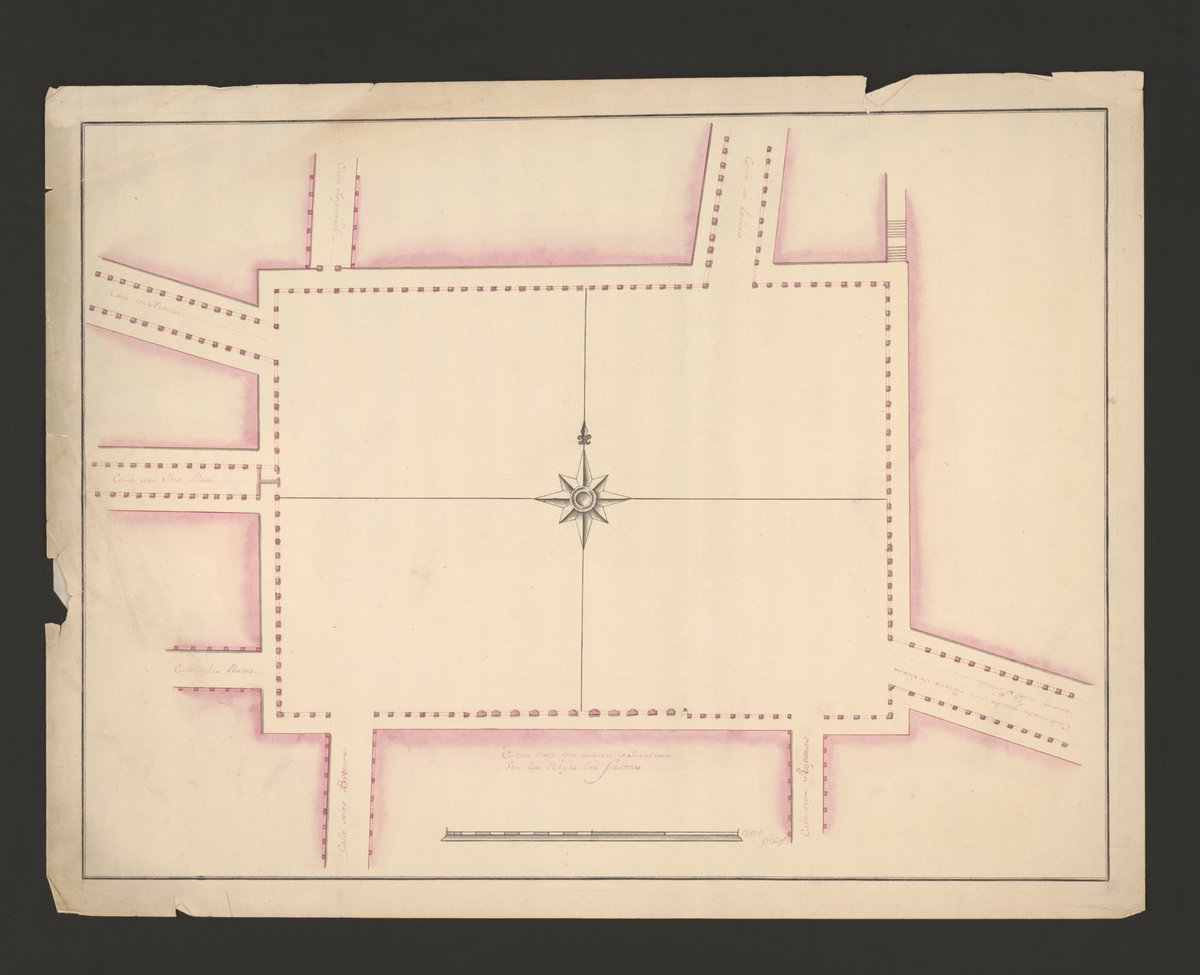
Philip III inaugurated the grand arcaded square designed by Juan Gómez de Mora. The uniform façades replaced the chaotic market square that had existed for centuries. Here bullfights, autos-da-fé, and royal proclamations would unfold under the watchful eyes of the monarchy.
- 1630
Buen Retiro Palace Rises
Philip IV began construction of a lavish pleasure palace and gardens east of the city. The Buen Retiro complex, with its magnificent lake and Salón de Reinos, became a stage for courtly spectacle and artistic patronage during Spain's most brilliant yet troubled century.
- 1701
War of the Spanish Succession
Madrid found itself caught between Bourbon and Habsburg claimants. The city changed hands multiple times as European powers fought over the Spanish throne. The conflict would ultimately deliver Spain into the hands of the French Bourbon dynasty.
- 1734
Christmas Eve Fire Destroys Alcázar
Flames tore through the old Habsburg palace on Christmas Eve. The fire raged for days, destroying the medieval fortress that had stood for centuries. From its ashes would eventually rise the monumental Royal Palace we know today.
- 1759
Charles III Remakes the City
The enlightened monarch began transforming Madrid into a modern European capital. He widened streets, created the Paseo del Prado, built monumental fountains, and established the Royal Botanical Garden. The city finally began to smell and look like a proper capital.
- 1785
The Prado Building Begins
Juan de Villanueva started work on what was intended to be a natural history museum. The elegant neoclassical building would later house one of the world's greatest art collections. Its construction marked Madrid's emergence as a center of Enlightenment science and culture.
- 1808
Dos de Mayo Uprising
On May 2nd, the people of Madrid rose against Napoleon's troops. The fierce street fighting and subsequent executions the following day were immortalized by Goya in his most haunting paintings. The event ignited the Peninsular War and Spanish national consciousness.
- 1819
Prado Museum Opens
The former natural history building officially opened as Spain's national art gallery on November 19th. Ferdinand VII allowed public access to the royal collections. The Prado quickly became the city's cultural heart and a symbol of Spanish artistic genius.
- 1910
Construction of Gran Vía Begins
Twenty-two streets were demolished to create Madrid's grand new thoroughfare. The project symbolized the city's determination to become a modern metropolis. Over the next two decades, the Gran Vía would fill with theaters, department stores, and American-style skyscrapers.
- 1936
Siege of Madrid
Nationalist forces attacked the capital in November. For nearly three years, Madrid endured artillery bombardment, air raids, and desperate shortages while becoming the international symbol of Republican resistance. The University City and Casa de Campo saw some of the war's fiercest fighting.
- 1975
Death of Franco
The dictator's death in November ended nearly four decades of authoritarian rule. Madrid became the epicenter of Spain's delicate transition to democracy. The city that had suffered so much during the Civil War now cautiously embraced a new future.
- 1986
Spain Joins the European Union
Madrid celebrated as Spain formally entered the European Communities. The city rapidly transformed with new investment, infrastructure, and international confidence. The Movida cultural movement of the 1980s gave the capital a creative energy not seen since the Golden Age.
- 1992
Guernica Comes to Reina Sofía
Picasso's monumental anti-war masterpiece was finally installed in its permanent home at the Reina Sofía Museum on July 26th. The painting that had been exiled for decades returned to Spain, becoming the centerpiece of Madrid's modern art collection.
- 2004
11-M Train Bombings
Coordinated terrorist attacks on Madrid's commuter trains killed 193 people on March 11th. The city responded with massive silent demonstrations and quiet resilience. The tragedy became a defining moment in Spain's democratic maturity.
- 2021
Paseo del Prado Becomes UNESCO Site
The 'Landscape of Light' encompassing the Prado, Retiro Park, and surrounding boulevards was inscribed as Madrid's first UNESCO World Heritage Site on July 25th. The recognition honored centuries of careful urban planning and cultural vision.
- 2023
Royal Collections Gallery Opens
A long-delayed museum project finally opened in June, displaying treasures from Spain's royal past in a striking new building. The gallery completed the royal cultural triangle between the Palace, Almudena Cathedral, and Madrid Río.
Who lived here
-
Painter · 1746–1828
Francisco de Goya
Lived and worked here 1775–1824
Goya arrived in Madrid at 29 as a tapestry designer for the Royal Factory and eventually became court painter. He lived through the Napoleonic invasion that inspired his terrifying "Disasters of War" prints. Today you can stand in the Prado in front of both his sunny tapestry cartoons and the dark "Black Paintings" and see how the same city produced both.
-
Artist · 1881–1973
Pablo Picasso
Guernica permanently housed here since 1981
Though born in Málaga, Picasso’s Guernica has lived in Madrid since Spain’s return to democracy. He refused to let it come to Spain while Franco ruled. Standing in front of the vast canvas at Reina Sofía, you can still feel the artist’s rage at the 1937 bombing. Locals joke the painting is now more Madrilenian than many natives.
-
Queen · 1830–1904
Isabella II of Spain
Reigned from Madrid 1833–1868
Born in the Royal Palace, Isabel II spent her turbulent reign trying to modernise Madrid while surviving revolutions. She inaugurated the Teatro Real and saw the first railways arrive. The city still carries traces of her era in the grand 19th-century boulevards that replaced old walls.
Where to Eat
Where locals actually book dinner — not the tourist menus.
Insider tips
Small things that change how the city treats you.
Visit in Spring
April-May offers 17–23°C days, almond blossom in Quinta de los Molinos, and manageable crowds before the 35°C July highs. Book Prado and Royal Collections Gallery tickets in advance.Mind Your Belongings
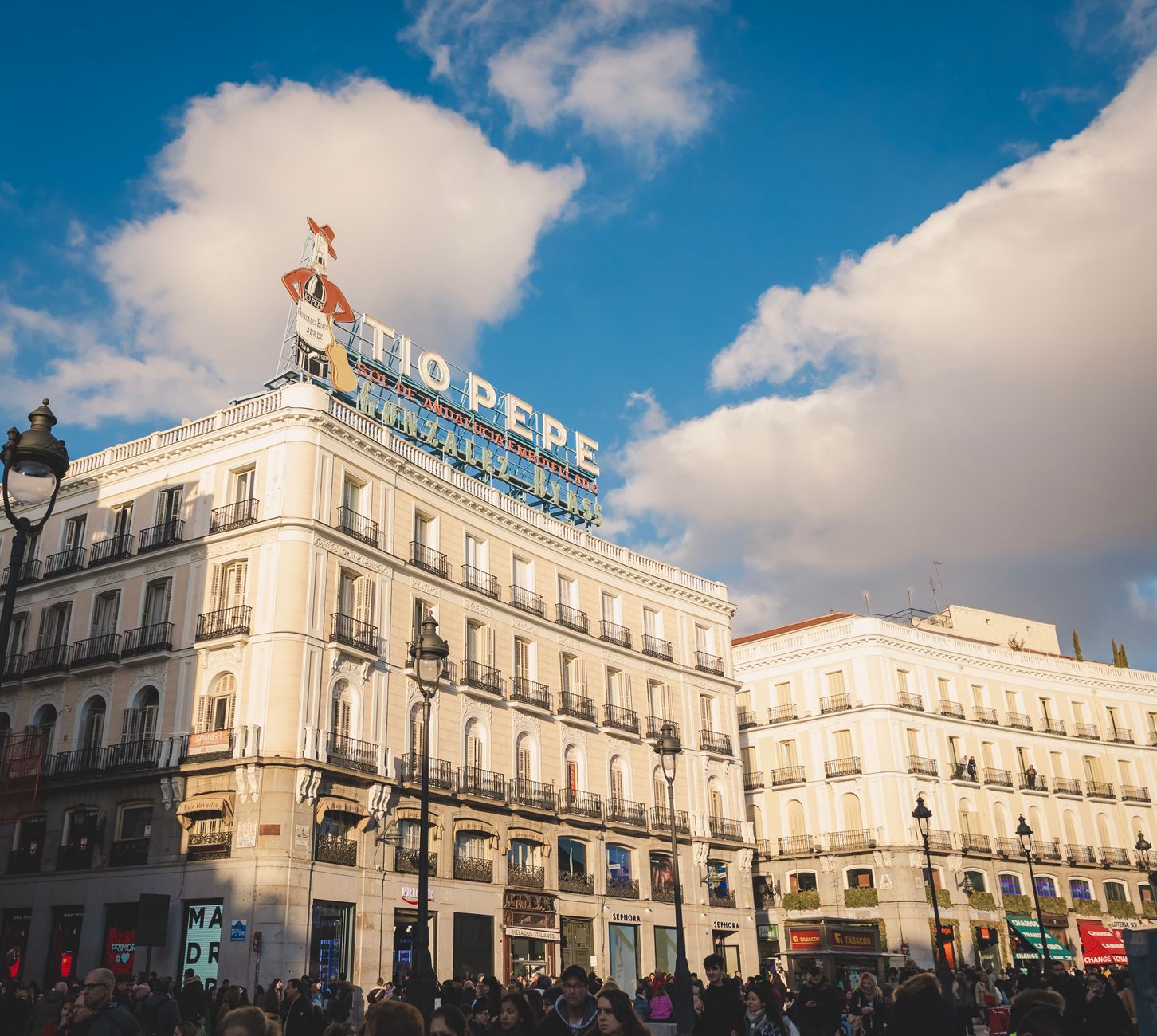
Petty theft concentrates around Sol, Gran Vía, Plaza Mayor and Atocha. Keep bags in front of you on metro and buses; the Policía Nacional Safe Tourism Plan specifically flags these zones.Buy the Tourist Pass
The 3-day Zone A Tourist Travel Pass (€22.50) includes the airport metro supplement, unlimited travel on metro, buses and Cercanías, and covers most visitor needs until 31 Dec 2026.Use Airport Express
Bus 203 runs 24/7 for €5.10 between Cibeles and all terminals. It is simpler than Metro Line 8 for first-timers carrying luggage.Eat Late Like Locals
Lunch after 14:00 and dinner after 21:00 matches Madrid rhythm. Many traditional taverns in the Austrias area still serve cocido and vermut on Sundays.Sunset at Debod
The 2nd-century BC Egyptian temple in Parque del Oeste offers one of the city’s best free skyline-and-mountain views. Arrive 30 minutes before sunset.Tipping Is Optional
Leave small change only for exceptional service. Many places now add a disclosed €2–3 bread charge; you can refuse it.
Gallery
The city, as it actually looks.



Watch
Frequently asked
Is Madrid worth visiting?
Yes, Madrid is worth visiting for its unmatched density of world-class art museums within walking distance and its lived-in Habsburg and Bourbon cityscape. The Art Walk (Prado, Thyssen-Bornemisza, Reina Sofía) plus the new Royal Collections Gallery and El Retiro Park give more high-quality culture per square kilometre than most capitals. Even beyond the landmarks, the everyday rhythm of late lunches, flea markets like El Rastro, and neighbourhood parks makes the city feel alive rather than staged.
How many days do you need in Madrid?
Most first-time visitors need 3–5 days. Three days lets you cover the Art Walk, Royal Palace complex, Retiro, and a Sunday Rastro visit. Five days gives breathing room for hidden parks like El Capricho or Quinta de los Molinos, a Bernabéu tour, and one day trip to Toledo or Segovia. The city centre is compact, so you can see a surprising amount on foot.
How to get from Madrid airport to the city centre?
The cheapest option is Metro Line 8 (€4.50–5 with airport supplement) or the 24/7 Airport Express bus 203 (€5.10) to Cibeles. Official taxis charge a fixed €33 to anywhere inside the M-30 ring road. Cercanías train serves only Terminal 4. Allow 30–45 minutes to central Madrid.
Is Madrid safe for tourists?
Madrid is generally safe but experiences typical big-city pickpocketing in Sol, Gran Vía, Plaza Mayor and at major stations. Follow normal precautions: keep valuables in front, avoid flashing cash or phones, and use the SATE tourist police service if needed. The city is walkable at night in central areas; just stay alert in crowded tourist spots.
When is the best time to visit Madrid?
April–May and late September–October are ideal, with comfortable temperatures for walking and lower rainfall than November. July and August are dry but regularly exceed 35°C. January is the coldest month with average highs of only 10.7°C. Almond blossom in early spring at Quinta de los Molinos is a local favourite.
Should I buy the Madrid City Card or Tourist Travel Pass?
Buy the standalone Zone A Tourist Travel Pass if you mainly need transport. Choose the Madrid City Card if you also want attraction discounts and some skip-the-line access. The 3-day Tourist Travel Pass at €22.50 already includes the airport metro supplement and covers almost everything most visitors need.
All Places to Visit.
419 places to discover
Place
National Archaeological Museum
Place
Royal Palace of Madrid
Place
Pozuelo De Alarcón
Place
Thyssen-Bornemisza Museum
Place
Plaza De España
Place
Puerta De Alcalá
Place
Cortes
Place
Fountain of Cybele

Place
Real Botanic Garden of Madrid
Place
Main Square
Place
Palace of Moncloa
Place
Almudena Cathedral
Place
El Retiro Park
Place
El Capricho Park
Place
Iglesia Santa María La Real De La Almudena

Place
Palace of Zarzuela
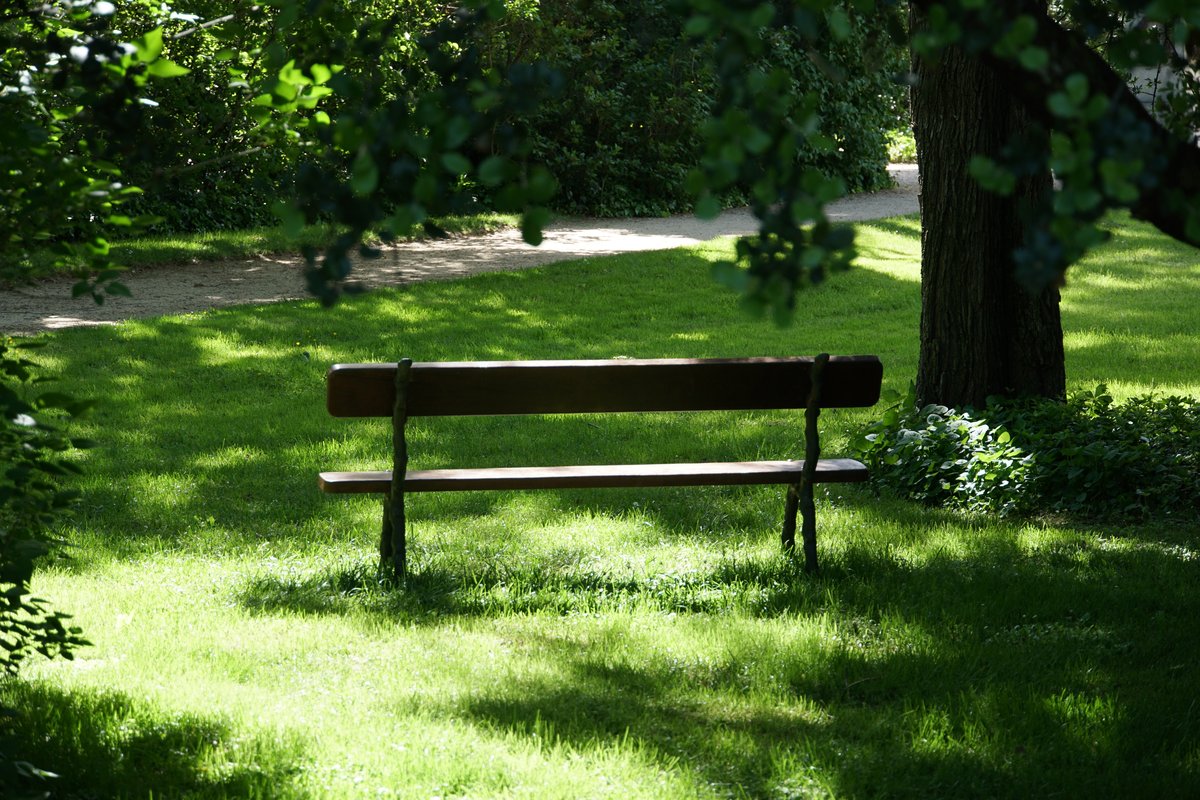
Place
Retiro Park

Place
Casa De Campo Park
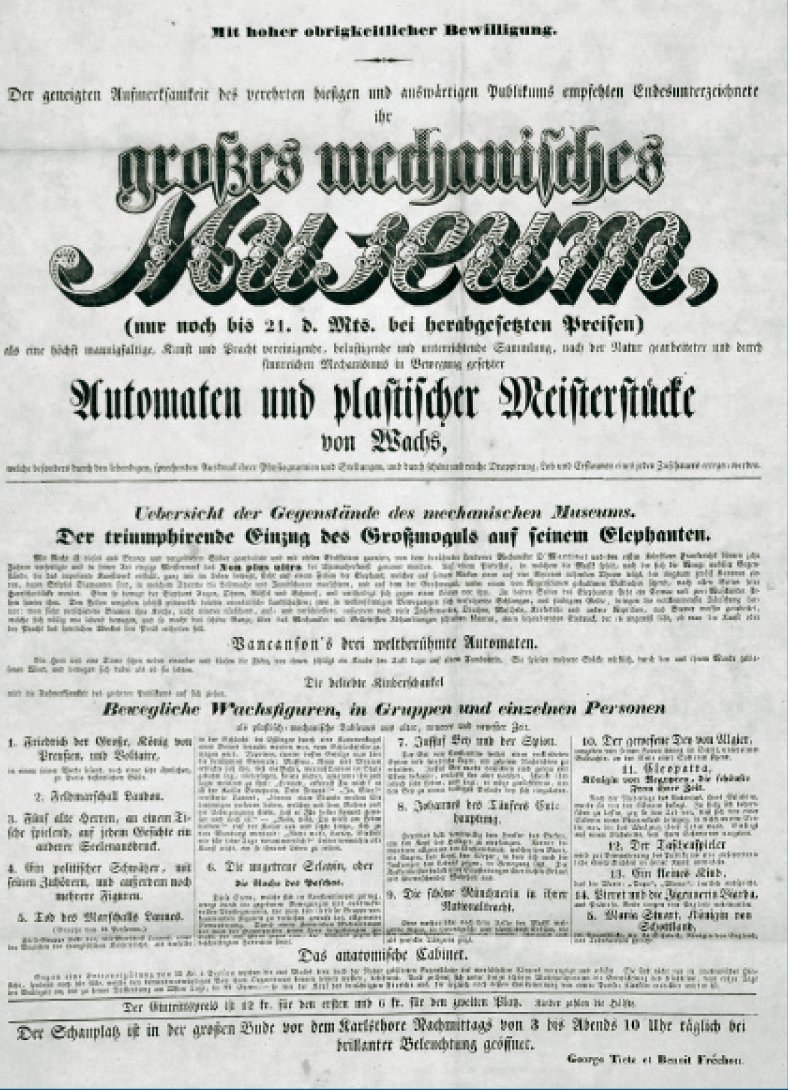
Place
Wax Museum

Place
Buen Retiro Palace
Place
Temple of Debod
Place
Plaza De Cibeles

Place
Zoo Aquarium De Madrid
Place
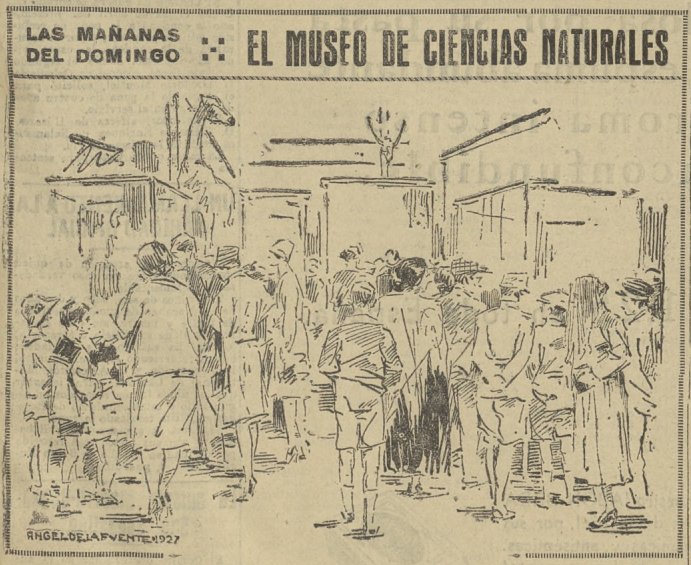
National Museum of Natural History

Place
La Almudena Cemetery
Place
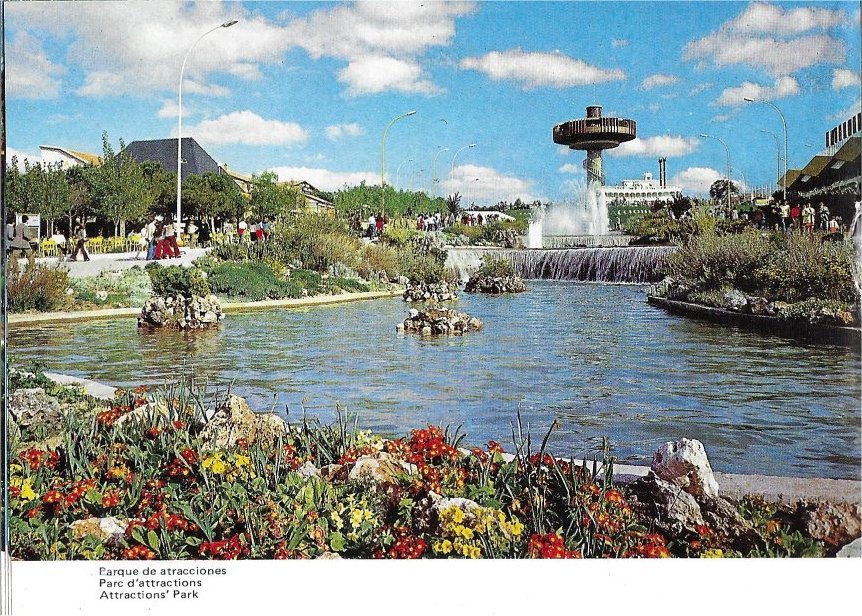
Parque De Atracciones De Madrid

Place
Museum of the Americas
Place
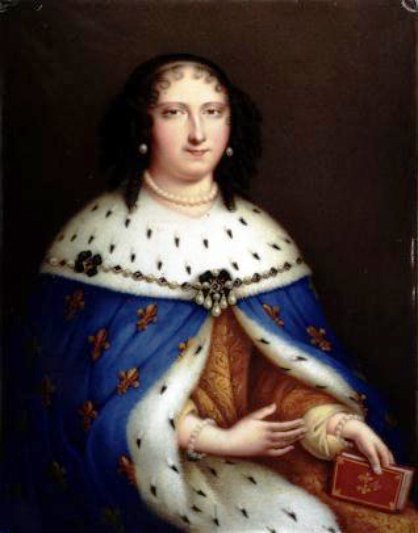
Lázaro Galdiano Museum
Place
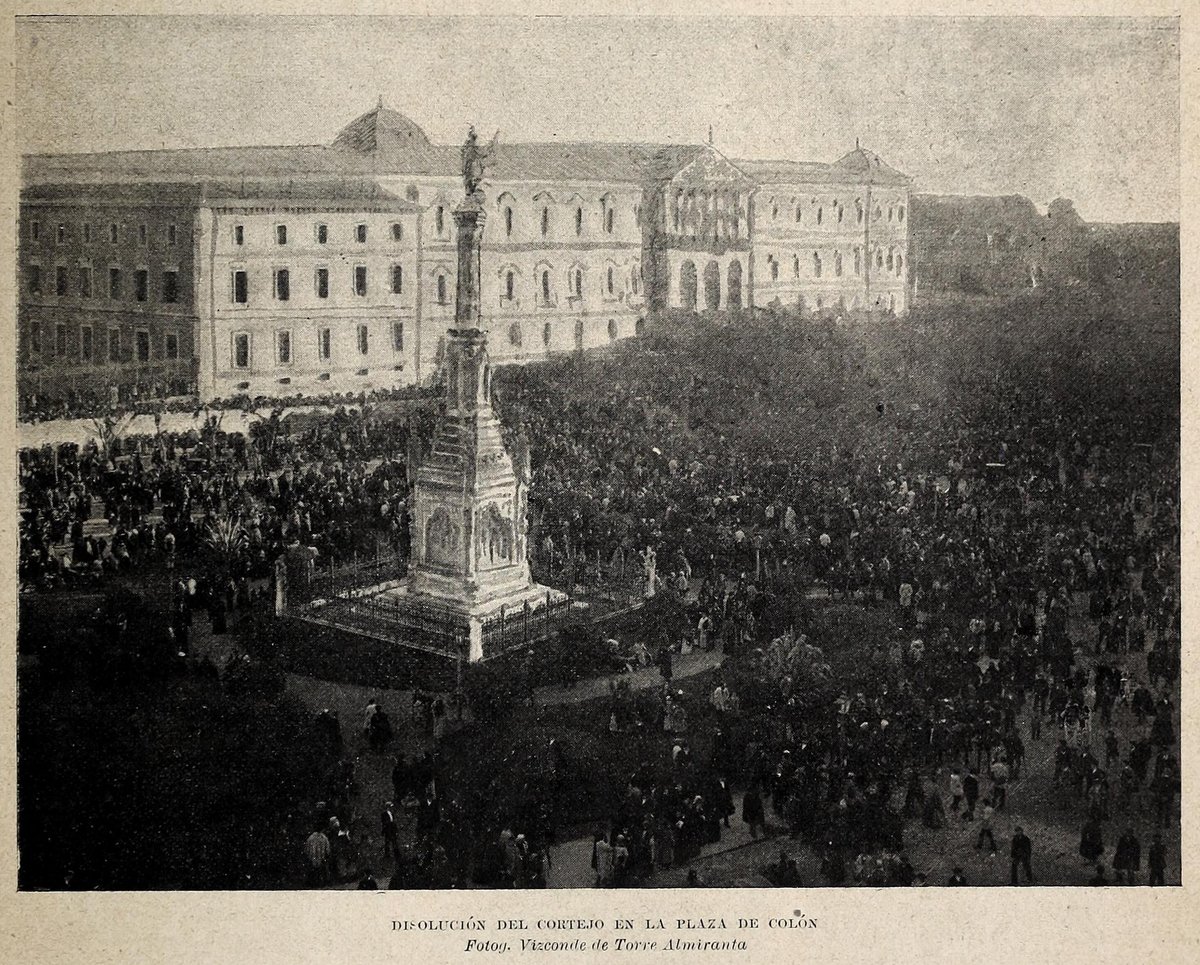
Plaza De Colón
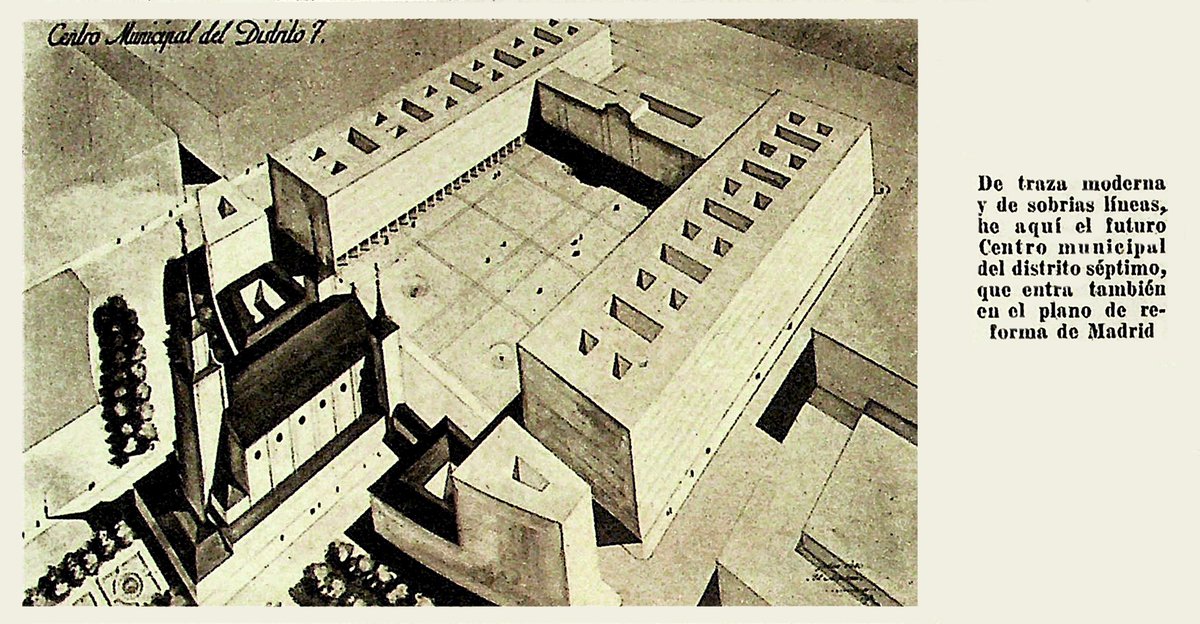
Place
Centro

Place
Cybele Palace

Place
Royal Spanish Academy
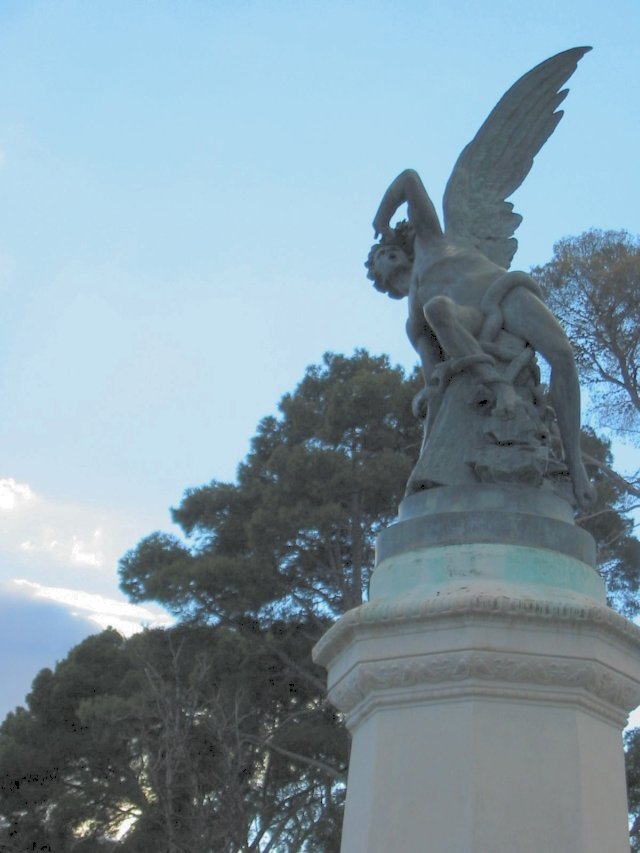
Place
Fuente Del Ángel Caído
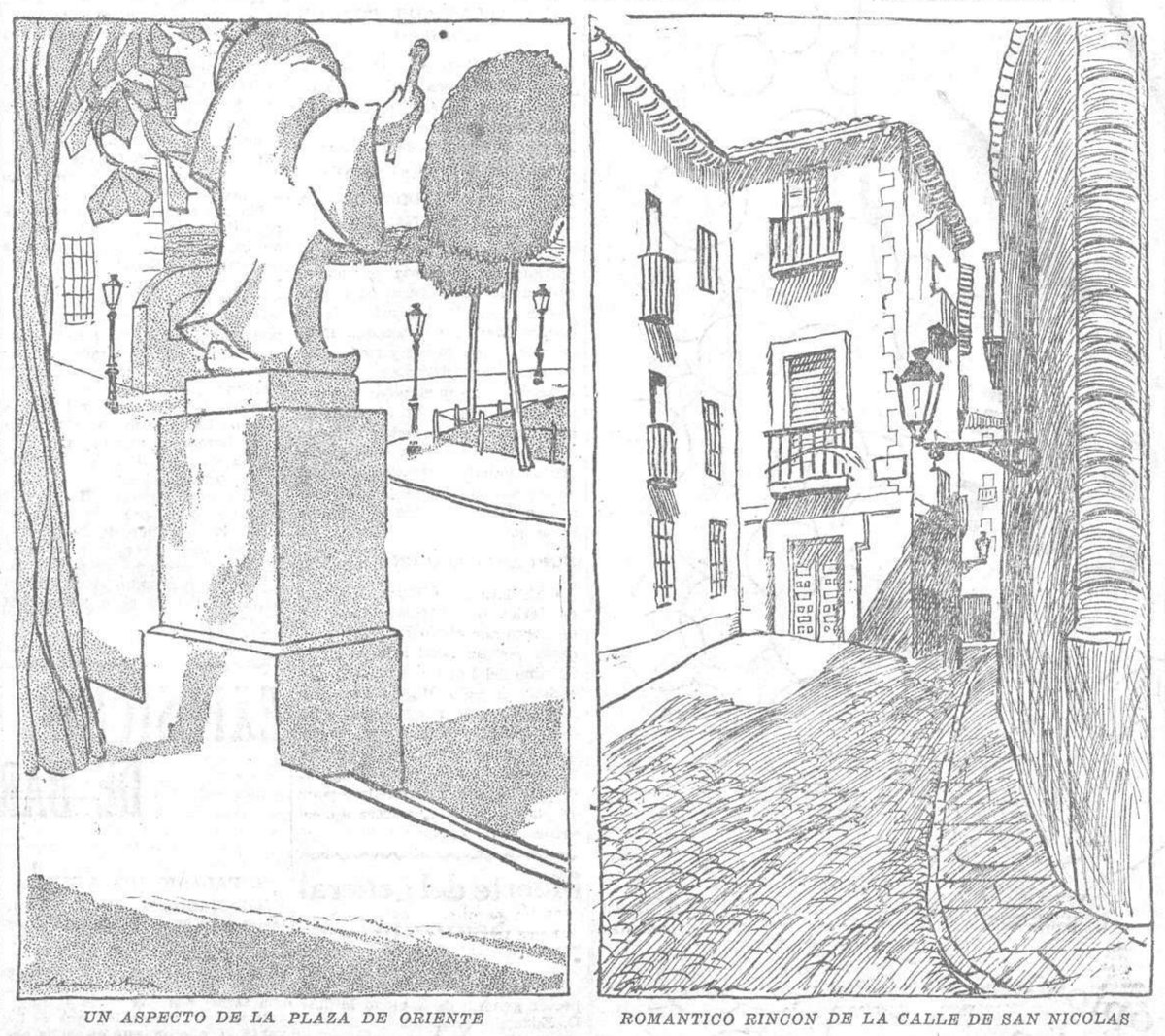
Place
Oriente Square
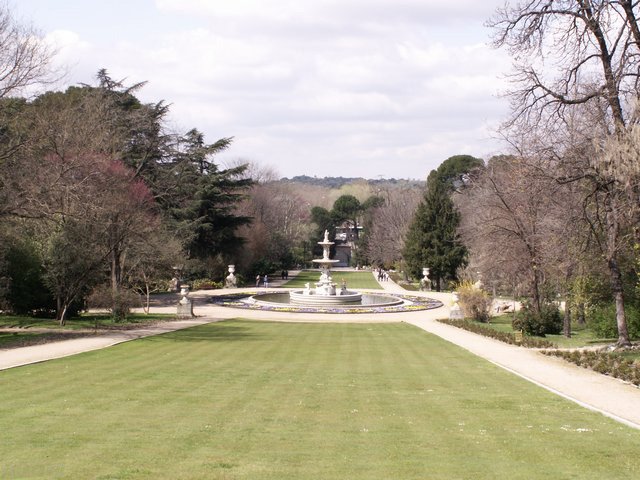
Place
Campo Del Moro
Place
Statue of Marcelino Menéndez Pelayo

Place
Sorolla Museum
Place
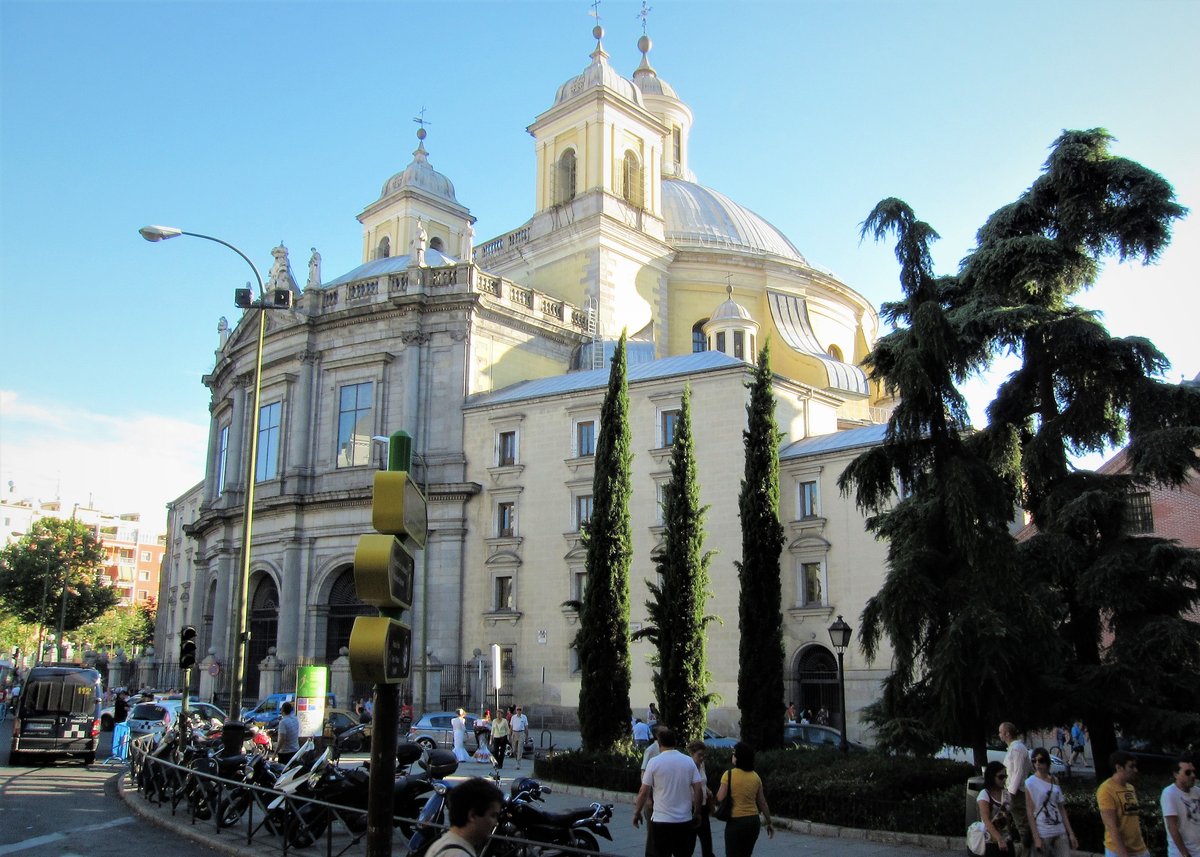
Royal Basilica of Saint Francis the Great
Place
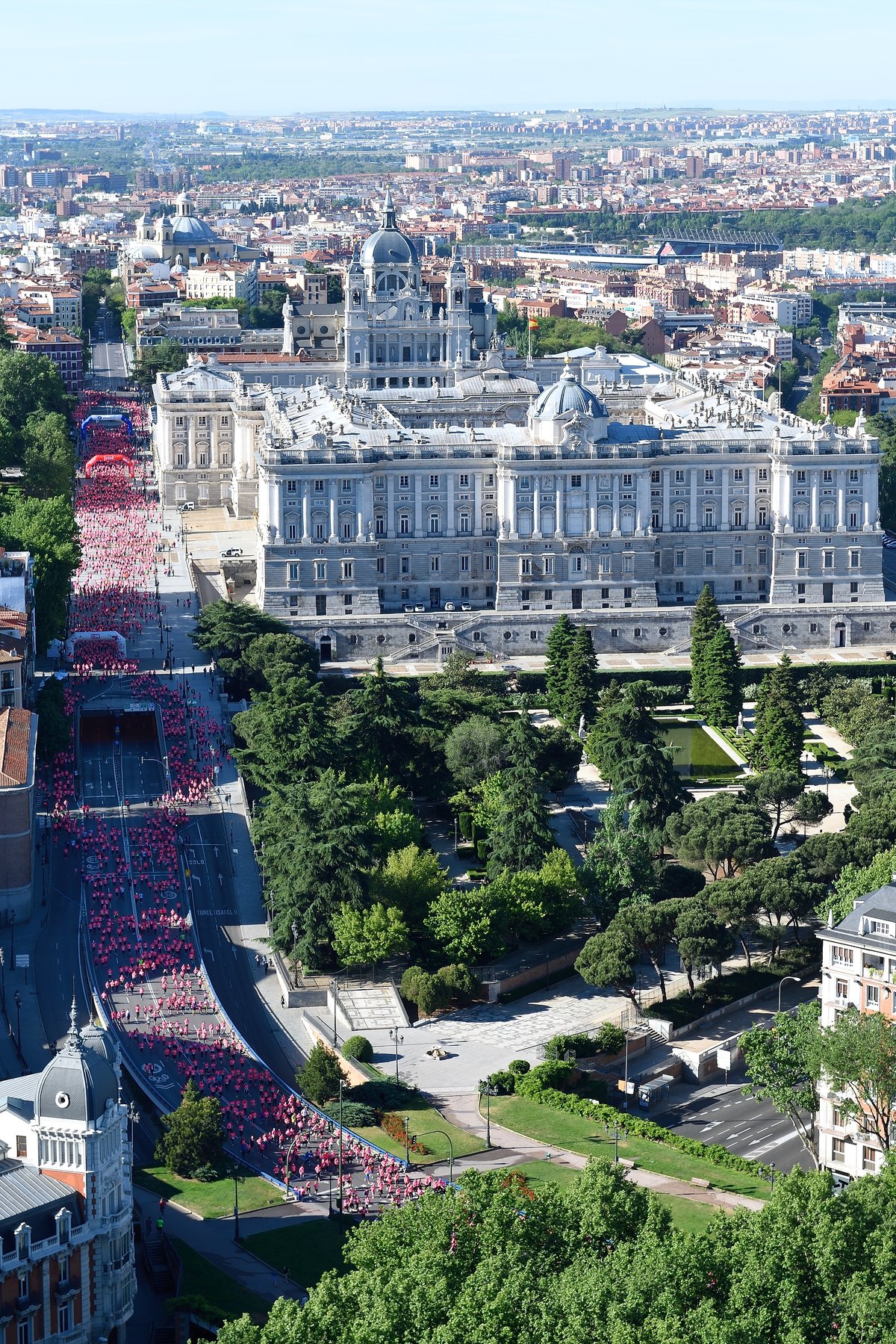
Sabatini Gardens

Place
Faunia
Place
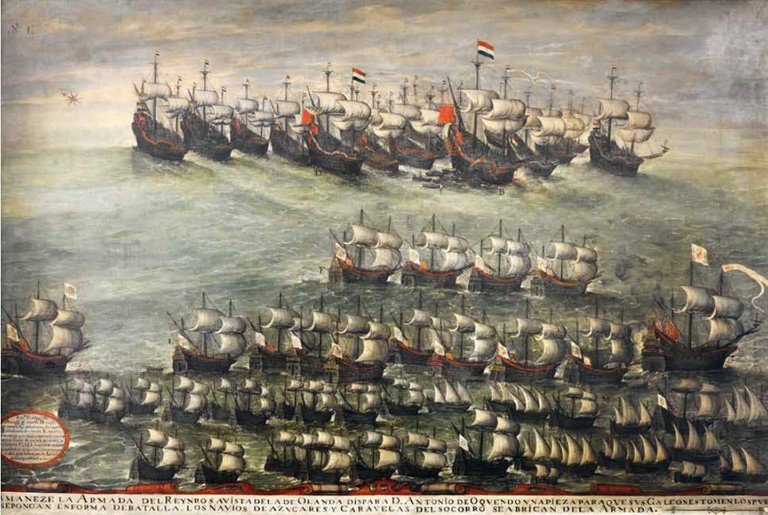
Naval Museum of Madrid
Place
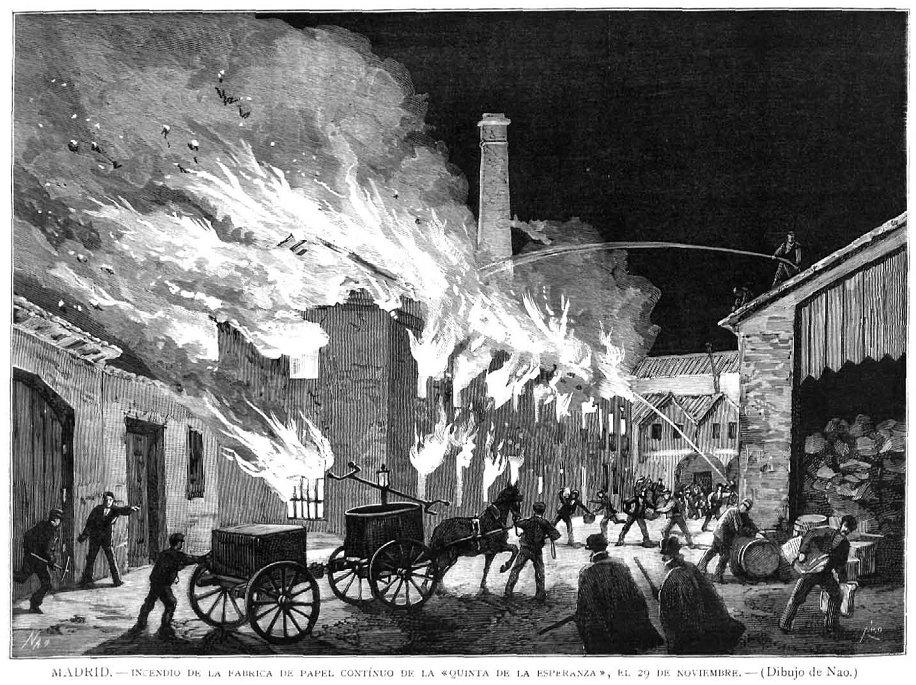
Arganzuela

Place
Museo Del Prado
Place
Hispanoamérica
Place
Royal Palace of El Pardo

Place
San Isidro Cemetery
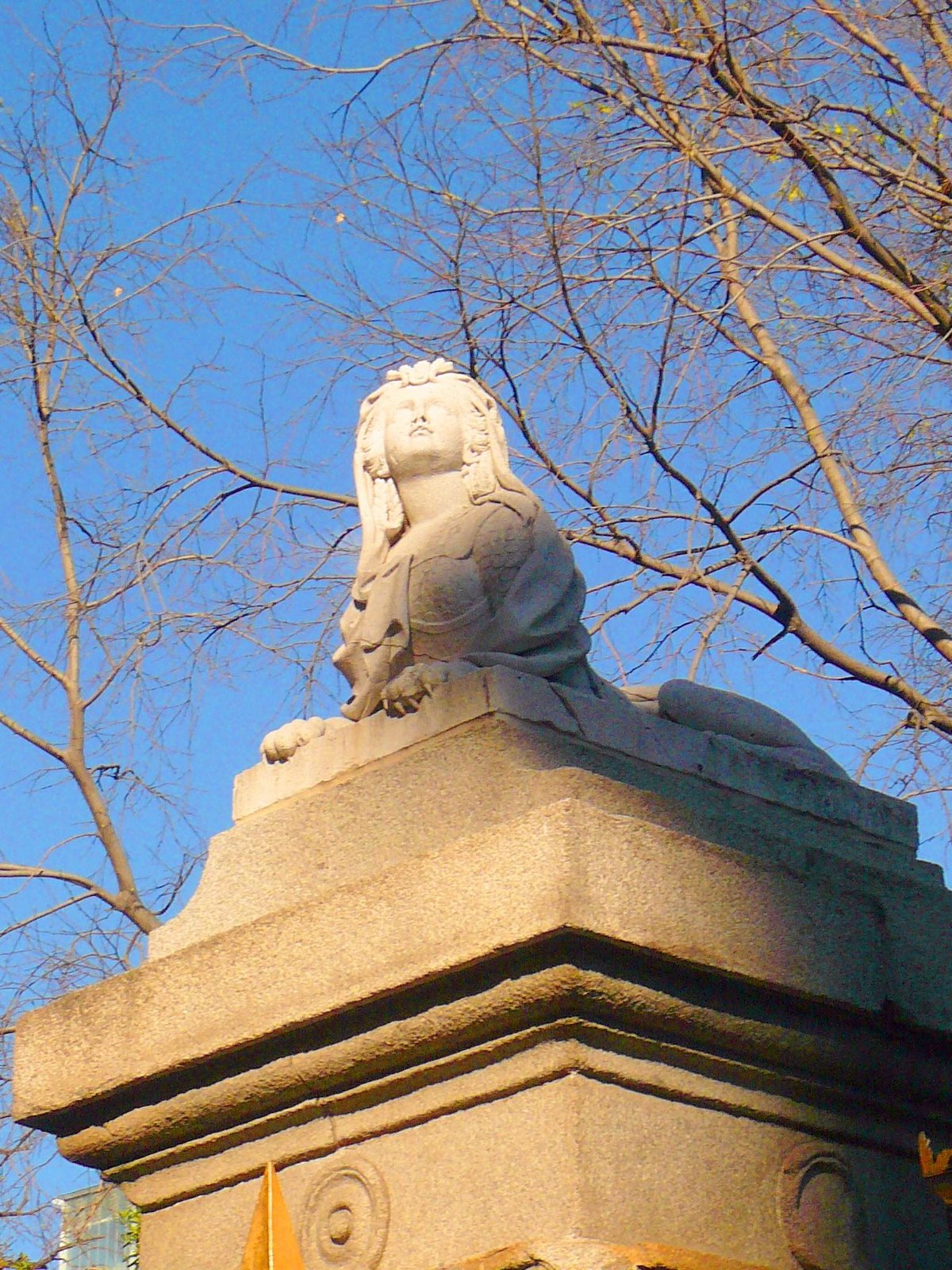
Place
Liria Palace
Showing 1–48 of 419 places
Pick up where you left off
Saved and recently read places — kept on this device only.
Photo credits (10)
- Travel Photographer — Pexels License (https://www.pexels.com/license/) — Source: https://www.pexels.com/photo/35398298/
- Julio García Photos — Pexels License (https://www.pexels.com/license/) — Source: https://www.pexels.com/photo/4279197/
- Poetarojo . — Pexels License (https://www.pexels.com/license/) — Source: https://www.pexels.com/photo/31718431/
- Sergey Guk — Pexels License (https://www.pexels.com/license/) — Source: https://www.pexels.com/photo/28688868/
- Sebastián Valencia Pineda — Pexels License (https://www.pexels.com/license/) — Source: https://www.pexels.com/photo/20875773/
- Emilio Garcia — Pexels License (https://www.pexels.com/license/) — Source: https://www.pexels.com/photo/22922086/
- Alex Hoces — Pexels License (https://www.pexels.com/license/) — Source: https://www.pexels.com/photo/21855180/
- Victor de Dompablo — Pexels License (https://www.pexels.com/license/) — Source: https://www.pexels.com/photo/22080093/
- Travel Photographer — Pexels License (https://www.pexels.com/license/) — Source: https://www.pexels.com/photo/35417776/
- Diego Spano — Pexels License (https://www.pexels.com/license/) — Source: https://www.pexels.com/photo/32380245/
Photos may have been resized or cropped.