From Communications Hub to Civic Landmark
Construction of Cybele Palace began in 1907, following the 1904 competition won by architects Antonio Palacios and Joaquín Otamendi. The building was inaugurated in 1919 as the Palacio de Comunicaciones, replacing the aging post office at Puerta del Sol. Its monumental scale and ornate design soon made it a city icon.
Throughout the 20th century, the palace witnessed Madrid’s political and social changes, transitioning from a communications hub to the city hall in 2007, after being declared a Cultural Heritage Property in 1993. (Spotting History, Viajeray Mochilero, Travblog, HollyMelody)
Architectural Significance
Design and Style
Cybele Palace is a fusion of neo-Gothic, neo-Romanesque, and Spanish Renaissance revival (neoplateresque) styles. Its white stone façade is accented with balustrades, heraldic sculptures, and decorative towers, inspired by Salamanca’s historic architecture. The palace’s central tower and ornate stonework create a cathedral-like effect that dominates the Plaza de Cibeles. (HollyMelody)
Structure and Innovations
Spanning over 22,000 square meters, the palace was constructed using reinforced concrete and steel, an advanced technique at the time. Large windows flood the interiors with natural light. The Galería de Cristal (Crystal Gallery), a glass-roofed atrium with stained glass and intricate ironwork, is a highlight of the building, hosting exhibitions and public events. (Guías Viajar)
Urban Context
Facing the Cibeles Fountain, the palace anchors one of Madrid’s most celebrated squares. Together, they form a striking ensemble, frequently photographed and the site of citywide celebrations, including Real Madrid’s football triumphs. (Travblog)
Civic and Cultural Role
Administrative and Cultural Transformation
In the early 2000s, Cybele Palace was repurposed as Madrid’s City Hall, with significant renovations preserving its historic elements while modernizing its facilities. Now home to CentroCentro, the palace is both a seat of government and a cultural hub, offering exhibitions, concerts, lectures, and community events. (soymadrid.org)
Community Engagement
The Galería de Cristal hosts major art installations, urbanism projects, and public gatherings. The palace is known as a “palace for the people” due to its open and inclusive programming. Its illuminated façade is a nightly spectacle, and the terraces are prized vantage points during city festivals. (worldcitytrail.com)
Visitor Experience: Hours, Tickets, and Access
Location and Getting There
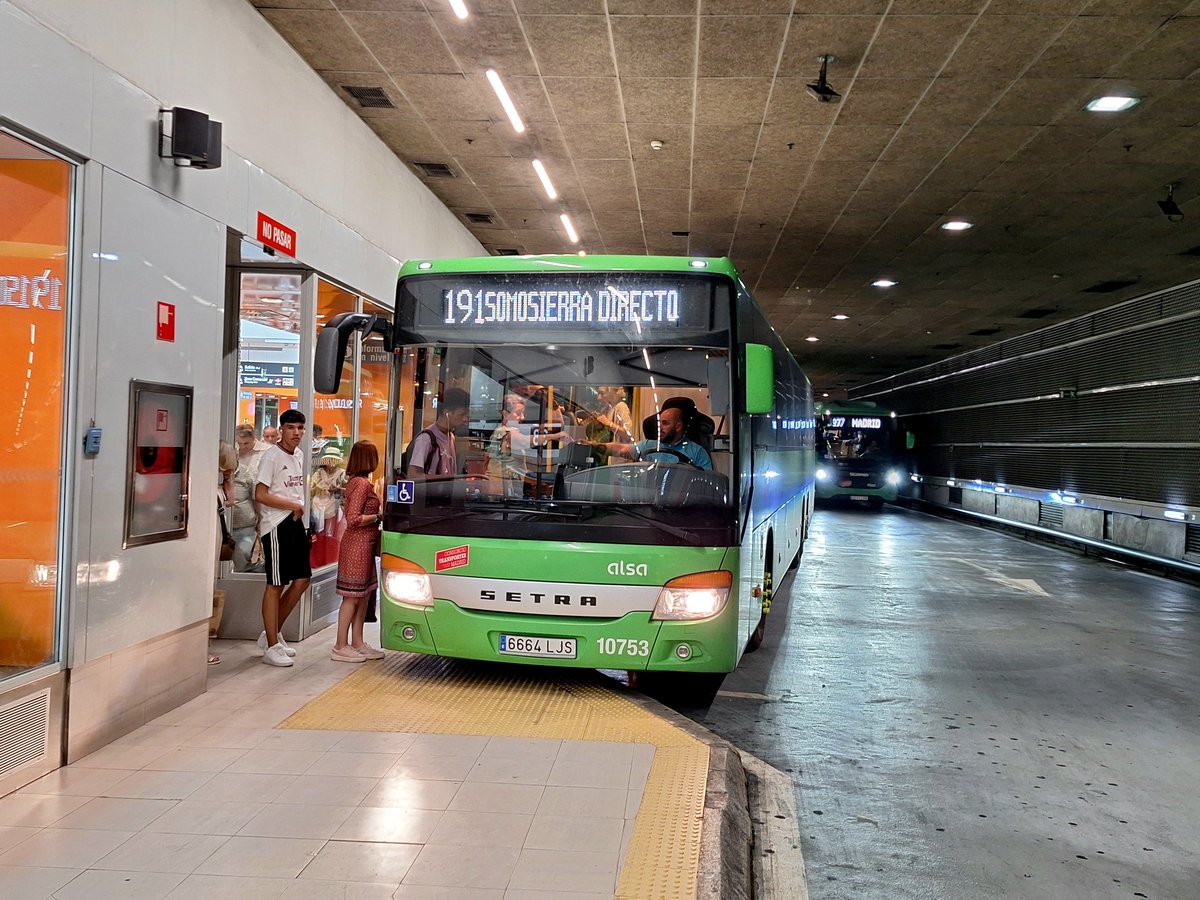
Cybele Palace is at Plaza de Cibeles, 1, 28014 Madrid. The nearest Metro station is Banco de España (Line 2), with numerous bus routes serving the square. (Introducing Madrid)
Opening Hours
- Tuesday to Sunday 10:00 a.m. – 8:00 p.m.
- Monday Closed
- Hours may vary for special events and holidays. Always check the official website before visiting.
Tickets and Admission
- General Admission Free (main areas and most exhibitions)
- Mirador Madrid (Observation Deck) €3 for adults; reduced rates for children, seniors, and other groups. Children under 6 enter free.
- Tickets for the Mirador can be bought online or at the palace. Advance booking is advised during weekends and holidays. (Introducing Madrid)
Facilities and Amenities
- Exhibitions Rotating art, architecture, and urban culture shows, mostly free.
- Viewpoints Sixth-floor terrace (drinks/snacks) and eighth-floor Mirador Madrid (panoramic views).
- Dining Café-restaurant on the sixth floor, open daily.
- Restrooms and Wi-Fi Available throughout the building.
- Accessibility Full wheelchair access, elevators, accessible restrooms, and staff assistance.
- Guided Tours Occasional tours for special exhibitions (check the official site).
- Information Desks Multilingual staff available.
Annual Events at Cybele Palace
- CentroCentro Concert Series Regular chamber music and cultural programs.
- Veranos de la Villa Summer festival (July-August) with music, dance, and theater in the Crystal Gallery.
- Open House Madrid Guided architectural tours in September.
- La Vuelta a España Cycling tour finale at Plaza de Cibeles in September.
- Meninas Madrid Gallery November-December public art installations.
- Holiday Celebrations Christmas and New Year’s Eve light shows and events. (esmadrid.com, Guías Viajar, Madrid Traveller)
Nearby Attractions and Suggested Itineraries
- Retiro Park Madrid’s renowned green space, ideal for walking and relaxing.
- Prado Museum World-famous art collection within easy reach.
- Gran Vía Iconic shopping and entertainment boulevard, visible from the palace’s rooftop.
- Cibeles Fountain, Banco de España, Linares Palace, Buenavista Palace Architectural landmarks around the square.
- Museo Naval, Thyssen-Bornemisza Museum, Círculo de Bellas Artes All within a 5-minute walk.
Visitor Tips
- Best Time to Visit Arrive early or later in the afternoon for fewer crowds and softer light for photography.
- Viewpoint Reservations Book Mirador Madrid tickets in advance, especially on weekends or holidays.
- Combine Visits Plan to visit nearby museums and landmarks for a full day out.
- Photography Photography is allowed in most areas. Use handheld cameras only.
- Check Event Listings Visit the CentroCentro website for current exhibitions and events.
- Etiquette Respect quiet zones, no smoking, and consume food/drink only in designated areas.
Frequently Asked Questions (FAQ)
Q: What are Cybele Palace visiting hours?
A: Tuesday to Sunday, 10:00 a.m. – 8:00 p.m.; closed Mondays.
Q: Is there an entrance fee?
A: General admission is free; Mirador Madrid observation deck requires a ticket.
Q: How do I buy tickets?
A: Purchase online in advance or at the palace for Mirador Madrid access.
Q: Is the palace accessible?
A: Yes, it is fully accessible with elevators, ramps, and accessible restrooms.
Q: Are guided tours available?
A: Occasional guided tours are available for special exhibitions (check the official site).
Q: What nearby attractions should I visit?
A: Prado Museum, Retiro Park, Gran Vía, and other nearby cultural sites.