Historical Development
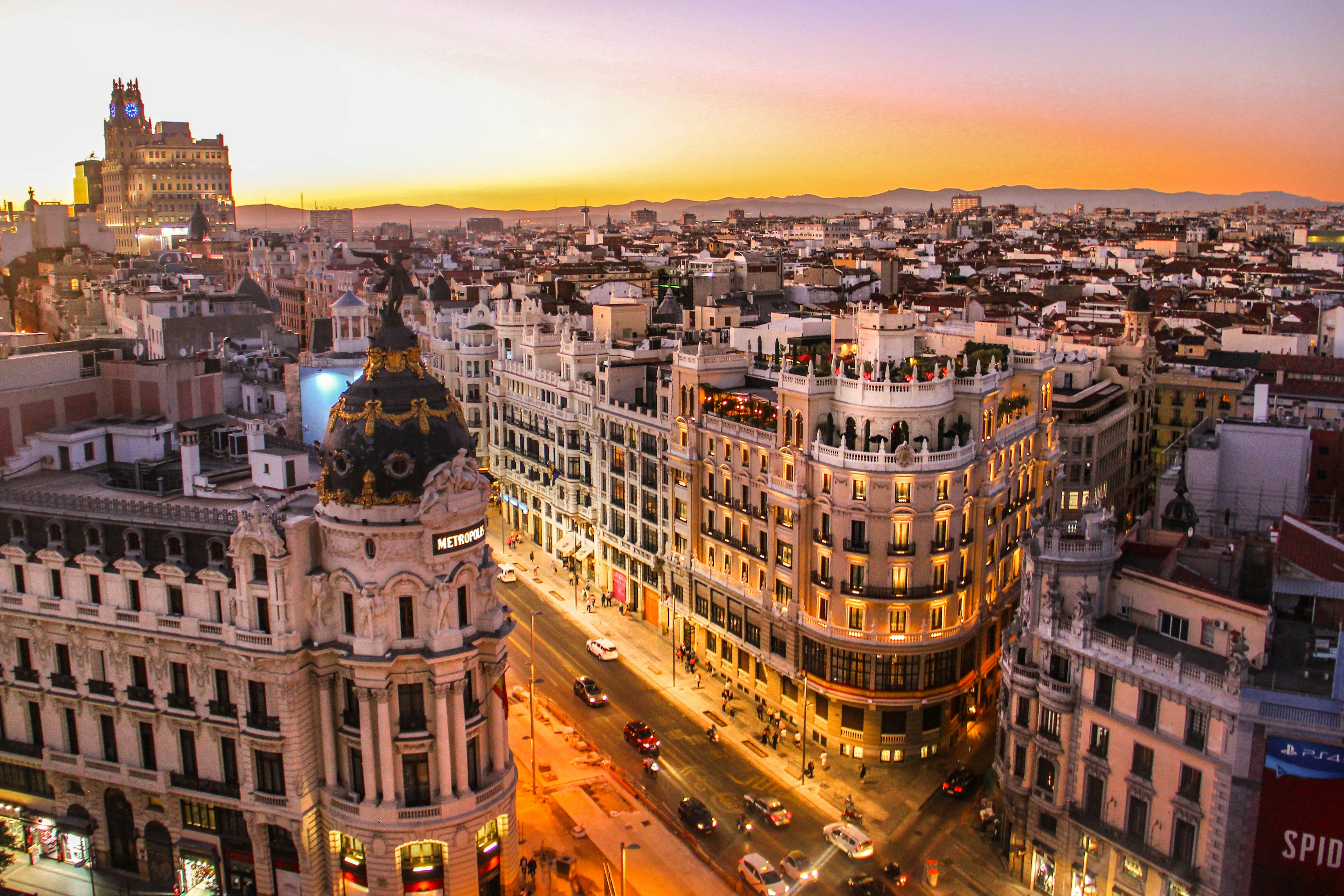
Arapiles is one of the administrative neighborhoods in Chamberí, home to over 24,000 residents as of 2021 (Wikipedia). Developed during Madrid’s late 19th- and early 20th-century expansion, Arapiles features a grid layout, broad boulevards, and elegant residential buildings—contrasting with the winding alleys of the city’s medieval core (Spainist). The neighborhood’s name pays tribute to the Battle of Los Arapiles (1812), reflecting the local tradition of honoring significant moments in Spanish history.
Architectural and Cultural Heritage
Arapiles exemplifies the urban planning ideals of its era, with neoclassical facades, decorative balconies, and grand entryways. The neighborhood’s tree-lined streets and plazas, such as Plaza de Olavide, encourage community interaction and contribute to a welcoming atmosphere (Spainist). Arapiles is also known for its independent cultural venues—bookstores, theaters, and cafés—that nurture a strong artistic and intellectual community (Withlocals).
Landmarks and Points of Interest
While Arapiles itself does not function as a traditional tourist attraction with set hours or ticketing, it is surrounded by notable sites:
- Teatro Galileo A hub for contemporary performing arts.
- Museo Sorolla Nearby museum and former home of painter Joaquín Sorolla (The Collector).
- Plaza de Olavide A lively plaza popular for its terraces and community gatherings.
Other major Madrid landmarks like the Prado Museum, Plaza Mayor, and Royal Palace are easily accessible (Nomadic Matt).
Practical Visitor Information
- Hours and Tickets As a residential district, Arapiles has no formal opening hours or entrance fees. Explore at your leisure.
- Getting Around Metro stations Iglesia and Quevedo, plus several bus lines, provide easy access.
- What to Expect Wear comfortable shoes, visit during daylight for the best experience, and enjoy the safe, friendly environment.
Things to Do:
- Browse independent bookstores and cafés.
- Attend local theater performances.
- Sample traditional Spanish cuisine at neighborhood taverns.
- Participate in community events and markets.
Social and Demographic Evolution
Initially a middle-class enclave, Arapiles has become increasingly diverse. Its vibrant mix of residents is reflected in eclectic shops and restaurants, and local associations actively promote both cultural preservation and new initiatives (Wikipedia).
Integration with Madrid’s Historical Narrative
Arapiles’ urban design and commemorative street names highlight Madrid’s resilience and modernization, linking local identity to national historical milestones.
Cultural Events and Seasonal Highlights
The neighborhood participates in citywide cultural programs such as Veranos de la Villa, and regularly hosts art exhibitions, readings, and neighborhood markets (Madrid Traveller; Esmadrid).
FAQs
Q: Does Arapiles have specific visiting hours or require tickets?
A: No. It is a freely accessible neighborhood.
Q: What are the main activities for visitors?
A: Architecture walks, local dining, theater, and community events.
Q: How do I reach Arapiles?
A: Metro (Iglesia, Quevedo) or bus.
Q: Are there tourist attractions nearby?
A: Yes, including Museo Sorolla, Plaza de Olavide, and central Madrid landmarks.
Q: Is Arapiles safe?
A: Yes, it is a safe residential area.
The Mercado de Vallehermoso, established in 1933, stands as a testament to Madrid’s market tradition and urban renewal. Following a significant revitalization in 2015, it now combines traditional fresh produce stalls with modern gourmet offerings—making it a culinary and social destination in Arapiles.
Visitor Information
- Address Calle de Vallehermoso, 36, 28015 Madrid
- Opening Hours
- Mon–Thurs: 10:00 AM – 11:00 PM
- Fri–Sat: 10:00 AM – 1:00 AM
- Sun: 10:00 AM – 5:00 PM
(Check for holiday variations.)
- Entry Free; pay at individual stalls.
- Getting There
- Metro: Canal (Lines 2, 7), Quevedo (Line 2)
- Bus: Multiple lines nearby
- Accessibility Wheelchair accessible.
What to See and Do
- Browse traditional market stalls for local produce.
- Explore gourmet stands offering craft beer, international cuisine, and tapas.
- Enjoy the vibrant evening social scene.
Special events and workshops are hosted periodically—check the market’s website or social channels for details.
Nearby Attractions
- Teatro de La Abadía (performing arts)
- Centro Cultural Galileo (exhibitions and events)
- Pastelería Mallorca (historic pastry shop)
Visitor Tips:
- Evenings are lively and ideal for tapas.
- Arrive early on weekends for a relaxed visit.
- Try a mix of traditional and international dishes.
FAQs:
- Holiday hours may vary—check ahead.
- Entry is free; pay at stalls.
- Family-friendly atmosphere.
- Pets are not allowed except service animals.
- The market is accessible for wheelchairs.
Introduction
Arapiles combines Madrid’s culinary tradition with modern dining trends, creating an ideal destination for food lovers seeking authentic and innovative experiences.
Dining Hours and Accessibility
- Restaurants and markets typically open from late morning through late evening.
- Lunch: 1:30 PM – 4:00 PM; Dinner: from 8:00 PM.
- Metro: Quevedo and San Bernardo stations (Lines 2 and 4).
- Walkable, with no entry fees to explore the neighborhood.
Local Gastronomy
Traditional Spanish Cuisine
Sample classic Madrid dishes:
- Cocido Madrileño (chickpea stew)
- Callos a la Madrileña (tripe stew)
- Tortilla Española (Spanish omelet)
- Bocadillo de Calamares (fried calamari sandwich)
Sourced with fresh ingredients from markets like Mercado de Chamberí (Earth Trekkers).
Tapas Culture
Enjoy tapas hopping at:
- El Doble Renowned for seafood tapas and a lively atmosphere (World of Mouth).
- Sacha Nearby, famous for creative cuisine (World of Mouth).
Modern and International Influences
- ARAIA Mediterranean-inspired creative dishes (World of Mouth).
- Mawey Taco Bar Inventive Mexican fare (Madrid Secreto).
Markets and Specialty Dining
- Mercado de Chamberí Gourmet stalls, fresh seafood, and more (Earth Trekkers).
- Michelin-starred options are available nearby for special occasions.
Cafés and Bakeries
Enjoy:
- Churros con Chocolate at local churrerías
- Artisan pastries like napolitanas and rosquillas (Time Out Madrid)
Visitor Experience & Tips
- Relaxed, local vibe; terraces are popular in spring and autumn (Splendidly Spain).
- Menú del día (set lunch) offers value at €12–€18.
- Outdoor dining is best in mild weather; reserve ahead on weekends.
- Standard safety precautions apply (Splendidly Spain).
Local Recommendations:
- Tapas crawl: El Doble → traditional taberna → ARAIA.
- Market lunch at Mercado de Chamberí.
- Evening terrace dining for ambiance.
FAQs
Q: Best hours for dining?
A: Lunch: 1:30–4 PM; Dinner: from 8 PM.
Q: How to get there?
A: Metro: Quevedo, San Bernardo.
Q: Entry fees?
A: None for the neighborhood; admission may apply for nearby attractions.
Q: Is it safe?
A: Yes, standard travel caution is advised.
Public Transport
- Metro Lines 7 (Iglesia), 5 (Quevedo); early morning to late night service (Moovit).
- Bus EMT lines 4, 16, 37, 61, 149, N23, and N5 night bus.
- Train Closest stations are Madrid-Sol and Atocha Cercanías (Rome2Rio).
- Taxis & Rideshare Taxis (€9–€11 from Atocha), plus Uber, Cabify, Bolt (CityLife Madrid).
- E-scooters/Bikes BiciMAD and other options for eco-friendly travel.
- Walking Flat terrain, pedestrian-friendly, many attractions within 20–30 minutes on foot.
From Major Hubs
- Atocha Station Metro Line 1 or bus Line 37; taxi takes 6 minutes (Rome2Rio).
- Barajas Airport Metro Line 8 to Nuevos Ministerios, then transfer; ~35–45 minutes.
Ticketing
- Single ticket: €1.50–€2.00.
- 10-trip Metrobús: €12.20.
- Tourist Travel Pass: Unlimited travel for 1–7 days (Moovit).
Types
-
Luxury
-
Mid-range
-
Budget
-
Apartments Range from €80–€200 per night (Miss Tourist).
-
Airport Hotels €130–€250 per night (Miss Tourist).
Booking Tips: Book early, consider locations in Sol-Gran Vía, Malasaña, or Chamberí (Miss Tourist), and check for direct booking offers (Rick Steves Forum).
- Safety Low violent crime; watch for pickpockets (Madrid Traveller).
- Weather Best in spring and autumn; summers are hot (Madrid Traveller).
- Etiquette Handshakes or cheek kisses; lunch 2–4 PM, dinner 9–11 PM; small tips appreciated.
- Language Spanish is official; basic phrases appreciated.
- Internet Free Wi-Fi common; consider a local SIM (Simify).
- Accessibility Public transport and many venues accommodate travelers with reduced mobility.
- Money Euro (€); cards widely accepted; daily expenses (excluding accommodation) €40–€80.
- Local Food Try bocadillo de calamares and churros (Mindful Travel by Sara).
- Emergencies Dial 112; tourist assistance available.
- Insider Tips Avoid midday heat in summer; use Arapiles as a base for day trips to sites like Toledo and Segovia (Mindful Travel by Sara). Explore local markets for authentic experiences.
- Moovit – Madrid Public Transit Guide
- Rome2Rio – Madrid Transport Planner
- CityLife Madrid – Getting Around
- Miss Tourist – Where to Stay in Madrid
- Madrid Traveller – Travel Tips
- Mindful Travel by Sara – Madrid Tips
Arapiles is an ideal destination for travelers seeking Madrid’s authentic spirit beyond the traditional tourist circuit. Its homage to the Battle of Los Arapiles, elegant urban design, and dynamic cultural scene reflect the city’s evolution and resilience (Wikipedia). The area’s thriving gastronomic landscape—highlighted by Mercado de Vallehermoso and local taverns—along with a safe, walkable environment and excellent transport connections, make Arapiles both accessible and rewarding (Spainist; Withlocals; Earth Trekkers; Madrid Secreto; Moovit; Nomadic Matt).
To maximize your experience, explore Arapiles on foot, indulge in its culinary offerings, enjoy local events, and take advantage of its proximity to Madrid’s major sites. For curated tours, restaurant bookings, and up-to-date local insights, download the Audiala app and follow us on social media.