Origins and Early Development
The Casa de la Panadería was originally built in 1590, designed by Diego Sillero to serve as the headquarters of Madrid’s influential bakers’ guild. Its name, which literally means "Bakery House," reflects its foundational role in regulating the city’s bread supply—a crucial civic responsibility in early modern Madrid. The ground floor housed the public bakery, the basement was used for stabling horses, and the upper floors were reserved for royal use (audiala.com).
Architectural Evolution and Restoration
In 1617, Juan Gómez de Mora transformed the original structure as part of the grand redesign of Plaza Mayor into a harmonious, rectangular square. The Casa de la Panadería became Plaza Mayor’s architectural centerpiece, featuring a brick façade, wooden framework, and porticoed ground floor—a hallmark of Habsburg-era Madrid (madrid.es).
After a devastating fire in 1672, Tomás Román led a swift 17-month reconstruction. The new design included majestic frescoes by artists Claudio Coello and José Jiménez Donoso, which elevated the building’s artistic prestige. Major restoration in 1992 by Carlos Franco renewed the façade with vibrant murals depicting mythological and historical figures relevant to Madrid’s identity (madrid-destino.com).
Cultural and Social Significance
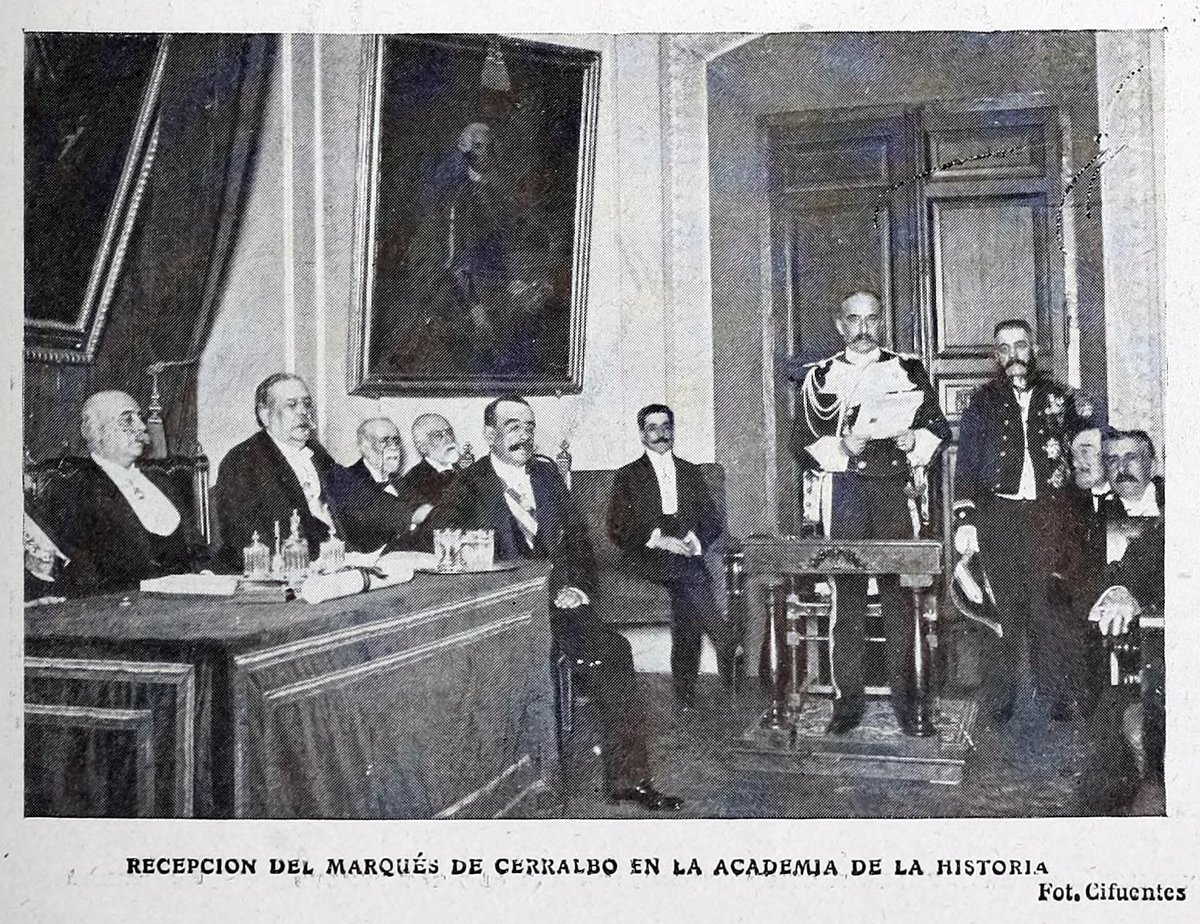
The Casa de la Panadería has been at the center of Madrid's civic and social life for centuries. Beyond its original bakery function, it regulated bread quality and prices, hosted tribunals during the Spanish Inquisition, and served as the headquarters for the Royal Academy of Fine Arts and the Royal Academy of History. The building has adapted to changing times, currently functioning as Madrid’s main tourist information center and a venue for exhibitions and official events (audiala.com, madrid-destino.com).
Visiting Casa de la Panadería: Practical Information
Visiting Hours and Tickets
- Opening Hours Daily, 09:00 to 20:00. On December 24 and 31, closing is at 17:00. On December 25 and January 1, opening is at 11:00 (madrid.es).
- Admission Entry to the building’s public areas and the Plaza Mayor is free. Some exhibitions or guided tours may require tickets, usually available on-site or via official tourism platforms.
Accessibility and Visitor Facilities
Casa de la Panadería is fully accessible:
- Ramps and elevators throughout public areas
- Adapted restrooms
- Spanish Sign Language services
- Magnetic induction loops for hearing-impaired visitors
- Tactile guidance paths and haptic maps for visually impaired guests
- Certified under the UNE 170001-2 Universal Accessibility standard (madrid.es)
How to Get There
- Address Plaza Mayor, 27, 28012 Madrid, Spain
- Metro Ópera (Lines 2, 5, R) and Sol (Lines 1, 2, 3)
- Bus Lines 3, 31, 50, 65
- On Foot Plaza Mayor is in a pedestrian-friendly area, ideal for walking from nearby neighborhoods (monumentsdemadrid.com).
Travel Tips
- Best Time to Visit Early morning or late afternoon to avoid crowds. Weekdays are generally quieter than weekends (fringemadrid.com).
- Footwear Wear comfortable shoes as the plaza and surrounding streets are cobblestoned.
- Weather Bring sun protection, especially in summer.
- Photography The façade is a popular photography subject, especially during golden hour.
Nearby Attractions
- Mercado de San Miguel Historic market for gourmet foods.
- Royal Palace of Madrid Official residence of the Spanish Royal Family.
- Puerta del Sol Central square and major transport hub.
- Statue of King Philip III Landmark in the Plaza Mayor.
- Cafés and Bars Try the local specialty, a calamari sandwich (madridistaforever.com).
Architectural and Artistic Highlights
The Casa de la Panadería is a prime example of Spanish Golden Age urban design, with:
- A symmetrical four-story façade above a porticoed ground floor
- Eleven semicircular arches forming the arcade
- Angular towers topped with slate spires
- A decorative pediment and the city’s coat of arms as the central motif (miradormadrid.com)
The current façade frescoes, painted by Carlos Franco in 1992, feature mythological and allegorical figures such as Cybele, Bacchus, and Cupid, along with references to Madrid’s history. These murals replaced earlier works lost to fire and time, ensuring the building remains visually and culturally significant (wikipedia.org).
Frequently Asked Questions (FAQs)
Q: What are the visiting hours of Casa de la Panadería?
A: Daily from 09:00 to 20:00; special hours during holidays.
Q: Do I need tickets to enter?
A: Entry is free for public areas. Some exhibitions or guided tours may require tickets.
Q: Is Casa de la Panadería accessible for visitors with disabilities?
A: Yes, the building is fully accessible with adapted facilities.
Q: Are guided tours available?
A: Guided tours and cultural events are occasionally held, especially in the Royal Room. Check at the Tourist Information Centre for details.
Q: Can I take photos inside?
A: Photography is permitted from the exterior. Interior photography may be restricted during special events.