Historical and Cultural Significance
Legacy and Origins
Westminster School's roots can be traced to a charity school founded by Benedictine monks in the 14th century, with formal royal patronage established by Queen Elizabeth I in 1560. Its unique location within the UNESCO-listed Westminster Abbey precincts places it at the core of British heritage, directly influencing and being influenced by the nation's political and cultural developments (Westminster School). Over its long history, the school has produced generations of leaders, creatives, and influential thinkers, encapsulated by its motto, Dat Deus Incrementum (“God Gives the Increase”).
Architectural Heritage
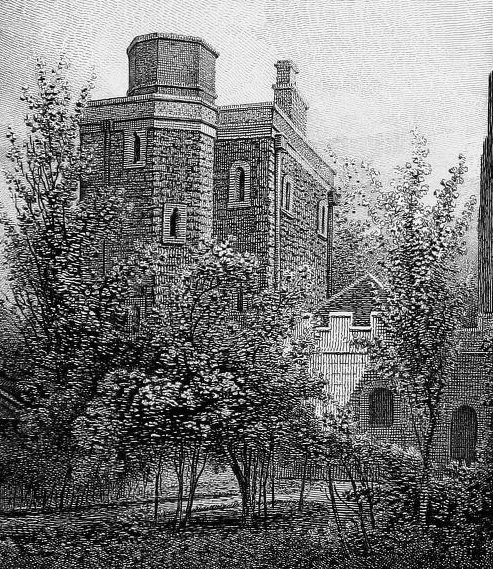
The campus features a blend of medieval, Georgian, and modern buildings. Notable among these is the College Dormitory, constructed in the early 18th century with design input from Sir Christopher Wren and Henry Aldrich, executed by William Dickinson (Oxford All Souls College Library). The school’s architecture reflects centuries of educational tradition, resilience through historical reforms, and adaptation following significant events such as the Blitz (Westminster School Houses). Modern facilities like the Lawrence Hall Sports Centre and Chapter House blend seamlessly with the historic estate, supporting the school’s continued evolution (Westminster School).
Academic Reputation
Outstanding Results
Westminster School consistently ranks among the UK's top schools for academic performance, with over 70% of GCSEs awarded the highest grade and more than half of A Levels graded A* in recent years (Best Schools). The rigorous entrance process and challenging curriculum maintain exceptionally high standards.
University Destinations
A significant proportion of Westminster pupils proceed to elite universities, with around 40% securing places at Oxford or Cambridge and many others attending leading US institutions, including Ivy League universities (Tatler).
Intellectual Culture
Westminster fosters a culture of open-minded enquiry and independent thinking. Students are encouraged to pursue knowledge beyond exams, cultivating a love of learning that extends to leadership in diverse fields (Westminster School).
Notable Alumni and Influence
The school’s alumni include six former British prime ministers (e.g., Henry Pelham, John Russell), Sir Christopher Wren, Henry Purcell, Sir Andrew Lloyd Webber, Helena Bonham Carter, Louis Theroux, and many others who have shaped politics, science, the arts, and global culture (Westminster School). Westminster’s central London location offers unparalleled access to the capital’s cultural and political life, further enriching its students’ experiences.
Progressive Values and Modernisation
Westminster School has embraced co-education since 1973, with full co-education planned by 2030 (Tatler). The school prioritizes wellbeing and pastoral care through personal tutors, housemasters, and a dedicated Health Centre (Westminster School Houses), while its diverse, international student body reflects a modern, inclusive ethos (Best Schools).
Visiting Westminster School: Visitor Information
Visiting Hours and Access
Westminster School is primarily a working academic institution, with public access limited to guided tours, special events, or heritage open days. Tours are generally offered during school holidays and must be booked in advance (Westminster School, Westminster School Enterprise). The school’s exterior and Dean’s Yard can be appreciated year-round.
Tickets and Tours
- Guided Tours Available by advance booking, typically during school holidays.
- Contact [email protected] / +44 (0)20 7963 1127.
- Tour Fees Fees may apply; check the school website for up-to-date rates.
Accessibility
While modern buildings are designed with accessibility in mind, some historic areas may be less accessible. Visitors are advised to contact the school in advance with specific needs (Westminster School Enterprise).
Travel Tips and Nearby Attractions
- Location 17 Dean’s Yard, SW1P 3PB, close to Westminster Underground Station and Victoria Station (Complete Practical Westminster Guide).
- Nearby Attractions Westminster Abbey, Houses of Parliament, Churchill War Rooms, St Margaret’s Church, Tate Britain, and St James’s Park.
- Transport Use Oyster Card for efficient travel (London Travel Tips).
Special Events
The school hosts music, drama, and arts events, some of which are open to the public. Check the events calendar for details.
Westminster School Architecture and Highlights
Historic Setting
Located within Dean’s Yard, the school’s buildings span medieval, Georgian, and modern styles, offering a tranquil yet vibrant urban campus (Secret LDN).
College Dormitory
Built in the early 18th century, the College Dormitory is a hallmark of the school’s architectural legacy, with influences from Sir Christopher Wren and Henry Aldrich. The dormitory exemplifies the transition from monastic to collegiate architecture, featuring Baroque and classical elements (Oxford All Souls College Library).
Campus Buildings
- Dean’s Yard Central quadrangle surrounded by historic and modern school buildings.
- Chapter House and Cloisters Remnants of the Abbey’s monastic origins.
- Busby Library Designed by Robert Hooke, home to rare manuscripts.
- Vincent Square Expansive sports fields.
- Sports Centre Contemporary facilities for holistic education (Which School Advisor).
Modern Adaptations
The campus continues to evolve, with recent additions like Chapter House and pre-prep facilities supporting co-education and sustainability.
Practical Visitor Information
Location and Access
- Address 17 Dean’s Yard, SW1P 3PB
- Public Transport Westminster Underground Station (Circle, District, Jubilee lines); Victoria Station nearby (Complete Practical Westminster Guide).
Tour Arrangements
- When During school holidays; advance booking is essential.
- How Contact [email protected] or call +44 (0)20 7963 1127 for details (Westminster School Enterprise).
- Group Size Small groups to preserve historic interiors.
What to Expect
- Historic Spaces The Schoolroom, armorial cartouches, the Greaze Bar, and historic canvasses.
- Traditions Learn about the Pancake Greaze, annual Latin Play, and the scholars' role at royal coronations.
- Architecture Medieval stonework, Victorian restorations, and collections of memorabilia.
Policies and Etiquette
- Photography Generally not permitted inside; check with guides.
- Attire Modest dress recommended; comfortable shoes advised.
- Food & Drink Not permitted inside the historic interiors.
Facilities
- Restrooms Available during tours.
- Café None on-site, but options nearby.
- Gift Shop Online shop for memorabilia (Westminster School Shop).
Safety and Security
- Bag Checks May be in place.
- Children Must be accompanied by adults.
Frequently Asked Questions (FAQ)
Q: What are Westminster School’s visiting hours?
A: Tours are available only during school holidays; check the official website for current schedules.
Q: How do I book a tour?
A: Email [email protected] or call +44 (0)20 7963 1127 in advance.
Q: Are there ticket fees?
A: Fees may apply to guided tours. Refer to the school’s website for up-to-date rates.
Q: Is the school accessible for those with disabilities?
A: Some historic areas present challenges; contact the school for details.
Q: Can I take photos?
A: Photography is generally not allowed inside the College and Dormitory.