
What the Artillery Ground is
The Artillery Ground is a historic green space associated with the Honourable Artillery Company (HAC). It lies in Spitalfields; it is also described as being in Finsbury, north of the City of London. Bordered by Artillery Lane, Gun Street and Bishopsgate, the grounds are not open to the public daily, but are accessible during selected events and open days.
The site has medieval monastic origins and a long military history. Today it hosts cricket and other sporting events, as well as corporate, private and military events. The surrounding area includes historic streets, markets and Georgian and 17th-century architecture.
History
Medieval origins and military use
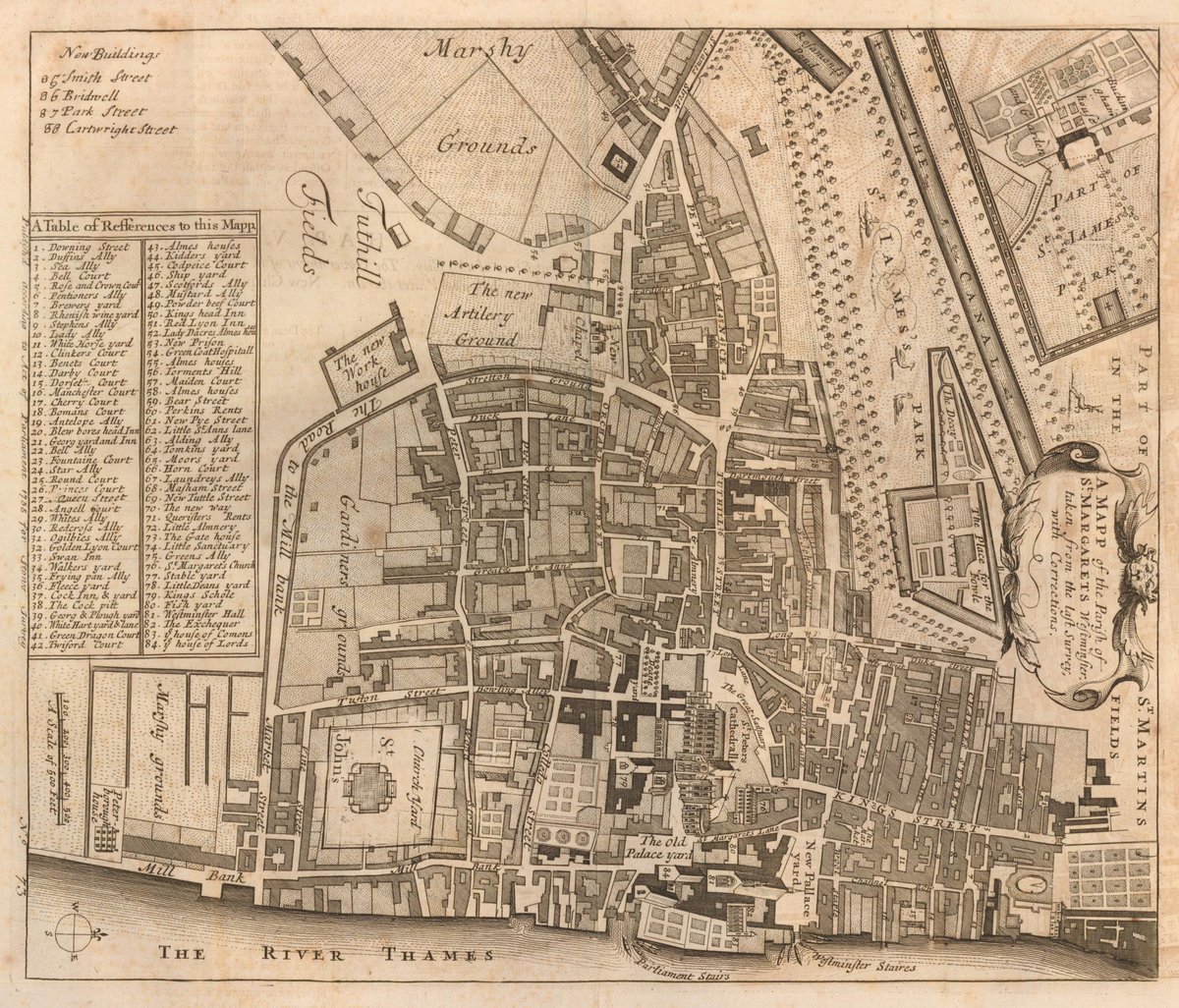
The land was part of the outer precinct of the Priory and Hospital of St Mary Spital, one of medieval London’s largest religious sites. After the Dissolution of the Monasteries under Henry VIII, the land was repurposed for secular use. The Copperplate map of c.1555 shows the priory’s transformation into tenements and gardens, with open fields beyond (The Past).
In 1538, the southern part of the former precinct, known as the Teasel Ground, was leased for artillery and gunnery practice. It was enclosed by a brick wall, sections of which have survived archaeologically. The site became the training ground of the “Fraternity or Guild of Artillery of Longbows, Crossbows and Handguns,” which later evolved into the Honourable Artillery Company (London Fandom).
Finds including timber firing platforms, musket balls and a possible cannon ball provide evidence of Tudor and Stuart military training and technology. The grounds also contained stables, stores, an armoury and a brick-built Master Gunner’s house dating from 1581. In the 1630s, a large “Star Fort” was constructed for military drills. Archaeological excavations have uncovered a deep ditch and shallow graves, potentially linked to training accidents or religious dissenters (The Past).
Urban development and changing communities
The HAC moved to Bunhill Fields in 1658, and the land was sold to speculative builders in 1682. New streets included Fort Street, Gun Street, Artillery Passage and Artillery Lane (London Fandom).
Development along Artillery Lane and Artillery Passage began in the 1640s. No. 3 Artillery Passage is among the surviving houses that showcase period architecture. French Huguenot refugees, skilled in silk weaving, settled in the area, helping Spitalfields grow into a textile hub. Maps by Ogilby and Morgan from 1676 record the changing street layout; by the mid-18th century, the area had developed into a thriving suburb centred on Spitalfields Market (The Past; British History Online).
During the 18th and 19th centuries, residential buildings acquired shopfronts, reflecting a mix of commercial and domestic uses (British History Online). In 1900, the Old Artillery Ground and Liberty of Norton Folgate merged into the Metropolitan Borough of Stepney, which later became part of Tower Hamlets (London Fandom).
What to see
The grounds remain associated with the Honourable Artillery Company. Armoury House, the HAC’s headquarters, is a listed Georgian building and serves as the regimental headquarters for ceremonies and commemorations. The HAC Museum, inside Armoury House, displays regimental artefacts and historical documents.
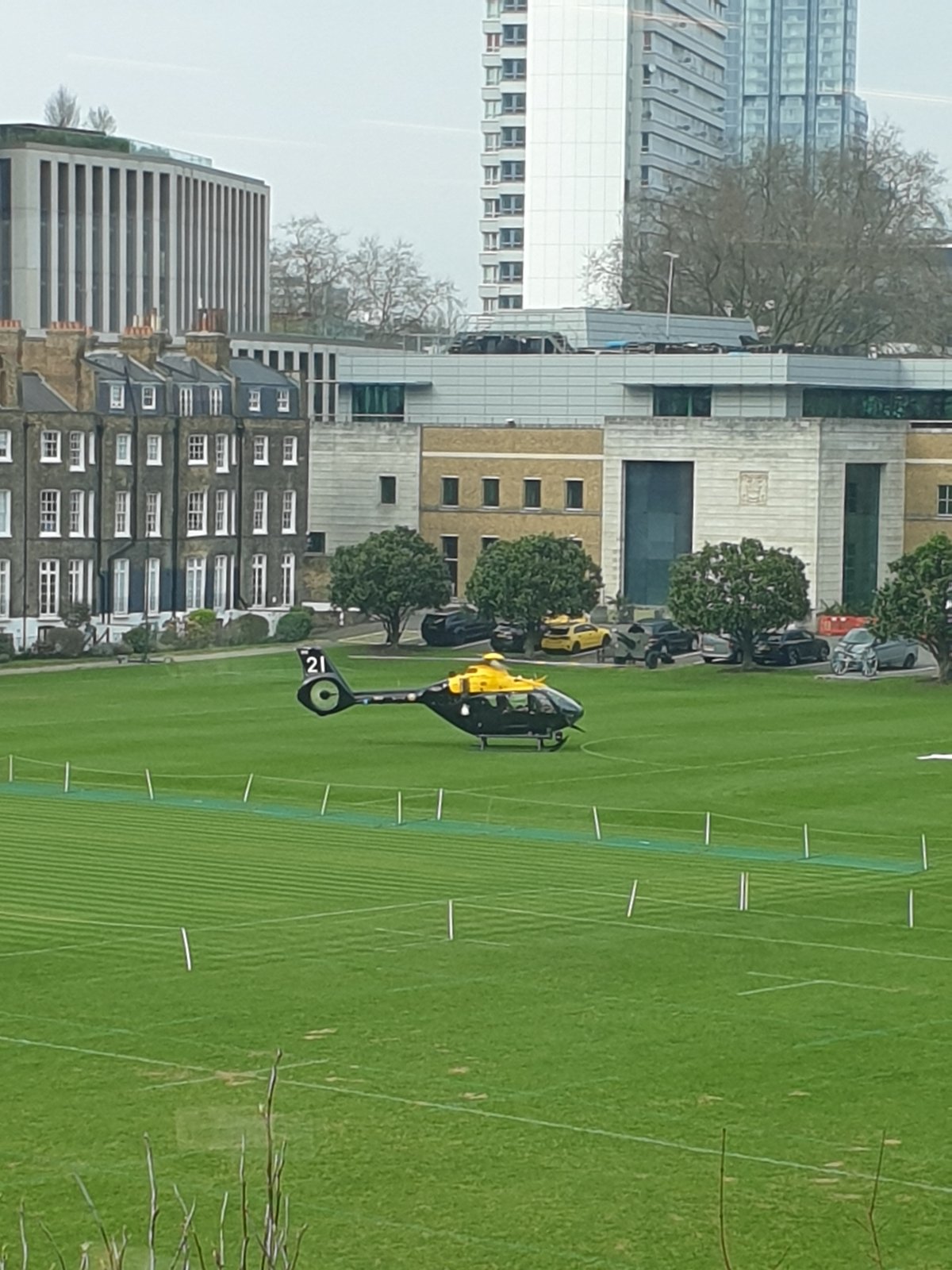
Cricket is among the sports played on the grounds. Events also include the London Concours, a luxury car show. The site offers a green space with a historic setting against the London skyline.
Outside the grounds, Artillery Lane and Artillery Passage have historic architecture, while Spitalfields Market offers market scenes and further opportunities to explore the area.
Practical visiting information
Location and transport
The main entrance is at Armoury House, City Road, London EC1Y 2BQ (HAC official site). Liverpool Street Station and Shoreditch High Street Overground provide access to the Spitalfields area. Moorgate and Old Street stations are also nearby. Bus routes and pedestrian-friendly streets serve the area.
Hours, entry and tickets
The public streets and surrounding spaces are open to explore without charge. The grounds themselves are private and generally open to the public only for scheduled events, open days or tours. Check the HAC website for current access details.
Public-event tickets can be purchased through the HAC website; prices and schedules vary by event. Tickets for events such as the London Concours and cricket matches must be purchased in advance. Check the HAC official website or event-specific websites for details (Ents24; ianVisits).
The HAC Museum is open by appointment and free to visit; donations are encouraged (IanVisits). For private hire, including weddings and corporate events, contact the HAC.
Accessibility and facilities
The grounds are wheelchair accessible, with step-free entry and accessible restrooms. Facilities during events include restrooms, catering, and food and beverage stalls. Accessibility provisions are in place for visitors with special needs.
The wider area is generally accessible, but some historic lanes and buildings may be challenging for people with mobility impairments. Confirm access arrangements for specific events or tours in advance.
Tips
Dress smart-casual for events and plan for outdoor weather conditions. Security is present during events, and standard London travel precautions apply (EasyTravel4U).
Spring and autumn offer pleasant weather, while weekends often feature markets and events. Photography is usually allowed during public events, but restrictions may apply during private or military events.
The HAC website also offers virtual tours and event photo galleries.
Nearby places
Explore Spitalfields Market, Artillery Lane and Artillery Passage. Bunhill Fields Burial Ground and the wider City of London are also nearby places of historical interest.
FAQ
Are there entry fees?
Public streets are free to visit; some events and tours may require tickets.
What’s the best time to visit?
Spring and autumn offer pleasant weather. Weekends often feature markets and events.
Are guided tours available?
Yes. Local organizations offer walking tours of Spitalfields, including the Artillery Ground area, and special open days provide opportunities to learn more about the site.
Is photography allowed?
Photography is usually allowed during public events, but check for restrictions during private or military events.