1–2 hours (exterior); 2–3 hours with guided tower tour
Entry
Exterior free; Tower tour £35 adults / £20 children (ages 11–17)
Best season
Spring (April–May) or Summer (June–August)
Most people who say they've seen Big Ben have never actually laid eyes on it. The thing they photograph — that 96-meter Gothic tower rising above the Thames in London, United Kingdom — is the Elizabeth Tower. Big Ben is the 13.5-ton bell hidden inside the belfry, invisible from every angle on the ground, and that confusion is reason enough to visit: the gap between what everyone assumes and what's actually true about this place turns out to be enormous.
Stand on Westminster Bridge at six o'clock on any evening and you'll hear it before you understand it — a low, resonant E-natural that rolls across the river and settles somewhere in your chest. That sound has been broadcast live on BBC Radio 4 since 1924, making it arguably the most listened-to bell on Earth. The crack running through the metal is audible in the tone's slight wobble, a flaw that has persisted since September 1859.
The tower itself, freshly restored after a five-year conservation project completed in August 2022, gleams in a way it hasn't for decades. The iron-framed clock dials — each 7 meters across, assembled from 312 pieces of opal glass — catch the light differently depending on the hour. At night, they glow a pale gold against the dark sky. And at the very top, a lantern called the Ayrton Light flickers on whenever Parliament sits after dark, a small signal most visitors never notice.
What makes this place worth your time isn't the postcard view. It's the accumulation of oddities: a clock kept accurate by stacking old pennies on its pendulum, a tower that leans slightly northwest, a bell named after a politician nobody remembers, and a ventilation shaft that sat useless for 160 years before anyone found a purpose for it. Big Ben rewards the people who look past the obvious.
Researched by the Audiala editorial team from historical records, architectural archives, and local expertise.
What to see
The Great Clock Mechanism
Most people never get past the postcard. The real Big Ben lives 334 steps up a narrow Victorian spiral, in a room that smells of mechanical oil and sounds like the inside of a giant's pocket watch. The clock mechanism weighs roughly five tonnes — about the same as an adult elephant — and its accuracy is still regulated by a method so low-tech it borders on absurd: old pre-decimal pennies stacked on the pendulum. Adding a single coin shifts timekeeping by two-fifths of a second per day. The Victorians who built this in 1859 understood something we've mostly forgotten — that precision doesn't require complexity, just stubbornness. Stand in the clock room during a guided tour and you'll feel the tick in your sternum before you hear it in your ears.
The Belfry and the Great Bell
The bell everyone calls Big Ben weighs 13.7 tonnes — heavier than two double-decker buses. It cracked in September 1859, just months after its first ring, and rather than recast it, the engineers simply rotated it a quarter turn and fitted a lighter hammer. That crack is still there. You can see it. The sound it produces is imperfect because of it — a slightly flattened E natural that has become, through sheer repetition, the most recognizable chime on Earth. When you reach the belfry after those 334 steps, lungs burning, the space is surprisingly intimate: low ceilings, cold stone, and four smaller quarter bells crowded around their famous sibling. If you time your visit to hear the strike, the vibration passes through the floor and into your bones. The bell hasn't been silent for long since 1859 — even German bombs on May 10, 1941 couldn't stop the clock, though they shattered the Commons chamber below.
The Tower from Three Angles: A Walking Route
Start on Westminster Bridge for the shot you already know — the full neo-Gothic silhouette of the 96.3-metre tower rising beside the Palace, its four opal-glass clock faces each seven metres across, wider than a shipping container is long. Then walk north along Victoria Embankment, where the low angle stretches the tower against the Thames and the Anston limestone cladding catches whatever light London deigns to offer. End at St. Margaret's Church, tucked between the Abbey and Parliament, where you can study the tower's proportions without a crowd pressing against your back. After dark, look up: if a light glows above the belfry, Parliament is in session. That's the Ayrton Light, named for a Victorian MP, and it has been signaling the business of democracy since 1885. Most visitors photograph the clock. Fewer notice the lantern above it, quietly announcing that someone inside is still arguing about something.
Plan your visit
Getting There
Westminster Station (Jubilee, District, Circle lines) exits practically at the tower's feet — you'll hear the bell before you see it. Bus routes 11, 24, 148, 211, and 507 stop at Parliament Square. Walking from the London Eye takes about five minutes across Westminster Bridge; don't drive, as parking in Westminster costs more per hour than a decent pub lunch.
Opening Hours
As of 2026, guided tours of the Elizabeth Tower run Monday through Saturday; the tower is typically closed Sundays and during certain parliamentary sessions. Tickets are released on the second Wednesday of each month at 10:00 AM GMT, covering dates three months ahead — they sell out fast, often within minutes. The exterior is visible 24/7 from public streets and bridges, no ticket required.
Time Needed
For photos from Westminster Bridge or Parliament Square, 15–30 minutes is plenty. The full guided tower tour lasts about 90 minutes, including the 334-step climb — that's roughly the height of a 20-storey building via a narrow spiral staircase. Budget an extra 30 minutes for airport-style security screening before your tour slot.
Accessibility
The Elizabeth Tower tour is not accessible to wheelchair users or anyone unable to climb 334 steep, narrow stone steps — there is no lift. The Palace of Westminster offers separate accessible tours of other areas; check the UK Parliament website for details. The exterior views from Westminster Bridge and Parliament Square are fully accessible on flat ground.
Tickets & Cost
As of 2026, adult tickets are £35 and children aged 11–17 pay £20; kids under 11 aren't permitted on the climb for safety reasons. Book exclusively through the official UK Parliament website — any other seller is either a reseller with a markup or a scam. Viewing the tower from outside costs nothing, and frankly, that's how most Londoners experience it.
Tickets & tours.
These are guided options from our partners — same price as booking direct.
Prices are indicative — final pricing and availability are confirmed at checkout. Audiala may earn a commission from bookings made through these links.
Photo Gallery
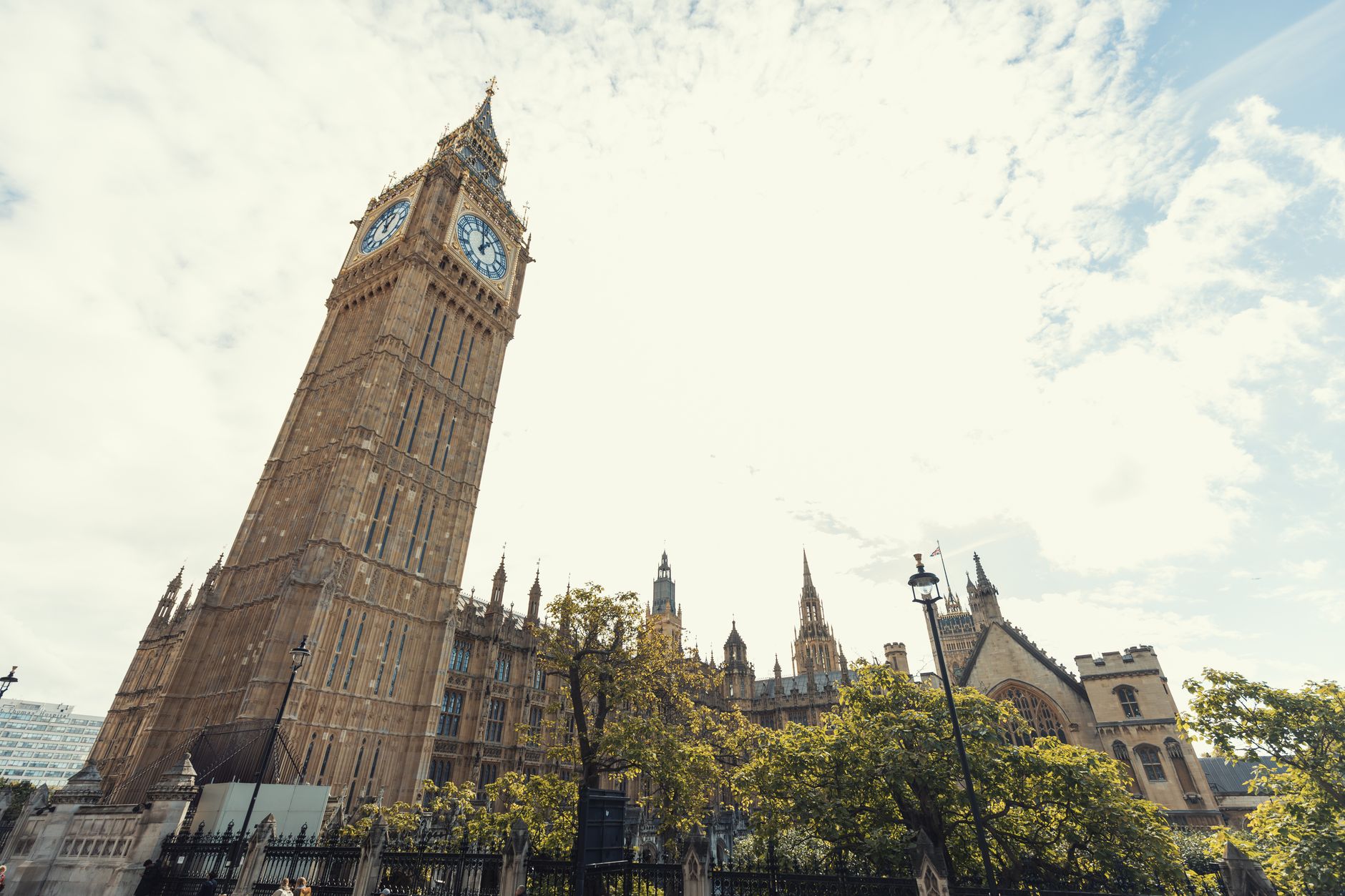
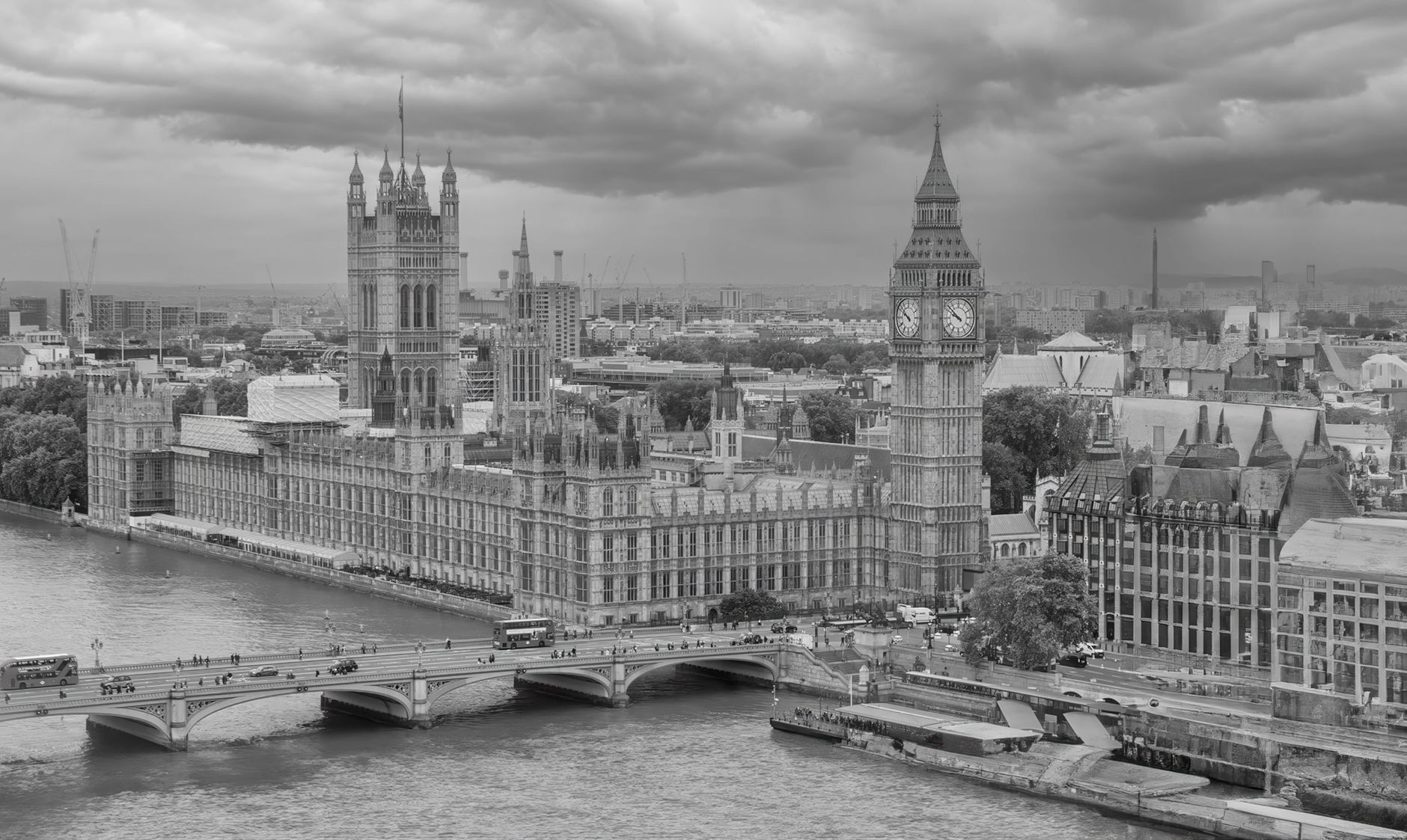
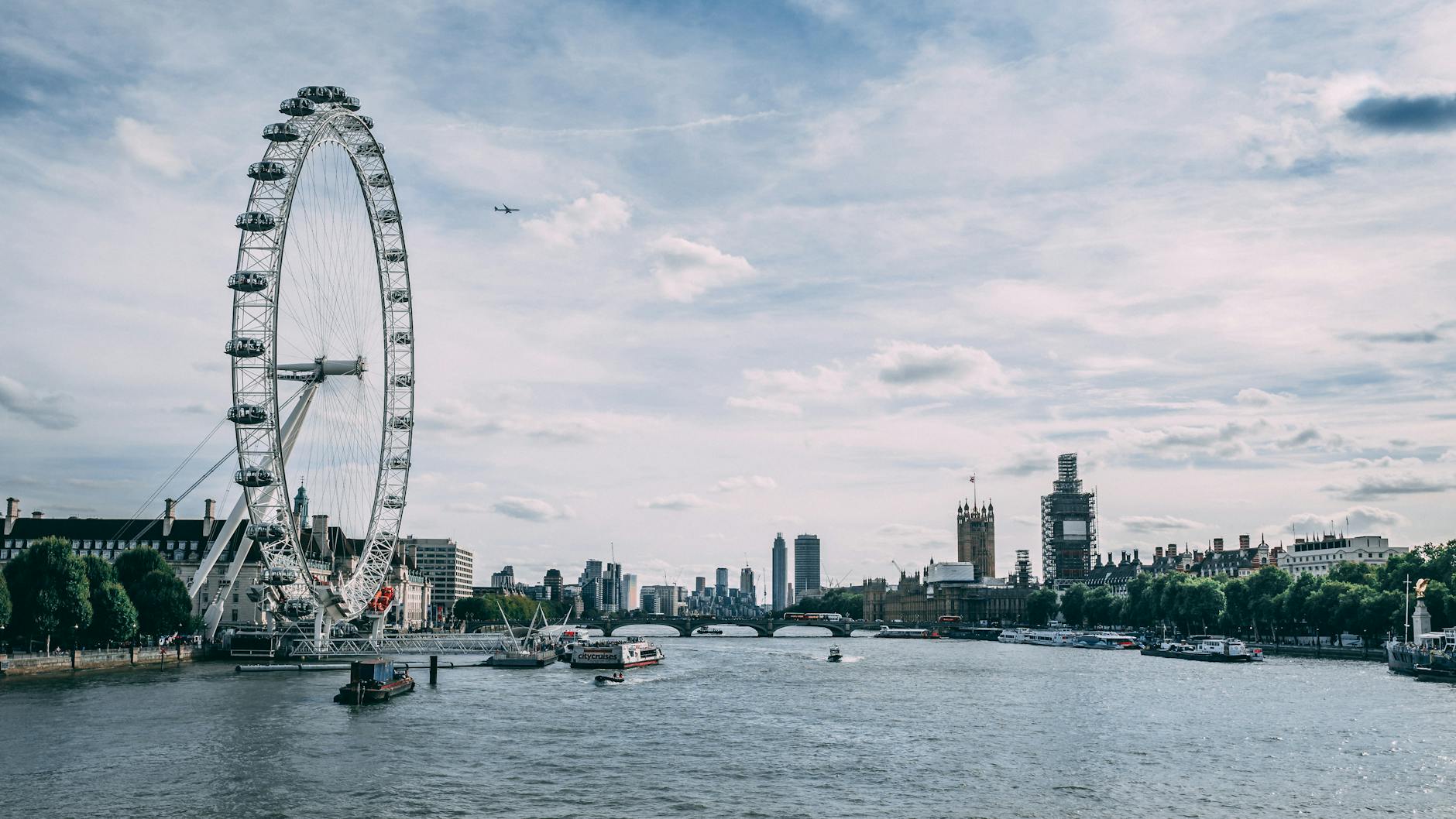
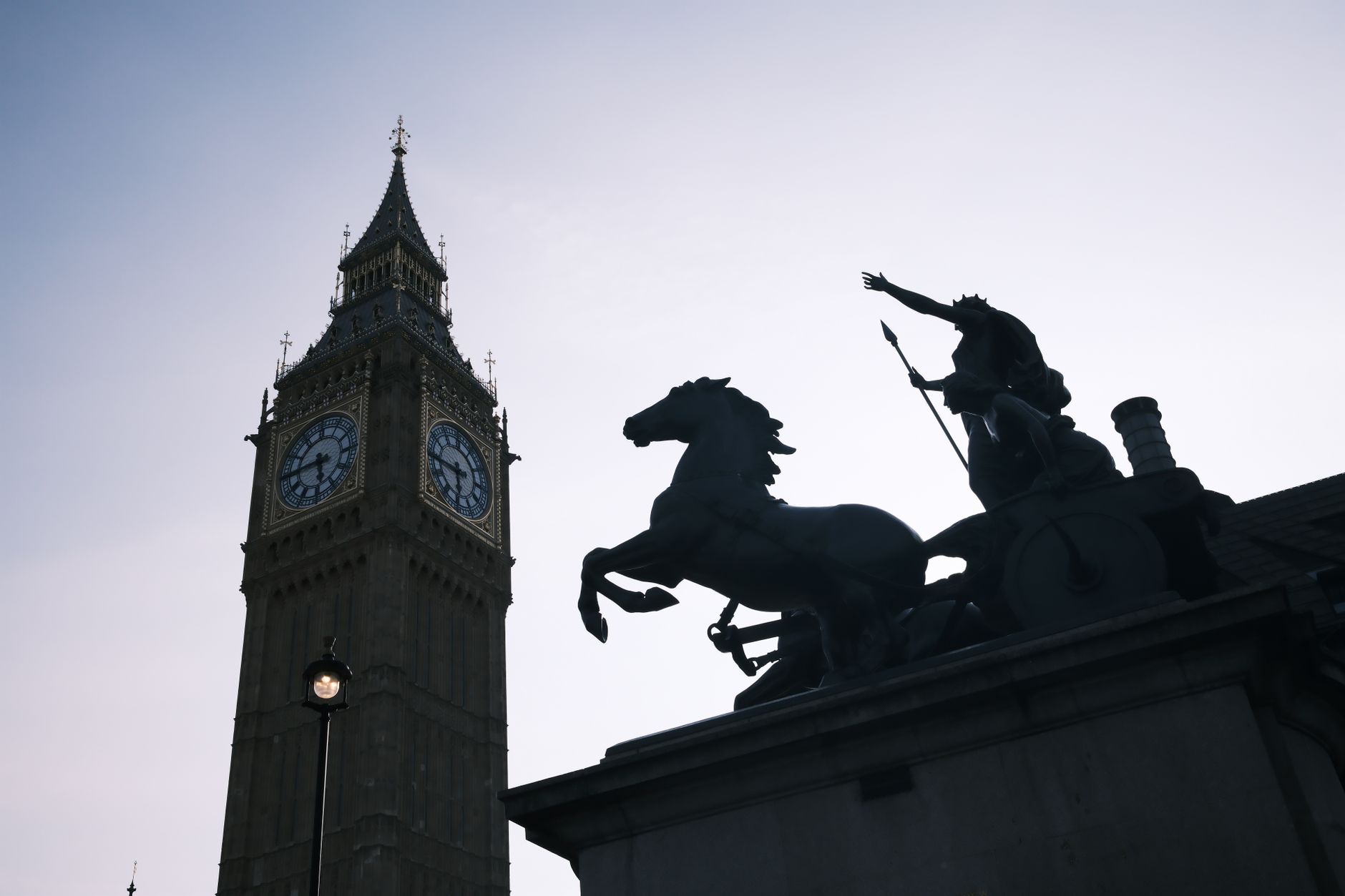
The historic Big Ben clock tower stands tall against a bright sky in the heart of London, Vereinigtes Königreich. · Matheus Bertelli on PexelsAn elevated black and white view of the iconic Big Ben clock tower and the Houses of Parliament overlooking the River Thames in London. · Kao Jimmy on PexelsA striking view of the historic Big Ben clock tower in London, showcasing its detailed Gothic Revival architecture against a dramatic, cloudy sky. · Caio Cezar on PexelsA scenic view of the London Eye and the iconic Big Ben along the River Thames in London, Vereinigtes Königreich. · Chait Goli on PexelsThe iconic Big Ben clock tower stands tall behind the dramatic silhouette of the Boadicea and Her Daughters statue in London. · Mingyang LIU on PexelsThe iconic Big Ben and Houses of Parliament illuminated at dusk, overlooking the River Thames and the modern London skyline. · Austin Caley on PexelsThe historic Big Ben clock tower stands prominently against a dramatic, cloudy sky in the heart of London, Vereinigtes Königreich. · Matheus Bertelli on Pexels
History
A Bell That Cracked, a Genius Who Broke, and a Clock That Refused to Stop
On the night of October 16, 1834, a fire tore through the medieval Palace of Westminster and left it a ruin. The blaze, caused by the burning of old Exchequer tally sticks in an understory furnace, destroyed nearly everything. What rose in its place was the work of two men with very different temperaments — and the tension between them shaped every stone of the tower that now defines London's skyline.
The chief architect, Sir Charles Barry, won the design competition for the new Palace in 1836. But Barry was a classicist at heart, more comfortable with Italian Renaissance symmetry than pointed arches. For the Gothic details — the pinnacles, the tracery, the obsessive ornamentation — he turned to Augustus Welby Pugin, a young Catholic convert with a fervent belief that Gothic architecture was the only morally legitimate style. The clock tower was Pugin's final project, and it nearly killed him before the bell ever rang.
The turning point
The Last Masterpiece of a Man Who Couldn't Stop Working
The surface story is simple: Barry designed the Palace, Pugin handled the decorative details, and the tower was completed in 1859. Guidebooks credit Barry. The official records credit Barry. But Pugin's own letters tell a different story. In one, he wrote: "I never worked so hard in my life for Mr Barry for tomorrow I render all my designs for finishing his bell tower and it is beautiful." The possessive pronoun is telling — Pugin called it Barry's tower, not his own, even though the aesthetic DNA was entirely Pugin's.
What doesn't add up is the timeline. Pugin delivered his final designs for the tower in 1852, then suffered a complete mental and physical collapse. He was committed to the Royal Bethlem Hospital — the infamous "Bedlam" — and died on September 14, 1852, at the age of 40. The tower's foundation stone had been laid in 1843, but the structure wasn't finished until years after Pugin's death. He never heard the bell ring. He never saw the clock dials illuminated. The man who defined the look of British democracy died in an asylum, exhausted by the work that made him famous and credited to someone else.
Knowing this changes what you see when you look up at the tower. Every pointed arch, every carved detail in the limestone, every trefoil in the ironwork carries the fingerprint of a designer who poured himself into the project until there was nothing left. Barry got the knighthood. Pugin got Bedlam. The tower stands as a monument to one man's vision and another man's reputation — and most visitors walk beneath it without knowing which is which.
The Bell That Failed Twice
The first Great Bell, cast in Stockton-on-Tees in 1856, cracked during testing and had to be melted down. Its replacement was cast at the Whitechapel Bell Foundry in 1858 and hauled to Westminster on a cart drawn by sixteen horses, crowds lining the streets to watch. It first rang on May 31, 1859. Two months later, in September, it cracked again — this time along a 22-centimeter fracture that remains visible today. Rather than recast it a third time, engineers rotated the bell a quarter-turn so the hammer struck a different spot and fitted a lighter striker. The crack gives Big Ben its distinctive, slightly imperfect tone. Every chime you hear carries the sound of that 1859 failure, broadcast to millions.
Old Pennies and the Art of Keeping Time
The clock mechanism, designed by the combative lawyer-turned-horologist Edmund Beckett Denison, was revolutionary for its era — accurate to within one second per day. But what keeps it accurate is absurdly low-tech. Stacked on top of the 4-meter pendulum are old pre-decimal pennies, each one adding or subtracting roughly 0.4 seconds per day. Adding a penny speeds the clock up; removing one slows it down. The system has been in use since the 1850s, and the clock's keepers still rely on it. No GPS synchronization, no atomic reference. Just a pile of coins older than your grandparents, quietly governing the most famous timepiece in the world.
Tips for visitors
Watch for Scams
The Westminster area attracts pedicab drivers who quote one price and demand triple at the end, plus street hustlers running cup-and-ball games designed to empty your pockets. Don't buy tickets from anyone on the street — if it's not from parliament.uk, it's not real.
Photography Rules
Drones are strictly prohibited anywhere near Westminster. Inside the tower, photography is allowed in some areas but banned in the mechanical rooms — your guide will specify. For the best exterior shot, stand on the south side of Westminster Bridge at golden hour; the light hits the clock faces perfectly.
Eat Away from Parliament
Skip the overpriced cafés lining Bridge Street. Walk five minutes to The Two Chairmen on Dartmouth Street for a proper pub meal, or cross the river to Okan South Bank for casual Japanese. For a splurge with a river view, Gillray's Steakhouse in County Hall faces the tower directly.
Best Viewing Time
Come after dark on a night when Parliament is sitting — the Ayrton Light at the tower's apex glows, a signal that's been used since 1885 to tell Londoners their representatives are at work. It transforms the tower from a postcard into something alive.
Book Months Ahead
Tickets drop on the second Wednesday of each month at 10:00 AM GMT and vanish within minutes. Set a calendar reminder for three months before your trip and be online right at release — hesitate and you'll be admiring the tower from the pavement instead.
Combine with Westminster
Westminster Abbey sits 200 metres south and the Houses of Parliament are literally attached — plan all three in one morning to avoid doubling back. The Churchill War Rooms are a 10-minute walk through St James's Park, which makes a far better route than fighting the crowds on Parliament Square.
Where to Eat
local_dining
Don't Leave Without Trying
Full English Breakfast — eggs, bacon, sausages, baked beans, mushrooms, tomatoes, and toastSunday Roast — roasted meat with potatoes, vegetables, Yorkshire pudding, and gravyFish and Chips — battered, deep-fried fish served with thick-cut chips and mushy peasAfternoon Tea — finger sandwiches, scones with clotted cream and jam, and pastries with tea
St Stephen's Tavern
local favorite
British Pub€€star4.3(6931)
Order: Traditional British pub classics and ales. This is where Westminster insiders actually eat—order a pint and the daily special.
Steps from the Houses of Parliament, this historic pub is a genuine local haunt frequented by politicians and Westminster staff, not a tourist trap. It's the real deal for understanding how Londoners eat near Big Ben.
Order: Fresh bagels with smoked salmon and cream cheese, or a classic bacon bagel. Grab one for breakfast before exploring Westminster.
Conveniently located in Westminster Station itself, this is where commuters and locals grab an authentic quick breakfast. No frills, just good bagels done right.
Order: Freshly baked cupcakes with creative flavors. Perfect for a sweet pick-me-up or afternoon treat while sightseeing.
Located right at Westminster Station, this spot offers quality baked goods in a prime location. It's the kind of place locals pop into for a proper cupcake, not mass-produced chain fare.
Order: Contemporary British cuisine served with views of Westminster and the Thames. This is insider dining at its finest.
Located inside the Palace of Westminster itself, this is an exclusive dining experience where Parliament's business is conducted over lunch. It's as close to the heart of British governance as a visitor can get.
checkCovent Garden Market, a short walk from Westminster, offers gourmet food stalls and dining alongside boutique shops—great for browsing and casual bites
checkMany Westminster venues cater to Parliament's schedule; lunch service tends to be busy during sitting days
Food districts:Westminster — historic pubs and dining tied to Parliament's traditionsCovent Garden — nearby market with food stalls, gourmet shops, and casual restaurants
Restaurant data powered by Google
Frequently asked
Is Big Ben worth visiting?
Yes, but manage your expectations about what "visiting" means. The exterior view from Westminster Bridge is free and genuinely iconic — the 96.3-meter tower (taller than the Statue of Liberty without its pedestal) against the Thames is the London shot. If you want to go inside, the guided tour takes you up 334 stone steps to stand behind the 7-meter opal-glass clock dials and hear the mechanism tick — an experience that's visceral and industrial in a way photos can't capture.
Can you visit Big Ben for free?
You can see and photograph the Elizabeth Tower for free from any public area — Westminster Bridge, Parliament Square, and Victoria Embankment all offer excellent angles. Entering the tower itself costs £35 for adults and £20 for children aged 11–17, and tickets must be booked online through the UK Parliament website. Children under 11 aren't permitted on the tour.
How do I get to Big Ben from central London?
Westminster Station on the Jubilee, District, and Circle lines drops you directly across the street — you'll see the tower the moment you exit. Bus routes 11, 24, 148, 211, and 507 also stop at Parliament Square. If you're walking from the South Bank or the London Eye, it's a five-minute stroll across Westminster Bridge.
How long do you need at Big Ben?
For exterior photos and a walk around Parliament Square, 15 to 30 minutes is plenty. The guided interior tour lasts about 90 minutes, including the 334-step climb. Factor in an extra 30 minutes for airport-style security screening before the tour begins.
What is the best time to visit Big Ben?
Early morning or dusk, when the light hits the Anston stone and the clock faces glow against a darkening sky. Winter evenings are particularly striking — and if Parliament is sitting after dark, the Ayrton Light at the tower's apex switches on, a detail most visitors never notice. For interior tours, tickets are released on the second Wednesday of every month at 10:00 AM GMT, three months in advance; set an alarm, because they sell out fast.
What should I not miss at Big Ben?
The Latin inscription ringing each clock dial — "Domine salvam fac reginam nostram Victoriam primam" ("O Lord, keep safe our Queen Victoria the First") — is a Victorian political statement most people photograph without reading. Inside, look for the old pre-decimal pennies balanced on the pendulum; adding a single penny speeds the clock by two-fifths of a second per day. And check the top of the tower after dark for the Ayrton Light, which glows only when Parliament is in session.
How many steps to the top of Big Ben?
Exactly 334 narrow stone steps wind up a tight spiral staircase with no lift. The climb is strenuous — think of ascending a 16-storey building through a medieval corkscrew — and the tower is not accessible for visitors with mobility difficulties. Wear shoes with grip and leave heavy bags behind; there's no luggage storage on site.
Why is Big Ben called Big Ben?
"Big Ben" is actually the nickname for the 13.5-tonne Great Bell inside the belfry, not the tower itself — the tower was officially named the Elizabeth Tower in 2012. The most widely accepted origin credits Sir Benjamin Hall, the imposingly tall First Commissioner of Works who oversaw the bell's installation in 1858. A competing folk theory attributes it to Benjamin Caunt, a heavyweight boxer of the era, though that one has less documentary support.
Sources & attribution16
Researched and written by the Audiala editorial team from historical records, architectural archives, and local expertise. Last updated April 2026.
UK Parliament – Big Ben Tour — Official source for tour booking, ticket prices, release schedule, accessibility restrictions, and security requirements.
Wikipedia – Big Ben — Comprehensive reference for naming history, penny pendulum regulation, Pugin's role, Ayrton Light, and the ventilation shaft repurposing.
Saved and recently read places — kept on this device only.
Photo credits (13)
Big Ben Elizabeth Tower London 2023 01 — Julian Herzog (Website) — CC BY 4.0 (https://creativecommons.org/licenses/by/4.0/) — Source: https://commons.wikimedia.org/wiki/File:Big_Ben_Elizabeth_Tower_London_2023_01.jpg
Strictly necessary cookies keep the site working. Analytics (PostHog, Google Analytics) measures how each visitor uses our pages. Marketing loads YouTube videos and walking-route maps without a tap and lets Google Analytics set advertising cookies. We never sell your data. You can change this any time from the footer.
Analytics and marketing cookies are optional and only load if you agree. Details under Customize.
Privacy
Cookie preferences
Pick what you're okay with. You can change this any time from the footer.
Strictly necessary
Always on
Sign-in, language, navigation. Always on.
Product analytics
PostHog (EU) and Google Analytics record which pages you view and how you use them, under a random identifier stored in your browser. Helps us see which pages work and which need fixing. Google's ad personalisation stays off. No selling.
Marketing
Loads YouTube videos and the walking-route maps (OpenFreeMap) without a tap; without it, they load only when you tap them. If analytics is also on, Google Analytics may set advertising cookies. Ad personalisation stays off.