


Place
United Kingdom Updated Apr 2026
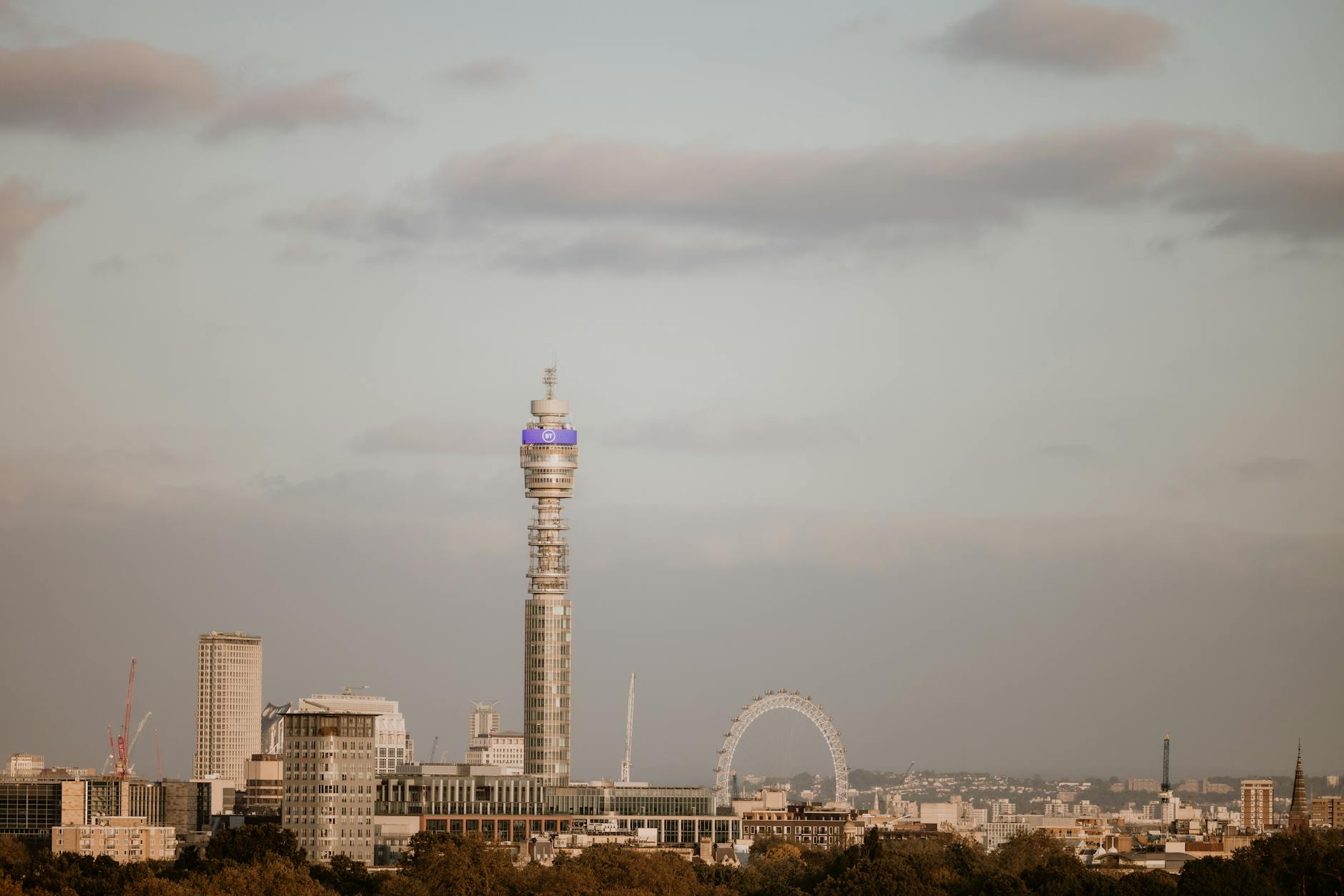
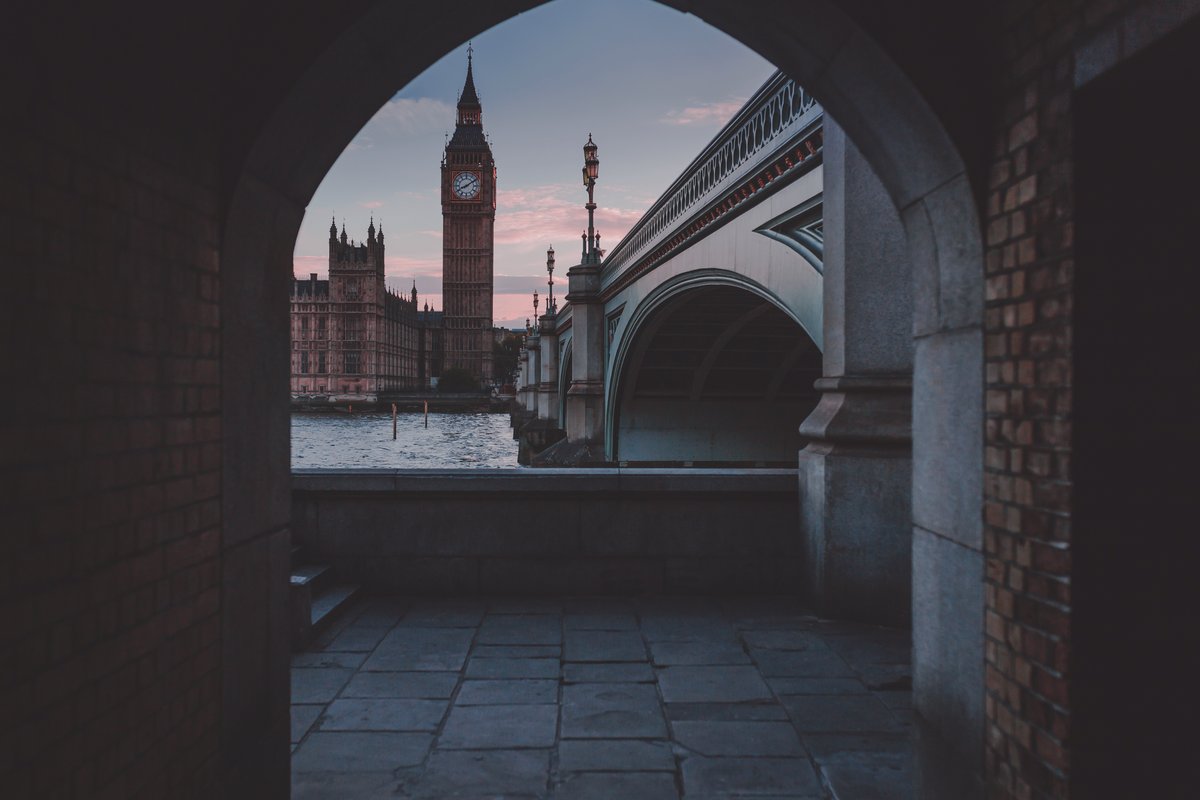
The first time you step onto a quiet stretch of the Thames Path near Rotherhithe at dusk, the city surprises you: the air smells of river mud and distant diesel, gulls wheel overhead, and the skyline beyond Tower Bridge looks almost too cinematic to be real. London, United Kingdom, refuses to sit still; it is a place where a 900-year-old fortress still guards the Crown Jewels while a Brutalist rooftop garden serves flat whites 22 floors above the same streets once walked by Romans.
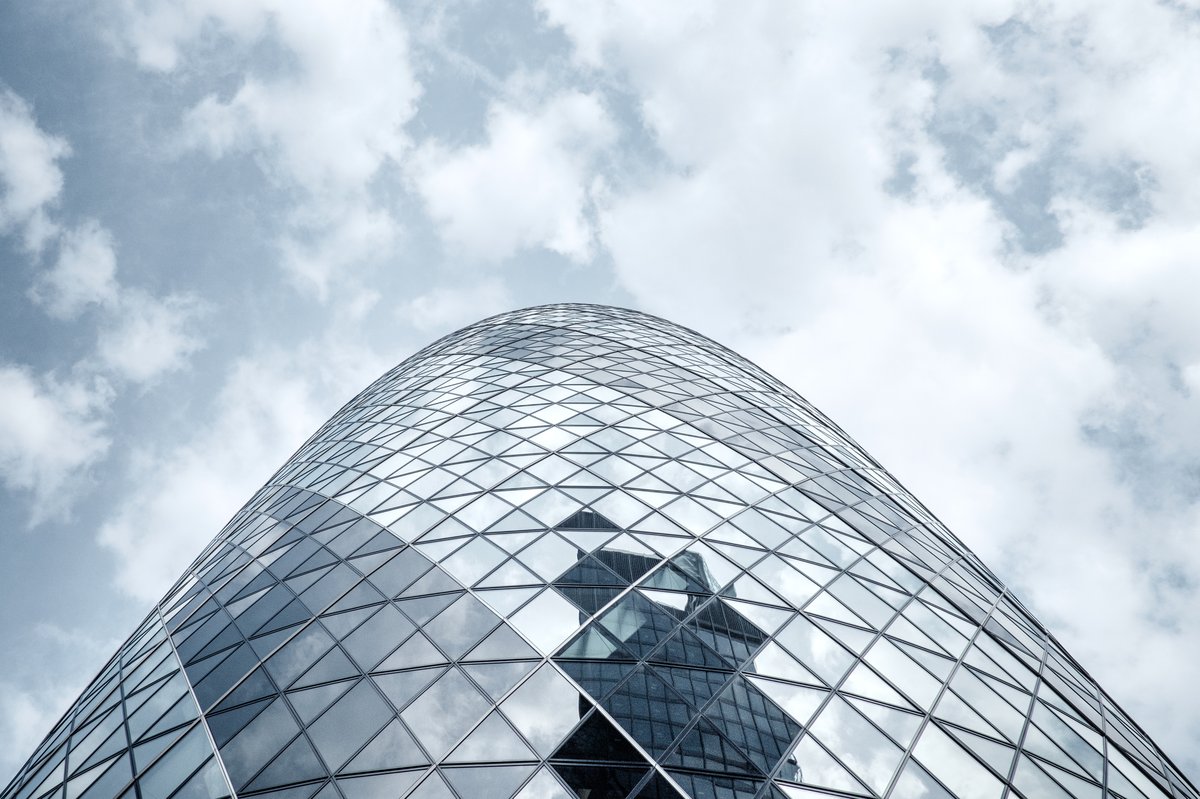
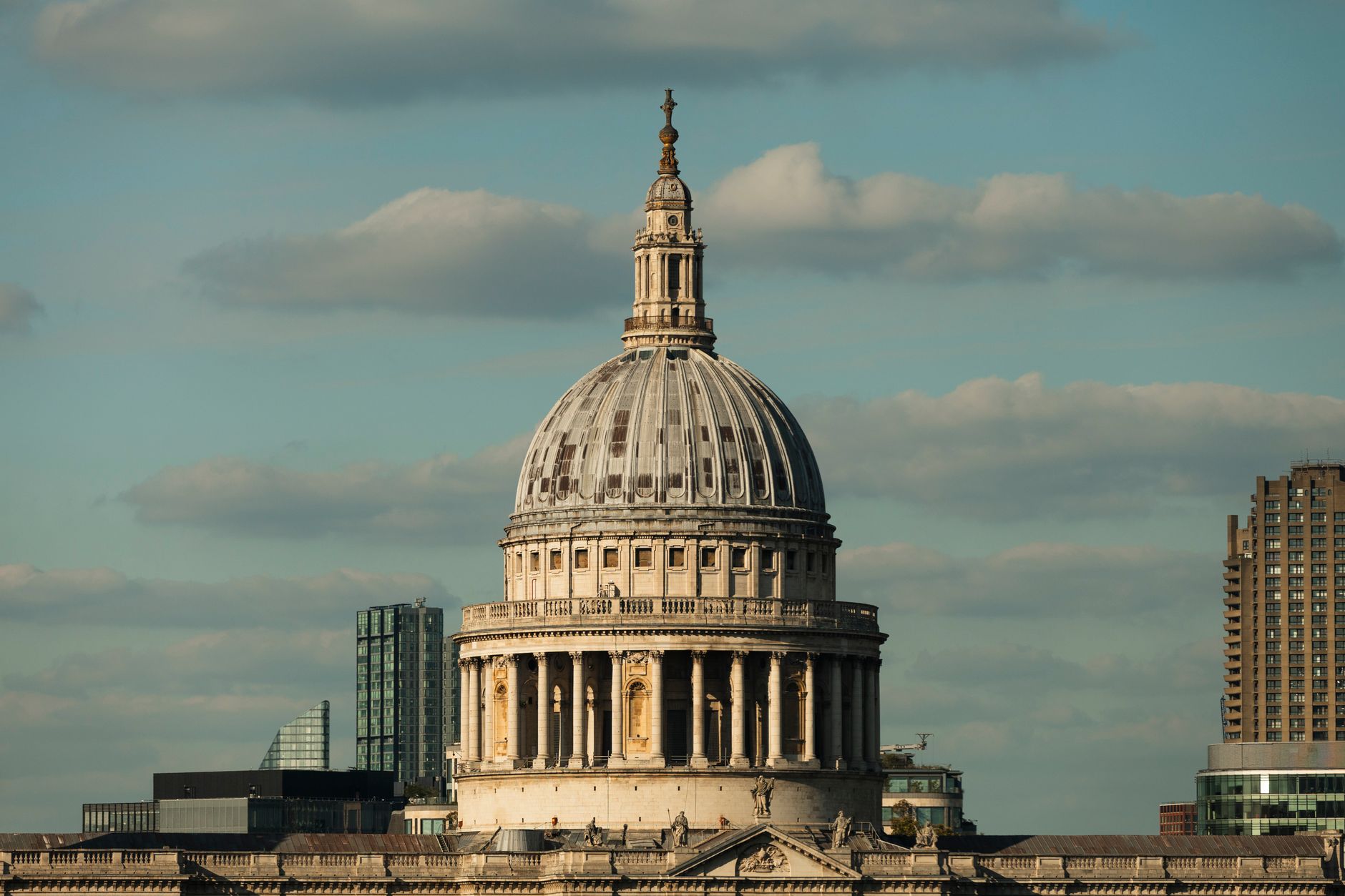 Photo: Robin Heidrich / Pexels
Built from cited sources · see the method · How we make our guides →
This is a city of deliberate clusters rather than isolated sights. You can spend a morning inside the hushed stone chambers of Westminster Abbey listening to the echo of 1,000 years of coronations, then cross the river and stand on the viewing terrace of Tate Modern watching the light shift across the Shard at 310 metres. The same ticket that gets you into the Tower of London also buys you the story of ravens, treason, and the world’s most secure collection of royal regalia.
What keeps pulling curious travellers back is the layered texture: the salt-beef beigels handed through a hatch on Brick Lane at 3 a.m., the sudden green hush of Postman’s Park with its memorial to ordinary heroes, the way a single day can move from the incense-heavy Arab Hall of Leighton House to the open-air echoes of Shakespeare’s Globe. London does not merely display its past; it lets you walk through it, eat inside it, and leave with the quiet understanding that every pavement slab has several stories stacked beneath your shoes.
Not every monument, just the ones we'd walk you past ourselves.
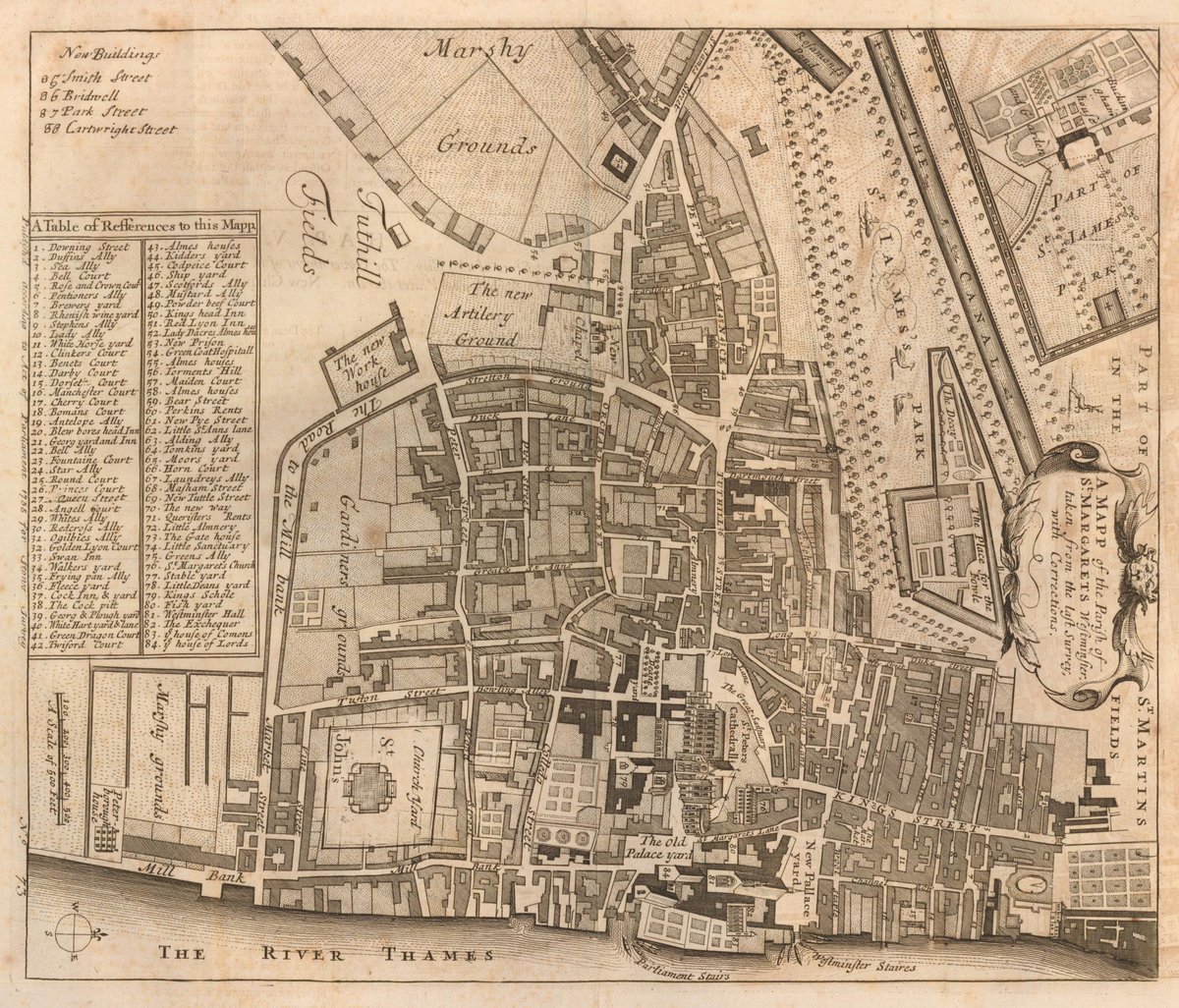

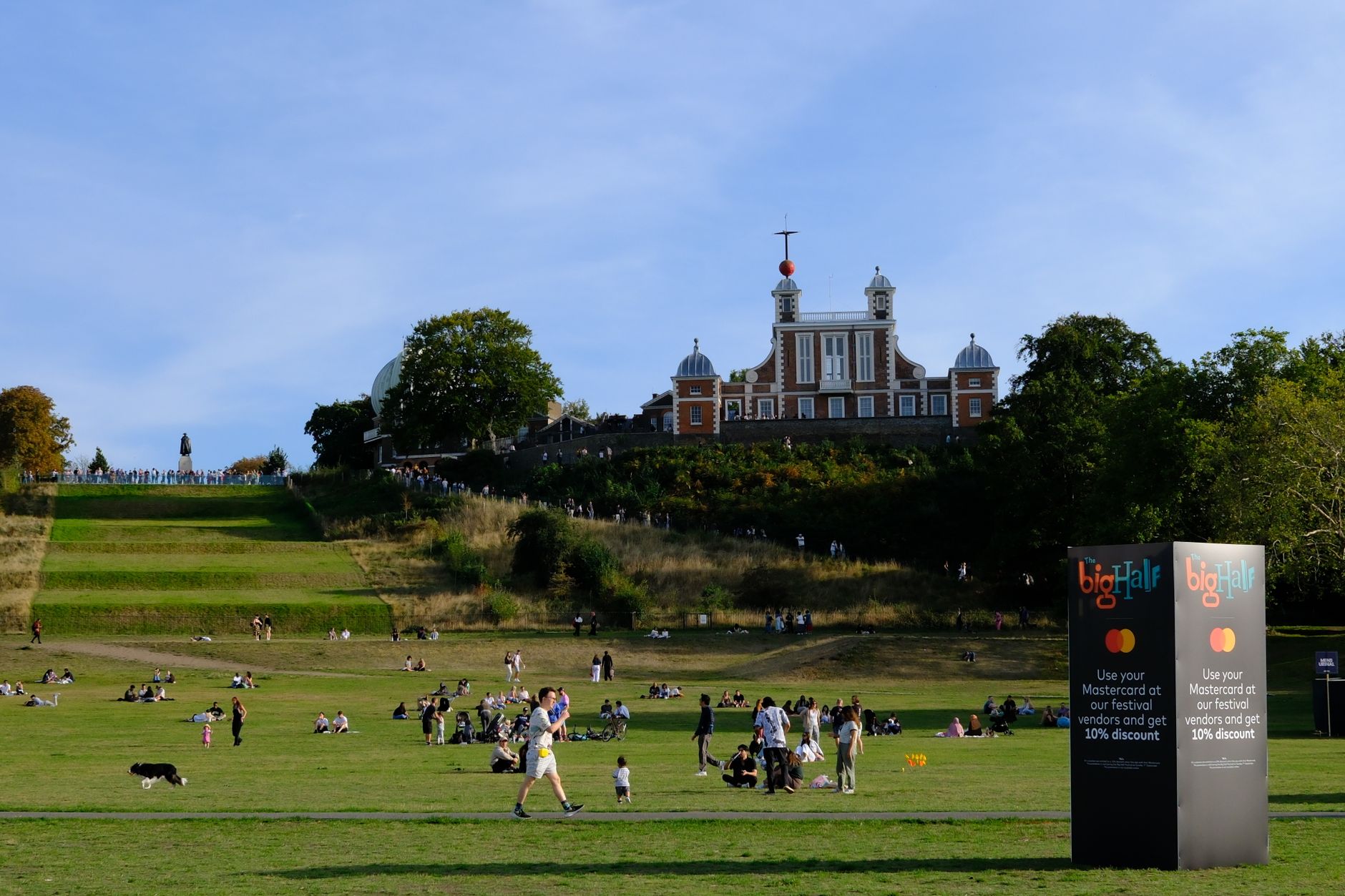
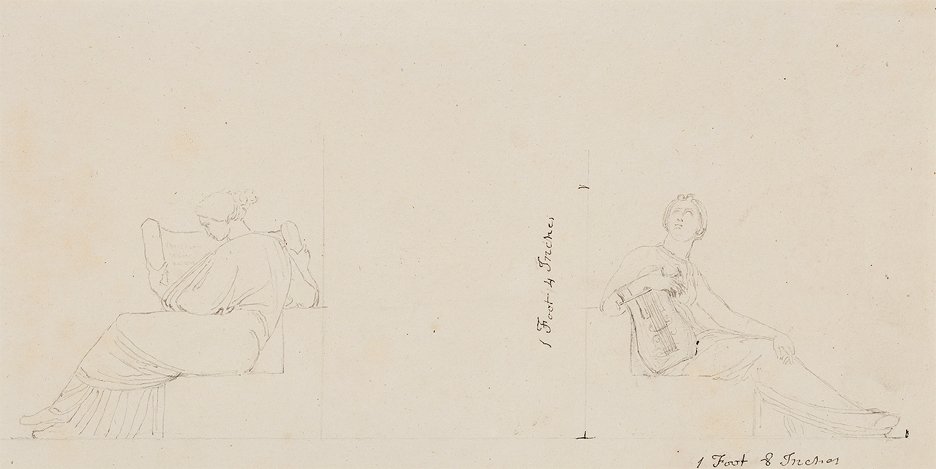
Where to wander, by quarter — each with its own rhythm.
Before you go
Curated from places in this city. Same price as official sites.


Prices shown are indicative — final pricing and availability are confirmed at checkout. Audiala may receive a commission from bookings made via these links.
Two thousand years of fire, plague, conquest and reinvention on the banks of the Thames
Emperor Claudius’s invading army crossed the Thames and established a trading settlement on the north bank. Within a decade Londinium had become a bustling port of 10,000 people, its warehouses heavy with olive oil, wine and British slaves. The city’s position at the lowest bridgeable point on the river sealed its fate as Britain’s commercial heart.
Queen Boudica of the Iceni stormed through the young city, setting fire to every building. The wooden settlement was reduced to a layer of bright red ash still visible to archaeologists today. The Romans rebuilt immediately, determined that this strategic river crossing would not be abandoned.
Roman engineers constructed a massive stone wall almost three kilometres long using 85,000 tons of ragstone. Standing six metres high, it enclosed the city for the next 1,500 years and defined the boundary of the City of London long after the legions had gone.
King Æthelberht founded a wooden cathedral dedicated to St Paul on Ludgate Hill, with Mellitus as its first bishop. Christianity gained its first permanent foothold in the ruined city. The church would be destroyed and rebuilt many times, yet the hill has never been without a cathedral since.
Alfred recaptured the city from Viking control and turned it into a defended English burh. He moved the settlement back inside the old Roman walls, ending the era of Lundenwic further west. The decision secured London’s future as England’s political and economic centre.
On Christmas Day, William was crowned in the newly completed Westminster Abbey. The coronation fixed Westminster, rather than the City, as the ceremonial seat of English power. The two halves of London — commercial City and royal Westminster — would define the capital’s strange geography for the next millennium.
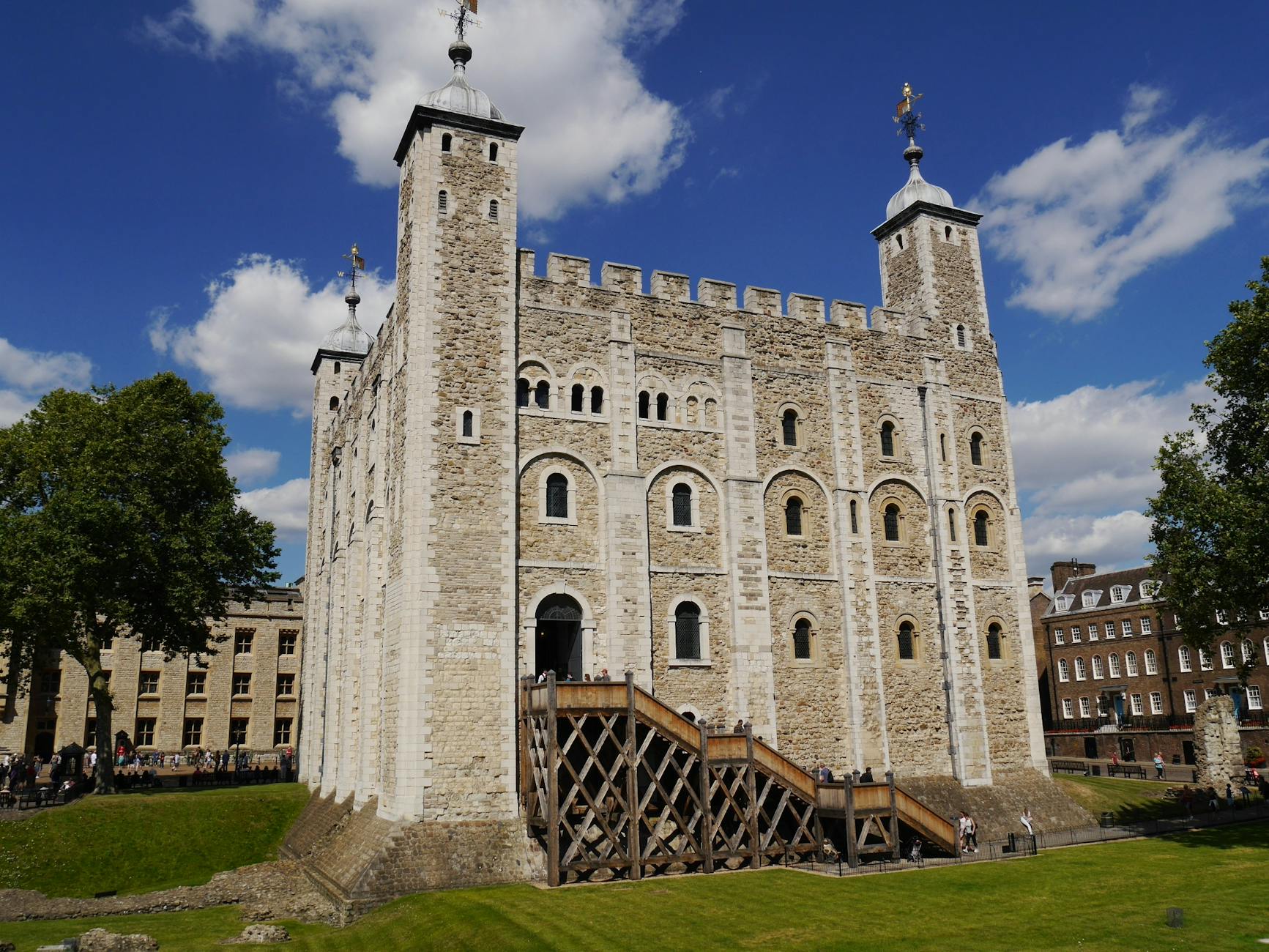
William ordered the huge stone keep that still dominates the Tower of London. Built to overawe the restless citizens, its whitewashed walls could be seen for miles. It became palace, prison, treasury and symbol of royal power over the city.
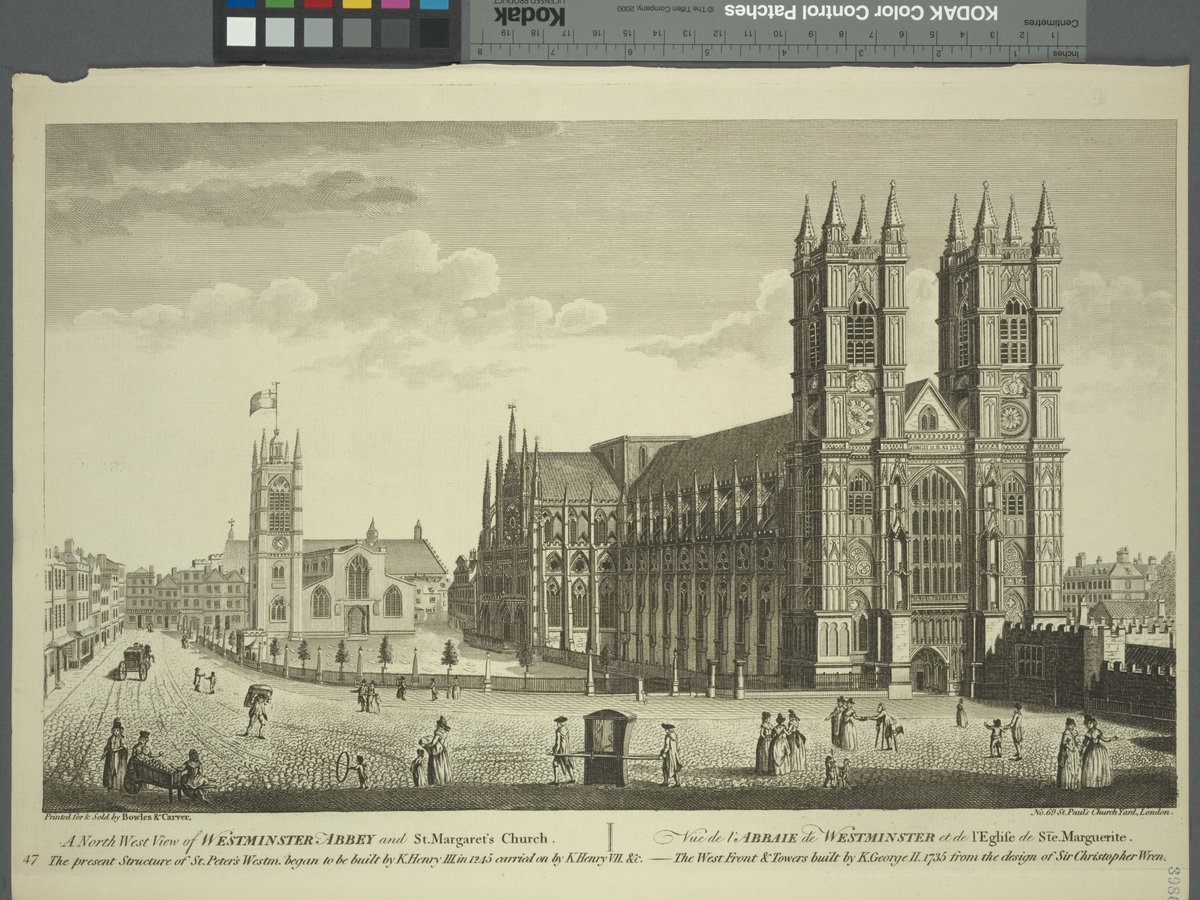
Henry began the Gothic transformation of Edward the Confessor’s church. The soaring new abbey, consecrated in 1269, became the coronation church and royal mausoleum. Its honey-coloured stone still carries the weight of every subsequent English monarch’s legitimacy.
The plague arrived by ship and killed more than half of London’s 80,000 inhabitants within four years. Bodies were piled in mass graves beyond the walls. The sudden labour shortage would later fuel the Peasants’ Revolt and accelerate the end of feudalism.
Thousands of rebels under Wat Tyler flooded into the city, opened the prisons, burned tax records and stormed the Tower. The fourteen-year-old Richard II met them at Smithfield. Tyler was killed and the revolt crushed, but the memory of a city briefly belonging to its poorest citizens never quite disappeared.
Henry’s decision to place himself at the head of the English Church transformed London’s religious landscape. Monasteries were dissolved, their stones carted away to build new palaces. The city’s churches changed hands, rites and doctrines almost overnight.
The Lord Chamberlain’s Men raised their polygonal playhouse on Bankside. Here, in the rough crowd of Southwark, Shakespeare’s greatest works were first performed under open skies. The theatre made the muddy suburb famous across Europe.
One hundred thousand Londoners — roughly one in four — died as the plague returned with terrifying force. Houses were marked with red crosses, dead-carts rumbled through the streets at night. Samuel Pepys watched the pits being filled from his window in Seething Lane.
A baker’s oven in Pudding Lane started a blaze that consumed 13,200 houses and 89 churches in four days. The medieval city was wiped away in a roaring furnace. Londoners stood on the fields of Islington and watched their city burn.
Wren was given the almost impossible task of rebuilding fifty-two churches and a new St Paul’s. His domes and spires transformed the skyline. The cathedral that rose from the ashes remains one of the most perfect expressions of English Baroque.
A fire started by over-stoked stoves destroyed most of the medieval palace. Only Westminster Hall and a few cloisters survived. The competition to design a new home for Parliament produced the Gothic masterpiece we know today, with its iconic clock tower.
In Joseph Paxton’s vast Crystal Palace in Hyde Park, six million visitors marvelled at the wonders of the age. London declared itself the workshop of the world. The exhibition’s success confirmed Britain’s industrial supremacy and the capital’s place at its centre.
The Metropolitan Railway opened between Paddington and Farringdon. Steam trains thundered through shallow tunnels, filling them with smoke. Forty thousand passengers rode on the first day. The Tube had begun — the veins that would sustain modern London.
The bascule bridge, with its twin Gothic towers, was finally completed after eight years of construction. Its ingenious mechanism allowed tall ships to reach the Pool of London while giving pedestrians and carriages an unbroken crossing. It instantly became the most recognisable symbol of the imperial capital.
On 7 September the Luftwaffe began a campaign of terror bombing that would last 57 consecutive nights. London burned again, but this time its people stayed. The docks, the East End and the City took terrible punishment, yet the city refused to break.
The former troopship docked at Tilbury carrying 492 passengers from the Caribbean. Many were housed temporarily in Clapham Deep Shelter. Their arrival marked the beginning of modern multicultural London. The city would never look or sound the same again.
A deadly yellow fog settled over London for five days in December. Visibility dropped to a few feet. Hospitals filled with respiratory patients; thousands died. The disaster finally forced the government to pass the Clean Air Act and end the era of coal smoke.
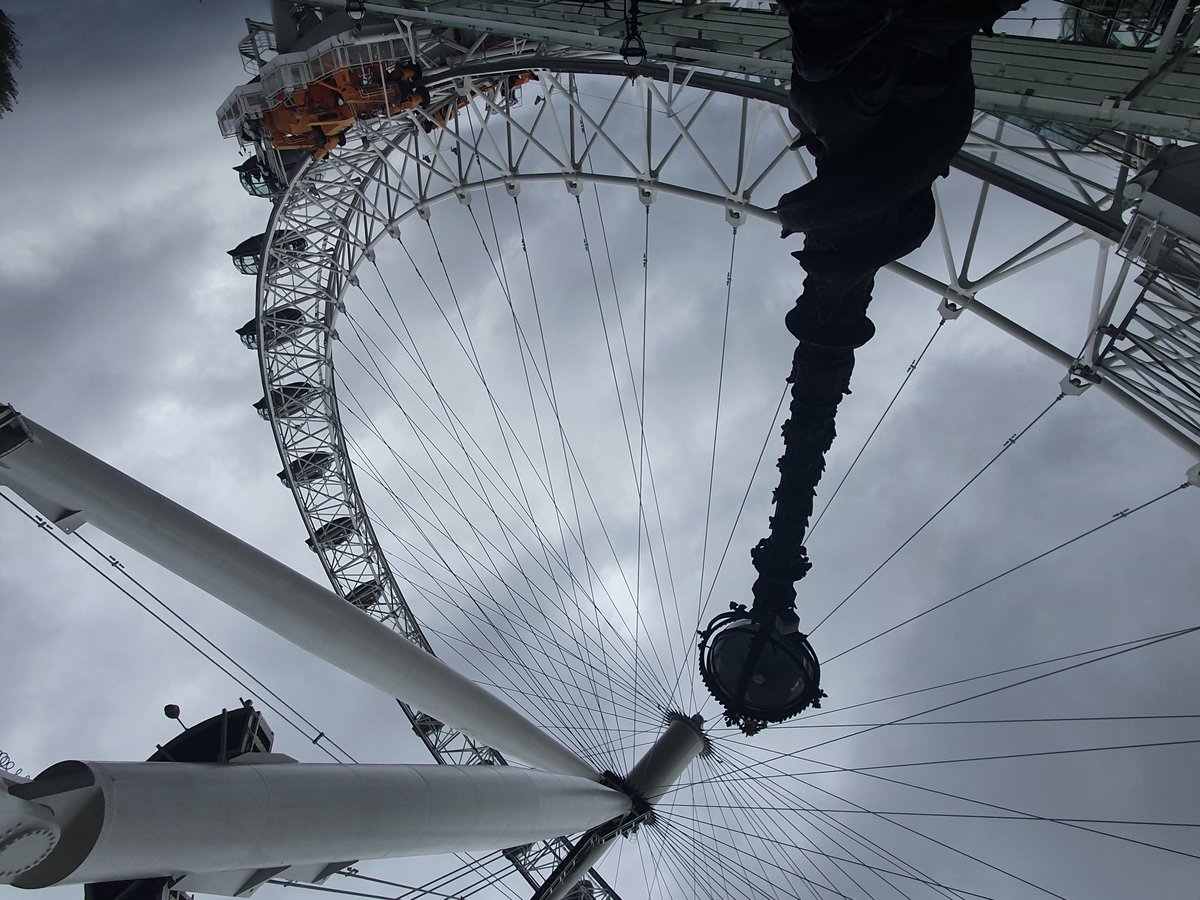
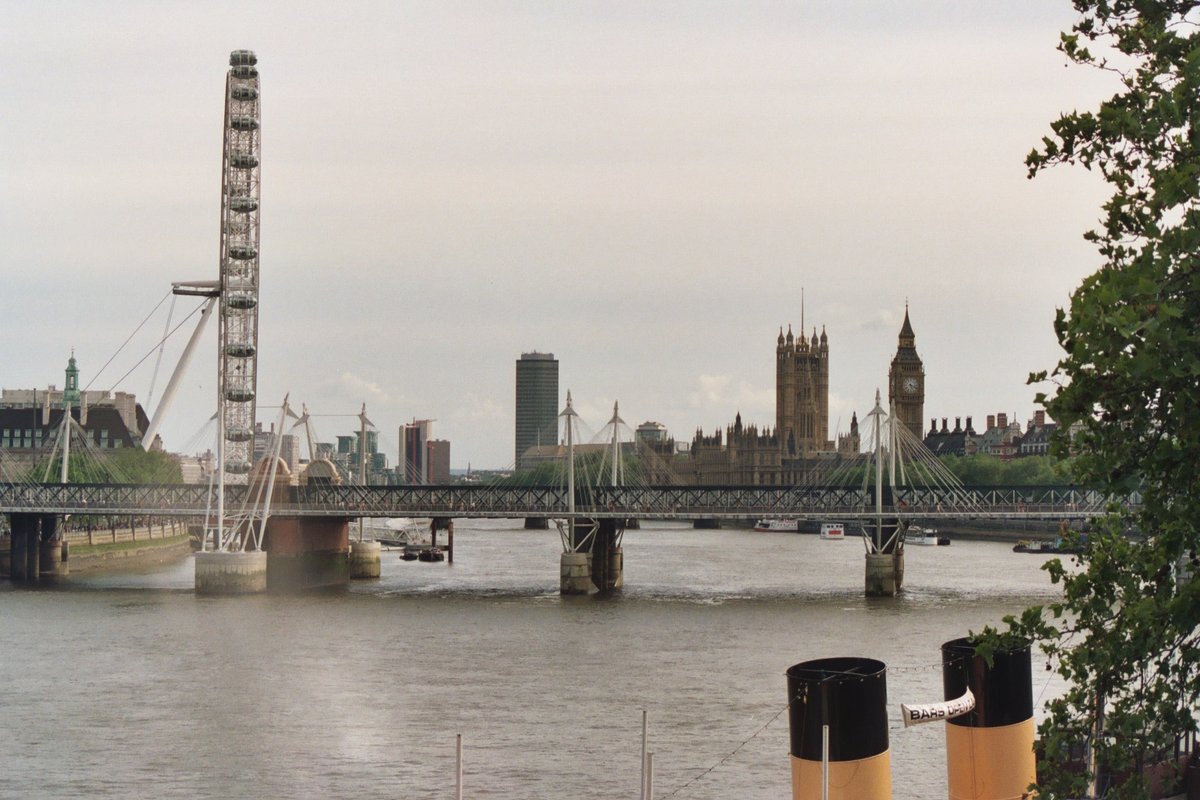
The London Eye, Tate Modern, Millennium Bridge and the new Jubilee Line stations opened. After years of decline and doubt, the city celebrated a confident, creative rebirth on the edge of a new century. The riverside had been reclaimed.
The Games brought massive regeneration to the East End. The Olympic Park rose from polluted industrial land. For a few weeks the city felt unified and optimistic. Many of the venues and parks remain, quietly changing the lives of a new generation of Londoners.
Playwright · 1564–1616
Lived and worked here 1590s–1610s
Shakespeare didn’t just write in London — he built the business of theatre here. As a shareholder in the Globe on the South Bank, he watched his plays performed in front of rowdy, groundling audiences who cheered, booed and sometimes threw things. Walking Bankside today, you can still stand where he stood and feel how a city shaped the greatest writer in the language.
Novelist · 1812–1870
Lived here, used London as his stage
Dickens walked London obsessively at night, turning its fog, slums and courts into the atmosphere of his novels. He lived at 48 Doughty Street while writing Oliver Twist and never stopped using the city as raw material. Today you can still find the same contrast he loved: elegant squares two streets away from chaotic markets.
Architect · 1632–1723
Rebuilt the City after 1666
After the Great Fire destroyed most of the City, Wren was given the chance to redesign London. He built St Paul’s Cathedral and 51 other churches that still shape the skyline. Standing in the whispering gallery of St Paul’s, you can almost hear the ambition of a man who believed architecture could heal a city.
Writer · 1882–1941
Born and lived in Bloomsbury
Born in South Kensington and later at the heart of the Bloomsbury Group, Woolf turned the streets of London into the very texture of her modernist novels. Mrs Dalloway’s famous walk through the city still works as a route today. She understood that London’s power lies in the way ordinary moments inside ordinary buildings can feel monumental.
Mathematician and computing pioneer · 1815–1852
Born in Piccadilly, died in Marylebone
Ada Lovelace was born in a grand London house and wrote the first computer program in the 1840s while working with Charles Babbage. Her vision of machines that could compose music and create art was almost absurdly ahead of its time. Standing in Marylebone today, it’s striking how a woman writing in these quiet streets saw the digital future so clearly.
Where locals actually book dinner — not the tourist menus.
Small things that change how the city treats you.
The city, as it actually looks.



Yes, London is worth visiting. Its unmatched density of free world-class museums, living royal history and genuine multicultural food scene still surprises even frequent visitors. The city rewards both three-day first-timers and two-week return trips because neighbourhoods feel like separate cities.
Most first-time visitors need at least 4–5 days. This allows one full day each for Westminster, the South Bank, the City and a museum quarter without rushing. Return visitors often allocate 7+ days to reach Greenwich, Hampstead Heath or hidden interiors like Sir John Soane’s Museum.
The Elizabeth line is usually the smartest choice, reaching central London in under 45 minutes for about £13.90. Heathrow Express is faster (15 min to Paddington) but more expensive. The Piccadilly line remains the cheapest option at £5.50 if you don’t mind 50–60 minutes.
London is expensive for accommodation and dining out, yet unusually budget-friendly for culture. You can easily spend a full week visiting major sights without paying a single attraction entry fee thanks to the free national museums. Book accommodation in Zone 2–3 and use contactless payments to keep daily transport under £10.
London is generally safe for tourists in all central areas. Standard big-city precautions apply: watch your belongings on the Tube and avoid empty side streets late at night. The city has good street lighting and visible police presence around major tourist clusters.
652 places to discover







Showing 1–48 of 652 places
Saved and recently read places — kept on this device only.
Photos may have been resized or cropped.