
Historical Origins and Building Heritage
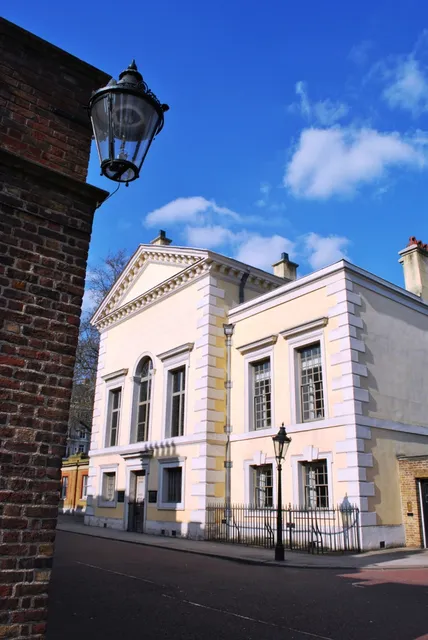
Located at 2 Palace Green, the Embassy of Israel is set within one of London’s most prestigious addresses. The red-brick Victorian mansion, constructed for William Makepeace Thackeray, received its Grade II* listing in 1969, reflecting its enduring architectural and historical value (Simple Wikipedia). The embassy shares the building with the Israeli Consulate, which is accessed separately via 15a Old Court Place.
The Establishment of Diplomatic Relations
The United Kingdom played a formative role in the modern history of Israel through the British Mandate for Palestine, established in London. After the UK recognized the State of Israel in April 1950, the embassy opened at its current location in 1952, cementing formal diplomatic ties (Embassy Bilateral Relations).
Key Historical Events
The 1982 Assassination Attempt
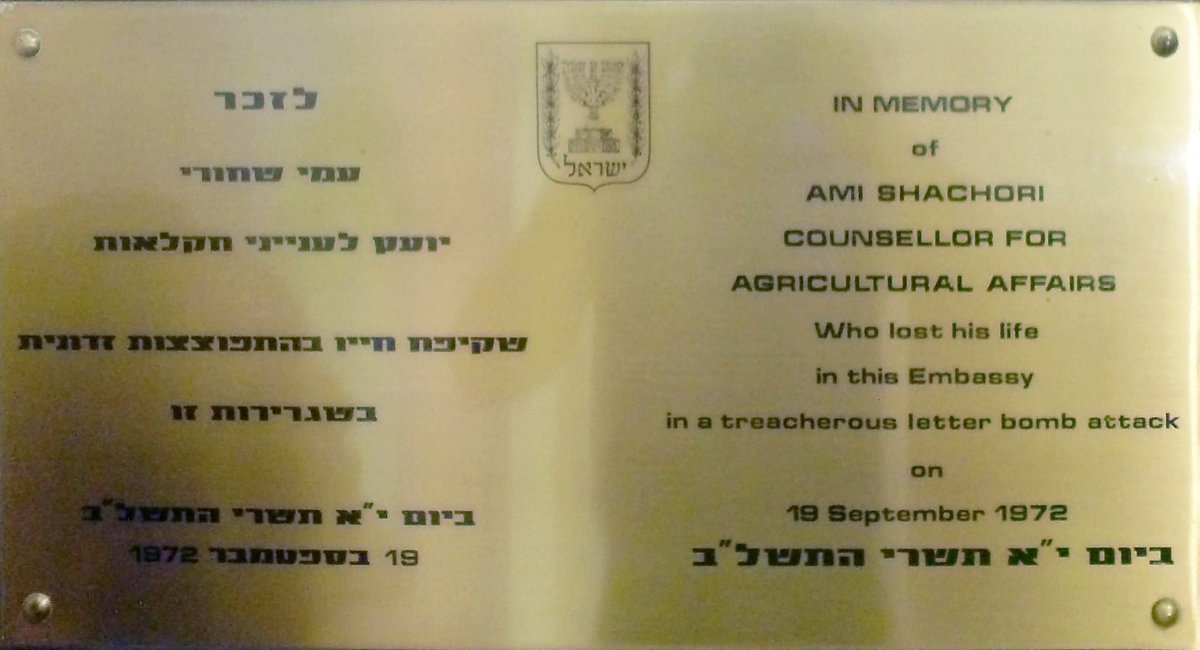
On June 3, 1982, Shlomo Argov, Israel’s envoy to London, was shot outside the embassy—a pivotal event triggering Israel’s invasion of Lebanon and the First Lebanon War. This incident underscored the importance of security at the embassy and its role in global diplomatic affairs (JTA).
State Visits and Diplomatic Milestones
The embassy has hosted notable events, including the first state visit by Israeli President Ezer Weizman and landmark speeches by UK leaders such as Prime Minister Gordon Brown in Jerusalem. Royal visits from members of the British royal family have further reinforced the bilateral relationship (Embassy Bilateral Relations).
Israel–UK Relations in the Modern Era
Bilateral Agreements and Strategic Partnerships
Recent years have seen the signing of a UK–Israel free trade agreement post-Brexit and the launch of the “2030 Roadmap” to expand cooperation in trade, technology, science, health, and climate. The UK-Israel Tech Hub has facilitated numerous partnerships, supporting Israeli businesses in the UK (Embassy Bilateral Relations).
Security, Advocacy, and Cultural Engagement
The embassy operates under heightened security due to its prominence and the volatile regional climate. It is a focal point for advocacy, protests, and public events—such as Israel’s independence day celebrations—which often attract significant attention (ArtNews). Cultural diplomacy remains central, with events promoting Israeli innovation and heritage.
Leadership and Representation
Ambassador Tzipi Hotovely’s appointment exemplifies the embassy’s commitment to diversity and contemporary diplomacy (Jerusalem Post).
Addressing Contemporary Challenges
The embassy handles complex issues, from Middle East policy debates and humanitarian concerns in Gaza to combating antisemitism. The UK’s adoption of the IHRA definition and presidency in 2024 highlight the embassy’s role in fostering tolerance (Democracy Now).
Visiting the Embassy: Hours, Access, and Nearby Attractions
Visiting Hours and Access
- Consular Services By appointment only, typically Monday–Friday, 9:00 AM to 5:00 PM.
- Public Tours Not available due to security protocols.
- Special Events Occasionally open to the public by prior arrangement or invitation.
- Holidays Closed on UK and Israeli public holidays.
Always verify hours on the official website (Embassy Website).
Tickets and Entry
No tickets or fees are required for consular services. Access is strictly by appointment; walk-ins are not permitted.
Location and Transportation
- Address 2 Palace Green, Kensington, London W8 4QB
- Nearest Tube Stations High Street Kensington (Circle/District lines), Notting Hill Gate (Central/Circle/District lines)
- Bus Routes Multiple lines serve Kensington High Street
- Parking Limited; public transport recommended
Nearby Attractions
- Kensington Palace and Gardens
- Hyde Park
- Victoria and Albert Museum
- Royal Albert Hall
- Kensington High Street shopping district
Security Protocols and Visitor Screening
Given ongoing regional tensions, security at the embassy is rigorous and strictly enforced (Times of Israel):
- Appointment Required All visitors must book in advance.
- Identity Verification Government-issued photo ID is mandatory.
- Screening Airport-style security checks; personal items and bags are inspected.
- No Photography Strictly prohibited within and around the embassy.
- Prohibited Items Weapons, sharp objects, and large bags are not allowed.
- Consular Entrance Access via 15a Old Court Place for consular services.
Accessibility and Visitor Tips
- Mobility The building’s Grade II* status may limit full step-free access; contact the embassy in advance for disability accommodations.
- Arrival Arrive early to allow time for security checks.
- Documentation Bring all required paperwork for consular visits.
- Children Visits with children should be pre-arranged, particularly for events.
- Dress Code Smart attire is recommended in a diplomatic setting.
Special Events, Cultural Programs, and Visitor Etiquette
While regular public tours are not offered, the embassy occasionally hosts open days, exhibitions, and cultural lectures. These special events are announced on the embassy website and social media channels. If attending, observe all security and etiquette guidelines.
Frequently Asked Questions (FAQ)
Q: Can I visit without an appointment?
A: No. All visits require a pre-booked appointment.
Q: Are there entry fees or tickets?
A: No, but access is strictly controlled for security reasons.
Q: Is photography allowed?
A: Photography is strictly prohibited.
Q: Is the embassy wheelchair accessible?
A: Accessibility is limited; contact the embassy for arrangements.
Q: Where can I find event updates or closure notices?
A: Check the official embassy website.