
Welcome to Queen Mary University of London: Your Visitor’s Guide
Discover the rich history, architecture, and dynamic campus life of Queen Mary University of London. Whether you’re exploring iconic buildings, attending events, or learning about QMUL’s pioneering contributions, this guide provides all the essential information for a memorable visit.
Historical Origins and Founding Institutions
QMUL’s origins lie in four foundational colleges:
- St Bartholomew’s Hospital Medical College (1123) One of Europe’s oldest hospitals, pivotal in advancing healthcare in London.
- The London Hospital Medical College (1785) England’s first hospital-attached medical school, trailblazing clinical education in East London.
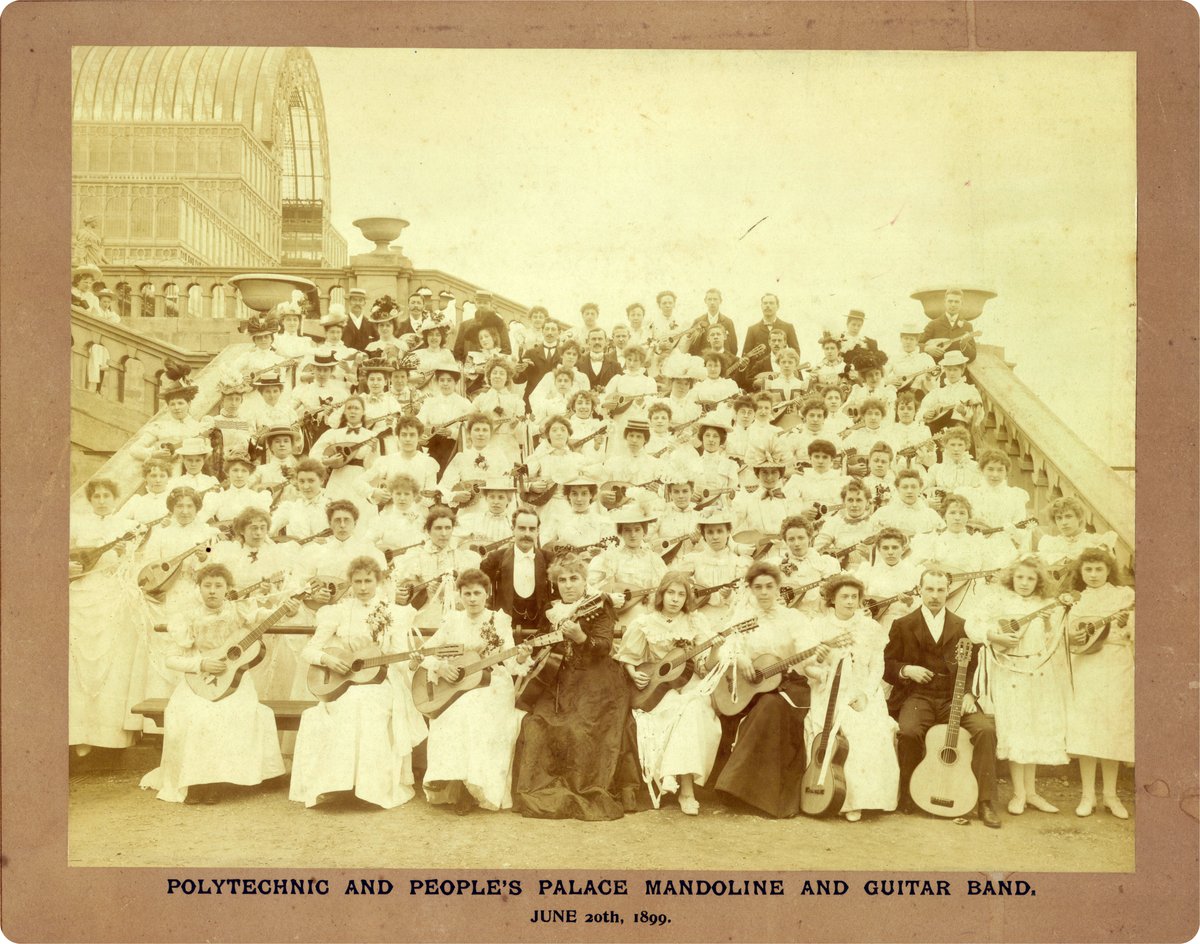
- Queen Mary College (from the People’s Palace, 1887) Established to provide educational and cultural opportunities to working-class East Londoners.
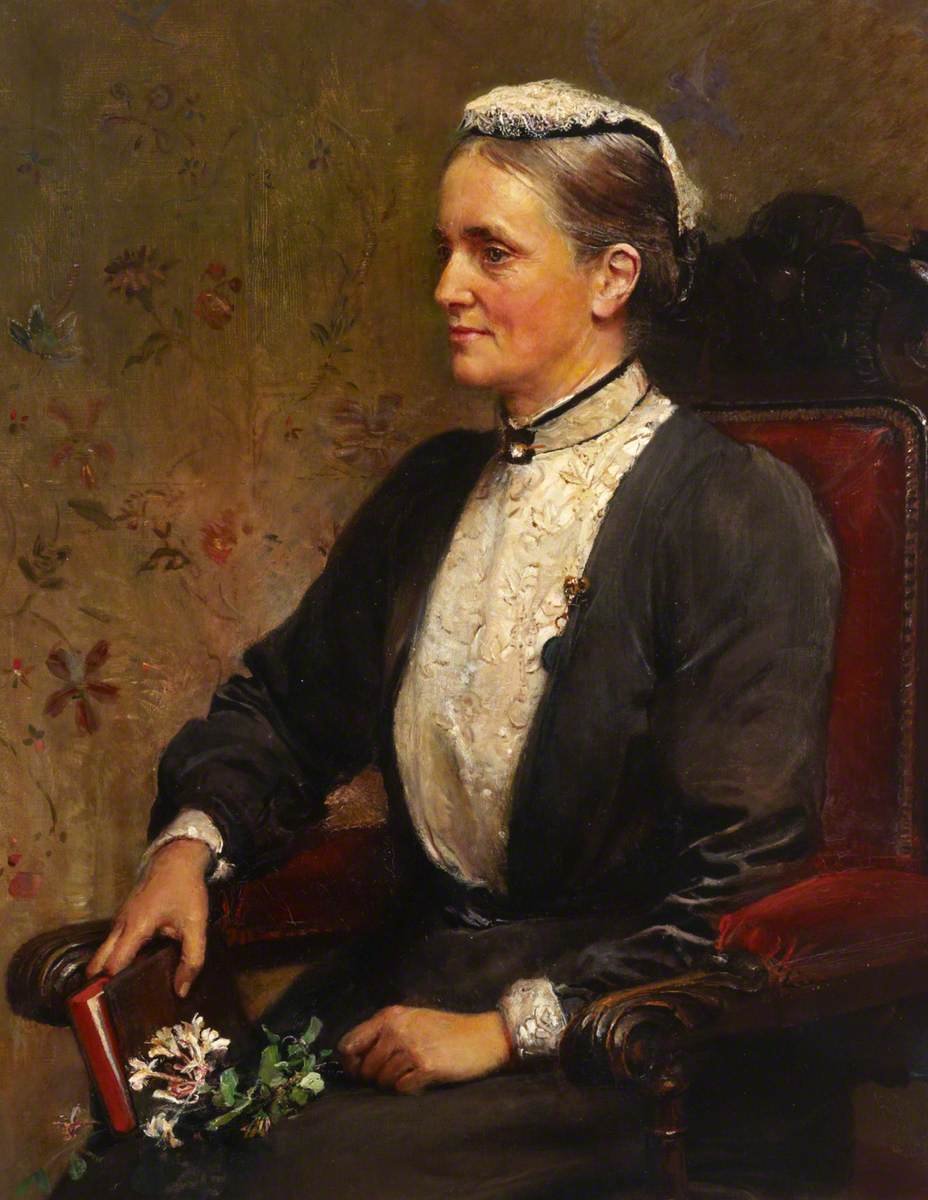
- Westfield College (1882) Among the UK’s earliest higher education institutions for women.
Mergers and Institutional Evolution
QMUL’s present form is a result of several key mergers:
- 1989 Queen Mary College merged with Westfield College.
- 1995 St Bartholomew’s and The London Hospital medical colleges united as Barts and The London School of Medicine and Dentistry.
- 2000 Adopted the working title "Queen Mary, University of London."
- 2013 Name officially changed to Queen Mary University of London.
Social Mission and Academic Impact
From its inception, QMUL has championed educational access, social mobility, and healthcare for all. As a Russell Group member, the university is recognized for research excellence and its commitment to widening participation.
Architectural and Cultural Highlights
The People’s Palace & Queens’ Building
A must-see at Mile End, the Queens’ Building—originally the People’s Palace—boasts Grade II listed Victorian architecture, including the Octagon event space, former reading rooms, and performance halls.
Medical Heritage
Explore the historic Whitechapel and Charterhouse Square medical campuses. Notably, St Bartholomew’s Hospital remains Britain’s oldest hospital still in its original location.
Academic Excellence and Notable Alumni
QMUL is home to over 32,000 students and ranks among the UK’s top 20 for research. Its alumni include nine Nobel Laureates, such as Sir Ronald Ross (malaria transmission) and Andrew Pollard (Oxford–AstraZeneca COVID-19 vaccine).
Practical Visitor Information
Location & Transport
- Address Mile End Road, London E1 4NS
- Transport Served by Mile End and Stepney Green Underground stations (Central, District, Hammersmith & City lines).
Opening Hours & Access
- Campus Hours Mile End campus is generally open 8:00 AM to 8:00 PM, Monday–Friday.
- Building Access Key sites like the Queens’ Building and Octagon are open weekdays 9:00 AM–5:00 PM. Hours may vary during holidays or events—check QMSU Events before visiting.
Tickets & Guided Tours
- Admission Free for public areas.
- Guided Tours Available for prospective students and visitors; book via the Campus Tours page.
- Special Events Some may require tickets—see the official site for details.
Accommodation
- On-campus Nearly 3,000 student rooms, with self-catered options from £170/week (QMUL Accommodation).
- Nearby Hotels Numerous options in East London for short-term stays.
Accessibility
- Facilities Wheelchair-accessible routes and restrooms; assistance available—contact QMUL in advance.
Photo Spots
- The Octagon in Queens’ Building (Victorian architecture)
- St Bartholomew’s Hospital historic façade
- Mile End campus green spaces and student art installations
Campus Life and Local Culture
Located in one of London’s most diverse neighborhoods, QMUL offers multicultural dining, vibrant street art, and historic sites. The campus regularly hosts cultural events, exhibitions, and student-led activities.
Frequently Asked Questions (FAQ)
Q: Is there an admission fee to visit QMUL?
A: No, general campus access is free. Some events may require tickets.
Q: Can I visit the library or medical museums?
A: Public access is limited; check with QMUL for open exhibitions and events.
Q: Where can I park?
A: Parking is limited; public transport is recommended.
Q: Are dining options available on campus?
A: Yes, several cafes and eateries cater to a range of tastes.
Q: Is the campus accessible for visitors with disabilities?
A: Yes, step-free access and accessible facilities are available; contact QMUL for specific needs.
Plan Your Visit Today!
Experience QMUL’s unique blend of history and innovation. For up-to-date information, bookings, and event schedules, visit Queen Mary University of London. Follow #VisitQMUL on social media and explore the campus using digital maps and virtual tours.
Nearby Attractions
After your campus tour, explore:
- Victoria Park One of London’s largest green spaces.
- Brick Lane Famous for international cuisine and street art.
- Spitalfields Market Eclectic stalls and food vendors.
- Columbia Road Flower Market Vibrant Sunday flower market.
Excellent transport links allow easy access to London’s major cultural destinations.
Recommended Visuals
- Images of the Queens’ Building and Octagon event space
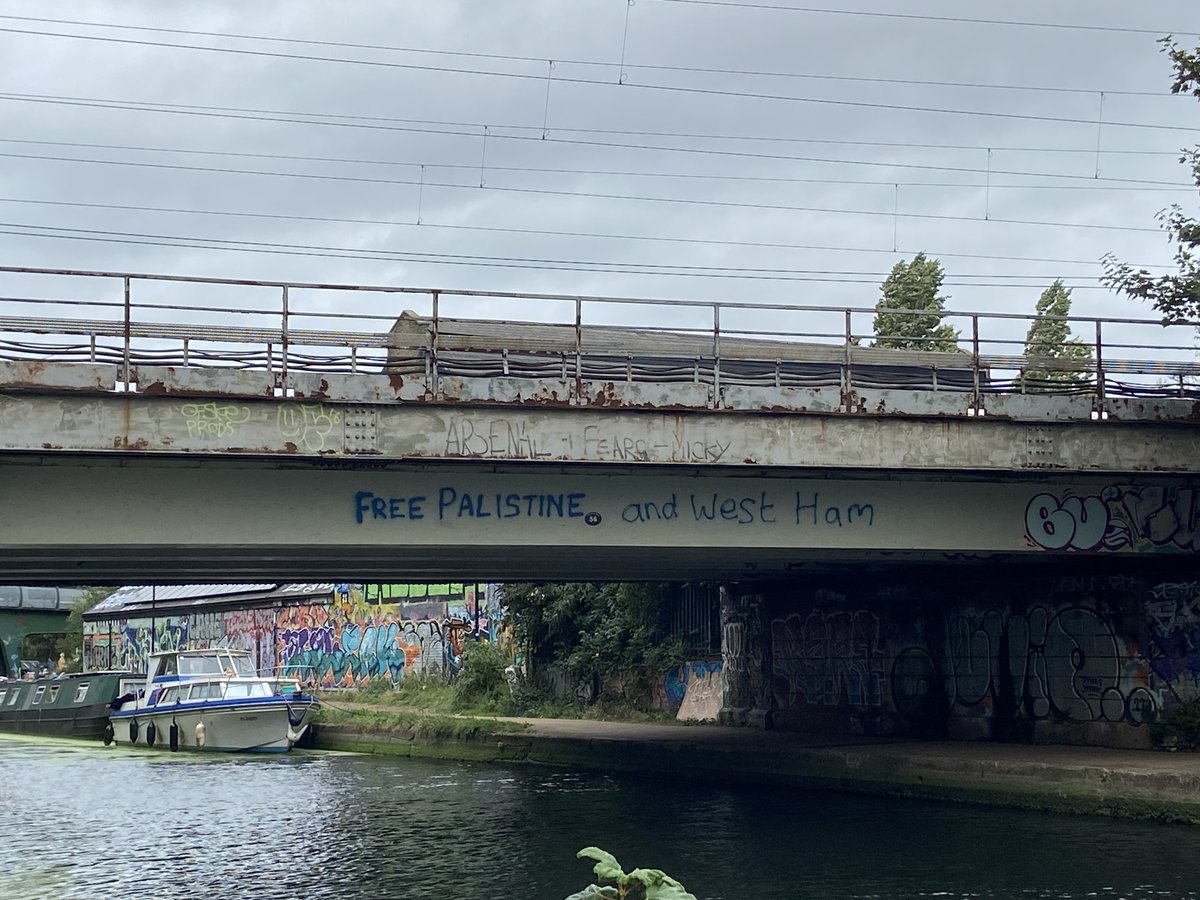
- Canal-side views and Mile End Park
- Student Village and Blizard Building architecture
- Photos of campus events and cultural exhibitions
Related Articles
- "Top Historical Sites to Visit in London"
- "A Guide to London’s East End Markets"
- "Exploring University Campuses in London: A Visitor’s Perspective"
Discover More
Visiting Queen Mary University of London is an opportunity to engage with a leading institution that integrates historic significance, innovative research, and vibrant campus life. From exploring Victorian landmarks and Nobel-winning achievements to enjoying multicultural East London, QMUL offers a rich, multifaceted experience. For the latest information, tour bookings, and event details, consult the QMUL Official Site, QMSU Events, and Campus Tours. Enhance your visit with digital resources and join the #VisitQMUL community.