
The London Mithraeum
The London Mithraeum, also known as the Temple of Mithras, is an ancient Roman temple beneath the modern streets of London. Rediscovered in 1954, it offers a glimpse into Roman London and the mysterious cult of Mithras, which flourished among Roman soldiers and merchants from the 1st to 4th centuries AD (source).
The site is at 12 Walbrook, London EC4N 8AA, within the Bloomberg European headquarters. Bloomberg SPACE, a contemporary art gallery, is built around the temple remains.
History
Mithraism, a mystery religion centred on the god Mithras, originated in Persia and spread through the Roman Empire, particularly among soldiers. It reached Roman Britain in the 1st century AD. Followers sought salvation through seven grades of initiation and secret rituals.
The London Mithraeum was constructed around 240 AD on the east bank of the River Walbrook, then a busy port area. Its location suggests the religion may have appealed to the diverse population of Londinium, including merchants, soldiers and freedmen.
The temple lay buried for centuries until it was accidentally rediscovered in 1954 during post-war reconstruction. Its well-preserved remains and excavated artifacts provided valuable insight into Roman London and Mithraic practices.
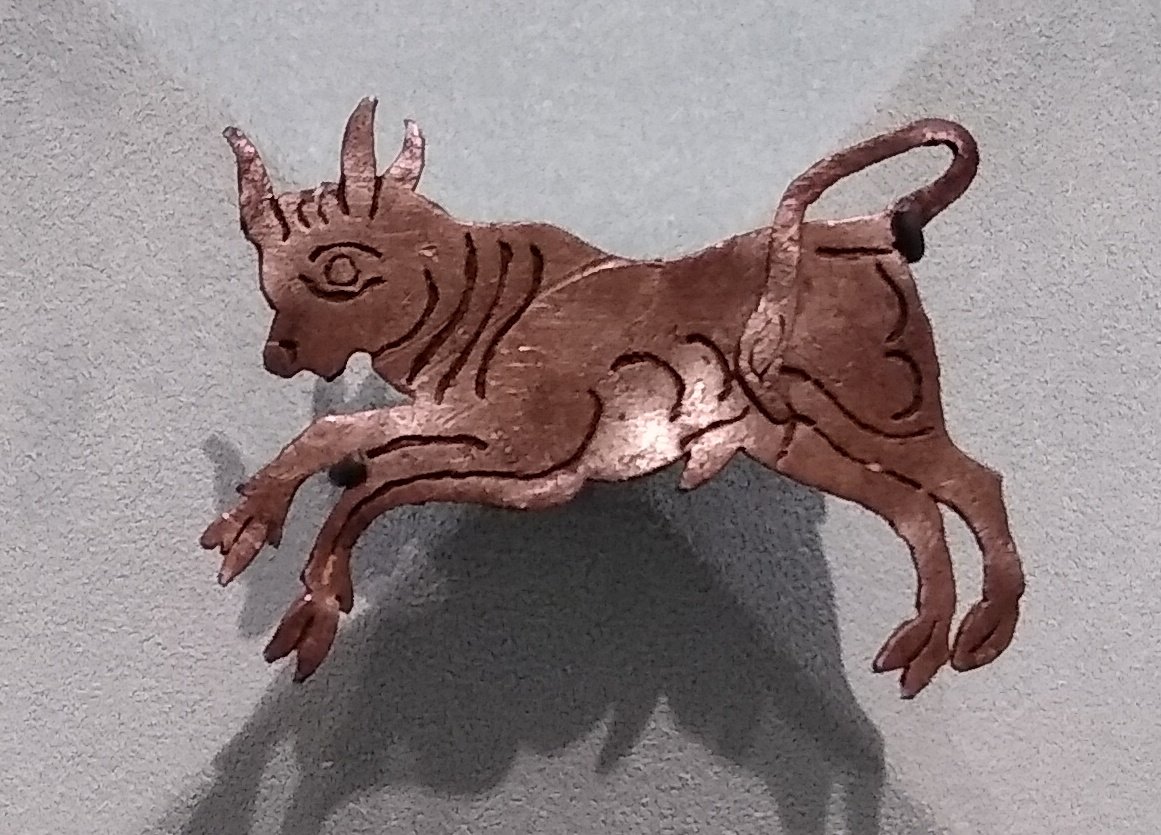
The temple had a long, narrow, windowless central chamber, or nave. Benches along its sides accommodated initiates, and an altar at the far end was the focus of ceremonies. Three altars were dedicated to Mithras and other deities. The main altar’s relief of Mithras slaying a bull, known as the tauroctony, symbolised his victory over death and his role as a bringer of life. The side altars likely honoured Cautes and Cautopates, torchbearers representing the rising and setting sun and the importance of light and darkness in Mithraic belief.
Excavations uncovered pottery fragments, animal bones and over 14,000 coins, as well as votive offerings including a marble head of Serapis, an Egyptian god. These finds reflect the varied religious landscape and cosmopolitan character of Roman London. Other discoveries included a silver plaque depicting Mithras emerging from a rock, along with jewelry and tools.
What to see
Temple remains
The nave is a dimly lit, atmospheric space where Mithras’s followers would have gathered. Although little of the original structure remains, projected light and mirrors recreate its layout. Reconstructed remains let visitors walk among the ruins and imagine the rituals held there.
The antechamber contains a reconstructed section of painted plaster wall, offering a glimpse of the colours and designs that once decorated the temple. Beneath the nave, a natural spring rediscovered during the excavation may have had sacred significance for the Mithraic community.
Museum collection and displays
The original tauroctony sculpture from the London Mithraeum is lost, but the museum displays a full-size cast. The collection also includes the silver plaque found near the temple and artifacts of daily life, such as pottery, coins, jewelry and tools.
A digital projection recreates the temple’s original form and colours. The soundscape, based on archaeological evidence and historical research, evokes Roman London with sounds of bustling streets, flowing water and chanting voices. Light, sound and mist are also used in a multimedia presentation that recreates the temple’s atmosphere. Touchscreen displays and other interactive exhibits explain the cult of Mithras, the temple’s history and its artifacts.
Bloomberg SPACE
Above the Mithraeum, Bloomberg SPACE is a contemporary art gallery with a rotating programme of exhibitions. The gallery adds a further cultural experience alongside the archaeological site.
Practical visiting information
Opening hours, admission and booking
Admission is free, and donations are welcome to support the site’s preservation and maintenance. Advance booking is recommended, particularly during peak tourist seasons. Tickets can be reserved through the official website or at the entrance, subject to availability; walk-in tickets are also subject to availability.
Published opening hours differ:
- One schedule gives weekdays as 10 - 00 AM to 6 - 00 PM and weekends as 10 - 00 AM to 5 - 00 PM.
- Another gives Monday to Saturday as 10 - 00 AM to 6 - 00 PM and Sunday as 12 - 00 PM to 5 - 00 PM.
- A further schedule gives Tuesday to Saturday as 10 - 00 AM to 6 - 00 PM and Sunday as 12 - 00 PM to 5 - 00 PM, with the site closed on Mondays and public holidays.
Check the official website for current hours, closures and time-slot availability.
Getting there and accessibility
The Mithraeum is in the heart of the City of London. Bank is a short walk away. Stations identified as nearby include Bank and Cannon Street, as well as St. Paul’s and Mansion House. Bank serves the Central, Northern and Waterloo & City lines; St. Paul’s serves the Central line; Mansion House serves the District and Circle lines. Numerous bus routes serve the area.
The site is wheelchair accessible. Accessible toilets are available, assistance dogs are welcome, and visitor services are available.
Tours and events
Free guided tours are available throughout the day and offer insights into the Mithraeum’s history, archaeology and significance. Guided tours can provide a more in-depth exploration of the site and its artifacts. The Mithraeum also hosts special events, including lectures, workshops and themed tours. Check the website for tour times, availability and event details.
For more information, visit the official [London Mithraeum website](https - //www.londonmithraeum.com). The visit can also be booked online through the Bloomberg Foundation website: [https - //www.bloomberg.com/london-mithraeum/](https - //www.bloomberg.com/london-mithraeum/).
Tips
Allow at least an hour to explore the temple and accompanying exhibits. Photography is encouraged and permitted, but flash photography and tripods are not allowed. The main chamber, with its atmospheric lighting and reconstructed altars, is a notable photographic spot.
The Mithraeum is a place of historical and spiritual significance; visitors are encouraged to maintain a respectful atmosphere and avoid loud conversations. For a quieter experience, consider visiting during off-peak hours, such as early mornings or weekdays. The Audiala mobile app is another source of updates.
Nearby places
Nearby historical attractions include the Museum of London, St. Paul’s Cathedral, the Tower of London, the Bank of England Museum and the Guildhall.
The surrounding area has dining options ranging from casual cafes to fine-dining restaurants, as well as shops and boutiques within walking distance. Accommodation nearby ranges from budget hotels to luxury establishments.
FAQ
What are the London Mithraeum’s visiting hours?
Published schedules differ. One gives weekdays as 10 - 00 AM to 6 - 00 PM and weekends as 10 - 00 AM to 5 - 00 PM. Other schedules give Monday to Saturday, or Tuesday to Saturday, as 10 - 00 AM to 6 - 00 PM, and Sunday as 12 - 00 PM to 5 - 00 PM. The Tuesday-to-Saturday schedule says the site is closed on Mondays and public holidays. Check the official website for current hours.
How much do tickets cost?
Admission is free. Donations are welcome, and advance booking is recommended. Reservations can be made through the official website; walk-in tickets are subject to availability.
Are guided tours available?
Yes. Free guided tours are available throughout the day. Check the website for tour times and availability.
Is the London Mithraeum accessible to wheelchair users?
Yes. The site is wheelchair accessible, and accessible toilets are available. Assistance dogs are welcome.
Which Tube stations are nearby?
Bank and Cannon Street are identified as nearby stations. Other nearby stations include St. Paul’s and Mansion House.