
Discover the Taiwan Education Association Building: Why Visit?
As one of Taipei’s most significant historical landmarks, the Taiwan Education Association Building offers visitors a captivating journey through Taiwan’s educational history and architectural innovation. Whether you are passionate about history, architecture, or cultural experiences, the building provides a multifaceted experience with its exhibitions, guided tours, and proximity to other iconic Taipei sites.
Origins and Construction during the Japanese Colonial Era
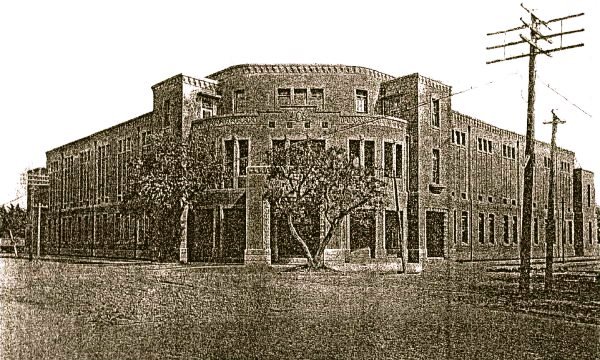
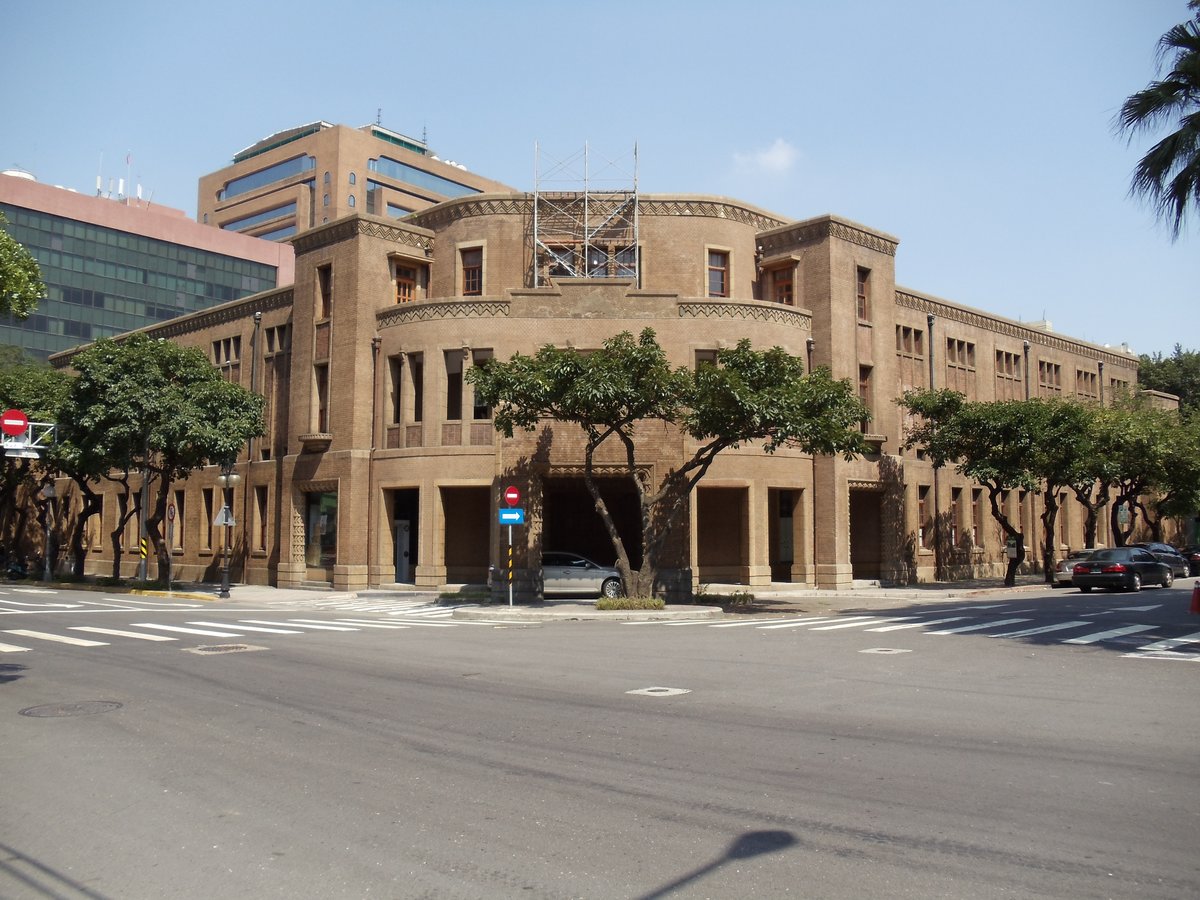
Commissioned by the Taiwan Education Association and completed in 1931, the building was designed by Ide Kaoru, a prominent architect of the Japanese government’s civil engineering section (history.ey.gov.tw). The structure exemplifies Japanese Imperial Crown Style architecture, blending Western neoclassical elements with Japanese motifs. Its symmetrical layout, reinforced concrete construction, and use of modern materials symbolized both authority and progress during the colonial period (Chou & Ching, 2012).
Role in Taiwan’s Educational Modernization
During the Japanese era, the building served as a hub for teacher training, educational exhibitions, and public lectures. The association contributed to the standardization of education, curriculum reform, and the introduction of new subjects, laying the groundwork for Taiwan’s modern education system (Tsurumi, 1999).
Post-War Transformation and Continued Significance
Following World War II, the building was repurposed by the Republic of China government for various educational and cultural functions. It continued to host exhibitions, conferences, and community events, and now houses the National 228 Memorial Museum, commemorating the victims of the February 28 Incident (Wikipedia). The building’s ability to adapt while preserving its historical character underscores its importance as a living piece of Taiwan’s heritage.
Architectural Features and Preservation
The Taiwan Education Association Building is renowned for its architectural integrity and adaptive reuse. Key features include:
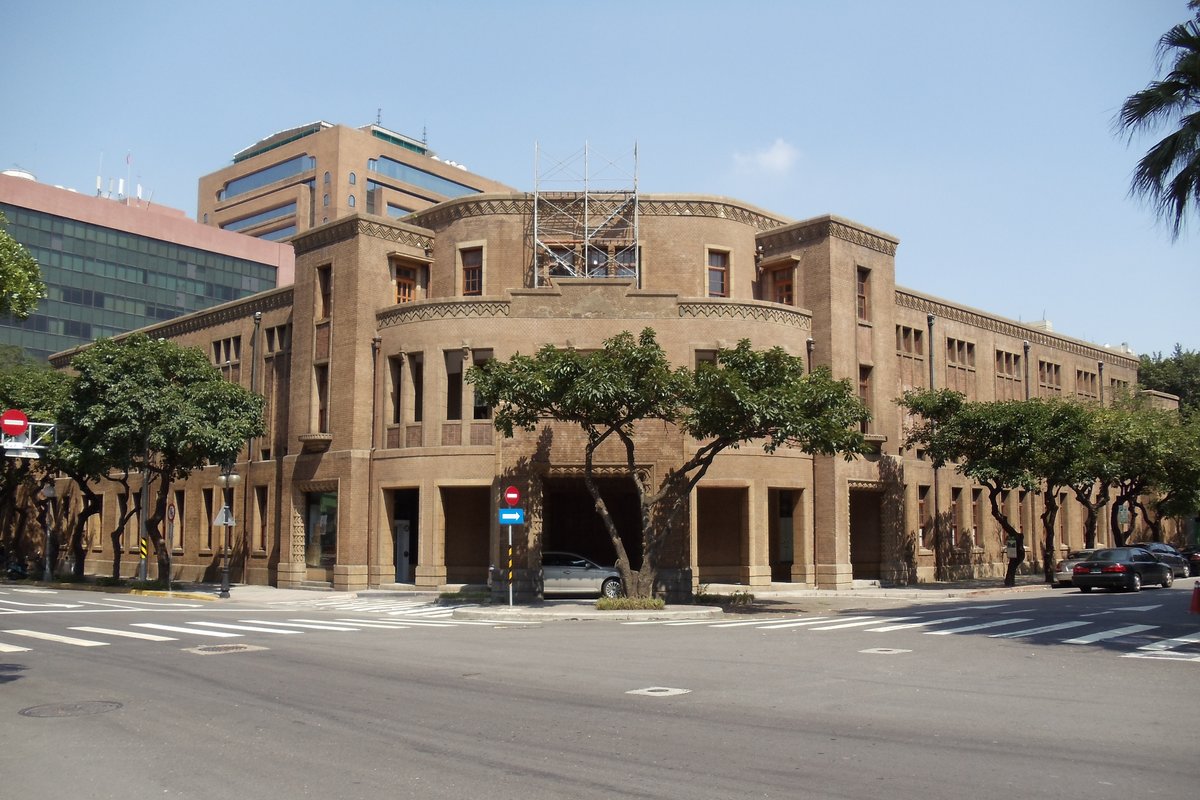
- Exterior Warm brown face brick, geometric terrazzo parapet, and a flat modernist roof. The facade reflects the functional yet elegant priorities of Japanese colonial architecture (Wikipedia).
- Interior Spacious exhibition halls, high ceilings, original cypress wood-frame sash windows for natural light, and steel-reinforced concrete stairways for seismic resistance (history.ey.gov.tw).
- Preservation The building is a designated municipal historic site, with careful restoration preserving its original features and integrating modern accessibility measures (Audiala).
Visiting Hours, Tickets, and Accessibility
- Opening Hours Tuesday to Sunday, 9:00 AM to 5:00 PM. Closed Mondays and public holidays.
- Admission Free for general exhibitions; special exhibitions or events may require a nominal ticket fee (Taipei City Government).
- Accessibility Wheelchair-accessible entrances, elevators, accessible restrooms, and staff assistance are available.
- Guided Tours Offered in Mandarin, English, and Japanese. Advance booking is recommended for group visits (Audiala).
Getting There and Nearby Attractions
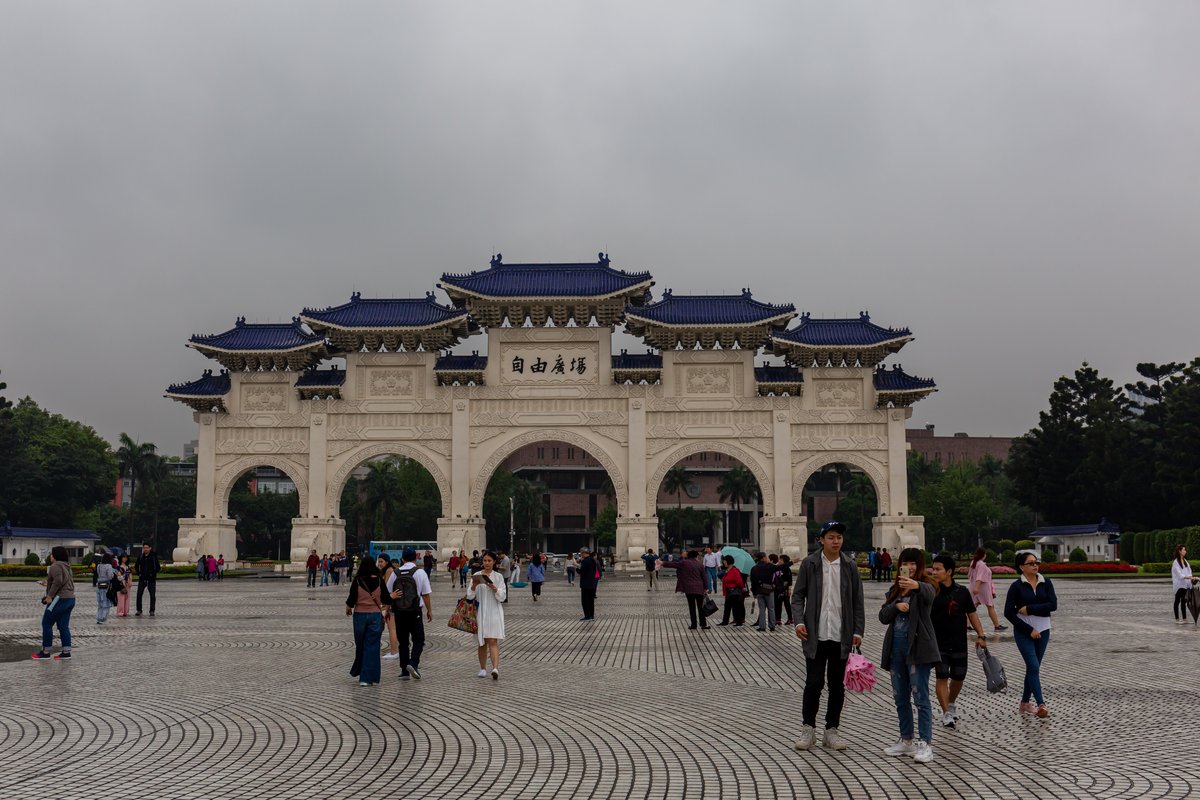
- Location Central Zhongzheng District, Taipei; near Chiang Kai-shek Memorial Hall and NTU Hospital MRT stations.
- Nearby Presidential Office Building, National Taiwan Museum, and 228 Peace Memorial Park are within walking distance (Wanderlog).
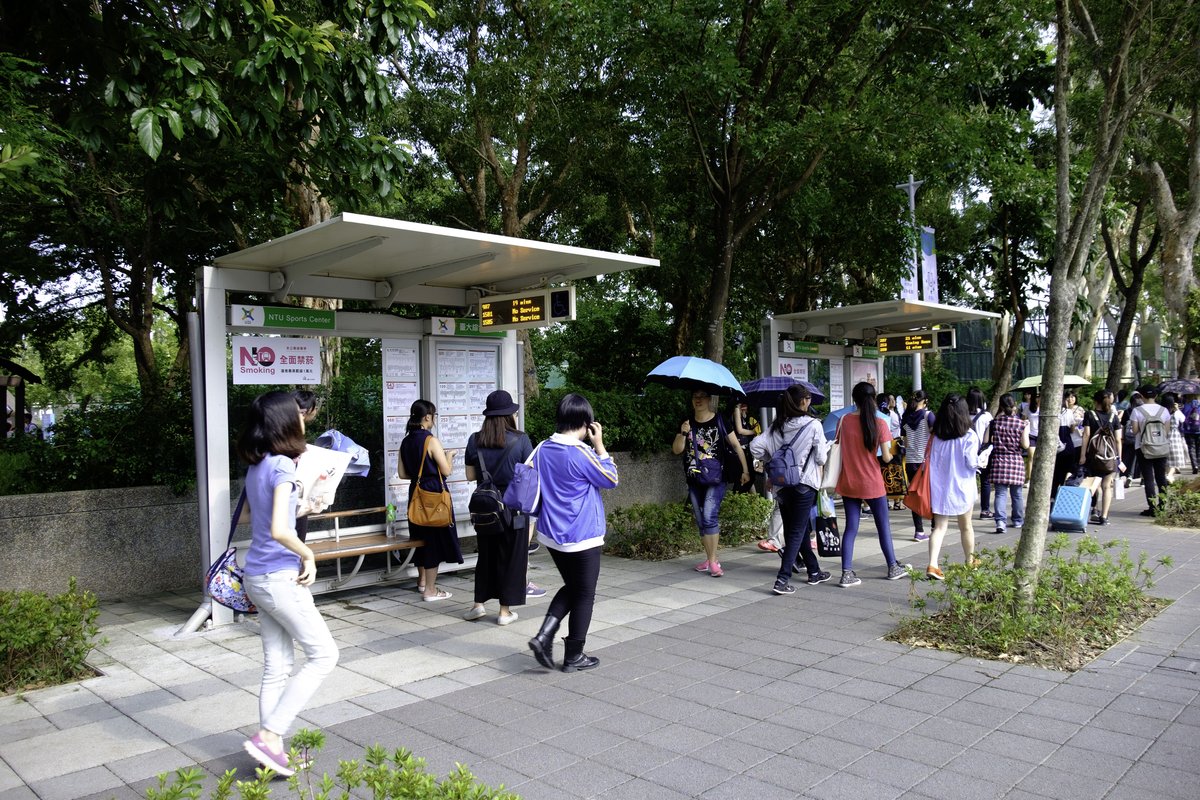
- Transport Easily accessible by MRT, bus, or YouBike. Public transit is recommended due to limited parking (Taipei Transportation Guide).
Suggested Itinerary for Taipei Historical Sites
- Morning: Begin at the Taiwan Education Association Building.
- Midday: Visit the National Taiwan Museum and Presidential Office Building.
- Afternoon: Explore 228 Peace Memorial Park and nearby cafes.
- Evening: Enjoy a cultural performance or stroll through Taipei’s historic neighborhoods (Taipei Architectural Walks).
Exhibitions, Programs, and Visitor Facilities
- Exhibitions Permanent displays on educational history, rotating exhibitions on Taiwanese culture, and original artifacts from the colonial era.
- Interactive Media Digital kiosks, archival footage, and oral history stations provide immersive learning.
- Facilities Gift shop, café serving Taiwanese teas and pastries, free Wi-Fi, lockers, and multilingual information desks (Taipei Visitor Tips).
Events, Workshops, and Community Engagement
- Events Regular lectures, workshops (calligraphy, crafts), and family-friendly festivals such as Education Heritage Day.
- Community Engagement The building serves as a platform for civic dialogue and cultural programming, fostering lifelong learning and intergenerational exchange (Taipei Family Activities).
Practical Information and Travel Tips
- Best Time to Visit Weekday mornings to avoid crowds.
- Photography Allowed without flash; some restrictions during special exhibitions.
- Dress Code Modest attire is appreciated, especially during events.
- Etiquette Respect the building’s historic significance—keep noise low and follow staff instructions (Taipei Cultural Norms).
FAQs
Q: What are the Taiwan Education Association Building visiting hours?
A: Tuesday to Sunday, 9:00 AM to 5:00 PM; closed on Mondays and public holidays.
Q: Is admission free?
A: Yes, general admission is free; some special exhibitions may require a small fee.
Q: Is the building wheelchair accessible?
A: Yes, with ramps, elevators, and accessible restrooms available.
Q: Are guided tours available?
A: Yes, in multiple languages. Advance booking is recommended.
Q: What are nearby attractions?
A: Presidential Office Building, National Taiwan Museum, and 228 Peace Memorial Park.
Q: Can I buy tickets online?
A: For special exhibitions, tickets can be purchased onsite or via the official website.
Discover More
The Taiwan Education Association Building is a remarkable testament to Taiwan’s educational journey, architectural innovation, and cultural resilience. Its preserved features, engaging exhibitions, and ongoing cultural programs make it a must-visit for anyone exploring Taipei’s historical landscape.
Plan your visit today:
- Check the official website or the Audiala app for the latest updates, special events, and guided tours.
- Download the Audiala app for exclusive content, virtual tours, and event notifications.
- Follow us on social media and share your experience using #TaiwanEducationAssociation.
For more inspiration, explore these related resources: Top Historical Sites in Taipei and Taipei Cultural Experiences.