
Origins and Early Years
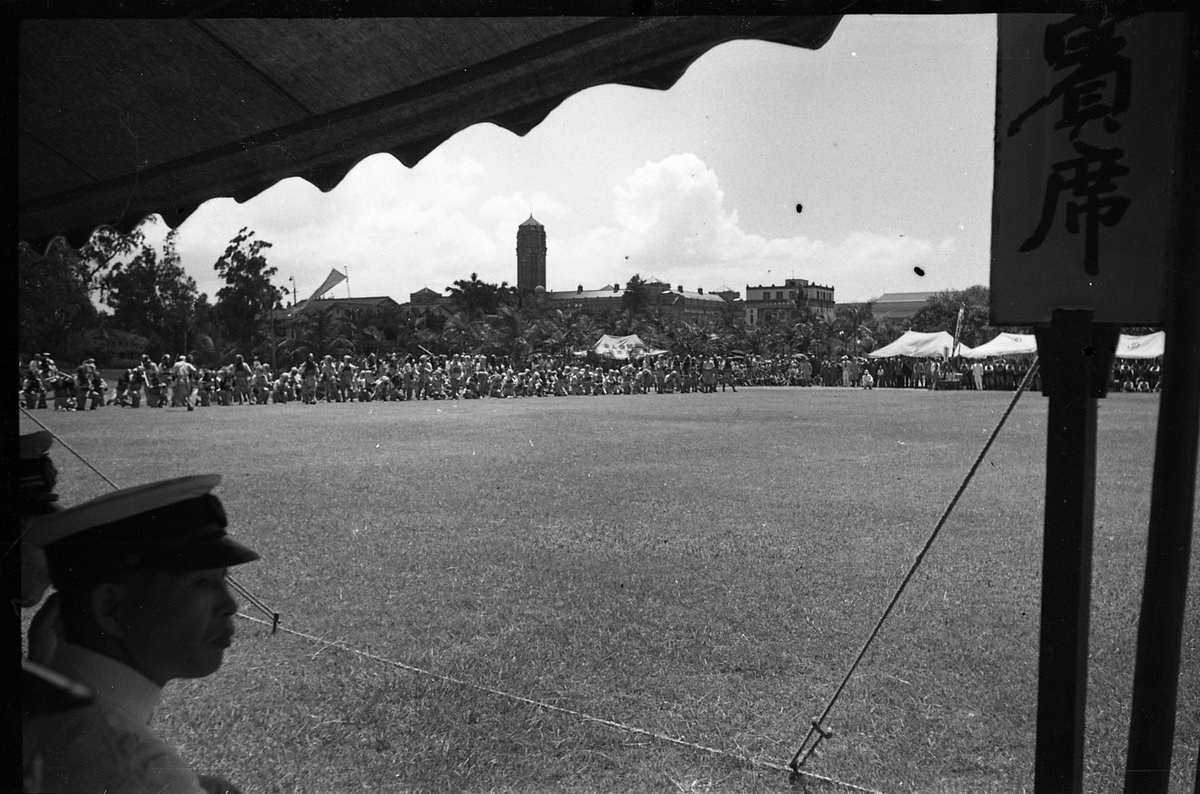
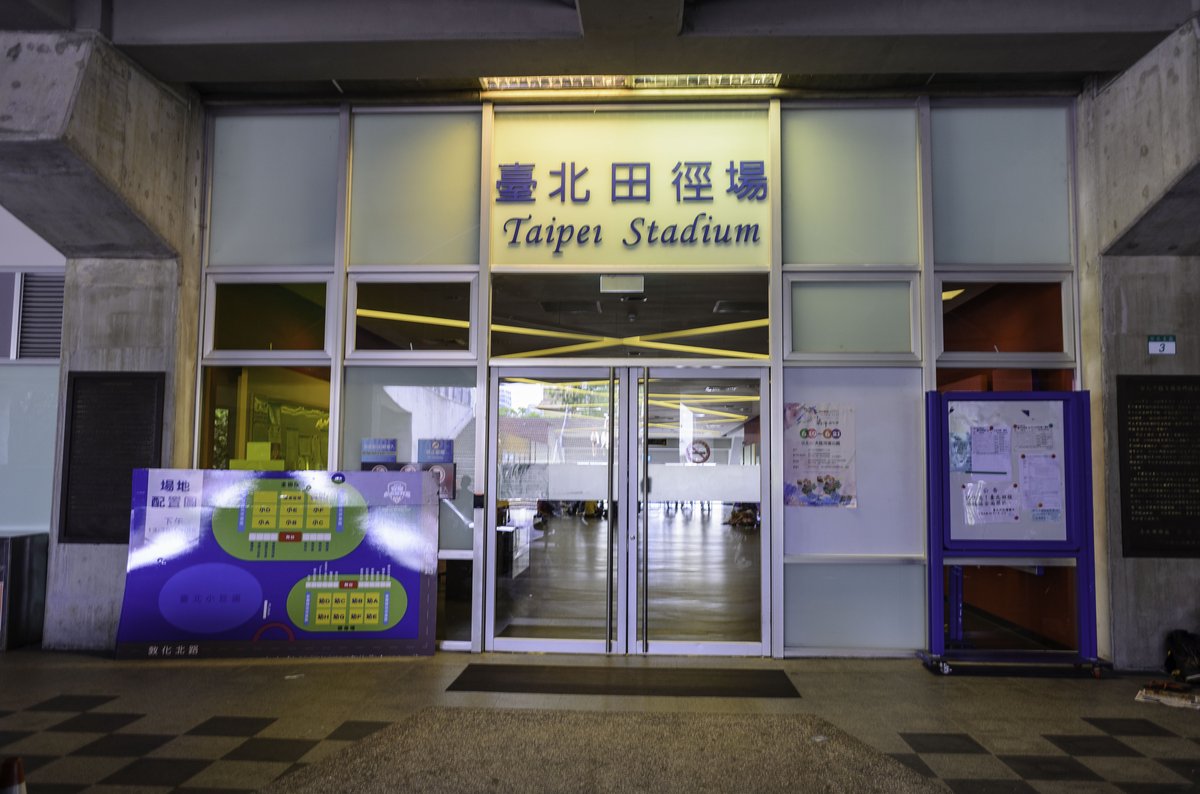
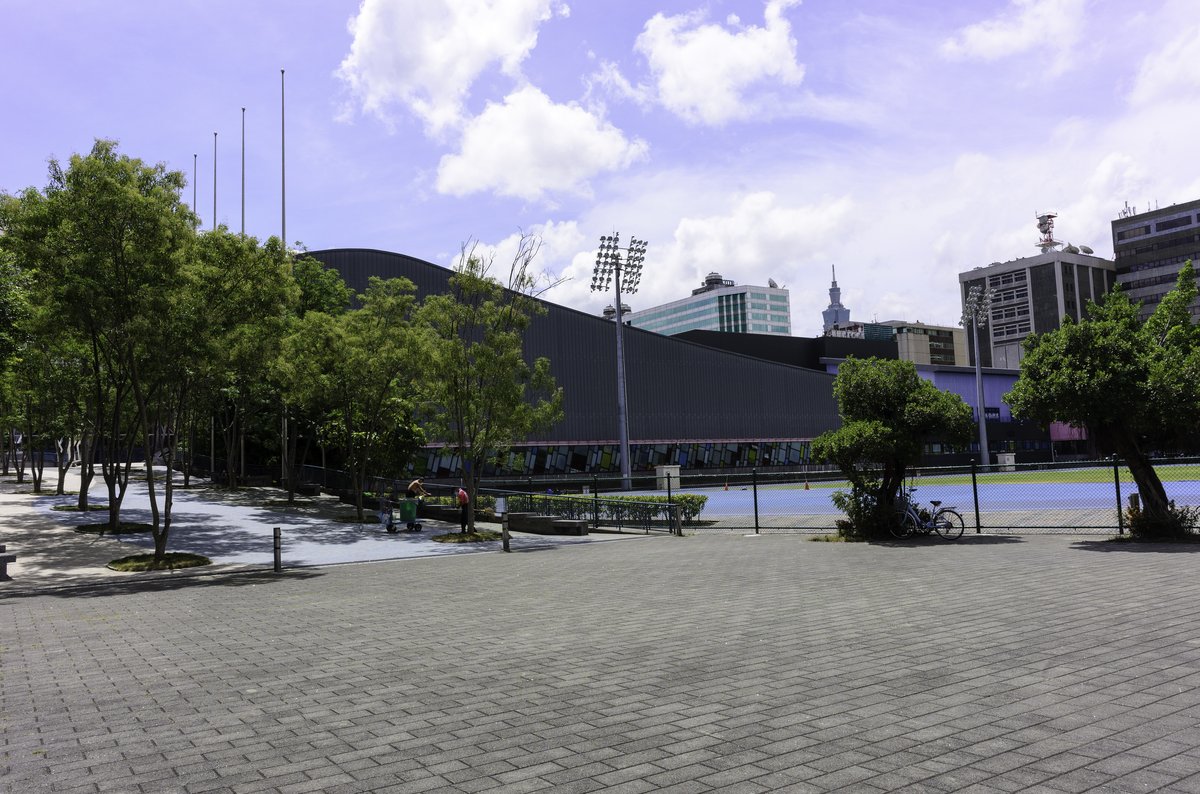
Established in 1956, Taipei Municipal Stadium (臺北田徑場, Táiběi Tiánjìng Chǎng) quickly gained prominence as Taipei’s principal athletics venue. Originally seating around 16,000, it hosted track and field events, football matches, and community gatherings, becoming synonymous with the city’s post-war modernization.
Cultural and Sporting Milestones
Throughout its history, the stadium has hosted a myriad of significant events. Michael Jackson’s 1993 concerts drew a combined audience of 80,000, and pop star A-Mei (張惠妹) set records with her sold-out 1999 performance (Tripomatic). The stadium’s versatility established it as a favored destination for both sports and entertainment.
Modernization and International Stage
In preparation for the 2009 Summer Deaflympics, the stadium underwent complete reconstruction between 2006 and 2009, expanding its capacity to 20,000 and upgrading its facilities to meet global standards. It then served as the main venue for the Deaflympics and later, the 2017 Summer Universiade, further cementing Taipei’s reputation as a world-class host (Taipei Times).
Visiting Taipei Municipal Stadium
Location and Access
- Address No. 2, Section 4, Nanjing East Road, Songshan District, Taipei City, Taiwan
- District Songshan, at the intersection of major city roads and near Taipei Arena
Visiting Hours
- General Hours 9:00 AM to 9:00 PM daily
- Event Days Gates open 1–2 hours before event start times
- Non-Event Days Limited public access for jogging and exercise, typically from early morning to late afternoon
Always check the official Travel Taipei website or event organizer pages for the latest schedule and any special access restrictions.
Tickets and Entry
- Purchasing Tickets for events are available online (e.g., KKTIX), at the box office, or via authorized vendors
- Prices Vary by event; NT$200–1,000 for sporting events, higher for major concerts (My Guide Taipei)
- Entry Security checks and bag inspections are standard. Early arrival is advised for popular events.
Stadium Features and Facilities
Design and Capacity
- Seating 20,000, with covered and uncovered sections, VIP areas, and media boxes (Europlan Online)
- Track Olympic-standard 400-meter synthetic track, IAAF-certified
- Field Natural grass pitch for football and athletics
- Lighting High-intensity floodlights for night events
- Scoreboards Large electronic displays and modern PA system
Amenities
- Concessions Food and beverage stalls offering Taiwanese snacks and international fare
- Restrooms Clean, accessible, and available throughout the venue
- Retail Merchandise outlets for souvenirs and event memorabilia
- Media & VIP Modern press box, media center, and VIP lounges
- Athlete Facilities Locker rooms, physio areas, warm-up zones
Accessibility
- Mobility Ramps, elevators, and designated seating for wheelchair users
- Restrooms Accessible throughout
- Signage Bilingual, with staff offering basic English assistance
Accessibility and Transportation
Getting There
- MRT Taipei Arena Station (Songshan-Xindian Line, Green Line) is a short walk away
- Bus Multiple city bus routes stop nearby
- Taxi/Ride-sharing Widely available, can drop off at stadium gates
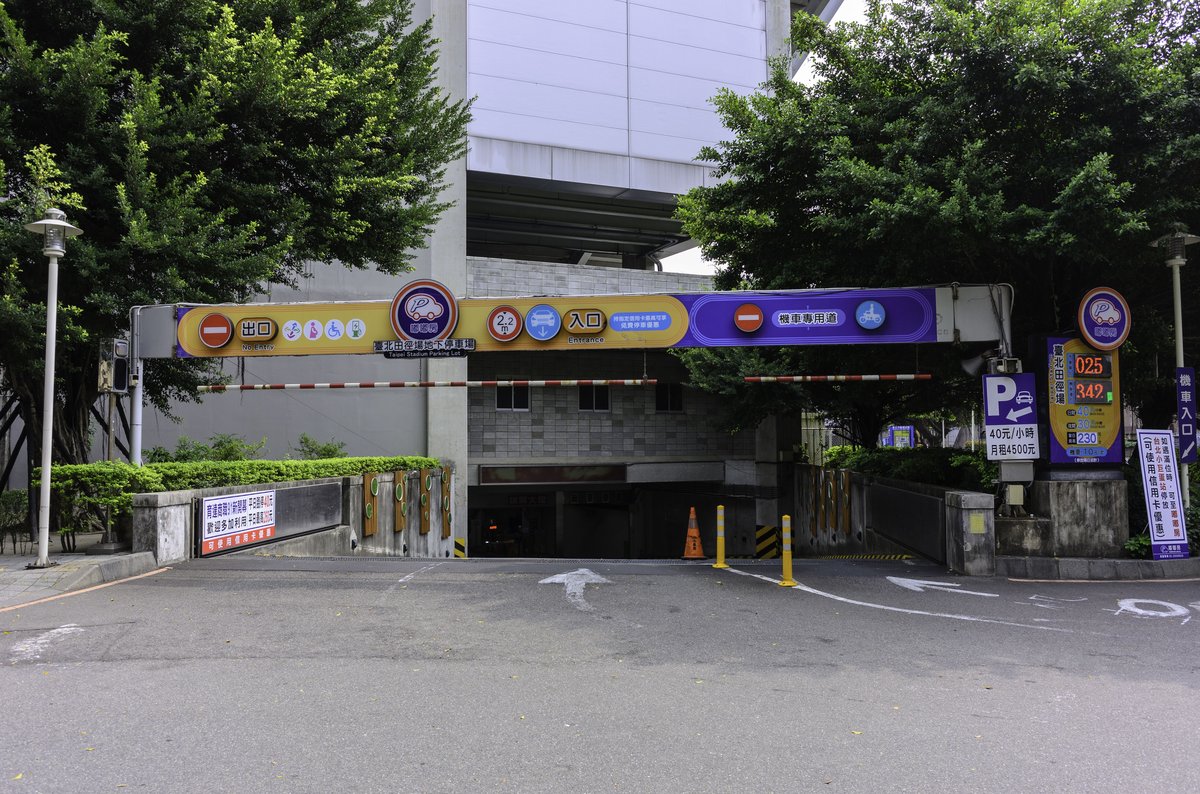
- Parking Limited; public transportation is strongly recommended, especially during large events (Wanderlog)
Additional Transport Options
- Bike-sharing Nearby stations available
- Walking Central location enables easy access to adjacent attractions
Nearby Attractions
- Taipei Arena Major indoor venue for concerts and sporting events
- Songshan Cultural and Creative Park Art exhibitions, design shops, and creative spaces
- Raohe Street Night Market Renowned for street food and local culture
- Nanjing East Road Shopping, dining, and entertainment
- Sun Yat-sen Memorial Hall Historic site and cultural landmark
Visitor Tips
- Arrive Early 30–60 minutes before event start for smooth entry
- Dress Comfortably Prepare for walking, standing, and Taipei’s subtropical weather
- Hydrate Water fountains are available; bring a refillable bottle
- Payment Some vendors are cash only (NTD)
- Prohibited Items Outside food/drinks and large bags may be restricted
- Language Most signage is bilingual; staff typically speak basic English
- Summer Visits Bring sun protection and rain gear; insect repellent is recommended (Topology Travel)
Frequently Asked Questions (FAQ)
Q: What are the Taipei Municipal Stadium visiting hours?
A: Generally 9:00 AM to 9:00 PM daily, but check ahead as hours vary with events.
Q: How can I buy tickets?
A: Via official online platforms (e.g., KKTIX), at the box office, or through event organizers.
Q: Is the stadium accessible for people with disabilities?
A: Yes. There are ramps, elevators, accessible seating, and restrooms.
Q: What’s the best way to get there?
A: The Taipei Metro (MRT) to Taipei Arena Station; buses, taxis, and ride-sharing are also convenient.
Q: Can I visit outside scheduled events?
A: Limited public hours are available for jogging; access may be restricted during private events or maintenance.
Q: Are there parking facilities?
A: Very limited. Public transport is strongly recommended.
Q: Are outside food and drinks allowed?
A: Usually not during events, to maintain safety and cleanliness.