
Origins and Construction
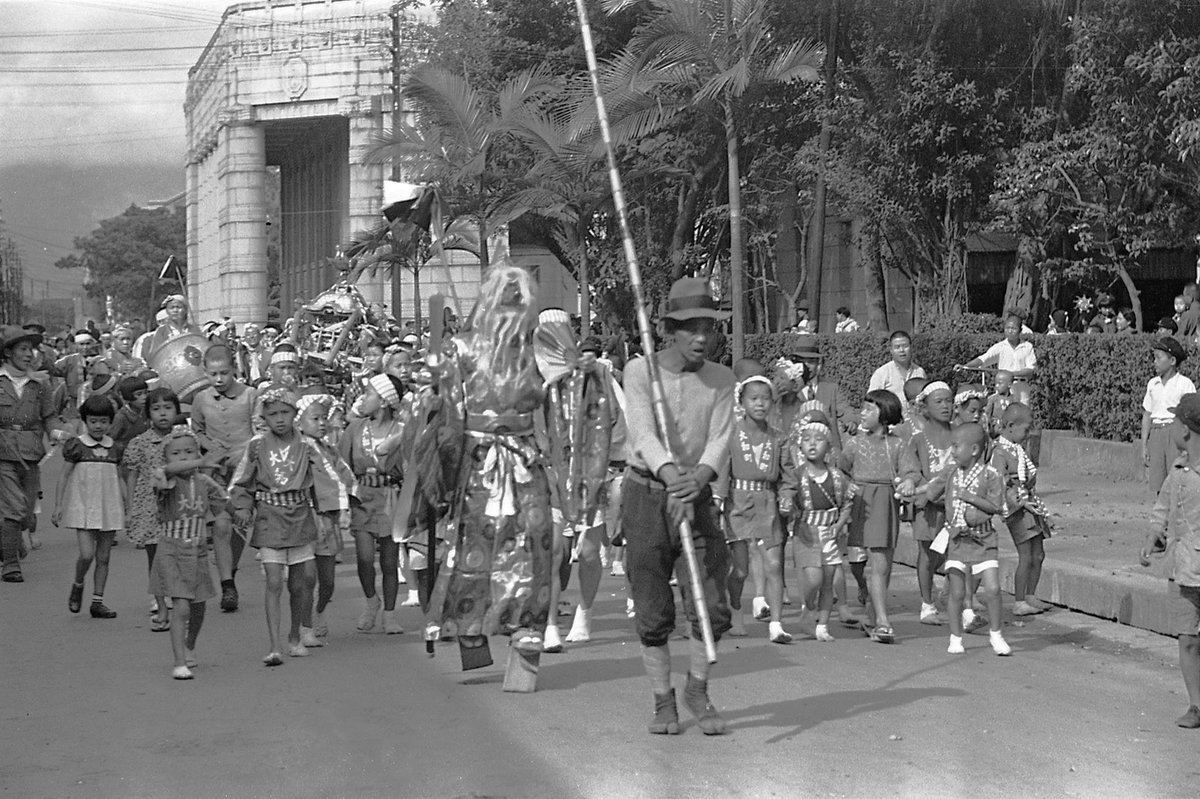
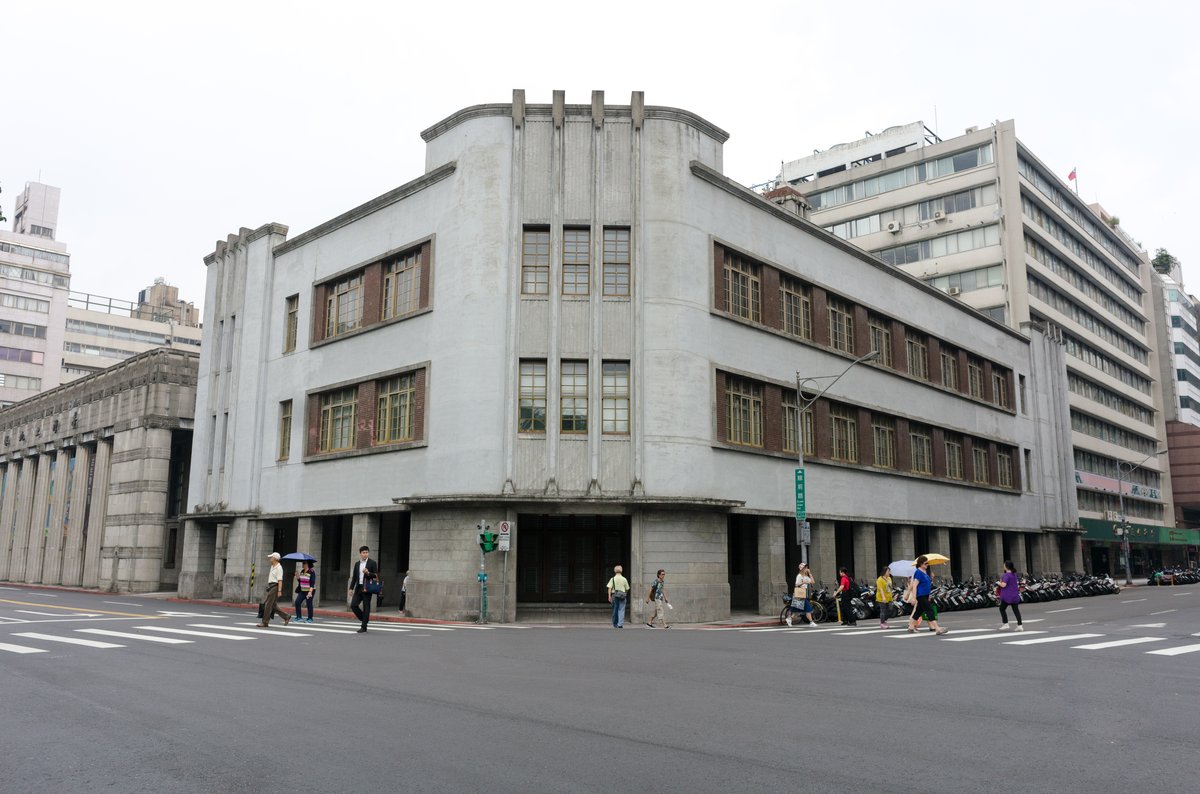
The building now housing the Historical Museum of the Land Bank of Taiwan is a prominent relic of Taipei’s colonial and financial history. Constructed in 1933 as the Taipei branch of the Nippon Kangyo Bank, it was designed to reflect both Japanese influence and Western neoclassical trends, featuring a reinforced concrete frame, stone cladding, and ornate details. The structure quickly emerged as a landmark in the Zhongzheng District, embodying the aspirations and authority of the era (National Taiwan Museum).
Postwar Transformation and Heritage Status
Following Taiwan’s handover from Japan to the Republic of China in 1945, the building’s purpose shifted. The newly established Land Bank of Taiwan took over the premises in 1946, facilitating land reform and economic reconstruction. The bank’s continued operation preserved much of the original architecture. In 1991, recognizing its historical and architectural significance, the Taipei City Government designated the building as a Municipal Historic Site, ensuring its conservation for future generations (National Taiwan Museum).
Conservation focused on restoring both exterior and interior features—revealing period lighting, mosaics, and secure vaults—which were then integrated into the museum’s design and exhibitions.
Architectural Features and Museum Adaptation
The museum’s façade is defined by a grand portico with six Corinthian columns, leading to an airy banking hall illuminated by arched windows and a central skylight. Inside, original teller counters, vault doors, marble floors, and decorative elements—including brass fixtures and plaster moldings—have been preserved. Modern amenities such as climate control, accessibility features, and multilingual signage ensure comfort and inclusivity, while retaining the building’s historical integrity.
Museum Exhibitions and Highlights
Permanent Exhibitions
Gallery of Evolution: Natural History and Dinosaurs
The Gallery of Evolution, also known as “the Dinosaur Museum,” is a major draw. It features full-scale skeletons and models of dinosaurs such as Tarbosaurus, Velociraptor, Triceratops, and Huanghetitan. Visitors journey through the story of life on Earth, from Cambrian trilobites to Cenozoic mammals, with interpretive panels and displays on Taiwan’s endemic species (Taiwan Tourism).
Financial and Land Reform Heritage
Located in the historic vault and upper floors, these exhibitions trace the Land Bank’s role in Taiwan’s land reform and modernization. Artifacts include original ledgers, land survey instruments, banking equipment, and government bonds from the land reform era, all contextualized to highlight the bank’s influence on social transformation (Museum of the Land Bank of Taiwan).
Architectural Heritage
The building itself is a living exhibit. Its neoclassical and Japanese colonial features are highlighted through interpretive displays, models, and preserved original elements. Visitors can explore the historic bank vault and admire the marble columns and ornamental ceilings (Taiwan Museum System).
Special and Temporary Exhibitions
The museum regularly hosts special exhibitions on topics ranging from financial technology to women in Taiwanese banking, and collaborative displays with other branches of the National Taiwan Museum system. Educational programs and workshops are offered for all ages, and recent shows have included interactive displays on the evolution of money and the environmental impact of land use (National Taiwan Museum, Taiwan Tourism).
Notable Artifacts
- Dinosaur Fossils and Replicas Full skeletons of Tarbosaurus and life-sized models of Triceratops and Velociraptor.
- Banking Relics Historic ledgers, teller’s handbooks, vintage typewriters, and land reform documents.
- Architectural Features The original bank vault, marble columns, and decorative ceilings.
Visitor Information
Location and Accessibility
- Address No. 25, Xiangyang Road, Zhongzheng District, Taipei City, Taiwan.
- Access Steps from NTU Hospital MRT Station (Red Line, Exit 4); also near Taipei Main Station and multiple bus routes. Public transportation is recommended due to limited parking (Taipei Travel).
Visiting Hours and Tickets
- Hours Tuesday–Sunday, 9:30 AM–5:00 PM (last admission 4:30 PM). Closed Mondays and national holidays.
- Tickets Standard adult: NT$30. Free entry for students, seniors 65+, and children under 6. Joint tickets with the National Taiwan Museum are available.
- Contact +886-2-2314-5696 or Land Bank Museum.
Facilities and Accessibility
- Wheelchair accessible with ramps and elevators.
- Accessible restrooms, lockers, gift shop, and free Wi-Fi.
- Braille guides and audio tours on request; bilingual exhibit labels (Chinese/English).
- Café and reading area; service animals welcome.
Guided Tours and Special Events
- Guided tours in Mandarin and English (by request) are available for groups of 10+.
- Special exhibitions and workshops are held regularly; check the website for the latest schedule.
Visitor Experience and Interactive Elements
- Interactive Displays Touchscreens, fossil dig activities, and puzzle games engage children and adults alike.
- Dino Café Offers themed refreshments such as “Dino Geological Cake.”
- Museum Shop Sells replica coins, historical books, and dinosaur-themed souvenirs.
Nearby Taipei Historical Sites
- National Taiwan Museum
- 228 Peace Memorial Park
- Presidential Office Building
- Ximending and the Red House Theater
The museum’s central location makes it an excellent starting point for exploring Taipei’s historic corridor.
Tips for Visitors
- Visit Duration Allocate 1–2 hours; arrive early for a quieter experience.
- Photography Non-flash photography allowed in most areas; some exhibitions may restrict photography.
- Food/Drink Not permitted in exhibition halls; nearby cafés available.
- Check for Special Events Consult the official website for exhibition updates and guided tour availability.
Frequently Asked Questions (FAQ)
Q: What are the museum’s visiting hours?
A: Tuesday–Sunday, 9:30 AM–5:00 PM; closed Mondays and national holidays.
Q: How much are tickets?
A: NT$30 for adults; free for students, seniors 65+, and children under 6.
Q: Is the museum wheelchair accessible?
A: Yes, with ramps, elevators, and accessible facilities.
Q: Are guided tours available?
A: Yes, in Mandarin and English (by request), especially for groups.
Q: Can I take photos?
A: Non-flash photography is allowed except in restricted areas.
Discover More
Download the Audiala app for audio guides and exclusive content about the Historical Museum of the Land Bank of Taiwan and other Taipei sites. Follow us on social media for the latest museum news, special events, and travel tips!