Origins and Development
Built in 1923 as Maruyama Stadium during the Japanese colonial era, Zhongshan Soccer Stadium became Taiwan’s sole FIFA-approved football stadium (StadiumDB.com). For decades, it was the home ground for the Chinese Taipei national team and the stage for major international qualifiers. The stadium also gained fame for hosting concerts by global icons, including Michael Jackson and Bon Jovi.
Role in Taiwanese Sports Culture
Despite football’s lesser popularity compared to baseball and basketball in Taiwan, Zhongshan Soccer Stadium was pivotal in nurturing local football talent and supporting grassroots tournaments. Its legacy extends beyond sport, symbolizing aspirations for international recognition and community engagement (Taipeiii Blogspot).
Key Historical Milestones
- Hosted national team home matches and FIFA/AFC qualifiers.
- Venue for school tournaments and community events.
- Closed in 2008 for Taipei Expo Park redevelopment, reflecting urban renewal priorities.
Architectural and Site Features
Stadium Layout and Capacity
The stadium was purpose-built for football, with a seating arrangement ensuring clear sightlines from all angles. Although the official capacity varied, it accommodated several thousand fans and maintained a close, intense atmosphere (StadiumDB.com).
Field Dimensions and Facilities
The playing surface met international standards, with dimensions suitable for competitive matches. The complex also included a 60 x 30-meter ice skating rink, used by the Chinese Taipei Ice Hockey League, showcasing its versatility (Taipeiii Blogspot).
Design and Spectator Experience
Covered stands protected spectators from Taipei’s subtropical climate, while multiple entrances and clear signage ensured smooth crowd flow. The stadium’s oval design provided an immersive match-day experience.
Accessibility and Location
Located in Zhongshan District, the site is highly accessible by Taipei Metro (Yuanshan Station, Red Line) and city bus routes. The central urban setting places visitors within reach of cultural, shopping, and dining options.
Visitor Information
Visiting Hours
- The original stadium closed in 2008; the grounds are now part of Taipei Expo Park.
- Taipei Expo Park is open daily from 9:00 a.m. to 6:00 p.m.
- Hours for special exhibitions or events may vary; check official sources for updates.
Ticket Information
- General admission to Taipei Expo Park is free.
- Tickets are required for special events, exhibitions, or matches and can be purchased online, at the venue, or via convenience store kiosks (7-Eleven, FamilyMart).
- Prices typically range from NTD 100–400, depending on the event.
Guided Tours
- Tours are not regularly scheduled but may be arranged for groups or during special programs. Contact park management or visit the Taipei Expo Park website for details.
Travel Tips
- Getting There Take the Taipei Metro (Red Line) to Yuanshan Station. The park is a 5–10 minute walk from Exit 1.
- Accessibility Wheelchair ramps, elevators, and accessible restrooms are available throughout the park and MRT stations (Taipei Visitor Information).
- Best Time to Visit Early mornings or late afternoons, particularly outside of summer’s peak heat and humidity.
- Amenities Restrooms, food stalls, cafés, and shaded seating are available; bring a reusable water bottle and sun protection.
Transformation and Urban Regeneration
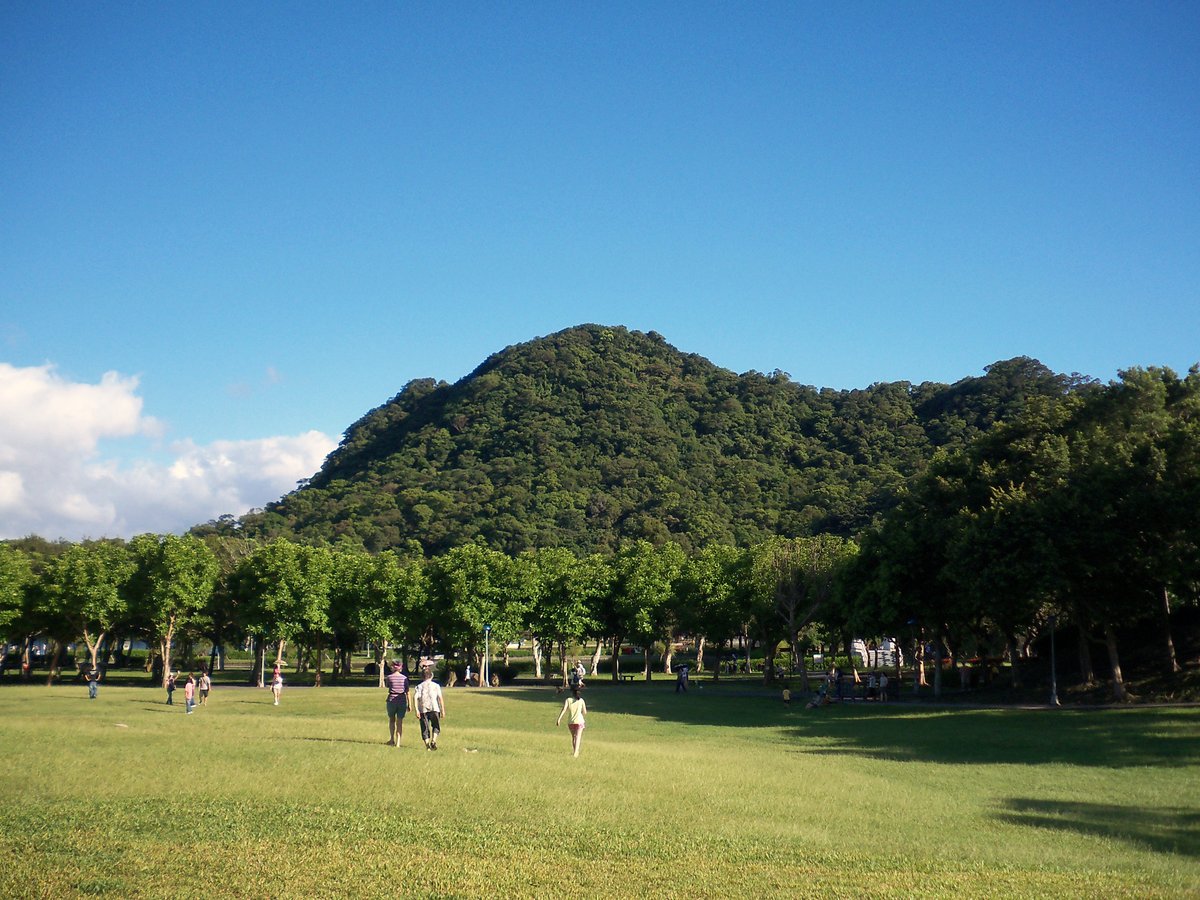
Following its closure in 2008, the stadium site was integrated into the Taipei Expo Park, reflecting Taipei’s commitment to urban renewal, sustainability, and creative reuse of historical spaces. In recent years, the area has also hosted the Taiwan Startup Stadium, promoting innovation, entrepreneurship, and community programming (Executive Yuan).
This transformation exemplifies Taipei’s ability to honor its sporting legacy while adapting to contemporary needs, creating a vibrant space where tradition and innovation coexist.
Visitor Experience and Programming
Taipei Expo Park and the Taiwan Startup Stadium host a variety of community events, startup pitch sessions, hackathons, and cultural festivals. Regular programming includes:
- Workshops and Networking For entrepreneurs and creatives.
- Recreational Activities Open spaces for jogging, tai chi, and family outings.
- Cultural Festivals and Exhibitions Showcasing local art, food, and heritage.
- Markets and Performances Maji Square features weekend markets, live music, and food stalls (Taiwanderers Dalongdong Guide).
Nearby Attractions
Enhance your visit by exploring the following sites within walking distance:
- Taipei Fine Arts Museum A premier venue for modern and contemporary art (Official site).
- Lin An Tai Historical House and Museum An exquisite example of traditional Taiwanese architecture (TravelKing).
- Taipei Confucius Temple and Baoan Temple Renowned cultural and historical sites in Dalongdong District.
- Shuangcheng Night Market Open from morning to midnight, ideal for sampling local delicacies (KKday Zhongshan Guide).
- Taipei Story House A heritage building with rotating exhibitions.
- Maji Square A lively plaza with international cuisine, weekend markets, and community events.
Frequently Asked Questions (FAQ)
Q: Is Zhongshan Soccer Stadium still standing?
A: The original stadium was closed in 2008 and replaced by Taipei Expo Park, which now occupies the site.
Q: What are the opening hours of Taipei Expo Park (stadium site)?
A: 9:00 a.m. to 6:00 p.m. daily. Event hours may differ.
Q: Are there entrance fees?
A: General park admission is free; tickets are needed for special events or exhibitions.
Q: Is the site wheelchair accessible?
A: Yes, the park and facilities are accessible, with ramps, elevators, and accessible restrooms.
Q: How do I get there by public transport?
A: Take the Taipei Metro (Red Line) to Yuanshan Station, then walk to the park.
Q: Are guided tours available?
A: Occasionally, during special events or by request.