
Historical Development and Urban Context
Origins and Integration with the Underground City
Conceived in the 1990s during Taipei’s rapid metro expansion, Station Front Metro Mall was intended to ease surface congestion, provide weather-protected pedestrian routes, and stimulate local commerce (Taipei Main Station Overview). It opened in 2004, revitalizing a commercial area that had served as a transport and trading hub since the Japanese colonial era.
The mall connects with Taipei City Mall and Zhongshan Metro Mall as part of a multi-kilometer network beneath central Taipei. The network links major transit nodes and shopping districts (Taipei Underground Malls).
Preserving Urban Heritage
During metro construction in 1993, workers discovered remnants of Taipei’s Qing dynasty city walls. City planners incorporated them into the mall rather than removing them, creating exhibits that trace the city’s transformation from a walled settlement to a modern metropolis (Travel Taipei).
Architectural Features and Design
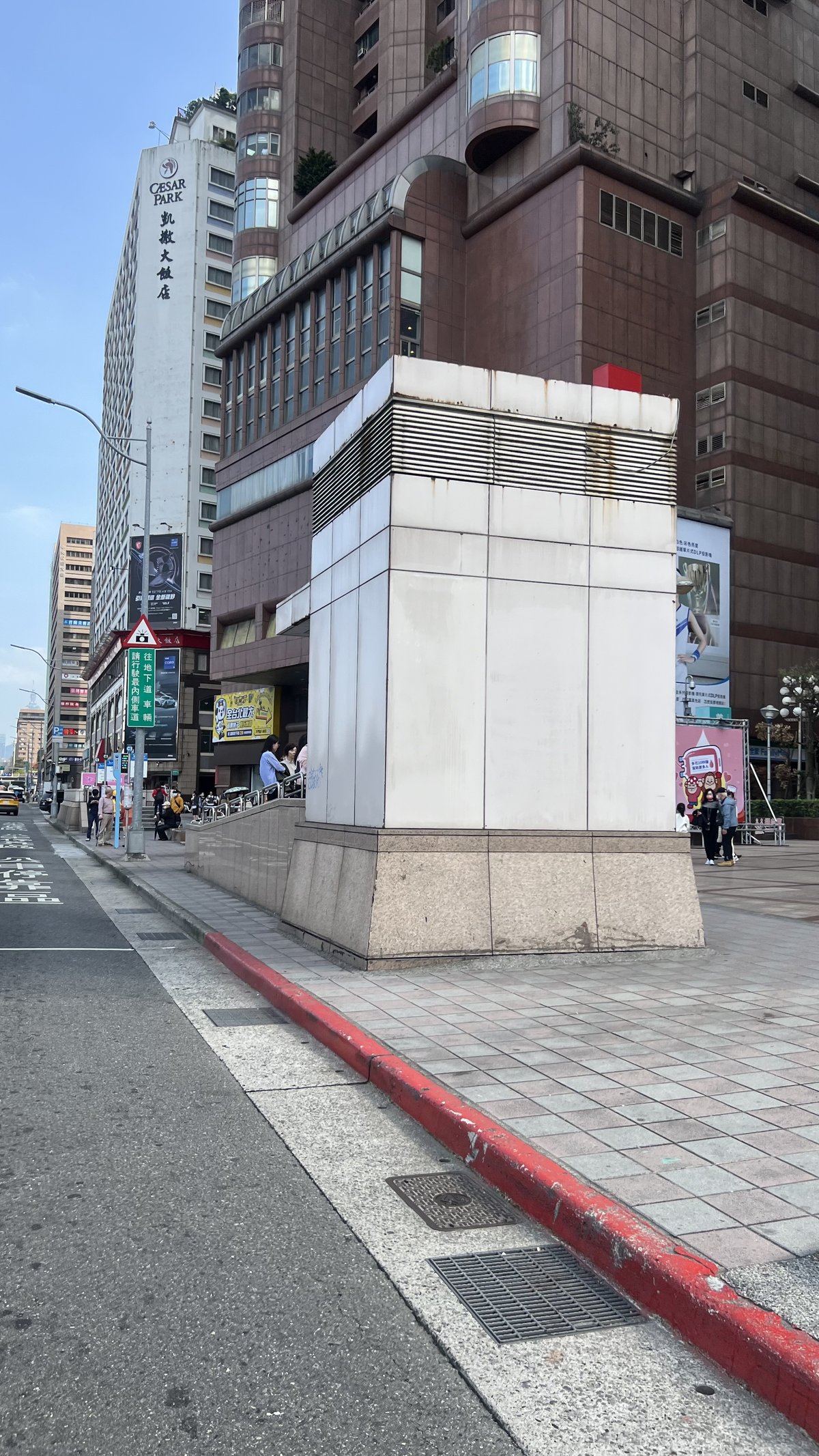
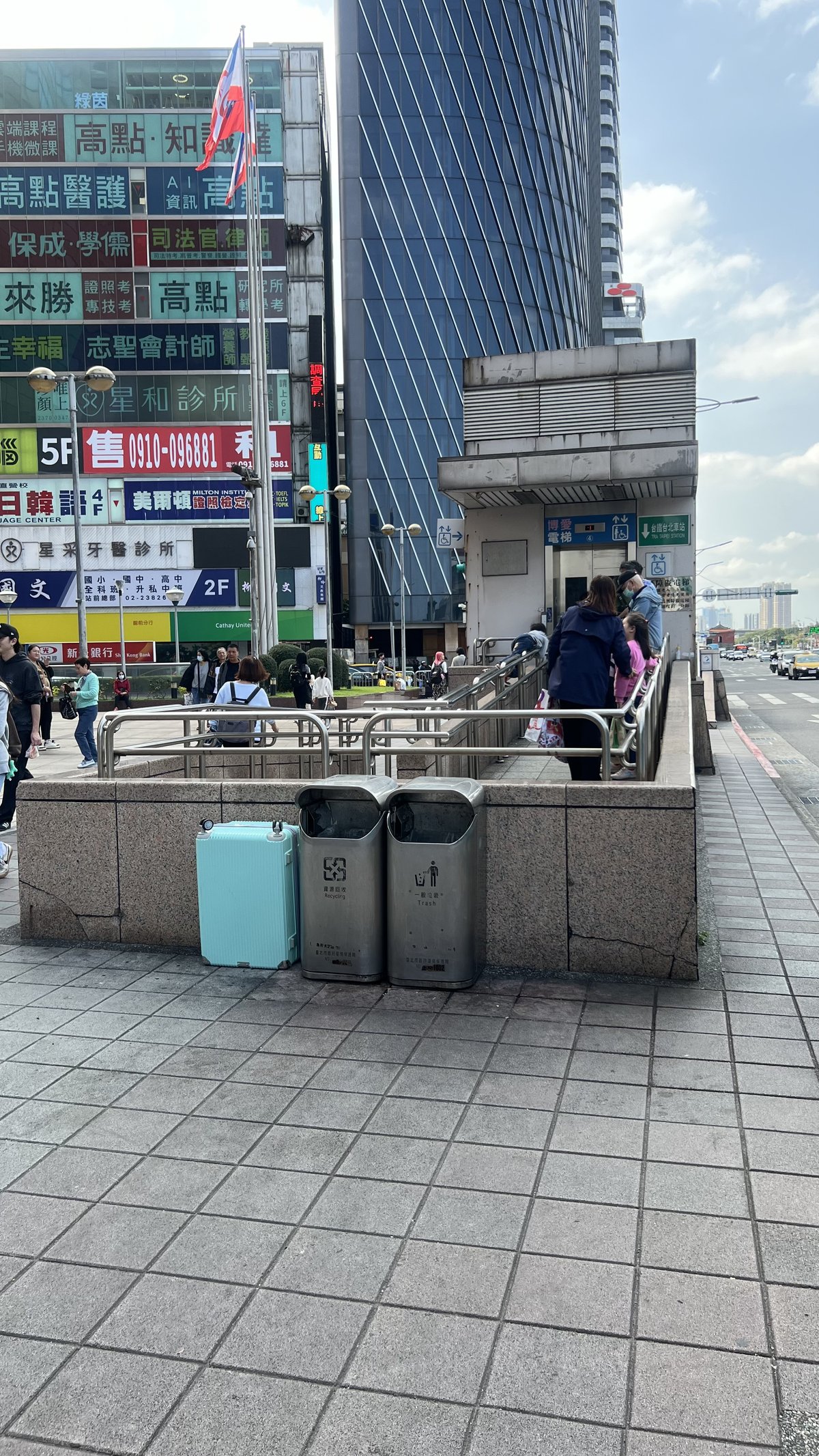
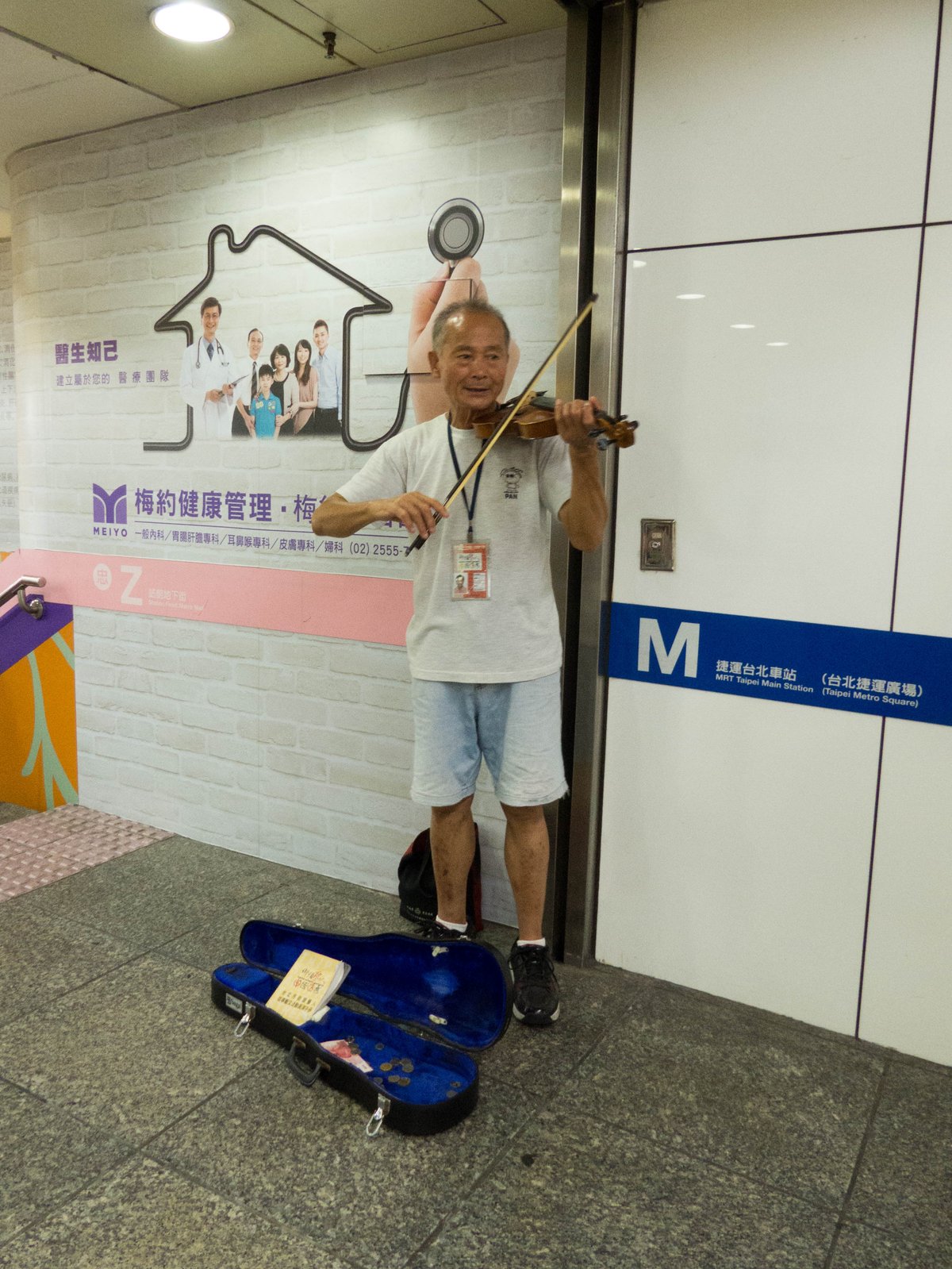
The mall is approximately 288–343 meters long and covers over 9,000 square meters (Taipei City Mall Facts, Trek Zone). It has wide corridors, clear sightlines, and entrances numbered Z1–Z10. Connections to Taipei Main Station provide barrier-free movement between metro, rail, and bus services (Taipei Accessibility).
Interiors combine polished stone floors, glass storefronts, and neutral tones. High-efficiency LED lighting and air conditioning help maintain a bright, comfortable environment year-round. Energy-saving systems and waste management align with Taipei’s sustainability goals (Taipei Smart City).
CCTV coverage, emergency exits, and regular safety drills support visitor safety (Taipei Metro Safety).
Shopping and Dining Experience
Shopping
The retail mix includes independent boutiques, fashion and accessories, pop culture collectibles, electronics, and Taiwanese souvenirs (Navitaiwan Taipei Shopping Guide). Li Yi Cake Shop, near exits Z3 and Z6, is known for traditional Taiwanese pastries (Elizbeartravel Lee Yi Biscuits Review).
Cash is preferred. LINE Pay and credit cards are increasingly accepted, and carrying NT$3,000 in cash is suggested for convenience.
Dining
Food options include Taiwanese snacks such as scallion pancakes, bubble tea, and sweet potato balls, as well as bakeries and convenience stores (Taiwanderers: Taipei Shopping Malls). Most stalls focus on takeaway and have limited seating. Taipei Main Station food courts and surrounding streets offer more extensive sit-down dining.
Public Art and Historical Exhibits
Historical Relics and Thematic Displays
The preserved city wall fragments are presented through interpretive exhibits under four themes:
- “The Story of Old Taipei”
- “Search for the Beginnings of the City Gates”
- “The Beauty of an Old City Revealed”
- “The Secrets of City Wall Construction”
Interactive displays and multimedia presentations make the exhibits accessible to all ages (Travel Taipei).
Public Art
The installation “Li Zheng Chong Xi–Cheng En Jing Fu” uses original wall materials to connect Taipei’s past and present. The mall’s public art program is part of Taipei’s commitment to integrating culture into daily urban life (Taipei Public Art Overview).
Visitor Information
Visiting Hours
- General hours 10:00 AM to 10:00 PM daily (Wikipedia, Travel Taipei).
- Individual store hours may vary, especially on weekends and during holidays. Check the official Taipei Metro website for up-to-date information.
Tickets and Entry
Admission is free. No tickets are required to enter the retail shops, dining areas, or cultural exhibits.
Accessibility
The mall has elevators, escalators, ramps, and accessible restrooms. Wayfinding signage is bilingual in Chinese and English, and the mall is wheelchair- and stroller-friendly throughout (Taipei Accessibility).
Travel Tips & Nearby Attractions
Travel Tips
Weekday mornings and early afternoons are less crowded; avoid peak commuter hours for a more relaxed visit.
Nearby Attractions
Taipei Old North Gate (Beimen), National Taiwan Museum, and Chiang Kai-shek Memorial Hall are within walking distance or a short MRT ride (Elizbeartravel Lee Yi Biscuits Review).
Frequently Asked Questions (FAQ)
Q: What are the mall’s opening hours?
A: 10:00 AM to 10:00 PM daily. Check official sources for updates.
Q: Is entry free?
A: Yes, admission is free for all visitors.
Q: Is the mall wheelchair accessible?
A: Yes. Facilities include elevators, ramps, and accessible restrooms.
Q: Are guided tours available?
A: Not officially, but bilingual signage supports self-guided exploration.
Q: What payment methods are accepted?
A: Cash is preferred; LINE Pay and credit cards are increasingly accepted.
Q: Where can I find traditional Taiwanese snacks?
A: At Li Yi Cake Shop and the various food stalls inside the mall.
Q: What nearby historical sites should I visit?
A: Taipei Old North Gate (Beimen), National Taiwan Museum, and Chiang Kai-shek Memorial Hall.