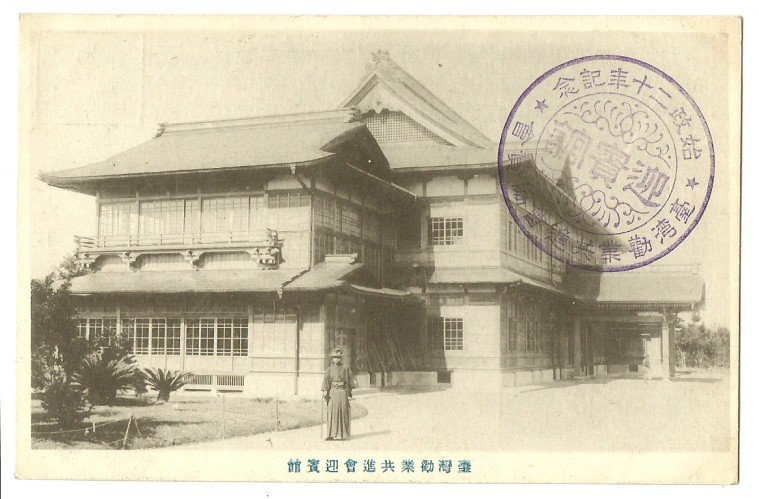
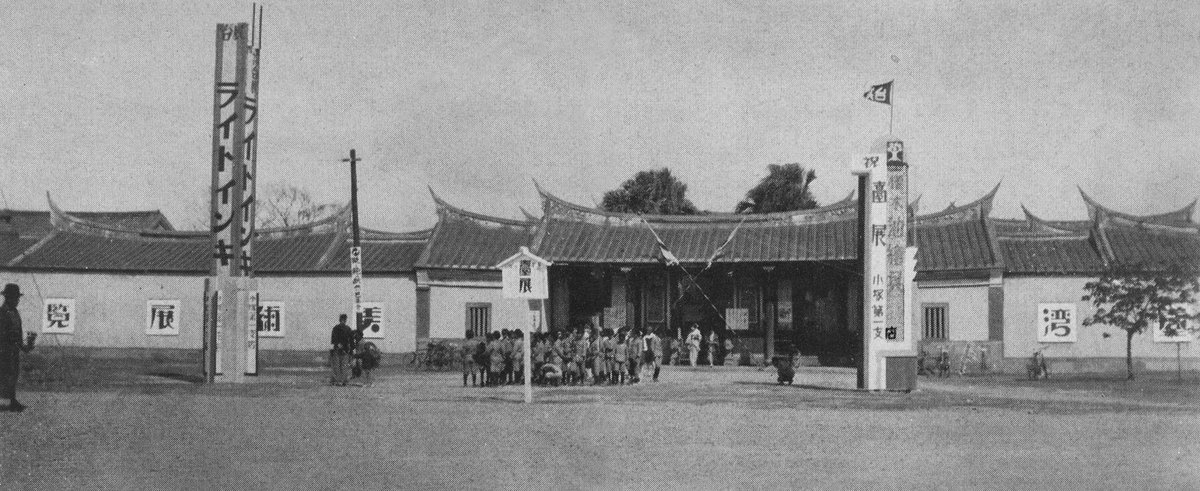
Historical Background
七星山步道主峰-東峰稜線, also known as Qixing Mountain Main Peak-East Peak Ridge Trail, has a rich history that dates back to the Japanese colonial period (1895-1945). The Japanese government established Yangmingshan as a recreational area, developing hot springs and hiking trails to promote tourism and leisure activities. The park was originally named "Datun National Park" and was later renamed to honor the Ming Dynasty scholar Wang Yangming.
The trail has been a significant part of local culture and history, serving as a route for both locals and tourists to explore the region's natural beauty. The trail's development was influenced by various historical events, including the post-World War II era when Taiwan was returned to Chinese rule, leading to further development and conservation efforts.
Geological Significance
Qixing Mountain, the highest peak in Taipei at 1,120 meters, is a dormant volcano that forms part of the Tatun Volcano Group. The geological features of the area are a testament to its volcanic origins, with fumaroles, hot springs, and sulfur deposits being prominent along the trail. The volcanic activity has shaped the landscape, creating unique rock formations and fertile soil that supports diverse flora and fauna.
Researchers have shown particular interest in the volcanic activity and its impact on the environment. The fumaroles, vents that release steam and volcanic gases, provide valuable insights into subterranean volcanic processes.
Cultural Significance
The trail holds cultural significance for the local population and visitors alike. It is a popular destination for hiking, offering panoramic views of Taipei and the surrounding areas. The trail is also a place of spiritual significance for some, with various local legends and folklore associated with the mountain. One such legend speaks of the mountain being a sacred place where deities reside, adding a mystical element to the hiking experience.
The cultural importance of the trail is reflected in the annual events and festivals held in the area. For example, the Yangmingshan Flower Festival, which takes place in spring, attracts thousands of visitors who come to witness the blooming of cherry blossoms and other flowers. This festival celebrates the natural beauty of the region and highlights the cultural heritage of the area.
Ecological Significance
The ecological significance of Qixing Mountain and its surrounding areas cannot be overstated. The trail traverses through diverse ecosystems, including subtropical rainforests, grasslands, and alpine meadows. This diversity supports a wide range of plant and animal species, some of which are endemic to the region.
Conservation efforts in Yangmingshan National Park have been crucial in preserving these ecosystems. The park authorities have implemented various measures to protect the natural environment, including restricting certain areas to minimize human impact and conducting regular ecological monitoring. These efforts have helped maintain the ecological balance and ensure the sustainability of the park's natural resources.
Visitor Information
Visiting Hours
The trail is open year-round, but the best time to visit is during spring and autumn when the weather is mild, and the natural scenery is vibrant. The trail is less likely to be affected by heavy rains and typhoons that can occur in summer and winter.
Tickets
There is no entrance fee for the trail itself. However, some facilities within Yangmingshan National Park may charge admission fees.
Accessibility
The trailhead is easily accessible from Taipei city, with public transportation options available, including buses and taxis. The trail is well-maintained but features uneven terrain, so sturdy hiking shoes are recommended.
Travel Tips
Weather
Be prepared for varying weather conditions. The weather in the mountains can change rapidly, so it is advisable to carry appropriate clothing, including rain gear and warm layers.
What to Bring
Carry sufficient water, snacks, and a map of the trail. A camera is also recommended to capture the stunning views.
Nearby Attractions
Besides hiking, visitors can explore other attractions in Yangmingshan National Park, such as hot springs, flower gardens, and historical sites.
Special Events and Guided Tours
The park authorities offer guided tours and educational programs to raise awareness about the area's natural and cultural heritage. Check the official Yangmingshan National Park website for details on upcoming events and tour schedules.
Photographic Spots
Hikers can enjoy stunning views of Taipei city, the Pacific Ocean, and the surrounding mountains along the trail. Key photographic spots include the Qixing Main Peak, East Peak, and the Xiaoyoukeng fumaroles area.
FAQ
Q: What are the visiting hours for Qixing Mountain?
A: The trail is open year-round, but the best time to visit is during the spring and autumn months.
Q: Is there an entrance fee for the trail?
A: There is no entrance fee for the trail itself. However, some facilities within Yangmingshan National Park may charge admission fees.
Q: How can I get to the trailhead?
A: The trailhead is easily accessible from Taipei city, with public transportation options available, including buses and taxis.
Q: What should I bring for the hike?
A: Carry sufficient water, snacks, and a map of the trail. Sturdy hiking shoes and appropriate clothing are recommended.
Discover More
In summary, the Qixing Mountain Main Peak-East Peak Ridge Trail is a must-visit destination for anyone interested in exploring the natural and cultural heritage of Taipei. Its historical significance, geological features, and ecological diversity make it a unique and enriching experience for all visitors. Plan your visit today and discover the beauty and history of this iconic trail. For more information, visit the official Yangmingshan National Park website.