
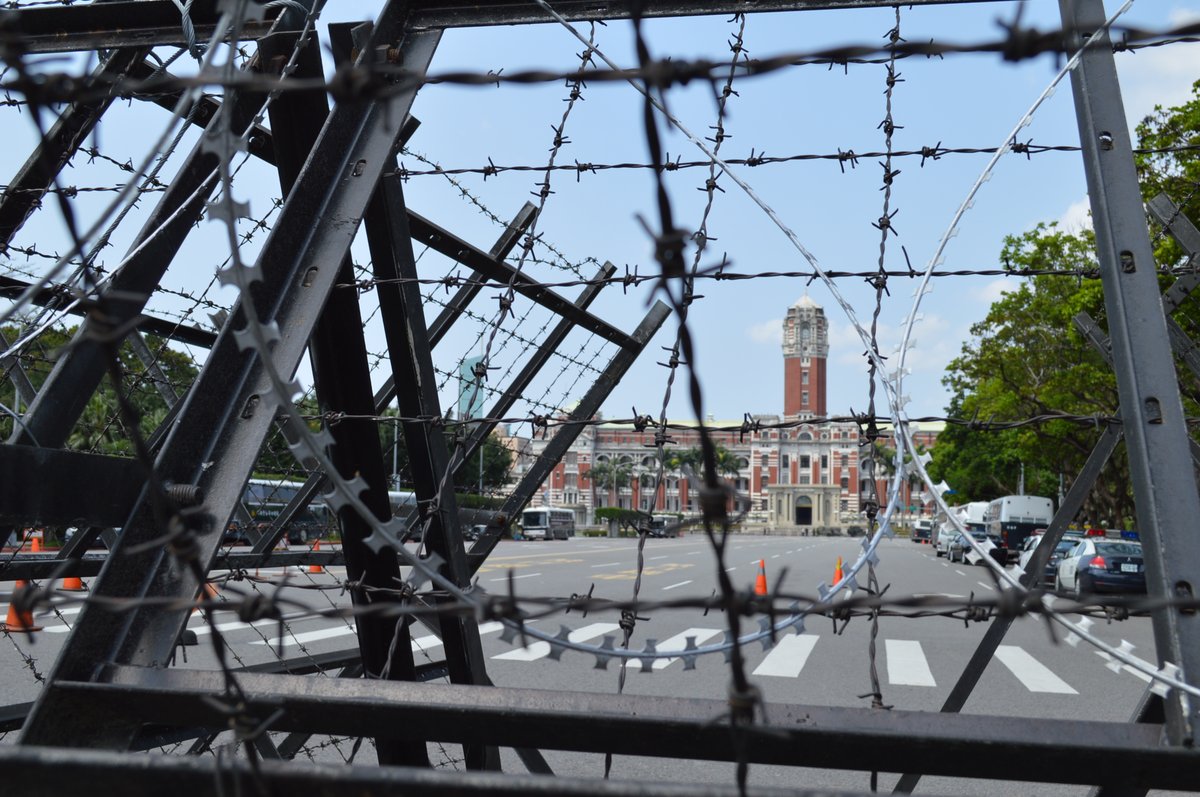
Origins and Colonial Construction
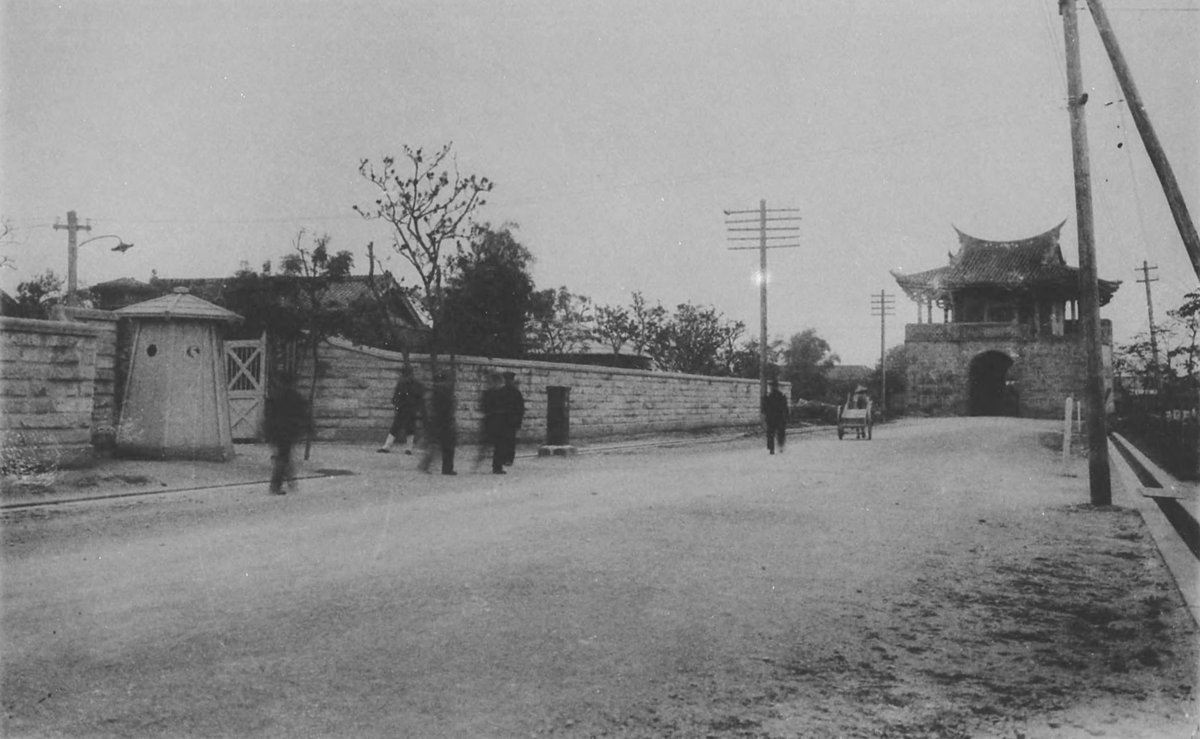
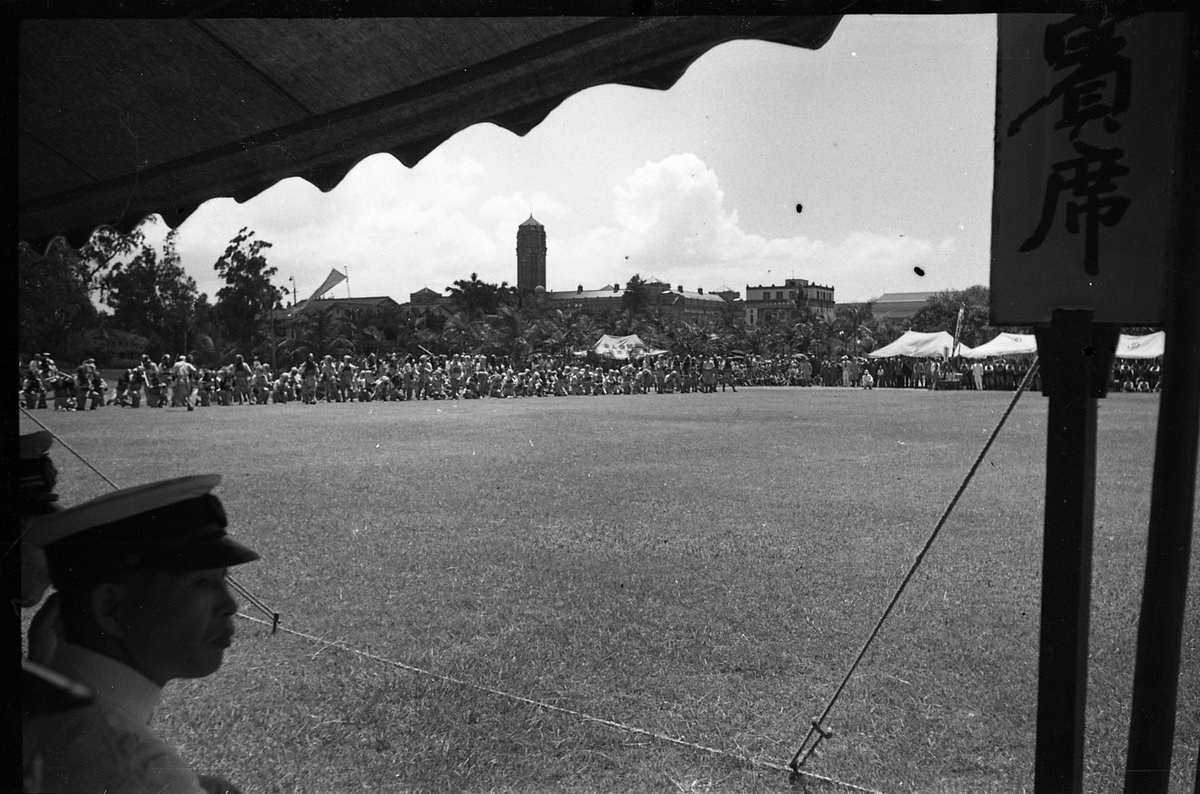
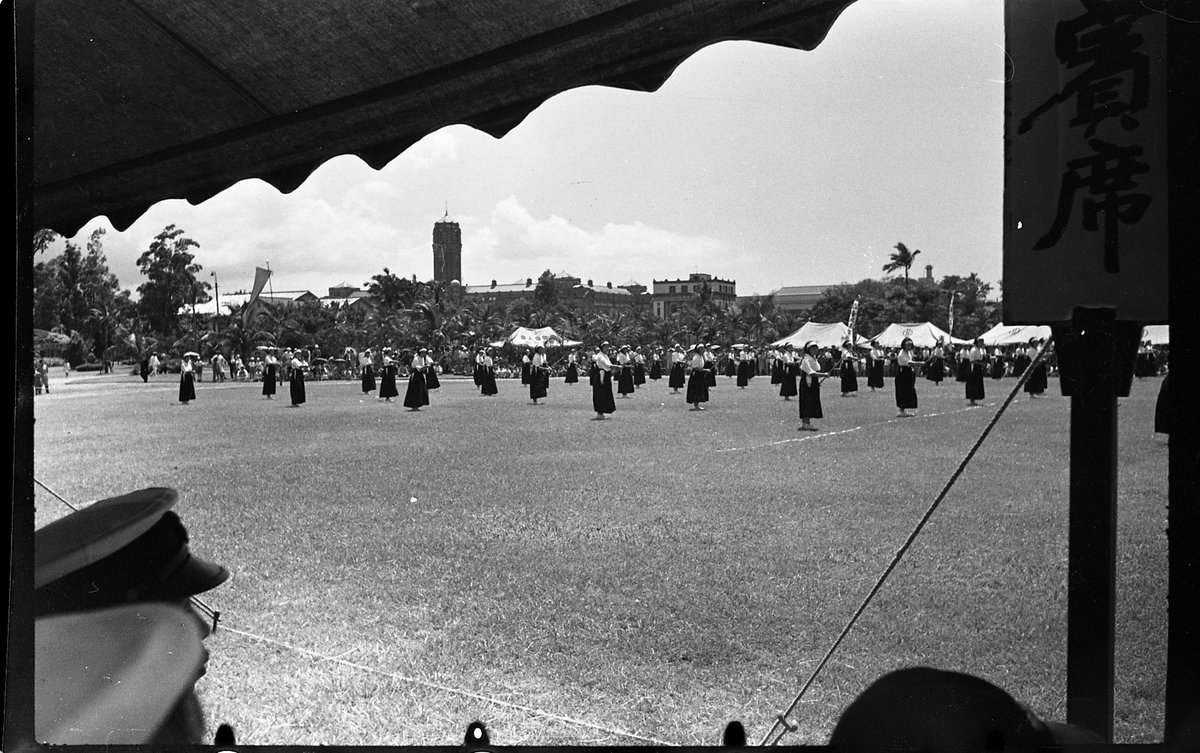
The Presidential Office Building’s story begins during the Japanese colonial period (1895–1945). Following the Treaty of Shimonoseki, Taiwan became a Japanese colony, and the new administration initiated a design competition to build a grand office for the Governor-General. The winning design was submitted by Uheiji Nagano, with significant modifications by Matsunosuke Moriyama. Construction began in 1912 and was completed in 1919, resulting in what was then the tallest building in Taiwan, crowned with a 60-meter central tower (BOCH; Wikipedia).
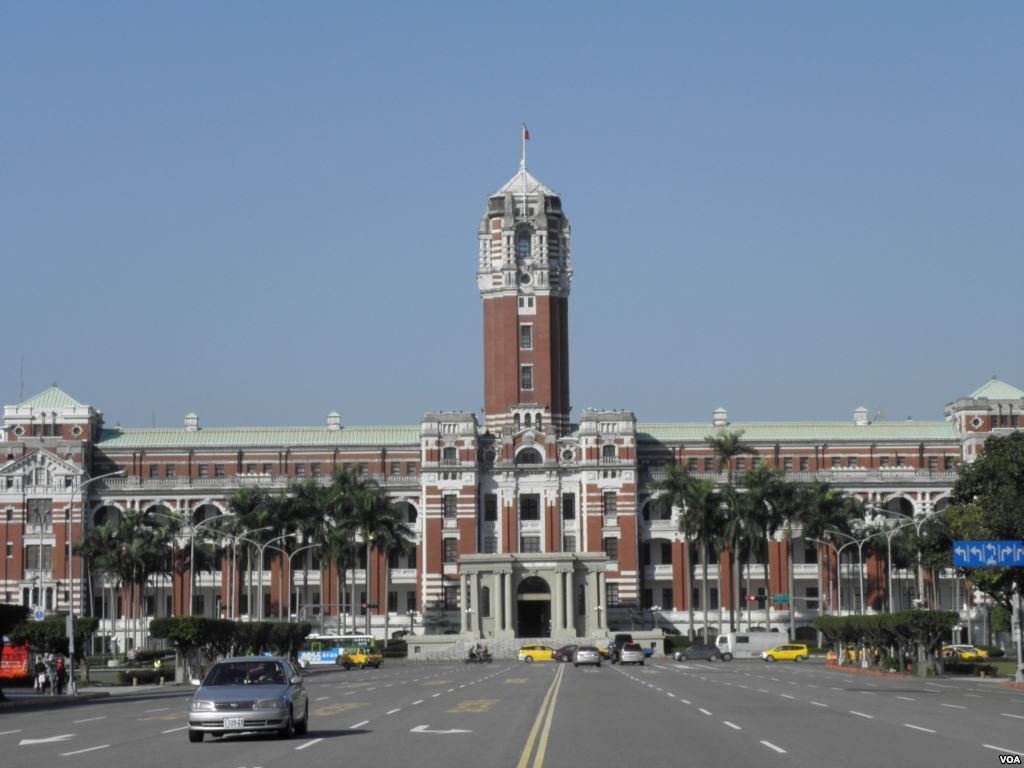
The building’s Baroque-Renaissance style incorporates red-and-white brickwork, classical columns, and a double courtyard layout inspired by the Chinese character “日” (sun), symbolizing both Japanese imperial ambitions and local adaptation (Art Facts; Wikiwand).
Wartime Damage and Restoration
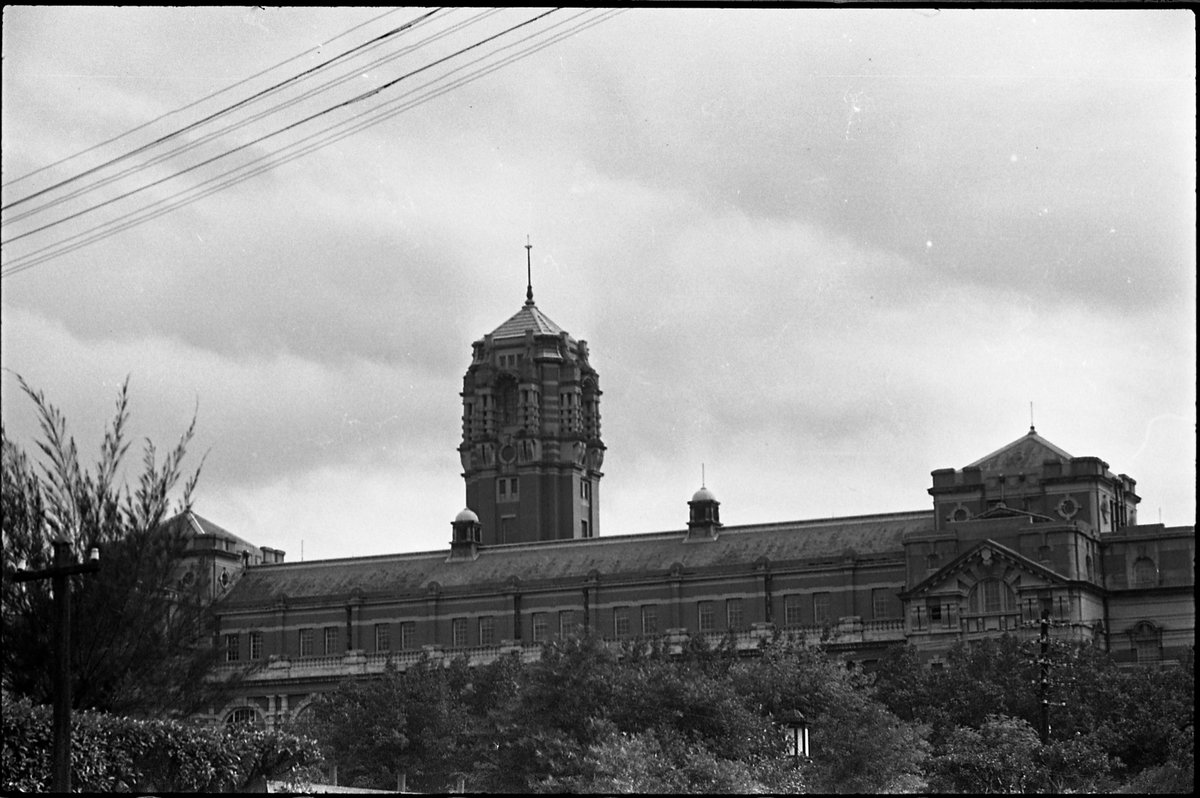
During World War II, Allied bombing raids severely damaged the building, particularly the central tower and portions of the roof and walls. The main structure survived due to its robust construction. After the ROC took control in 1945, extensive restoration was undertaken, and the building was briefly renamed Chieh Shou Hall. By 1948, restoration was largely complete, preserving most of the building’s original appearance (English President; Everything Explained Today).
Transition to the Presidential Office
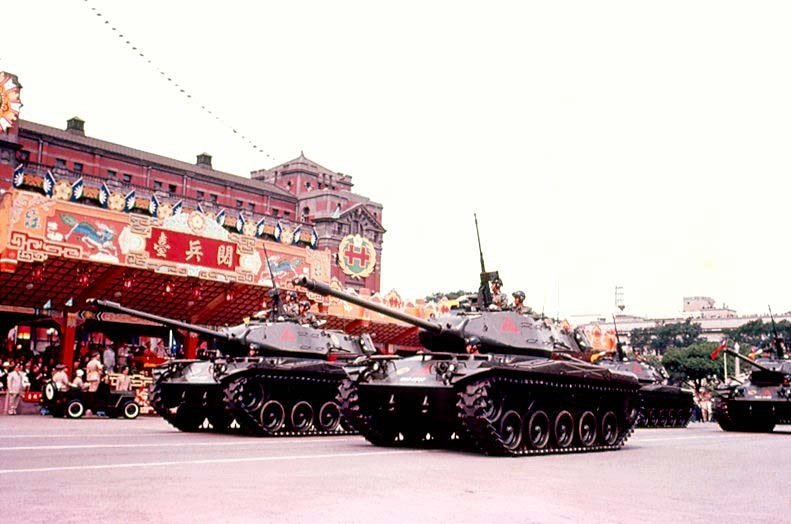
In 1950, after the ROC government relocated to Taiwan, the building became the official Presidential Office. Its designation as a national historical site in 1998 further cemented its importance as a symbol of Taiwan’s political resilience and democratic ideals (Taiwan.net; TravelKing).
Architectural Features and Symbolism
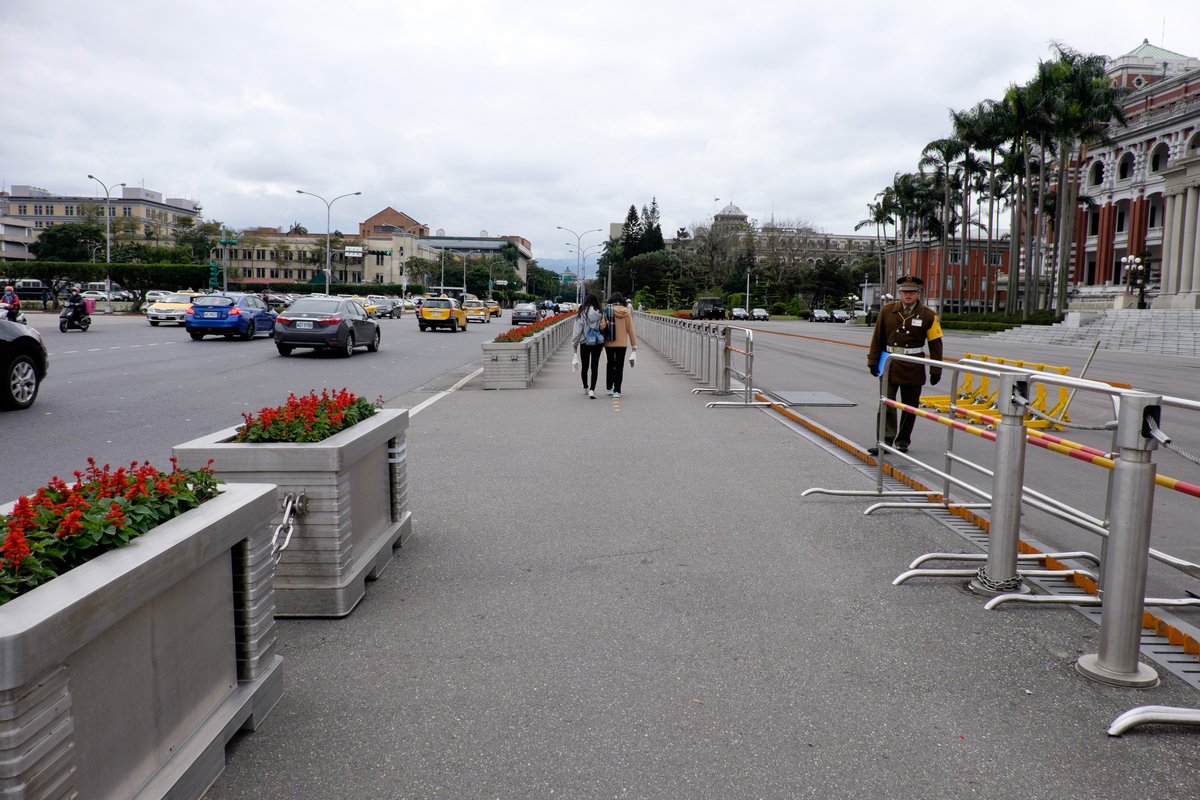
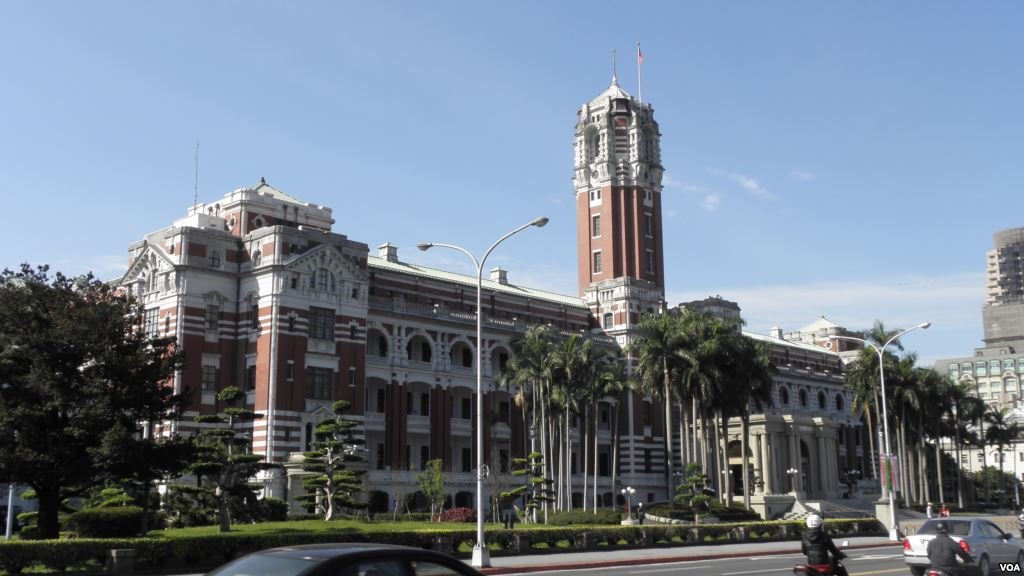
The building’s five-story structure and eleven-story central tower dominate the Taipei skyline. Its double courtyard layout provides light and ventilation, while the Baroque façade, classical columns, and intricate detailing speak to both Western influences and local adaptations. The orientation toward the east down Ketagalan Boulevard symbolizes the rising sun, aligning with the building’s historical role and significance (Vicki Chiu Blog).
Notable features include:
- Central Tower Once the tallest in the Taipei Basin, it serves as the building’s visual focal point.
- Grand Entrances Only the front entrance and west gate are used for official functions. The west gate features a grand marble staircase and classical columns.
- Climate Adaptations Verandas, porticoes, and ventilated corridors resist the subtropical heat, while materials were sourced both locally and from Japan.
Modern technology, such as elevators and electrical systems, was incorporated early on, making the building a marvel of its time (Vicki Chiu Blog).
Visiting the Presidential Office Building
Visiting Hours and Ticketing
- Weekdays The Presidential Office Building is generally open to the public Monday to Friday, 9:00 AM to 12:00 PM (last entry at 11:30 AM).
- Closed Weekends, public holidays, and during official state events.
- Special Events Open house days may provide extended hours and special exhibits.
Admission is free, but all visitors must reserve tickets in advance online due to security and capacity limits. A valid passport or government-issued ID is required upon entry. Walk-ins are accepted only if space permits (Office of the President; Taiwanderers).
Accessibility and Visitor Guidelines
The building is fully accessible, with ramps, elevators, and accessible restrooms. Audio guides, Braille signage, and multilingual brochures are available. Security measures include bag checks and metal detectors. Photography is allowed in most public spaces, but flash and tripods are restricted. Dress modestly and behave respectfully, as this is an active government facility.
Guided Tours and Special Events
- Guided Tours Available in Mandarin and English, lasting 60–90 minutes. Advance booking highly recommended.
- Self-Guided Visits Multilingual brochures and QR-code audio guides support independent exploration.
- Special Exhibitions Held during national holidays and open house events, often featuring access to typically restricted areas and unique displays (Everything Explained Today).
Practical Travel Tips
- Best Time to Visit Weekday mornings for lighter crowds.
- Getting There Nearest MRT station is NTU Hospital Station (Red Line), just a short walk from the building. Multiple bus lines serve the area.
- Dress Code Modest attire is required; avoid shorts, sleeveless tops, and flip-flops.
- Security Arrive early to allow time for screening.
- No Food/Drink There are no food or beverage outlets inside, but many options are available nearby.
Nearby Attractions
Explore these notable sites within walking distance:
- 228 Peace Memorial Park A tranquil reflection on Taiwan’s modern history.
- National Taiwan Museum Exhibits on natural and cultural heritage.
- Chiang Kai-shek Memorial Hall Monumental architecture and gardens.
- Ximending District Vibrant shopping and entertainment hub.
Frequently Asked Questions (FAQ)
Q: What are the visiting hours for the Presidential Office Building?
A: Monday to Friday, 9:00 AM to 12:00 PM, last entry at 11:30 AM. Closed weekends, public holidays, and during official events.
Q: Do I need tickets?
A: Entry is free, but advance reservations are required for all visitors.
Q: Is the building accessible for visitors with disabilities?
A: Yes, with ramps, elevators, accessible restrooms, and support for visually impaired guests.
Q: Are guided tours available in English?
A: Yes, but advance registration is recommended.
Q: Can I take photos inside?
A: Photography is permitted in most public areas, but avoid flash, tripods, and restricted rooms.
Q: What do I need to bring?
A: Passport or valid photo ID for entry.
Related Articles
- Top Historical Sites to Visit in Taipei
- Guide to Taipei’s Museums and Cultural Attractions
- Exploring Zhongzheng District: Taipei’s Political and Cultural Heart