
History of Liberty Square, Taipei
Origins and Construction
Liberty Square, originally known as Chiang Kai-shek Memorial Square, was conceived in the 1970s during a period when Taiwan was under martial law and one-party rule by the Kuomintang (KMT). The square was designed by architect Yang Cho-cheng as part of a grand memorial to Chiang Kai-shek, the President of the Republic of China who relocated to Taiwan after the KMT's defeat in the Chinese Civil War (Wikipedia). The square was officially opened to the public in 1975, following Chiang Kai-shek's death.
Architectural Significance
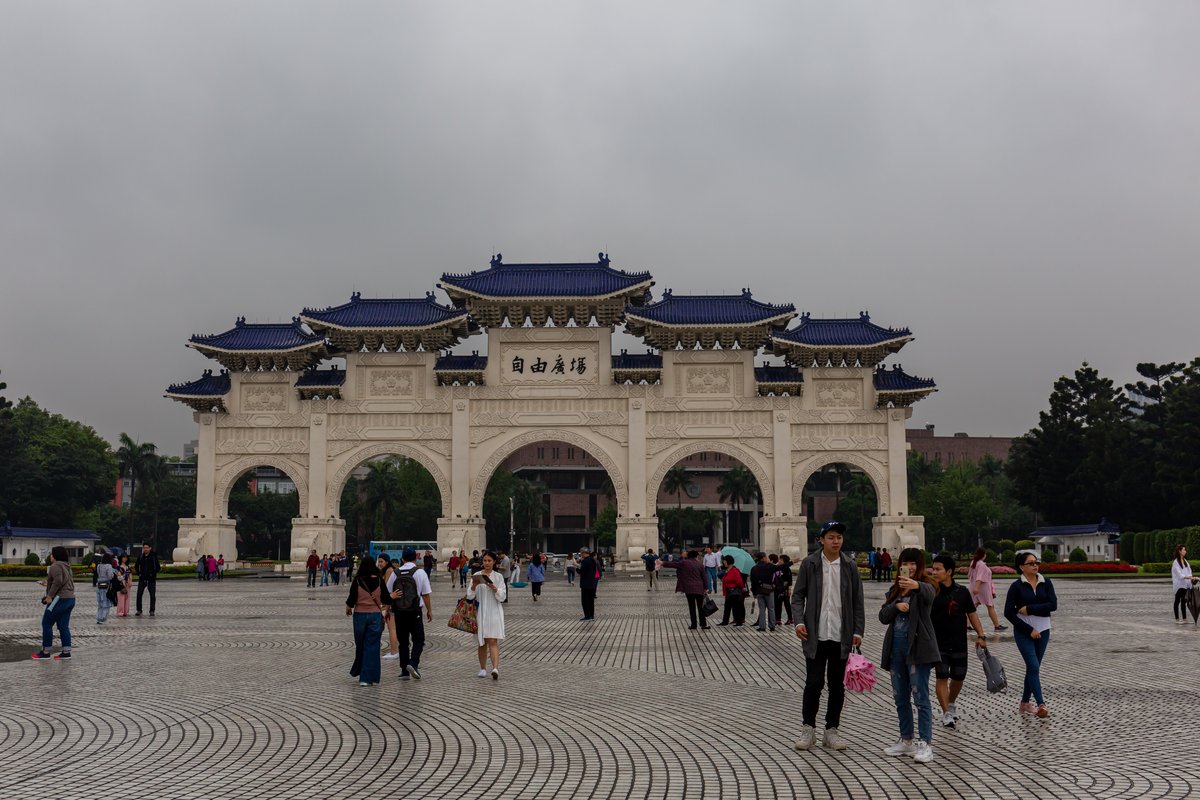
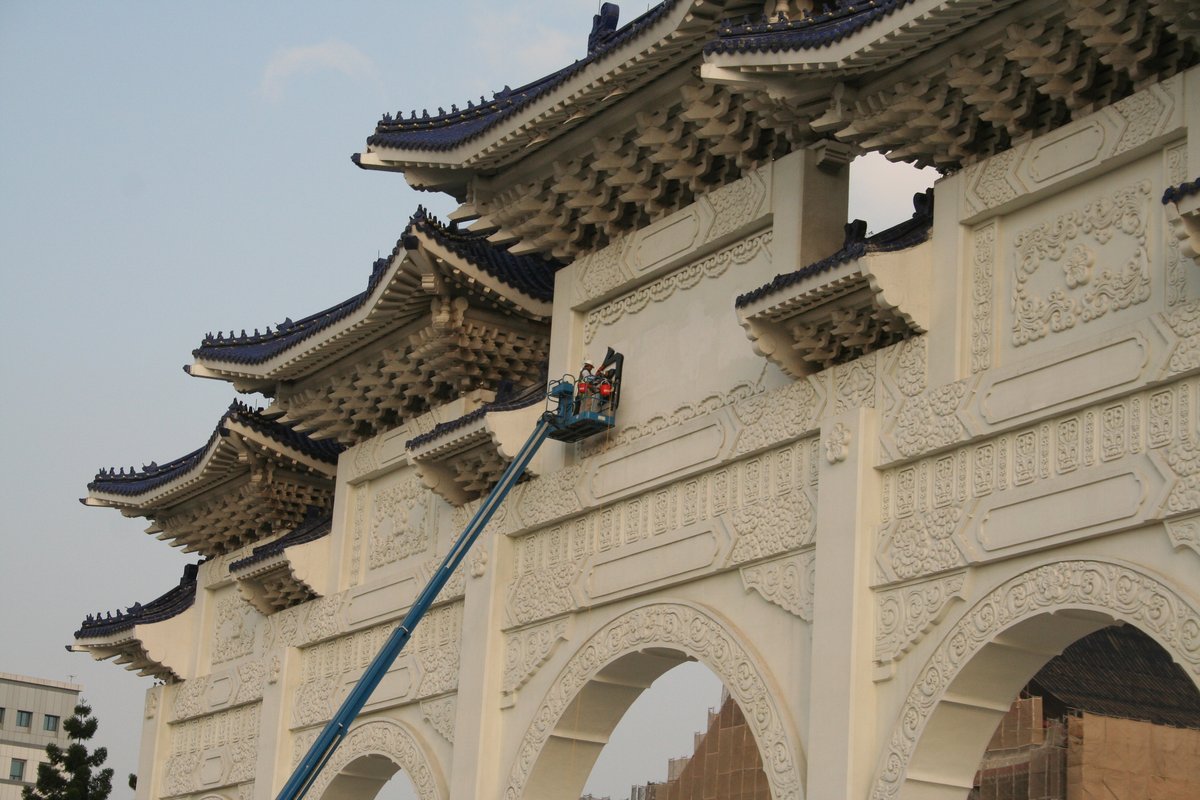
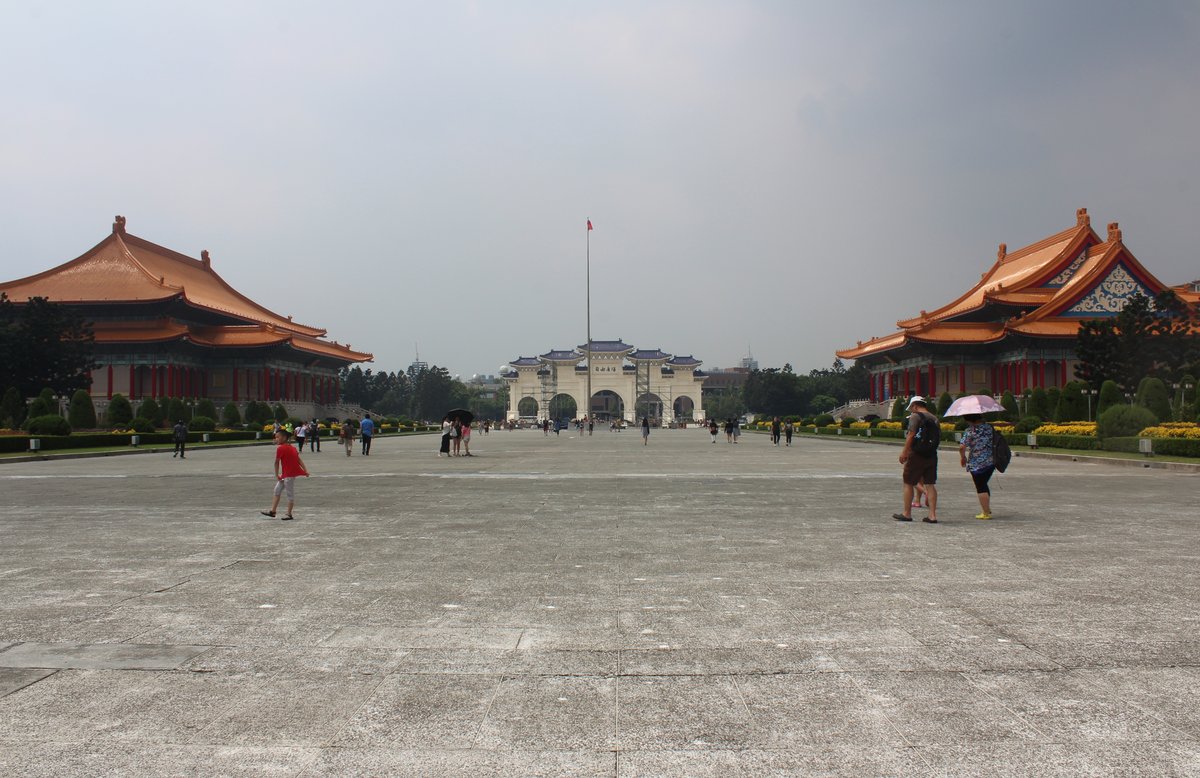
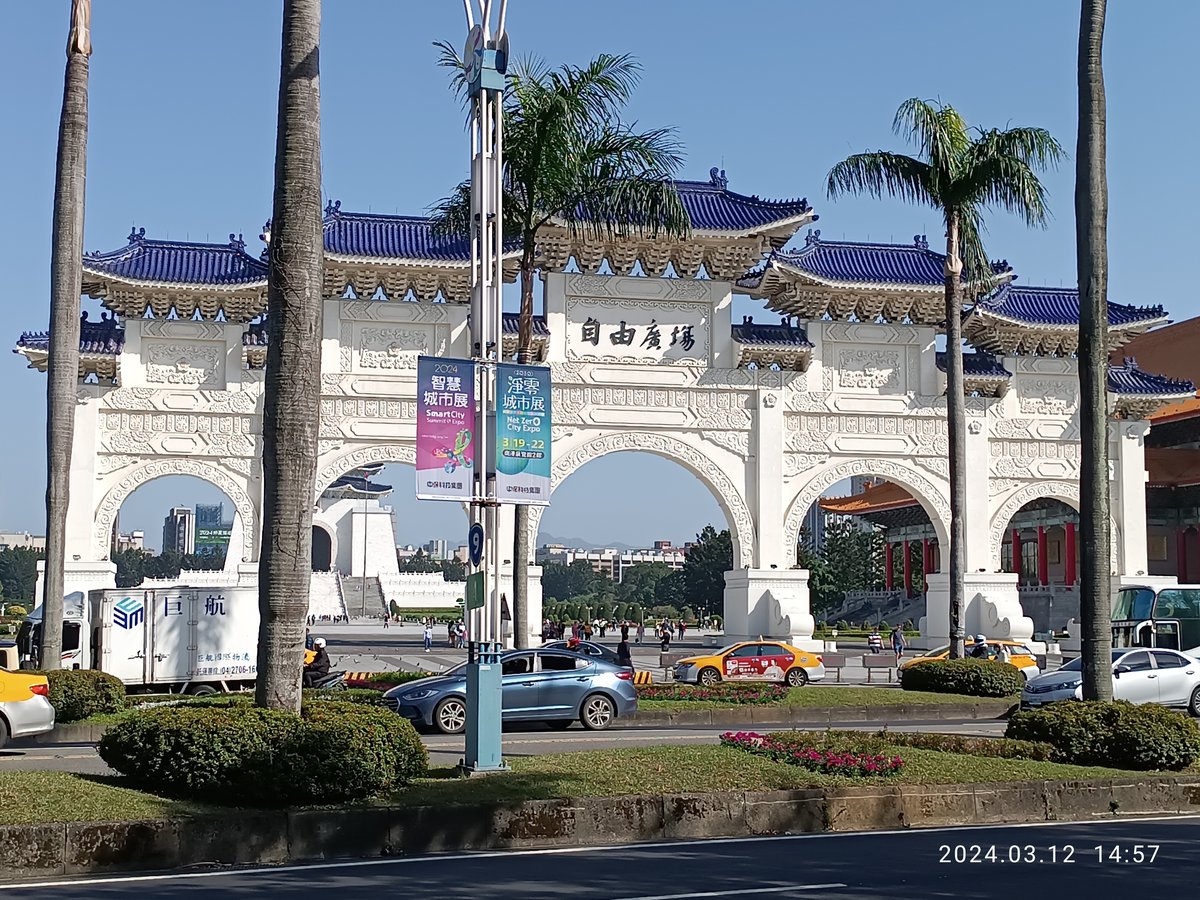
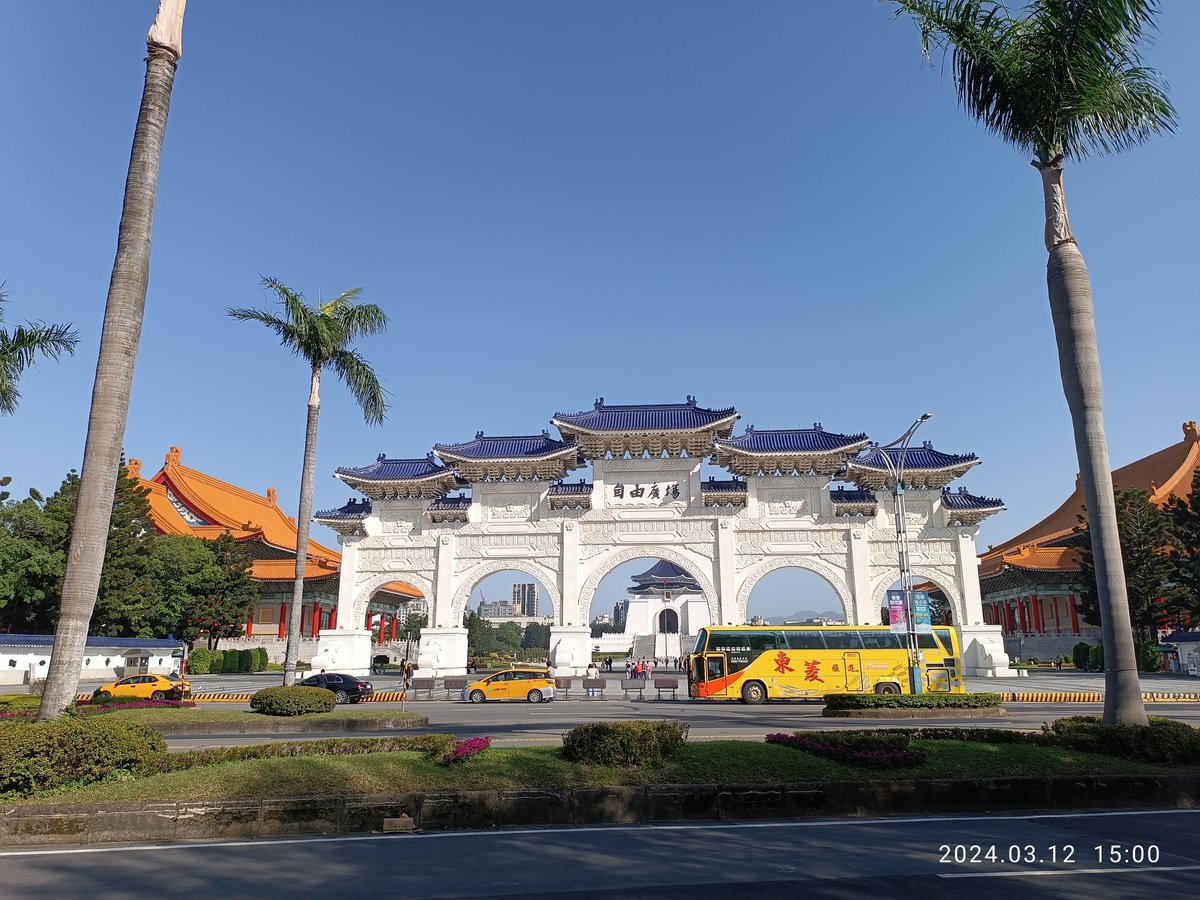
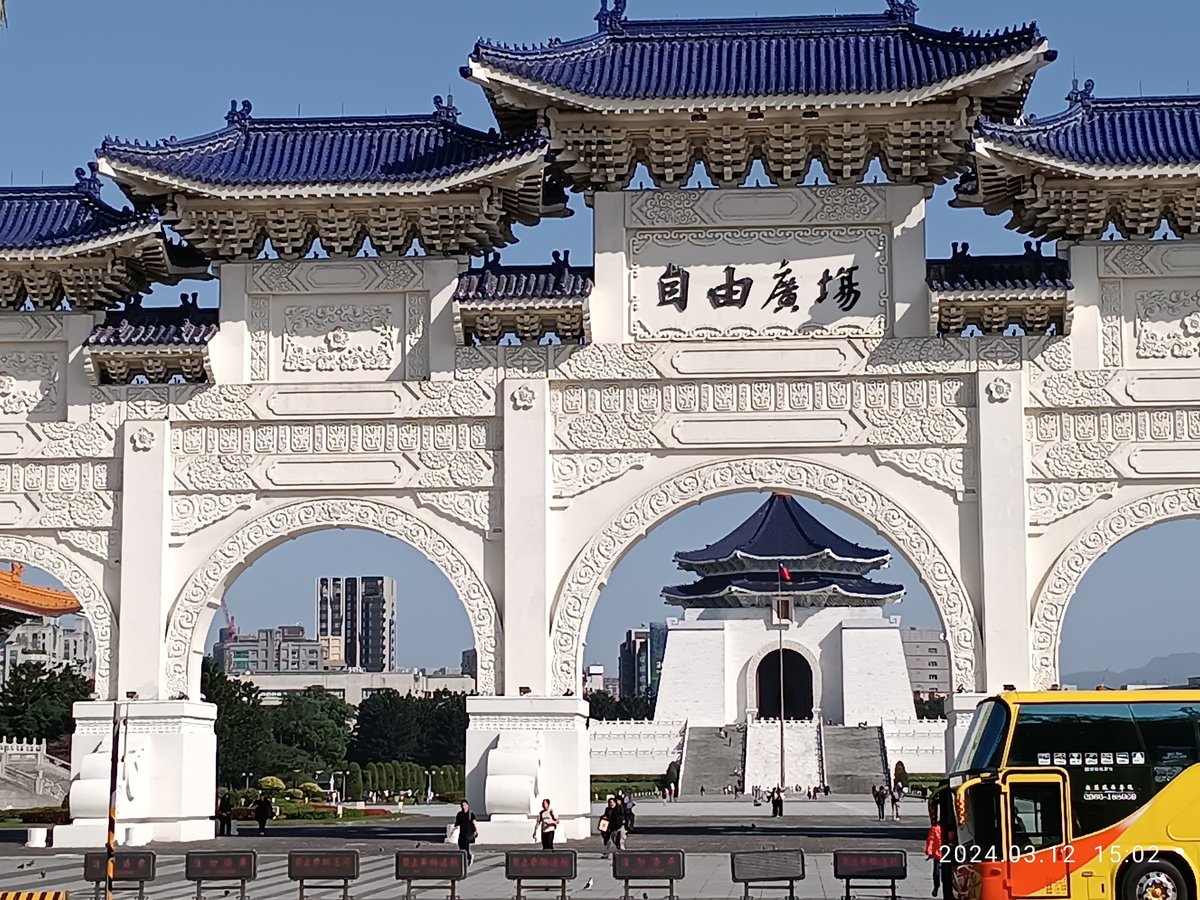
The architecture of Liberty Square incorporates many traditional elements and recalls earlier Kuomintang monuments erected in Republican China. Yang's design symbolically assigned civic virtues to each area of the square. The main gate, known as the Gate of Integrity, was placed at the west end on Zhongshan South Road. The Gate of Loyalty stands at the north side on Xinyi Road, and the Gate of Piety is located at the south side on Aiguo East Road. A Boulevard of Homage, bordered by manicured bushes, connects the square to the memorial hall (Wikipedia).
Role in Taiwan's Democratic Transition
Liberty Square quickly became Taipei's site of choice for mass gatherings upon its opening. The square played a pivotal role in Taiwan's transition from one-party rule to modern democracy in the 1990s. The most influential event was the Wild Lily student movement of 1990, which provided the impetus for the far-reaching political reforms of President Lee Teng-hui. These reforms culminated in the first popular elections of national leaders in 1996 (Wikipedia).
Rededication and Modern Significance
In 2007, President Chen Shui-bian rededicated the square as Liberty Square to reflect its importance in the development of Taiwan's democracy. Although the announcement of the new name was initially met with hostility by officials in the Pan-Blue camp, it was eventually affirmed by officials across the political spectrum (Wikipedia).
Key Events and Demonstrations
Liberty Square has been the scene of numerous significant events and demonstrations. Within weeks of its rededication, the square hosted demonstrations advocating for freedom for Tibet. In the same year, it was the site of rallies for speech and assembly rights by the Wild Strawberry student movement (Wikipedia). The square continues to serve as a focal point for pro-democracy rallies and other significant public gatherings.
Cultural and Civic Activities
Liberty Square is not only a symbol of democratic progress but also a vibrant cultural hub. The National Theater and Concert Hall, located within the square, host over 800 events annually, providing iconic backdrops for various activities. The square regularly serves as the site for outdoor festivals, concerts, and red-carpet ceremonies when Taiwan's president greets foreign dignitaries (Wikipedia).
Visitor Information
Visiting Hours and Tickets
Liberty Square is open to the public and free to enter, making it a must-visit destination for anyone traveling to Taipei. Visitors can witness the changing of the guard ceremony at the Chiang Kai-shek Memorial Hall, which takes place every hour on the hour from 09:00 to 17:00 (Taipei Travel Geek).
Accessibility and Travel Tips
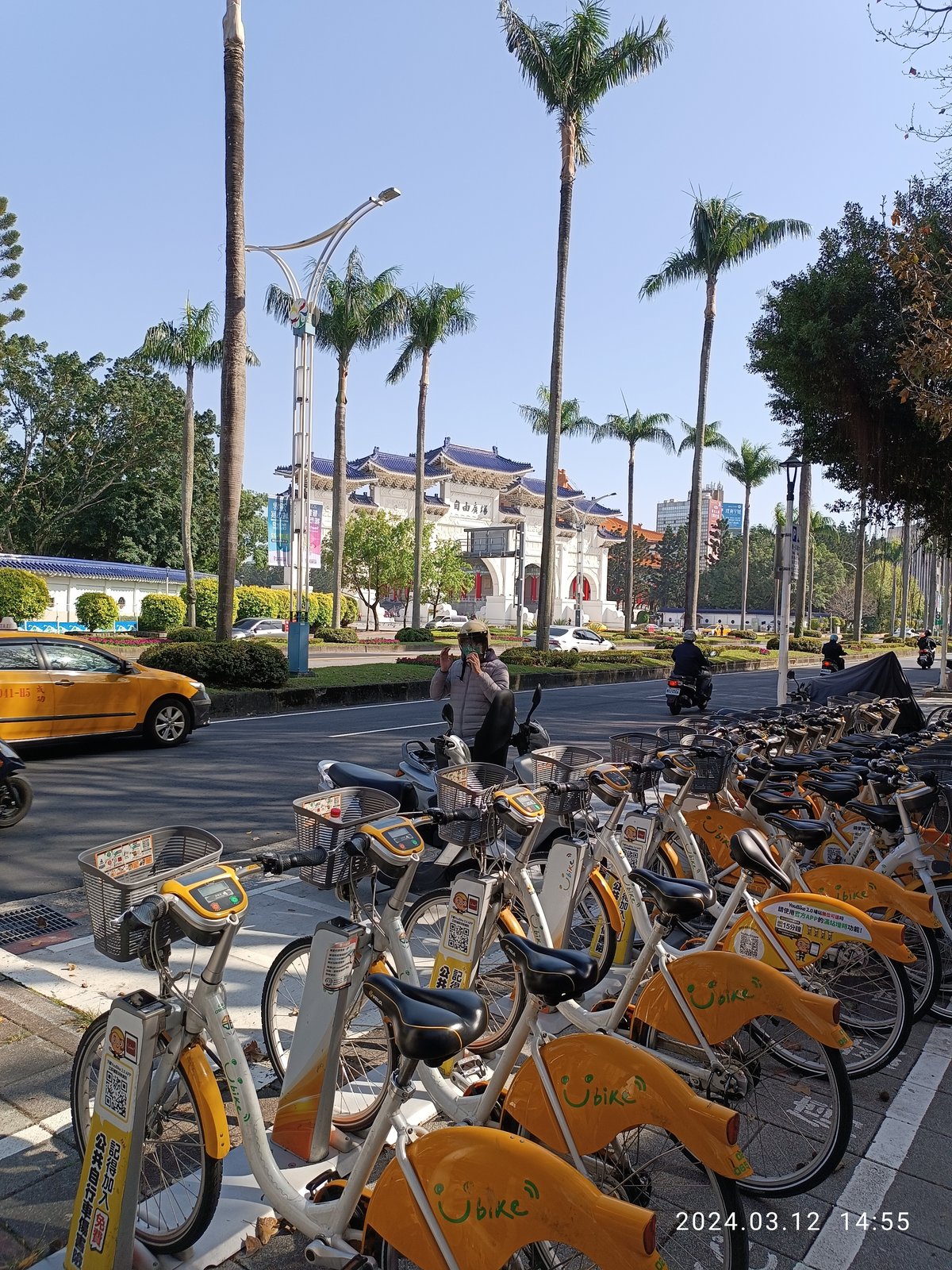
Liberty Square is easily accessible via the Taipei Metro. The nearest station is the Chiang Kai-shek Memorial Hall Station, which is just a one-minute walk from the square (The World Travel Guy). The square is open to the public and free to enter, making it a must-visit destination for anyone traveling to Taipei.
Unique Aspects and Photographic Spots
Visitors to Liberty Square can enjoy beautifully landscaped gardens connected by the Araucaria Trail, featuring dozens of species of trees, including those found in southern and central Taiwan, as well as on Orchid Island (Taipei Travel Geek). The square offers numerous photographic spots, especially during the changing of the guard ceremony and around the grand gates.
Nearby Attractions and Special Events
Liberty Square is surrounded by several notable attractions, including the National Theater and Concert Hall, which host numerous cultural events. Visitors can also explore nearby historical sites and enjoy special events or guided tours that provide deeper insights into Taiwan's cultural and democratic heritage.
Transformation Plans
In February 2017, Taiwan's Ministry of Culture announced plans to transform the Chiang Kai-shek Memorial Hall into a national center for "facing history, recognizing agony, and respecting human rights" (Wikipedia). This initiative aims to further solidify the square's role as a symbol of Taiwan's commitment to democracy and human rights.
FAQ
What are the visiting hours for Liberty Square?
Liberty Square is open to the public 24 hours a day. The changing of the guard ceremony at the Chiang Kai-shek Memorial Hall takes place every hour on the hour from 09:00 to 17:00.
How much do tickets to Liberty Square cost?
Entrance to Liberty Square is free of charge.
How do I get to Liberty Square?
The easiest way is via the Taipei Metro, with the nearest station being the Chiang Kai-shek Memorial Hall Station.
Are there guided tours available?
Yes, guided tours are available and recommended for those who wish to gain deeper insights into the history and architecture of the square.
Is Liberty Square wheelchair accessible?
Yes, the square is wheelchair accessible with ramps and elevators available at key locations.