
Discovering the Seven Seas Residence
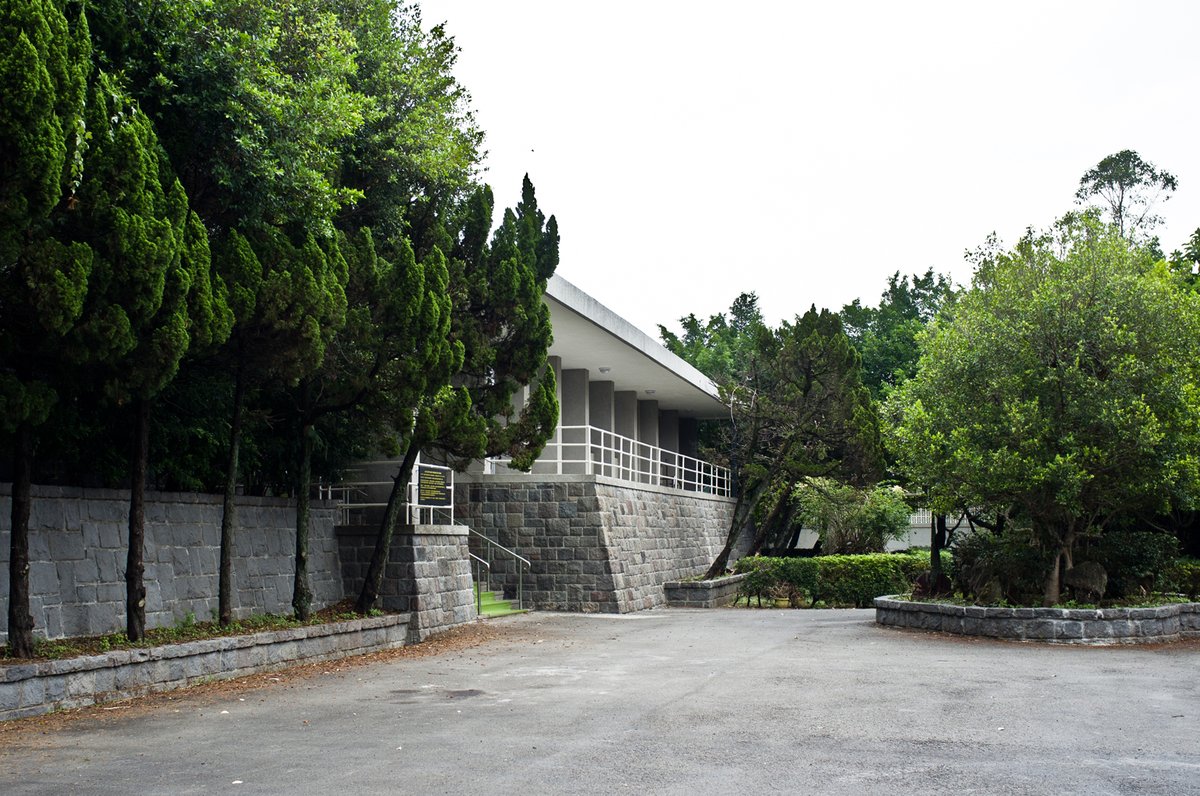
Situated within Taipei’s Navy Command Headquarters on Beian Road, the Seven Seas Residence (七海寓所; Qīhǎi Yùsuǒ) offers a unique window into Taiwan's modern political history and architectural tradition. The site is a key stop for anyone interested in the island's journey to democracy and its international relationships.
Origins and Naming
The name "Seven Seas" was derived from the guardhouse's code name, chosen to honor the United States Seventh Fleet for its protective role during the First Taiwan Strait Crisis (1954–1955). This reflects Taiwan’s historical military and diplomatic ties with the United States at a critical juncture in East Asian geopolitics. The residence’s tranquil setting on the Keelung River’s north bank, flanked by Jiantan Mountain and Qihai Lake, adds to its historic ambiance.
Historical and Political Significance
Originally built in the 1950s as a naval reception center, the residence became the official home of Chiang Ching-kuo, son of Chiang Kai-shek and President of Taiwan (1978–1988). From 1968 until his death, Chiang used the residence for both personal life and as an executive center for critical state decisions, including the incremental transition toward democracy. Following his passing, his widow continued to reside there until 2004, deepening the site’s connection to Taiwan’s political legacy.
Transformation into Ching-kuo Chi-hai Cultural Park
Recognizing its cultural importance, the Taipei City Government designated the residence as a historic site in 2006. After nearly seven years of restoration, the grounds reopened in 2022 as Ching-kuo Chi-hai Cultural Park—a 3.98-hectare destination featuring the Presidential Library, display halls, and visitor center. The site is managed by the Chinese Christian Faith and Love Foundation and the Chiang Ching-kuo Foundation for International Scholarly Exchange (CCKF).
Visitor Information: Hours, Tickets, and Accessibility
- Opening Hours Tuesday–Sunday, 9:00 AM–5:00 PM (closed Mondays and public holidays)
- Tickets
- NT$100 for either the guided residence tour or the display hall
- NT$180 for a combined ticket
- Purchasing Tickets Buy online via official websites or at the visitor center. Advance booking is highly recommended, especially for weekends and holidays.
- Capacity Visitor numbers may be capped for quality and preservation; booking ahead ensures entry.
- Accessibility Wheelchair access, ramps, and accessible restrooms are available. Assistance is offered upon request.
Getting There and Nearby Attractions
- Address No. 7, Lane 7, Section 2, Zhishan Road, Shilin District, Taipei City 111, Taiwan
- By MRT Take the Red Line to Jiantan Station; the park is about a 10-minute walk or a short taxi ride from the station.
- Parking Limited onsite parking—arrive early if driving.
- Nearby Sites Shilin Night Market, National Palace Museum, Yangmingshan National Park, and Chiang Kai-shek Shilin Residence.
Visitor Highlights and Experience
- Architecture & Gardens The residence blends traditional Chinese motifs with mid-century modern design and is surrounded by meticulously restored gardens and scenic views of Qihai Lake.
- Exhibits Explore Chiang Ching-kuo’s preserved living quarters, period furnishings, and political memorabilia. The Presidential Library offers digital archives and reading rooms.
- Guided Tours Multilingual tours provide in-depth historical and political context. Advance booking is advised.
- Events & Programs Rotating exhibitions, lectures, and family-friendly educational programs are held throughout the year. Check the official website for the latest updates.
- Photography Allowed in gardens and many exhibition areas; some restrictions apply indoors to preserve artifacts.
Cultural and Political Resonance
Symbolism in Taiwan’s Political Identity
More than a historical site, the Seven Seas Residence symbolizes Taiwan’s evolving identity and its transition from authoritarian rule to democracy. The lifting of martial law in 1987, a pivotal moment in Taiwan’s democratization, is closely tied to Chiang Ching-kuo’s leadership (CFR).
Public Engagement
The residence is a cornerstone in Taipei’s heritage circuits, often included in educational tours and cultural programs exploring Taiwan’s unique journey. Proximity to other cultural institutions like the Shung Ye Museum of Formosan Aborigines encourages a broader reflection on Taiwan’s multicultural legacy (Lonely Planet).
Cross-Strait Significance
The site’s history is closely intertwined with Taiwan’s relationship to mainland China and the “One China” policy, remaining a potent symbol during times of political tension (CFR).
Practical Tips and Frequently Asked Questions (FAQ)
Q: Are guided tours available in English?
A: Yes, English and other languages are offered. Book in advance.
Q: Can I take photos inside?
A: Photography is permitted in many areas but restricted in select rooms.
Q: Are COVID-19 measures in effect?
A: Masks, temperature checks, and distancing may be required.
Q: Is the site suitable for families?
A: Yes, educational activities cater to all ages.
Q: Is the site wheelchair accessible?
A: Yes, with full accessibility features.
Q: What’s the best time to visit?
A: Weekday mornings are less crowded; spring and autumn offer ideal weather.