Museum of Anthropology at National Taiwan University
The Museum of Anthropology at National Taiwan University (NTU) is on the university’s main campus in Taipei’s Da’an District. Its collections and exhibitions focus on Taiwan’s Indigenous peoples, archaeological heritage, and ethnographic diversity, and include artifacts, photographs, and research materials. The museum is part of NTU’s academic and campus museum network and serves both researchers and the public (NTU Department of Anthropology; Life of Taiwan).
The museum’s collections are described as holding over 20,000 artifacts representing Taiwan’s 16 officially recognized Indigenous groups, Han settlers, and prehistoric archaeological finds. Another visitor listing gives a total of nearly 50,000 objects from around the world. The museum’s ethnological and archaeological focus differs from the emphasis on imperial Chinese art at the National Palace Museum (Lonely Planet: Best Museums in Taipei).
History
The museum’s roots date to the Japanese colonial era, when Taihoku Imperial University, NTU’s predecessor, was established. In 1928, Dr. Shigawako, a Harvard-trained anthropologist and then-chair of the Department of Humanities and Political Studies, began systematically collecting ethnographic and archaeological specimens. Research expeditions focused on Taiwan’s Indigenous Austronesian peoples and gathered objects, tools, textiles, and photographs that remain foundational to the collection (NTU Department of Anthropology).
After 1945, National Taiwan University inherited the collections through its Department of Anthropology. Over time, the department expanded its research and holdings, and its specimen exhibition room developed into an educational and public resource. The museum officially opened in November 2010, presenting objects collected during the Japanese colonial era as well as later acquisitions (Wikipedia: Museum of Anthropology (Taiwan)).
The museum has incorporated museum studies into NTU’s anthropology curriculum and continues to develop interactive exhibits and digital resources. Collaboration with other museums and Indigenous communities supports community outreach, international academic dialogue, and work toward authentic representation and ethical museology (Taipei Travel Geek: Best Museums in Taipei; ICOM).
What to see
Indigenous and ethnographic collections
The ethnographic collections document Indigenous material culture, rituals, and daily life. Highlights include:
- Traditional Rukai and Paiwan textiles with symbolic motifs associated with social status and identity, as well as weaving and craftsmanship associated with Paiwan, Atayal, and Amis communities.
- Ceremonial and utilitarian pottery and ceramics, including vessels illustrating ancient firing techniques and ritual symbolism.
- Rukai and Atayal woodcarvings, including ancestral figures and ceremonial objects with mythological motifs.
- Traditional knives, spears, hunting implements, tools, and ritual objects.
- Traditional clothing, ceremonial regalia, headdresses, beadwork, and photographic records.
A carved wooden eave from the Rukai people was featured in the 2023–2024 exhibition “Lawbubulu: Treasures of Rukai.” The exhibition presented 150 Rukai artifacts from various institutions and tribal loans, with interpretive panels in the Rukai language. It highlighted Indigenous language and cultural authenticity (ICOM).
Archaeological collections
The archaeological collections trace human activity in Taiwan from the Neolithic period onward. They include pottery shards and reconstructed vessels from the Tapenkeng and Yuanshan cultures, described as over 4,000 years old; stone adzes and axes; jade ornaments; and burial goods such as shell beads, bronze items, and ceremonial objects. The collections also include Neolithic pottery and stone tools.
Exhibitions and interactive displays
Exhibits cover Indigenous art and daily life, including full-scale Rukai slate houses and Amis bamboo structures, as well as ceremonial objects and ancestral figures. Spirit boards, ancestor statues, and ceremonial knives are presented alongside oral histories and elder interviews.
Interactive displays include hands-on touch-and-feel stations and digital archives of photographs, field notes, and audio recordings. The museum also holds rotating and special exhibitions on contemporary Indigenous issues, traditional crafts, and archaeological discoveries. Digitization has expanded access to archives online, while virtual exhibitions and digital storytelling are also available through the museum’s website.
Practical visiting information
Hours and admission
The supplied visitor information gives two different schedules: Tuesday through Sunday, 9:00 AM–5:00 PM, or Tuesday through Sunday, 9:30 AM–5:30 PM. Both listings say the museum is closed on Mondays and public holidays; one specifies national holidays and another says certain public holidays. Check the museum’s website or contact the museum for current hours.
Admission information also varies between listings. One gives general admission as free, with possible nominal fees for special exhibitions or guided tours. Other listings give NT$100 for adults and NT$50 for students and seniors, with children under 6 and NTU students admitted free. A separate listing gives a general ticket price of NT$150, discounts for students, seniors, and groups, and free entry for children under 12 and MOA members. Tickets are described as available onsite, with another listing also saying they can be purchased in advance or online. Check the relevant official pages for current prices and sales arrangements (official National Taiwan University Museum of Anthropology website; official Museum of Anthropology website).
Location and transport
The museum is at No.1, Sec. 4, Roosevelt Rd, Da’an District, Taipei City 10617, Taiwan, on NTU’s main campus.
Transit directions differ across the visitor information. One route is to take the Taipei Metro Green Line to Gongguan Station and walk approximately 10 minutes. Another listing gives Technology Building Station on the Brown Line, Exit 3, followed by a 5-minute walk. A further set of directions says to take the MRT to Taipei Main Station and transfer to bus routes heading to the museum district. Bus stops are also mentioned nearby. Taxi services and bike rentals are listed as options.
Parking is described variously as ample, limited, or limited onsite; one visitor listing also mentions reserved parking spots for visitors with disabilities. Public transport is recommended in one listing.
Accessibility and visitor services
The museum is described as wheelchair accessible, with ramps and elevators, accessible restrooms, and assistance available on request. Other listed services include hearing assistance devices, staff support for guests with special needs, and braille materials and audio guides available on request. Virtual tours and digital resources are available for those unable to visit in person.
Onsite amenities are listed as a gift shop selling Indigenous crafts and a café offering local refreshments.
Tours, events, and educational programs
Guided tours are described as available on request and led by staff or anthropology students; advance booking is recommended. Another listing says daily tours are offered. Tours are described as available in Mandarin, English, and Japanese, and visitors are advised to check the schedule for times and languages. Special exhibitions, lectures, workshops, and educational programs are held throughout the year, with activities for families, students, and cultural enthusiasts.
School programs offer hands-on, inquiry-based learning aligned with curricula and are often fully booked in advance. Public workshops, artist talks, and lectures cater to different ages and interests. The museum also offers workshops and materials for families and school groups.
Visitor information also lists the MOA Ceramics Artist-in-Residence program, including Wei Cheng from June to September 2025, with workshops and open studios (Learn more about MOA's artist programs). It describes cultural festivals with live performances, storytelling, and interactive activities, developed with Indigenous and international communities and connected to the United Nations Declaration on the Rights of Indigenous Peoples (Community engagement details).
Tips
- Allow 1–2 hours to explore the museum.
- Exhibits are primarily in Mandarin, with some English labels. Guided tours are recommended for visitors seeking more context (Life of Taiwan).
- Follow posted photography restrictions, particularly near sacred artifacts. Photography without flash is permitted in most exhibit areas according to one listing; another says photography is allowed in designated areas. Video recording requires prior permission.
- Weekdays, especially mornings, are described as less crowded.
- Check the museum’s schedule for current exhibitions, tours, and events.
Nearby places
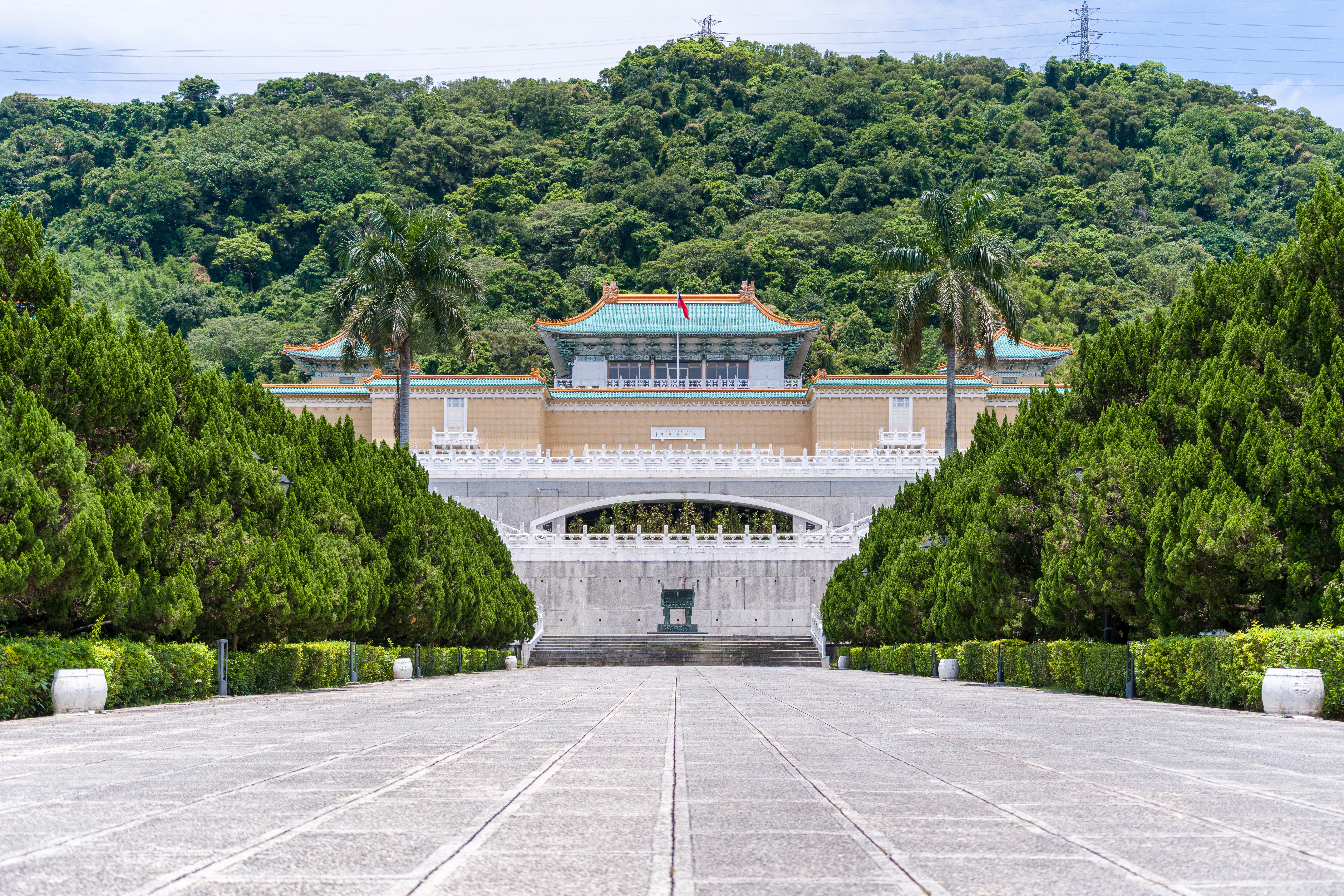
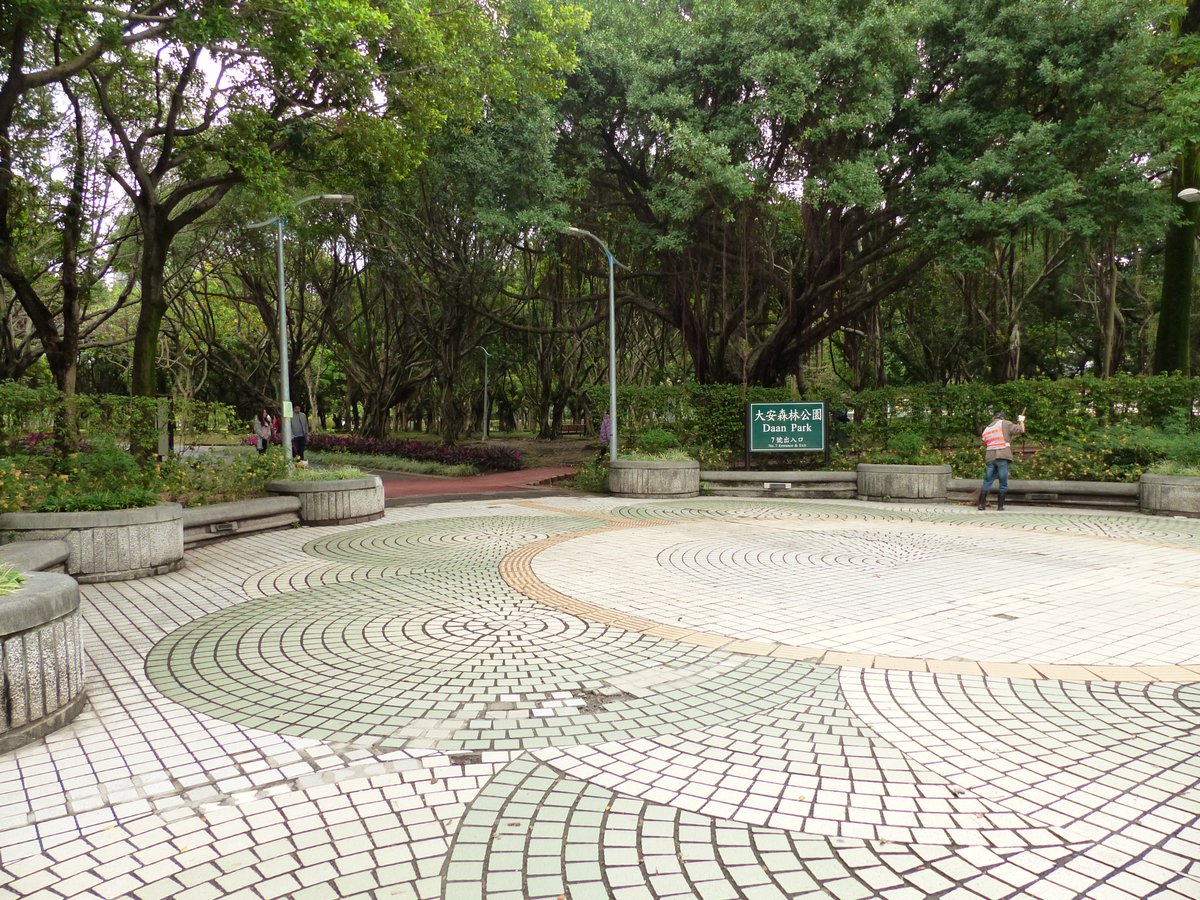
Other places suggested for a Taipei cultural itinerary include the National Palace Museum, the Shung Ye Museum of Formosan Aborigines, the National Taiwan Museum, and Gongguan Night Market. The NTU campus grounds, Da’an Forest Park, and Taipei 101 and the Xinyi Shopping District are also listed; Taipei 101 and Xinyi are described as a quick MRT ride away.
Related links: here, Taipei historical sites, and Taipei Travel Guide.
The museum’s wider academic and museum context is discussed by Taipei Travel Geek: Best Museums in Taipei. Further visitor information is available at the Museum of Anthropology Taipei visitor page. Digital guides and audio tours are also mentioned through the Audiala app; visitors are encouraged in the supplied information to follow the museum’s social media channels for updates.
Source listings
- Visiting the Museum of Anthropology at National Taiwan University: Hours, Tickets & Cultural Insights, 2025, NTU Department of Anthropology https://anthro.ntu.edu.tw/en/department-introduction/
- Museum of Anthropology Taipei Visiting Hours, Tickets & Visitor Guide, 2025 https://www.anthro.ntu.edu.tw/
- Museum of Anthropology Taipei Visiting Hours and Must-See Exhibits: Your Complete Guide to Taiwan’s Cultural Heritage, 2025, Life of Taiwan https://lifeoftaiwan.com/culture/six-of-the-best-taiwans-finest-museums/
- Visiting the Museum of Anthropology in Taipei: Hours, Tickets, Events, and More, 2025, MOA https://moa.ubc.ca/
- Museum of Anthropology (Taiwan), 2025, Wikipedia https://en.wikipedia.org/wiki/Museum_of_Anthropology_(Taiwan)
- The Use of Indigenous Languages in Exhibitions: A Reflection on Taiwan's Museums, 2023, ICOM https://icom.museum/en/news/the-use-of-indigenous-languages-in-exhibitions-a-reflection-on-taiwans-museums/
- Best Museums in Taipei, 2025, Lonely Planet https://www.lonelyplanet.com/articles/best-museums-in-taipei
- Best Museums in Taipei, 2025, Taipei Travel Geek https://www.taipeitravelgeek.com/best-museums-in-taipei
Frequently Asked Questions (FAQ)
Q: What are the museum’s visiting hours?
A: The listings give Tuesday–Sunday hours of 9:00 AM–5:00 PM and 9:30 AM–5:30 PM. They say the museum is closed on Mondays and public holidays; check the museum’s website for current hours.
Q: How much is admission?
A: Listings give free admission, NT$100 for adults and NT$50 for students and seniors, or a general ticket price of NT$150. They also give different free-entry age limits and eligibility; see the admission details above and check the museum’s official pages for current prices.
Q: Are guided tours available?
A: Yes. Tours are described as available on request, with another listing saying daily tours are offered. Languages listed are Mandarin, English, and Japanese; check the schedule or inquire about booking.
Q: Is the museum accessible to visitors with disabilities?
A: Yes. Listed provisions include wheelchair access, ramps, elevators, accessible restrooms, hearing assistance, and staff support.
Q: How can I get there by public transport?
A: Directions list Gongguan Station on the Green Line, Technology Building Station on the Brown Line, and a route from Taipei Main Station involving a bus transfer. See the transport details above.
Q: Is the museum suitable for children?
A: The visitor information describes interactive displays, workshops, and educational programs for young visitors, families, and school groups.
Q: Is photography allowed?
A: Listings differ: one says photography without flash is permitted in most exhibit areas, while another limits it to designated areas. Video recording requires prior permission; follow posted signs and staff instructions.
Q: Can tickets be bought online?
A: Tickets are described as available onsite, and some listings also mention advance or online purchases. Check the official website for current arrangements.