
Historical Evolution
Early Foundations and Japanese Colonial Era
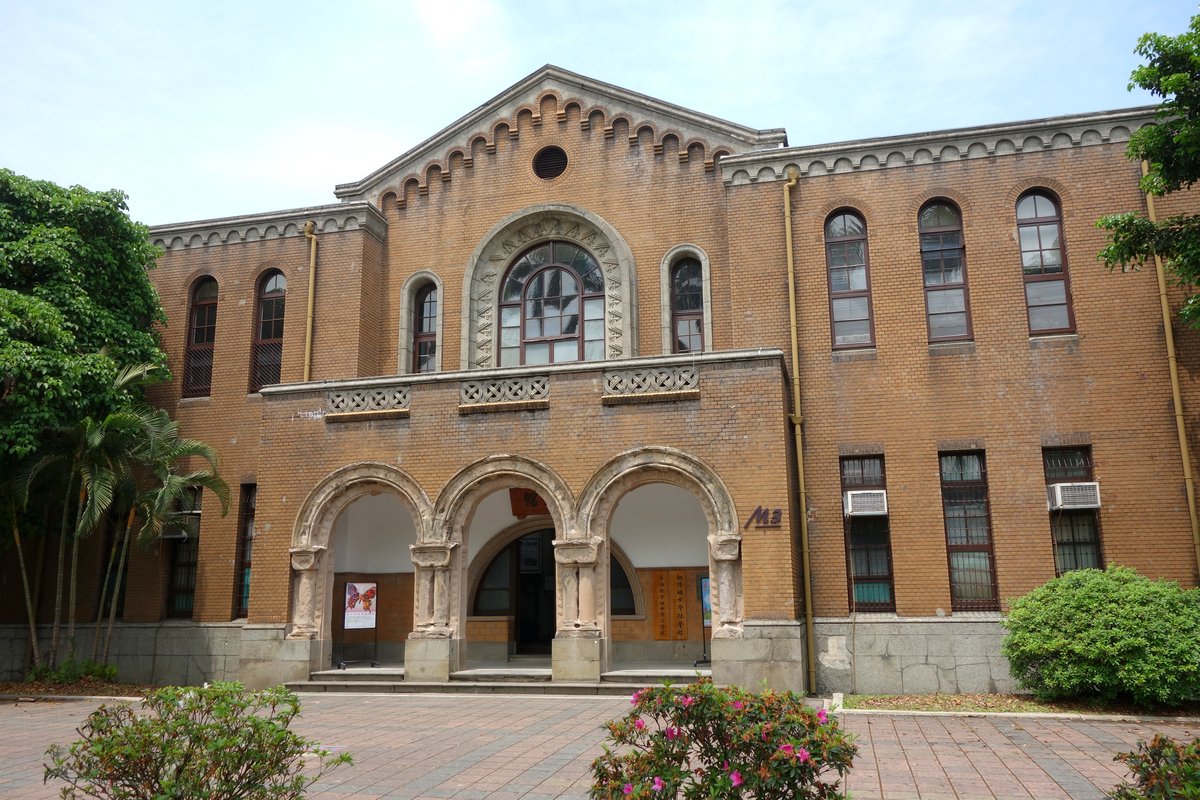
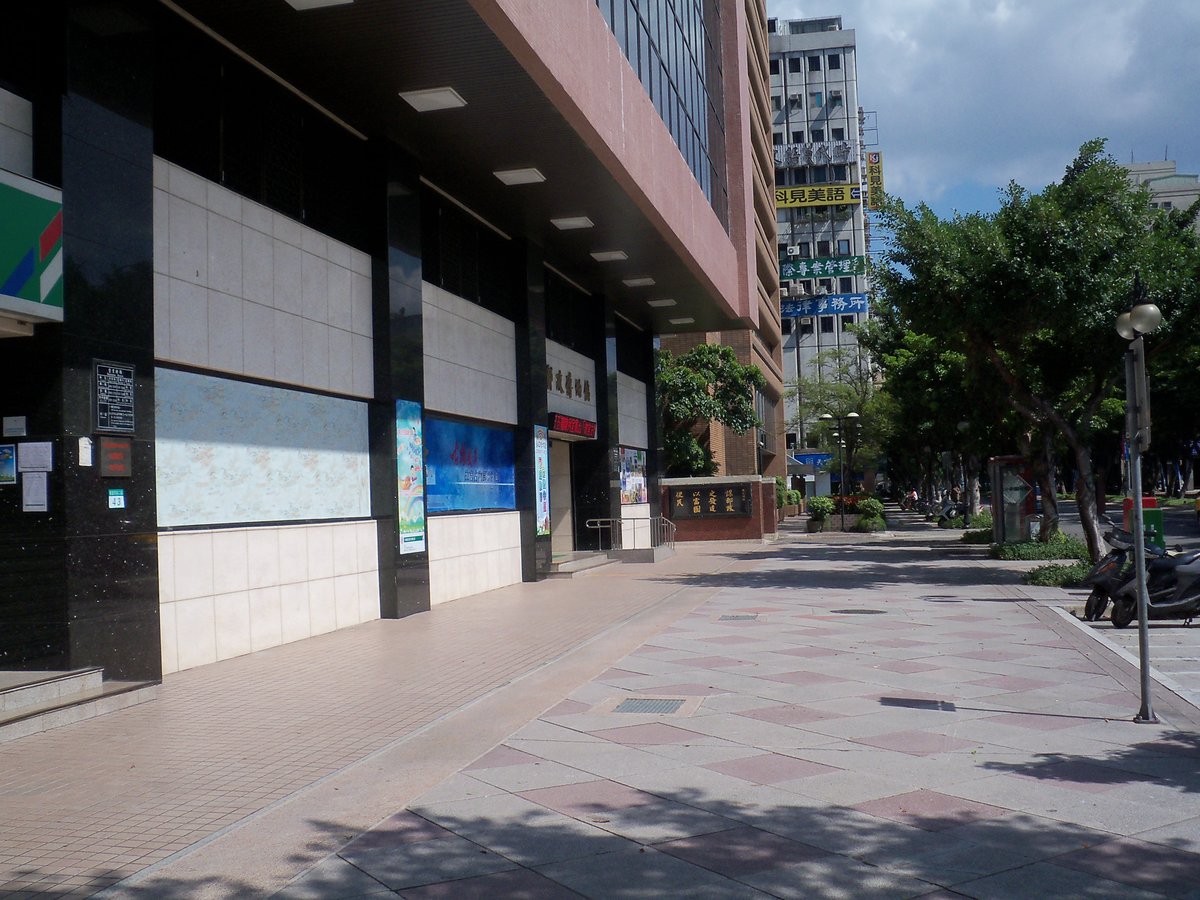
The NCL’s story begins during the Japanese colonial period (1895–1945), with the establishment of the Library of the Governor-General of Taiwan in 1914. Initially housed in Monga’s Qingshui Zushi Temple, the library opened to the public in 1915 after relocating to Bo’ai Road. It quickly became a center for literature and knowledge, reflecting the modernization policies of the era (National Taiwan Library).
Establishment in Mainland China and Wartime Relocations
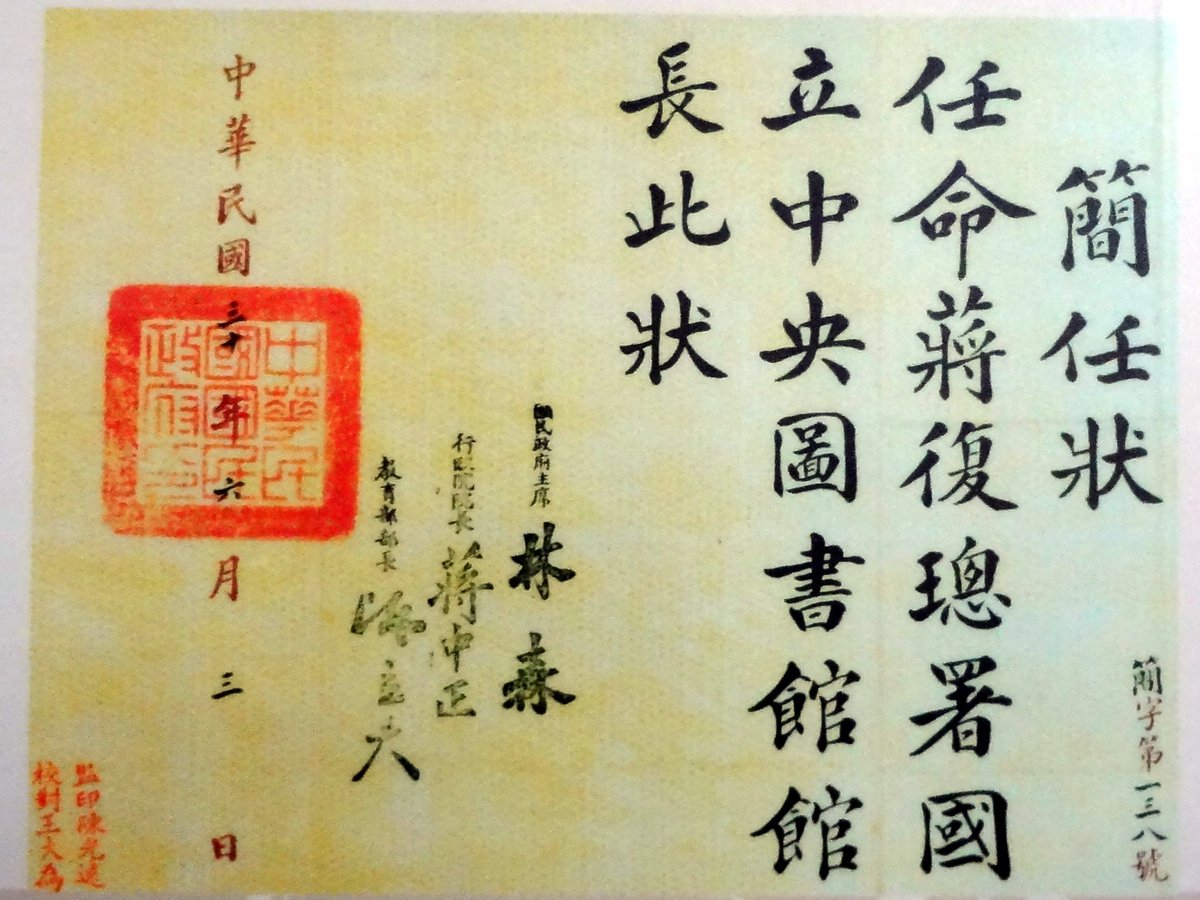
The idea of a national library for China was realized in 1933 in Nanking (Nanjing), where the National Central Library was established under Chiang Kai-shek’s directive. The library acquired significant collections, including rare books and stone rubbings. However, the outbreak of war in 1937 forced the institution to relocate to Chungking (Chongqing), focusing on the preservation of its valuable materials and continuing its mission under challenging conditions (Simmons.edu).
Post-War Transition and Integration in Taiwan
After World War II, Taiwan’s libraries underwent significant reorganization. The former colonial library merged with other collections to form the Taiwan Provincial Library. The NCL, following the Republic of China government, relocated to Taiwan and resumed service in Taipei in 1954, steadily expanding its collections and services through the subsequent decades (National Taiwan Library).
Institutional Growth and Modernization
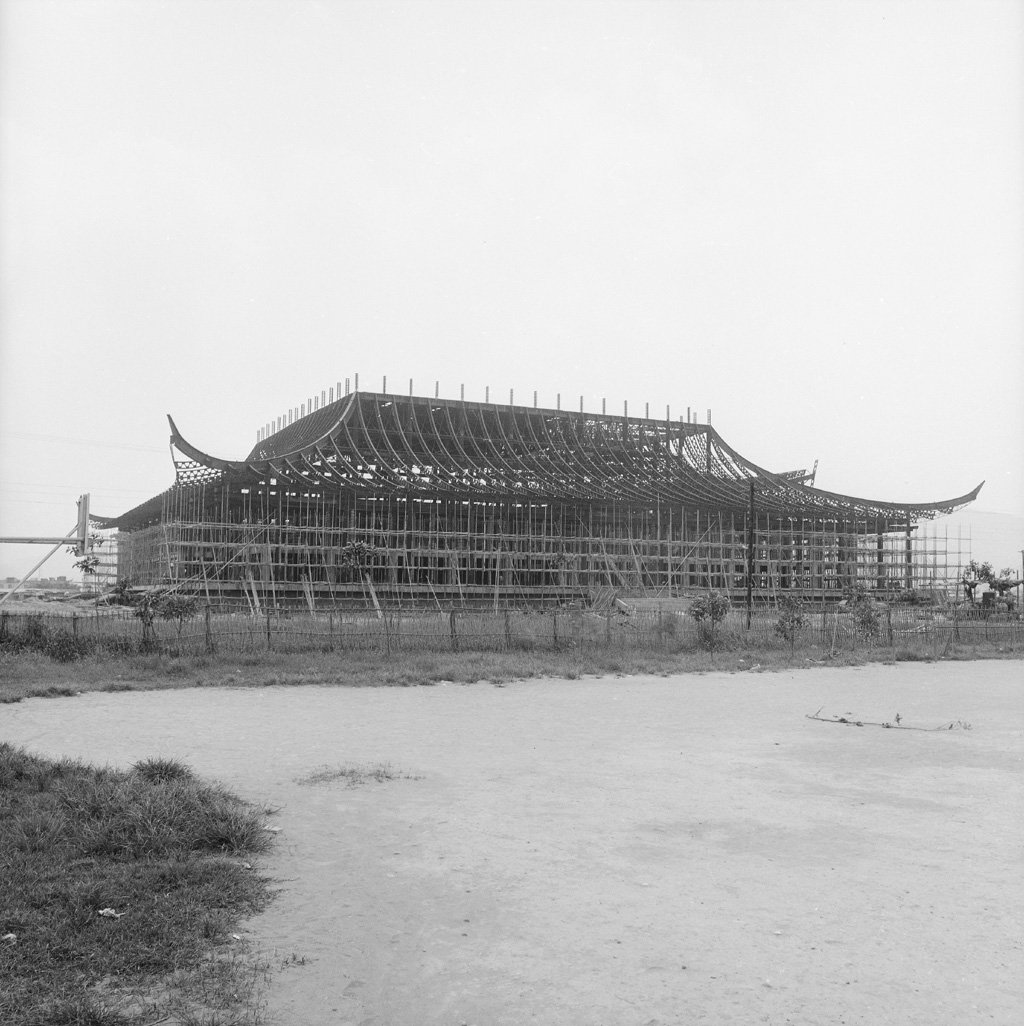
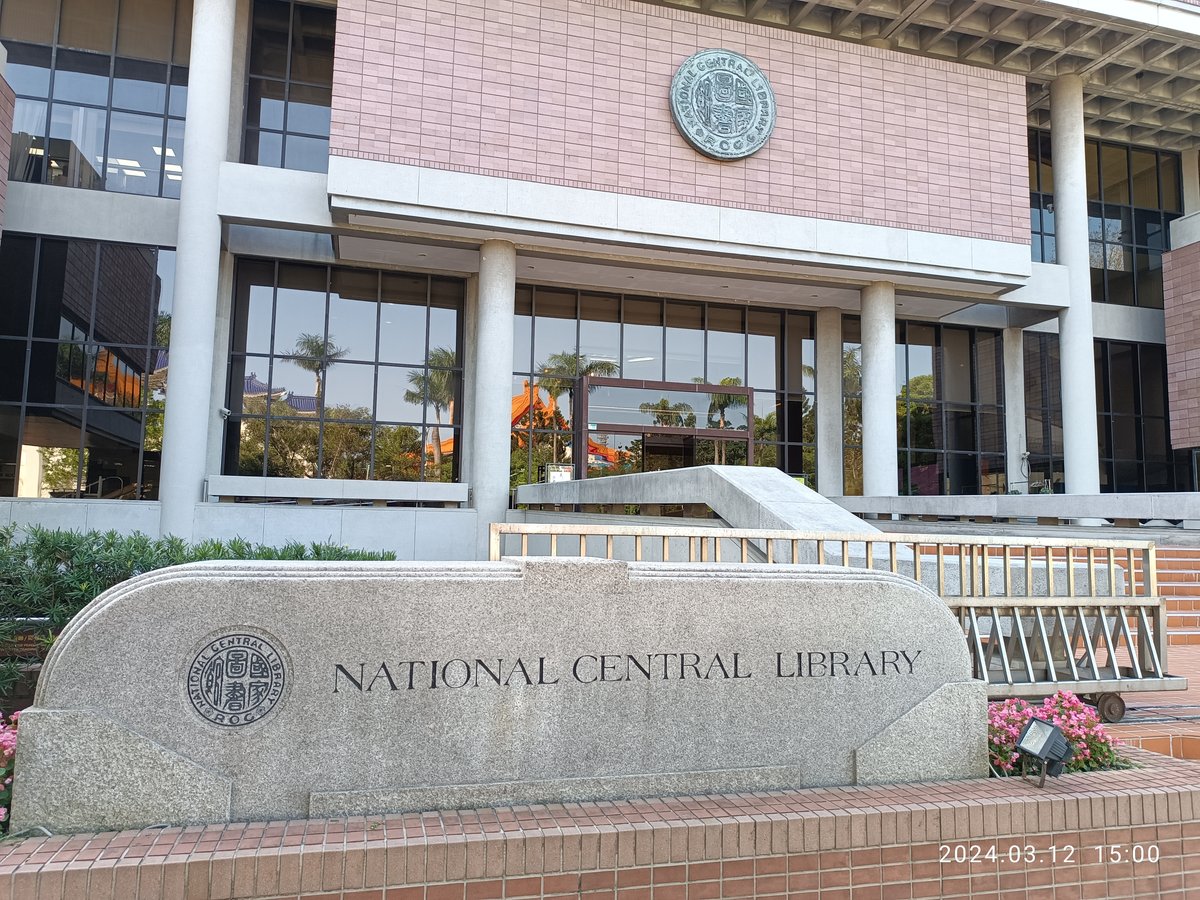
By the 1970s, the NCL gained formal national recognition and, due to space constraints, relocated to a new, purpose-built facility in Zhonghe District, New Taipei City, in 2004. With seven floors above ground and three below, the current building is Taiwan’s largest library, boasting over 60,000 square meters of space (National Taiwan Library). The NCL’s facilities and services have continued to grow, adding specialized centers and zones for research, multicultural resources, and lifelong learning (National Diet Library Annual Report).
Role in Culture and Academia
National Repository and Legal Deposit Function
As Taiwan’s legal depository, the NCL is responsible for collecting and preserving all publications produced in the Republic of China (Taiwan) (NCL History PDF). Its collections include books, periodicals, newspapers, government documents, rare Ming and Qing dynasty contracts, block prints, historical maps, and more.
Academic Research and Scholarly Exchange
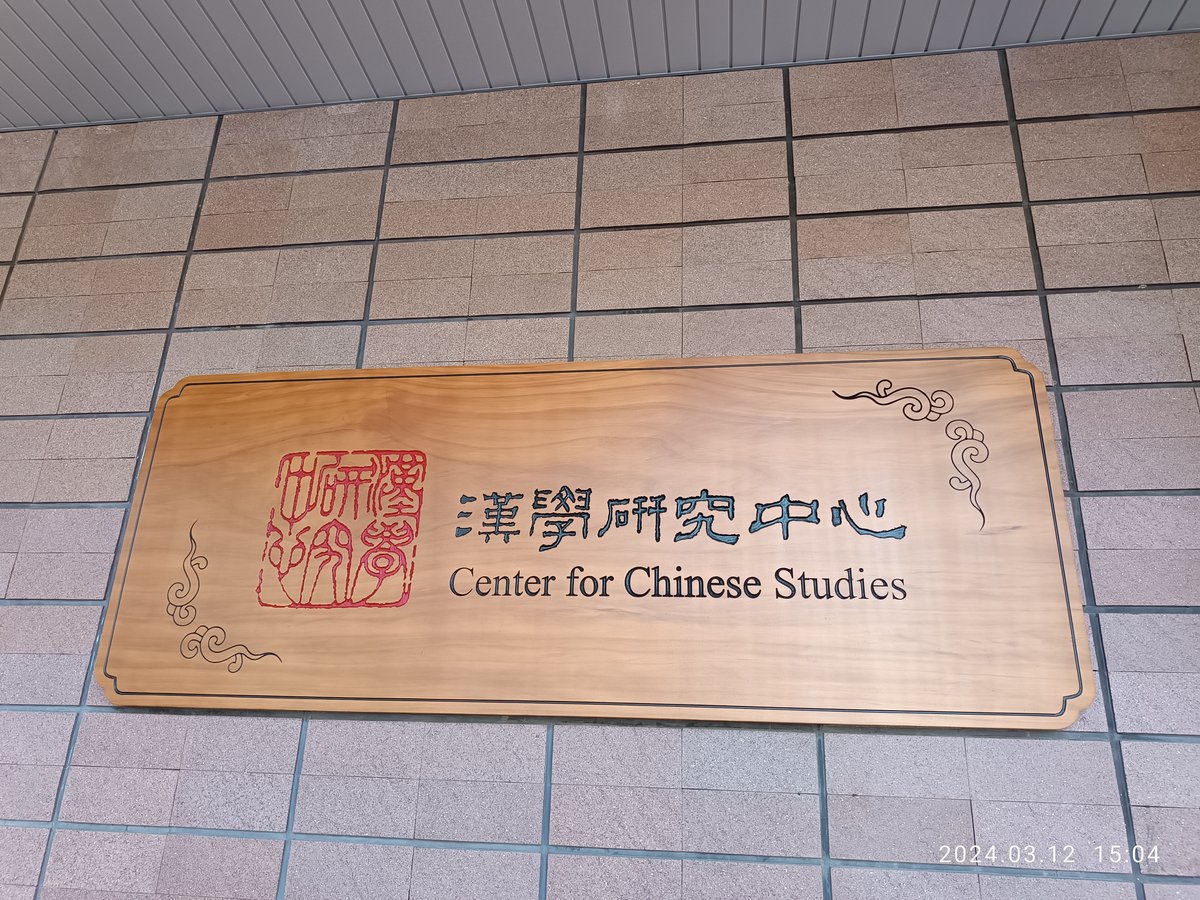
The NCL serves as a central hub for academic research and international scholarly exchange. Initiatives like the Taiwan eBook Database and the Taiwan Resource Center for Chinese Studies (TRCCS) expand access to rare materials and support global research in Chinese and Taiwan studies (Taiwan eBook Database, TRCCS, Taiwan Fellowship).
Digitization and Preservation
The NCL is at the forefront of digital archiving, working to safeguard fragile materials and provide global access through platforms like NBINet and the Taiwan Citation Index (Taiwan eBook Database, NCL History PDF). The library also supports the publishing industry through ISBN, CIP, and ISRC administration.
Cultural Promotion and Public Engagement
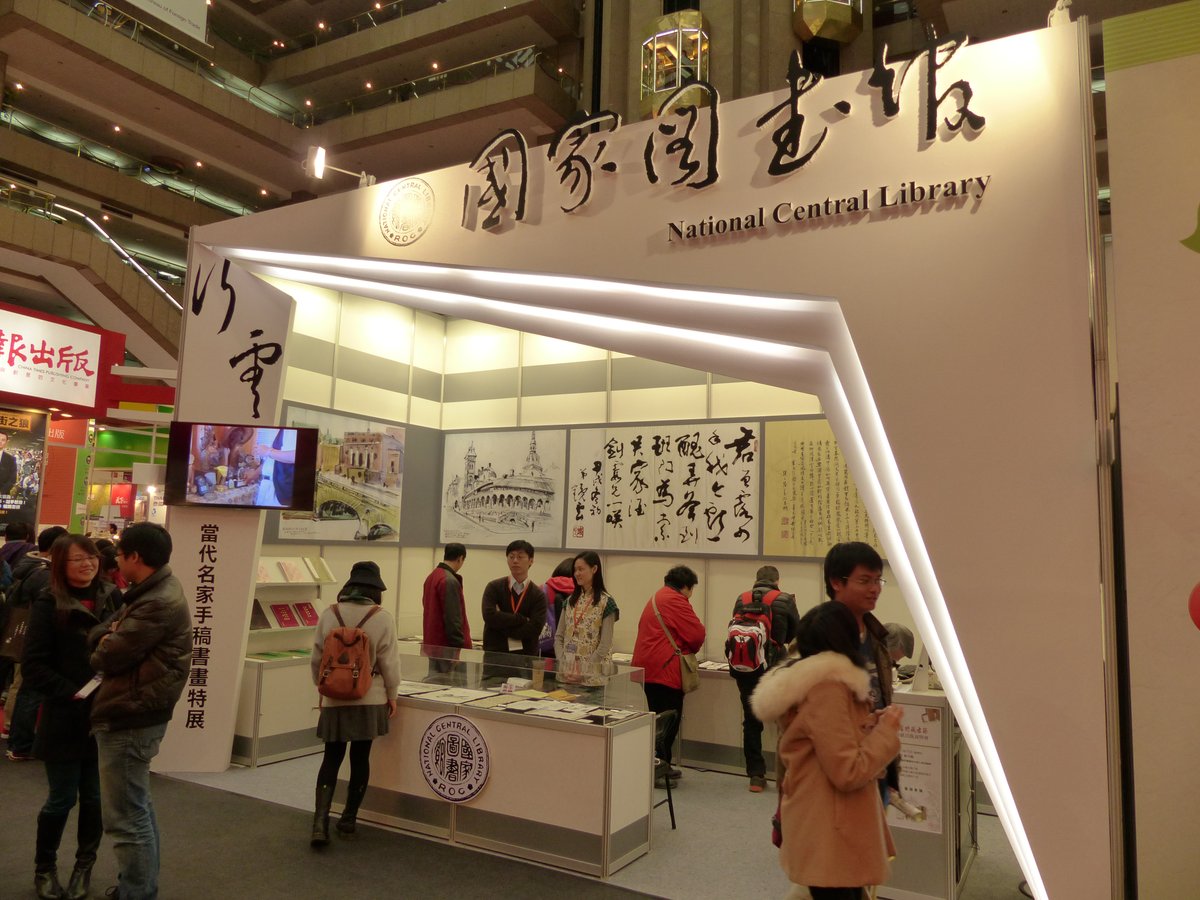
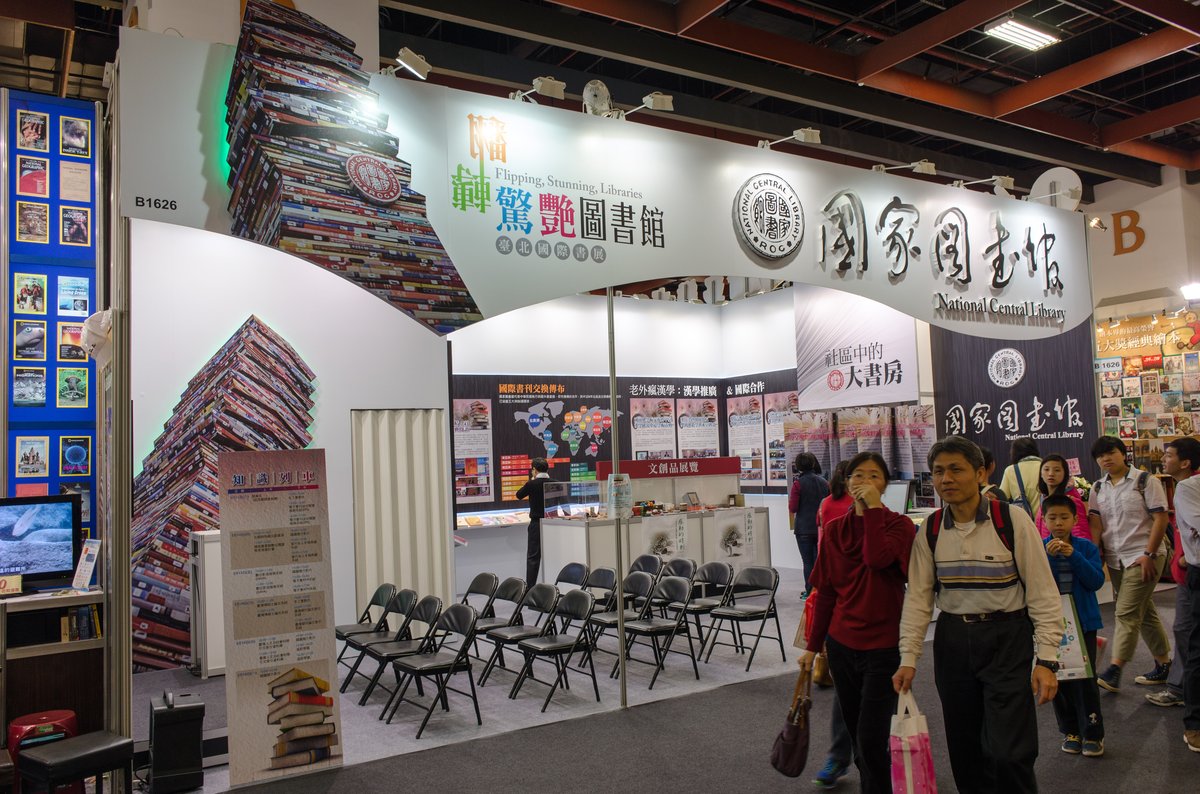
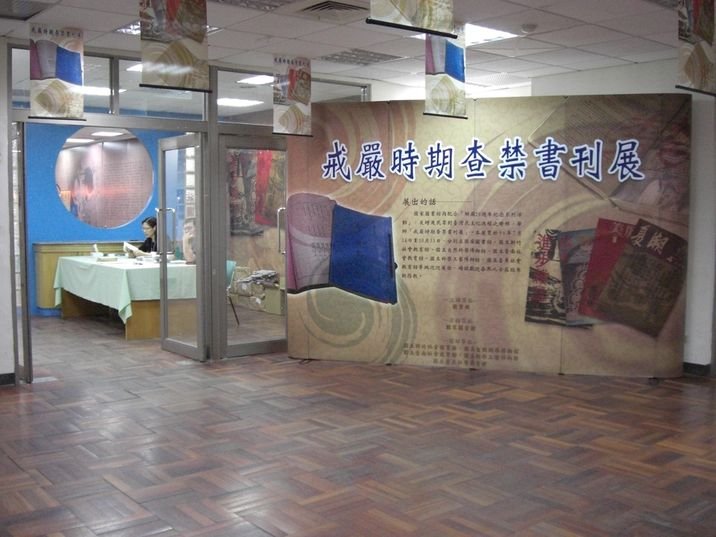
The NCL hosts exhibitions, lectures, and cultural activities to foster lifelong learning and community engagement. Specialized centers promote research in Taiwan studies and support multicultural and teen resources (NCL Events).
Visitor Information
Location and Accessibility
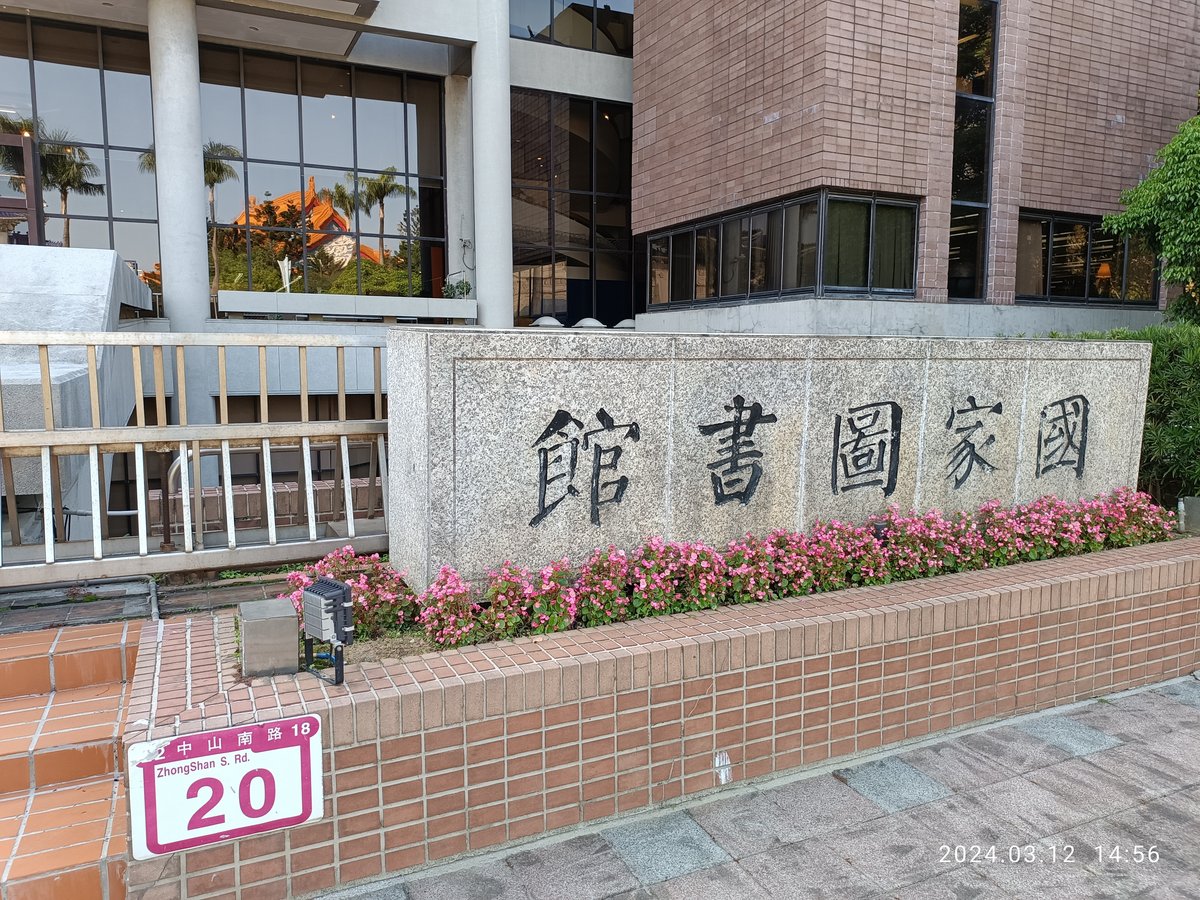
The NCL is located at No. 20, Zhongshan South Road, Zhongzheng District, Taipei City. It is a short walk from Chiang Kai-shek Memorial Hall MRT Station (Red and Green lines, Exit 2) and is also served by multiple bus routes. The library is wheelchair accessible, with ramps, elevators, and accessible restrooms throughout.
Visiting Hours and Admission
- Regular Hours Tuesday to Sunday, 9:00 AM to 9:00 PM.
- Closed Mondays and national holidays.
- Note Some reading rooms may have different hours; always check the official website for updates.
Admission is free for all visitors. Special exhibitions or events may require prior registration or a nominal fee.
Library Facilities and Services
- General Reading Rooms Spacious areas for study and reading.
- Rare Books and Special Collections Access may require registration and is subject to security protocols.
- Children’s and Teens’ Zones Family-friendly spaces with multilingual materials.
- Exhibition Halls Rotating displays on literature, history, and culture.
- Digital Resource Center Computers, e-books, and digital archives accessible to all.
- Cafeteria and Lounge Refreshments and relaxation spaces.
- Lockers Available for storing personal items; large bags are not permitted in reading rooms.
- Free Wi-Fi Throughout the building.
Visitor Registration
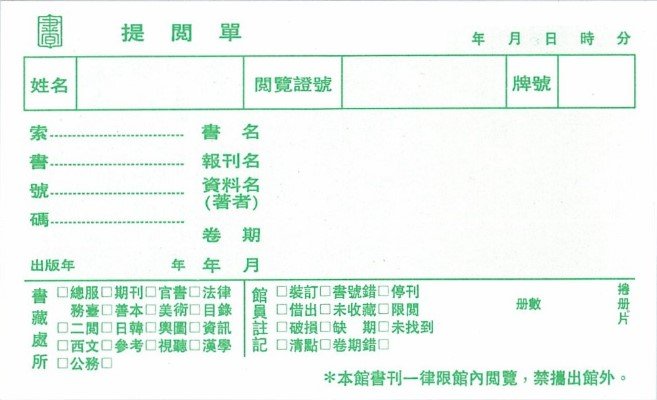
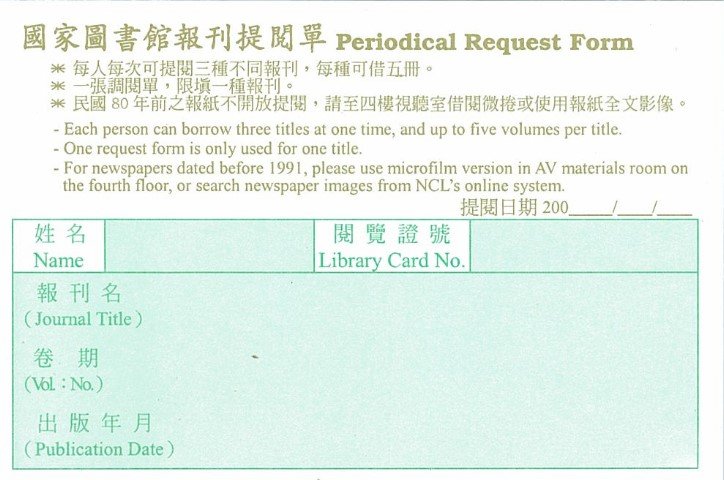
Anyone can enter the library and use public spaces. To borrow materials or access certain collections, a library card is required. Temporary visitor cards are available with a passport or valid ID.
Guided Tours and Events
Guided tours provide insights into the library’s collections and architecture and are available by prior arrangement. The library regularly hosts exhibitions, lectures, and workshops open to the public—check the event calendar for current offerings.
Accessibility Features
All public areas are accessible for visitors with disabilities, and services are available for those needing assistance. The library is committed to an inclusive experience for all.
Nearby Attractions and Travel Tips
Historical and Cultural Sites
- Chiang Kai-shek Memorial Hall Iconic landmark with gardens and historical exhibits.
- National Concert Hall and National Theater Venues for music, dance, and theater.
- 228 Peace Memorial Park A tranquil, historically significant park.
- Taipei Botanical Garden Ideal for nature lovers.
Practical Tips
- ID Required For library card registration.
- Dress Code Modest attire; silence observed in reading rooms.
- Photography Allowed in public areas; restricted in special collections.
- Weather Taipei in June is hot and humid with afternoon showers (Taiwan Obsessed); carry an umbrella and dress accordingly.
- Family-Friendly Children’s facilities and group tours are available.
- Safety Taipei is very safe, but do not leave personal belongings unattended (Reddit Travel).
Frequently Asked Questions (FAQ)
Q: What are the National Central Library’s visiting hours?
A: Tuesday to Sunday, 9:00 AM to 9:00 PM; closed Mondays and holidays. Check the official website for any changes.
Q: Is admission free?
A: Yes, general admission is free. Special events or exhibitions may require registration.
Q: Can tourists borrow books?
A: Yes, with a temporary visitor library card issued at the information desk.
Q: Is the library accessible for visitors with disabilities?
A: Yes, with ramps, elevators, and accessible restrooms.
Q: Are guided tours available?
A: Group tours can be arranged by prior appointment.
Q: Can I take photos inside?
A: Photography is permitted in public spaces but restricted in reading rooms and special collections.