Founding and Early Development (1886–1931)
The University of Deusto was founded in 1886 by Jesuits to meet the Basque community’s educational and cultural aspirations (Wikipedia). The Edificio Central, designed by Francisco de Cubas, became the heart of the campus, featuring a classical façade, cloisters, grand library, and a Gothic chapel (Spain.info).
Turbulence and Closure: The Second Republic & Civil War (1931–1940)
During the Second Spanish Republic and Civil War, Deusto was closed and repurposed for military and humanitarian uses. Academic activities resumed in 1940 (Times Higher Education).
Postwar Growth and Official Recognition (1940–1970s)
After reopening, Deusto expanded rapidly, gaining official recognition by the Holy See and the Spanish state in 1963. This allowed formal acknowledgment of its degrees and enabled the creation of new faculties, including Economics and Engineering (Wikipedia).
Expansion and Modernization
Deusto’s San Sebastián campus, with modern facilities like the Matteo Ricci Technology Building, was integrated in 1990. In 2009, the merger of ESTE and La Comercial created the Deusto Business School, cementing Deusto’s leadership in business education (Times Higher Education).
Deusto’s Educational Significance
With its Jesuit heritage centered on wisdom, faith, and social justice, Deusto has been pivotal in shaping Basque society. Its research centers, such as the Orkestra Institute, drive regional innovation (Orkestra).
Location and Getting There
The Bilbao campus is located at Avenida de las Universidades, 24, 48007 Bilbao, directly across the river from the Guggenheim Museum (official website). The site is easily accessible by metro (Deusto station, Line 1), tram, bus, and on foot via the Zubizuri footbridge (TravelHotelExpert; Bilbao transport info). Parking is limited, but nearby hotels offer paid options.
Architectural Highlights
- Edificio Central The main building, dating to 1886, features a grand classical façade, monumental staircases, and ornate interiors.
- Deusto University Library Designed by Rafael Moneo and opened in 2009, this glass structure is a modern landmark that dialogues with the Guggenheim Museum (architecture details).
- Chapel Reflects the university’s Jesuit roots with its tranquil, Gothic-inspired architecture.
- San Sebastián Campus Known for avant-garde design and the Matteo Ricci Technology Building.
Integration with Bilbao
Deusto’s riverside setting is at the heart of Bilbao’s urban renaissance, with the campus blending historic and contemporary architecture and contributing to the city’s cultural vibrancy.
Visitor Information
Visiting Hours & Tickets
- Bilbao Campus Monday–Friday, 9:00 AM – 7:00 PM
- San Sebastián Campus Monday–Friday, 9:00 AM – 6:00 PM
- Monument Daily, 9:00 AM – 7:00 PM
Access is generally free, though guided tours and special exhibitions may require advance booking and a small fee (official website).
Guided Tours
Available on request and scheduled weekends (11:00 AM and 3:00 PM), tours offer insights into the university’s history and architecture. Book through the university’s Visitor Services (Deusto Life blog).
Accessibility
The campus is wheelchair accessible, with ramps, elevators, and accessible restrooms. Notify Visitor Services in advance for special accommodations.
Safety & Visitor Comfort
Bilbao is a safe city. The campus is well-lit, with security staff present. Assistance and orientation services are available for visitors.
Campus Facilities
- Learning Spaces Modern lecture halls, study areas, and specialized labs.
- Sports & Recreation On-campus gyms, sports courts, and green spaces.
- Dining Multiple cafeterias and nearby pintxos bars in the Deusto and Abando districts (Deusto Life Foodie List).
- Accommodation Options range from on-campus residences to nearby hotels and studios (TravelHotelExpert).
Nearby Attractions & Travel Tips
- Guggenheim Museum Across the river, a must-visit for art and architecture.
- Zubizuri Bridge Iconic pedestrian bridge by Santiago Calatrava.
- Casco Viejo Bilbao’s charming Old Town, filled with shops and eateries.
- Euskalduna Palace Modern conference and concert venue.
- Riverside Promenade Ideal for walking and photography.
Travel Tips:
- Spring and early autumn are the best times to visit.
- Wear comfortable shoes and check the university website for event updates.
- Public transport with a Barik card is recommended.
Deusto Monument: History & Visitor Info
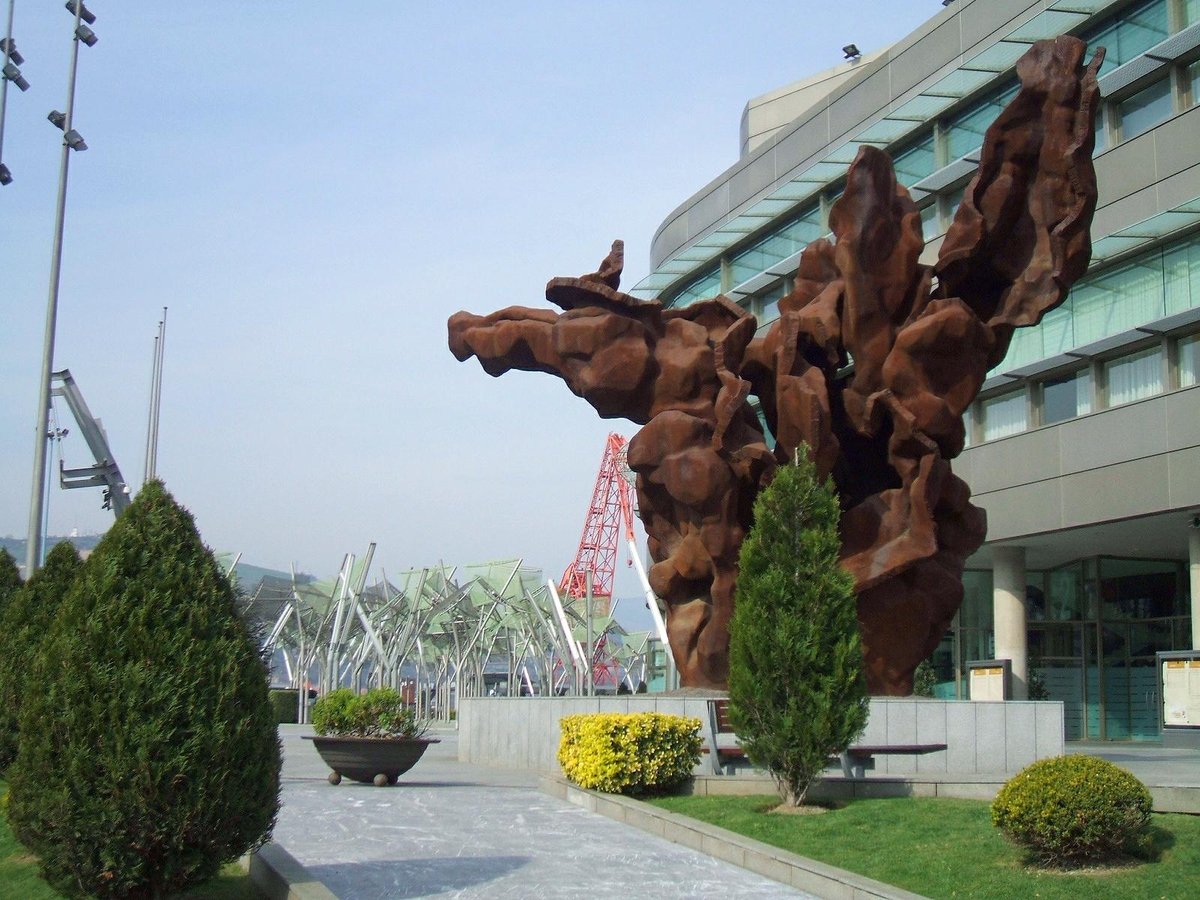
The University of Deusto Monument, commemorating the university’s founding, symbolizes its dedication to wisdom and social justice. Located on the Bilbao campus, it is open daily (9:00 AM–7:00 PM) with free admission and guided tours on weekends. It often serves as a focal point for university events and cultural programs.
How to Get There:
The monument is reached via the Deusto metro station (Line 1), a five-minute walk from campus.
Nearby:
Guggenheim Museum, Casco Viejo, and San Mamés Stadium are all within walking distance.
Practical Tips for Visitors
- Language Spanish, Basque, and English are widely used.
- Dress Code Casual, but respectful attire for chapel and formal events.
- Wi-Fi Free campus-wide; request access at reception.
- Photography Allowed in public areas for non-commercial use.
- Health Basic medical services are available on campus; Hospital de Basurto is nearby.
Frequently Asked Questions (FAQ)
Q: What are the University of Deusto’s visiting hours?
A: Monday–Friday, 9:00 AM–7:00 PM (Bilbao), 9:00 AM–6:00 PM (San Sebastián). The Deusto Monument is open daily 9:00 AM–7:00 PM.
Q: Is campus access free?
A: General access is free; guided tours and some events may require tickets.
Q: Are guided tours available?
A: Yes, on request and weekends. Reserve through the university website or Deusto Life blog.
Q: Is the campus accessible to visitors with disabilities?
A: Yes, with ramps, elevators, and accessible restrooms.
Q: Can I take photographs on campus?
A: Non-commercial photography is allowed in public areas.