Architectural and Historical Background
Origins and Construction
Diputación 8, located at Gran Vía Don Diego López de Haro, 25, was inaugurated in 1900, the work of architect Luis Aladrén. Its construction marked a turning point in Bilbao’s transition into a modern metropolis, reflecting the city’s burgeoning economic and administrative importance at the dawn of the 20th century (Spain.info).
Architectural Style and Features
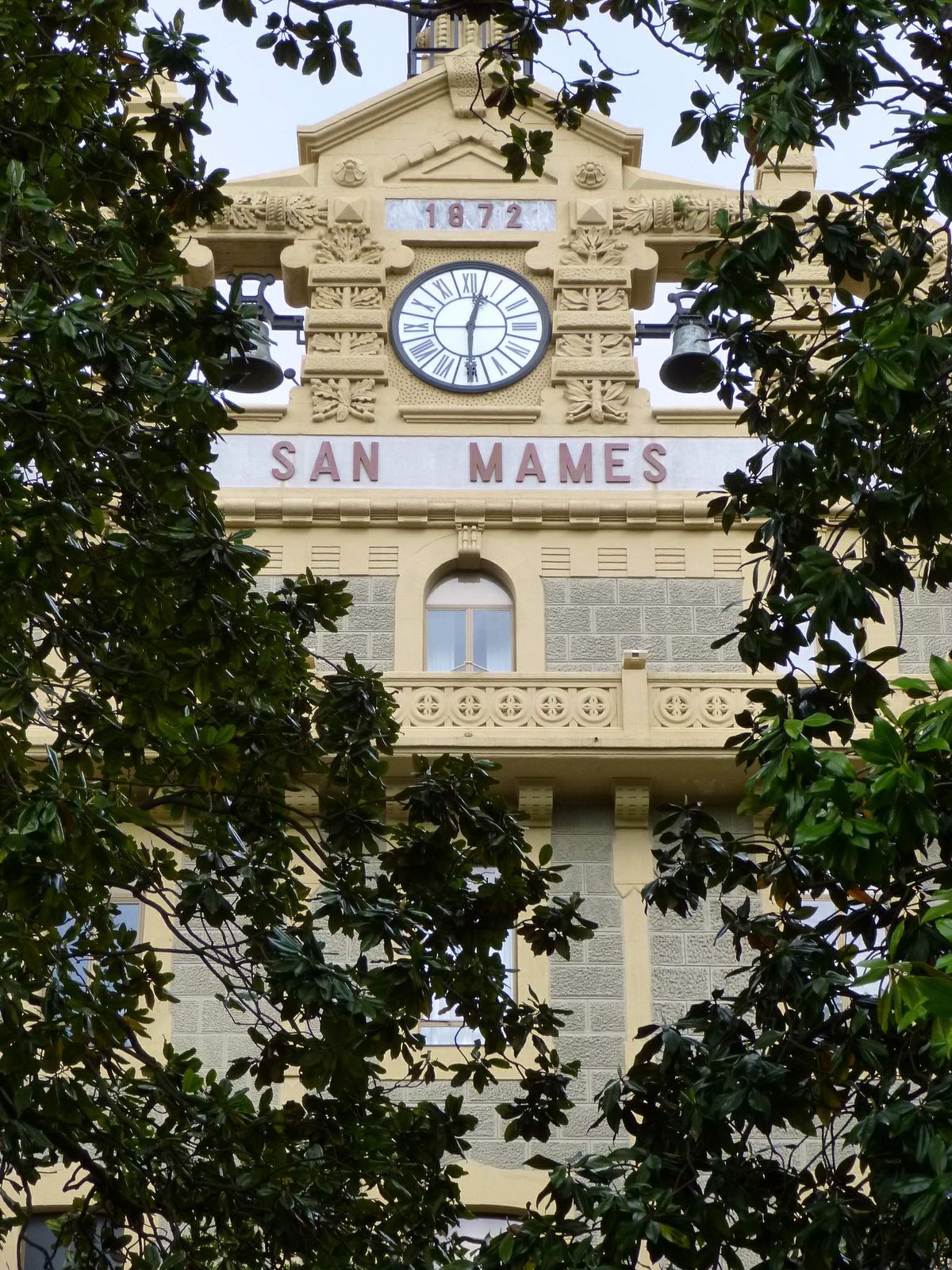
The building exemplifies Eclecticism, harmoniously blending elements from multiple artistic periods. Its elegant façade features grand windows and a prominent balcony, while the interiors dazzle with a monumental staircase, marble, wood, stucco, and stained glass. Artworks from the late 19th century and decorative details reinforce its status as a symbol of Bilbao’s prosperity and civic ambition.
Administrative Significance
Role as Provincial Headquarters
Diputación 8 serves as the administrative headquarters of the Diputación Foral de Bizkaia, overseeing taxation, social services, economic development, cultural promotion, and more. It houses the Diputada General (head of the council) and multiple departments, playing a pivotal role in the governance of Biscay (Bizkaia.eus).
Core Functions
- Taxation & Finance Managing local taxes and fiscal policy (Bizkaia.eus - Hacienda).
- Social Services Support for families, elderly, and vulnerable groups.
- Economic Development Entrepreneurship, innovation, and business support.
- Infrastructure & Mobility Overseeing Bizkaibus, road networks, and public transport.
- Environmental Policies Biodiversity, rural development, and emergency services (Bizkaia.eus - Sostenibilidad).
- Culture & Language Promotion of Basque language and cultural events.
Symbolism and Civic Identity
Basque Autonomy
Diputación 8 is a modern representation of the Basque “fueros” (regional rights). Its imposing presence and central location symbolize the enduring autonomy and distinct identity of the Basque Country, enshrined in the Spanish Constitution and the Statute of Autonomy (Bizkaia.eus).
Cultural and Social Hub
The building hosts exhibitions, public events, and citywide celebrations, such as European Heritage Days. It is a focal point for civic life and a custodian of Biscay’s traditions (Bizkaia.eus - Noticias).
Notable Events and Milestones
Key Moments
Since its inauguration in 1900, Diputación 8 has witnessed milestones including the restoration of Basque self-government and pivotal political agreements. Recent years have seen the building embrace digitalization, transparency, and citizen engagement, enhancing its role in contemporary governance (Bizkaia.eus - Participación y transparencia).
Visitor Experience and Accessibility
Location and Access
Centrally located on Gran Vía, Diputación 8 is easily accessed via public transport—metro (Moyúa, Abando), tram, bus, and is near the Abando railway station (Bilbao Turismo; Spain.info).
Visiting Hours and Tickets
- General Access Monday to Friday, 9:00 AM – 6:00 PM (primarily for administrative purposes).
- Guided Tours Available during special events (e.g., European Heritage Days), typically from 10:00 AM – 2:00 PM. Advance reservation is advised.
- Admission Free. Check Bizkaia.eus for schedules and booking.
Accessibility
Bilbao is highly accessible, with elevators, ramps, tactile paving, and adapted public transport. Diputación 8 complies with accessibility regulations (Sustainability Spain; Visit Biscay Accessibility).
Practical Tips
- Photography The exterior is a popular photo spot; interior photography may be restricted.
- Nearby Attractions Combine your visit with the Guggenheim Museum, Fine Arts Museum, and Casco Viejo.
- Transport Utilize Bilbao’s efficient public networks for easy travel.
- Visitor Services The main tourist office at Plaza Circular 1 provides maps, guides, and the Bilbao Bizkaia Card (Bilbao Turismo).
Impact on Bilbao’s Urban Landscape
Urban Development
The construction of Diputación 8 helped transform Gran Vía into Bilbao’s civic and commercial core, contributing to the district’s prestige and serving as a catalyst for further development (Spain.info).
Modern Integration
Despite its historic roots, Diputación 8 adapts to contemporary needs, remaining a vibrant part of Bilbao’s identity and a must-see site for visitors.
Frequently Asked Questions (FAQ)
Q: What are the visiting hours for Diputación 8?
A: Monday to Friday, 9:00 AM – 6:00 PM for administrative purposes; guided tours during special events.
Q: Is there an entrance fee?
A: No, admission is free. Guided tours may require prior reservation.
Q: Is Diputación 8 accessible?
A: Yes, the building and public transport are accessible.
Q: Can I take photographs inside?
A: Exterior photography is encouraged; interior photography may be restricted.
Q: What attractions are nearby?
A: Guggenheim Museum, Fine Arts Museum, Plaza Moyúa, Doña Casilda Park, Zubizuri Bridge.
Explore More
Check AllEvents.in for current festivals, concerts, and exhibitions.
Practical Visitor Information
- Tourist Office Contact +34 944 795 760 / WhatsApp +34 608 20 38 99 / [email protected] (Bilbao Turismo)
- Emergency 112
- Accessible Tourism Resources Visit Biscay Accessibility
Getting There
- By Metro Moyúa and Abando stations.
- By Bus/Tram Multiple stops on Gran Vía.
- From Airport Bizkaibus A3247 to Plaza Moyúa.
Parking
- Underground parking at Plaza Moyúa, El Corte Inglés.
- Street parking is regulated; use public transport where possible (Authentic Basque Country).
Dining & Shopping
- Gran Vía and nearby streets offer a range of dining, from pintxos bars to Michelin-starred restaurants (El Correo).
- Mercado de la Ribera is a top spot for Basque cuisine and local products.
Accommodation
- Options range from luxury hotels to budget hostels; many offer accessible facilities (Go Ask a Local).