About Deusto
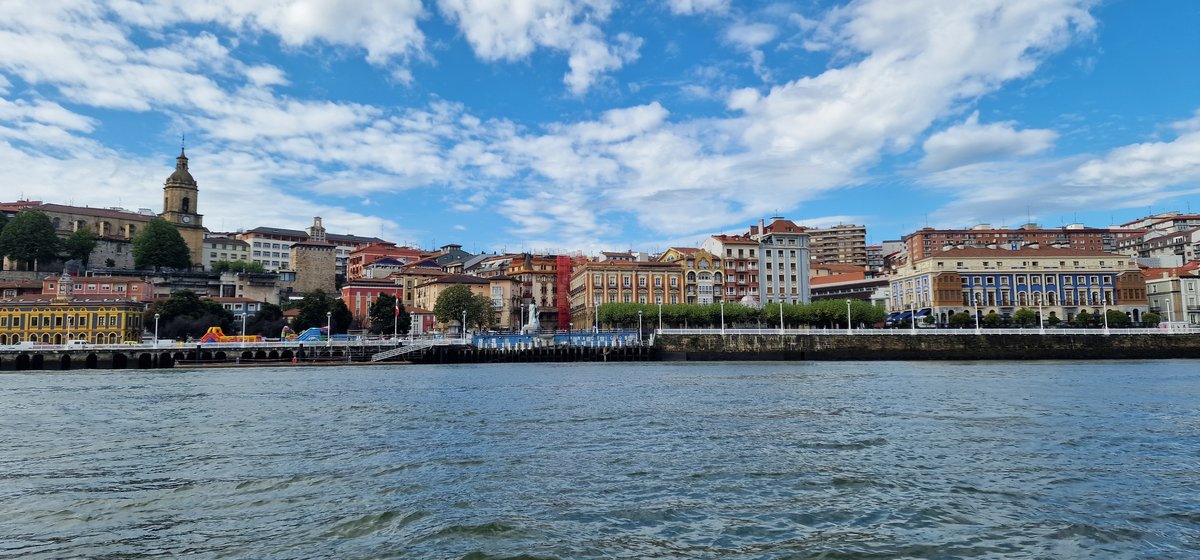
Deusto is a district on the right bank of the Nervión River in Bilbao, Spain. Originally an independent municipality, it was annexed by Bilbao in 1925. Today, it combines historic architecture, student life, Basque traditions, and contemporary urban development. The district is connected to the rest of Bilbao by public transport and pedestrian routes.
For official updates and event calendars, see the University of Deusto official site, Spain.info, and Wikipedia: Deusto.
History
From riverside settlement to Bilbao district
Deusto’s position beside the river made it important for trade and communication, particularly during Bilbao’s industrial boom. Its annexation in 1925 enabled coordinated urban planning and infrastructure growth, and the district developed into an educational and innovation hub (Wikipedia: Deusto).
Industrialization in the late 19th and early 20th centuries brought factories, shipyards, and warehouses to Deusto. Some of these industrial sites have since been repurposed for cultural or technological uses (Orkestra: Zorrotzaurre Case Analysis).
The University of Deusto
Founded in 1886 by the Society of Jesus, the University of Deusto became a center of academic activity. Its main riverside building, designed by Francisco de Cubas, faces the Guggenheim Museum. In 1916, the university established Spain’s first business school, influencing national education and economic development (Times Higher Education: University of Deusto).
During the Spanish Civil War, the university closed and its buildings were used for military and humanitarian purposes. Academic activities resumed in 1940. The university subsequently expanded, establishing new faculties and developing its role in research and innovation (Wikipedia: University of Deusto; EduRank: University of Deusto).
Zorrotzaurre’s transformation
Zorrotzaurre was historically an industrial zone and experienced economic decline in the late 20th century. In 2004, a master plan led by Zaha Hadid and local stakeholders began its transformation into a sustainable, mixed-use “eco-city.” In 2018, Zorrotzaurre became an island to mitigate flooding. Redevelopment combines new homes and green spaces with preserved industrial heritage (Mas Context: A New Zorrotzaurre).
What to see
University of Deusto Main Building
The university’s neo-Renaissance main building houses a Gothic chapel and historic library. It is described as a site of historical interest and is a central part of Deusto’s identity (Times Higher Education: University of Deusto).
Zorrotzaurre’s industrial heritage
Repurposed warehouses and factories now serve as studios, cultural venues, and innovation centers. The redevelopment preserves the area’s industrial character while introducing modern amenities (Orkestra: Zorrotzaurre Case Analysis).
Deusto Bridge and riverfront
The Deusto Bridge (Puente de Deusto), completed in 1936, connects Deusto with central Bilbao and offers views of the Guggenheim Museum. The riverside promenade is fully accessible and popular for walks and photography (Lonely Planet: Guide to Bilbao).
Parks and recreation
Sarriko Parkea, Botica Vieja Park, and the riverside promenades provide space for relaxation, jogging, and family outings. Nearby hills have hiking trails with panoramic city views.
Culture and education
The university’s international student body contributes to the district’s cosmopolitan atmosphere. Cultural venues host festivals, lectures, and exhibitions celebrating Basque heritage and innovation. Zorrotzaurre’s development as an innovation district is part of the area’s wider urban transformation (Mas Context: A New Zorrotzaurre).
Practical visiting information
University of Deusto
- Main building hours Weekdays, 9:00–18:00.
- Guided tours Available by appointment; book through the university website.
- Admission Campus and chapel entry is free. Some events or exhibitions may require tickets.
- Accessibility Ramps and elevators are available throughout campus.
Zorrotzaurre
- Access Open year-round with free public entry; it is also described as open at all times.
- Guided tours Available seasonally and bookable through local tourism offices, especially during festivals or summer.
- Accessibility Wheelchair-friendly, with smooth, pedestrianized zones.
Getting around and useful contacts
Metro, tram, and pedestrian bridges connect Deusto to the city. Public spaces and transport are wheelchair accessible. Deusto can be reached by Metro Line 1, including the Deusto and Sarriko stations, as well as by tram and bus.
- Bilbao Tourist Office Official website
- Metro Bilbao Official website
- University of Deusto Official website
- Emergency services Dial 112
Interactive maps, virtual tours, and photo galleries are available on official websites, including the University of Deusto and Bilbao tourism portals. Photo spots include Deusto Bridge and the university’s riverside façade.
Tips and events
Spring and autumn offer pleasant weather and fewer crowds. Local bars and markets serve Basque pintxos and regional cuisine; many local eateries also offer vegetarian and vegan options. A Barik card provides discounted public transport. Walking and cycling are popular ways to get around Deusto.
Events include:
- Aste Nagusia (Great Week) August festival with concerts and parades.
- University events Public lectures and exhibitions take place year-round.
Check the University of Deusto events calendar and Spain.info for current listings. For updates and navigation aids, the guide also recommends downloading the Audiala app and following official resources.
Nearby places
- Guggenheim Museum Bilbao Modern art museum across the river.
- Casco Viejo (Old Town) Historic quarter with markets and shops.
- Euskalduna Palace Concert and conference venue.
- San Mamés Stadium Guided tours are available for football fans.
FAQs
What are the visiting hours for Deusto’s main sites?
The University of Deusto is open weekdays from 9:00–18:00. Zorrotzaurre is open at all times. Check museum websites for specific hours.
Are tickets required?
No tickets are required for general campus or Zorrotzaurre access. Some tours or exhibitions may require tickets.
Is Deusto accessible by public transport?
Yes. It is served by Metro Line 1, including Deusto and Sarriko stations, as well as trams and buses.
Is the area safe for tourists?
Yes; standard city precautions apply.
Are vegetarian or vegan dining options available?
Yes. Many local eateries offer these options.