
Bilbao Before the Guggenheim: Industrial Roots and Urban Decline
Bilbao, once a vital industrial hub in Spain’s Basque Country, was defined by shipyards, steelworks, and busy port activity along the Nervion River. By the 1980s, deindustrialization left the city grappling with high unemployment, environmental degradation, and social unrest. The river, central to Bilbao’s economy and identity, became heavily polluted, and the urban landscape was marked by abandoned factories and a declining population (BBC; futurearchi.blog; museemagazine.com).
Faced with crisis, Bilbao’s leaders charted a bold new course: investing in culture, urban renewal, and tourism to catalyze economic and social revival.
The Genesis of the Guggenheim Museum Bilbao
Vision and Partnership
Seeking a signature project to spearhead Bilbao’s rebirth, the Basque government and city officials partnered with the Solomon R. Guggenheim Foundation. In a groundbreaking agreement, local authorities funded the museum’s construction and operational costs, while the Foundation contributed expertise, management, and access to its prestigious art collections (Britannica). The project sparked debate over public funding but ultimately reflected a shared vision of Bilbao as a global cultural destination.
Selecting Frank Gehry
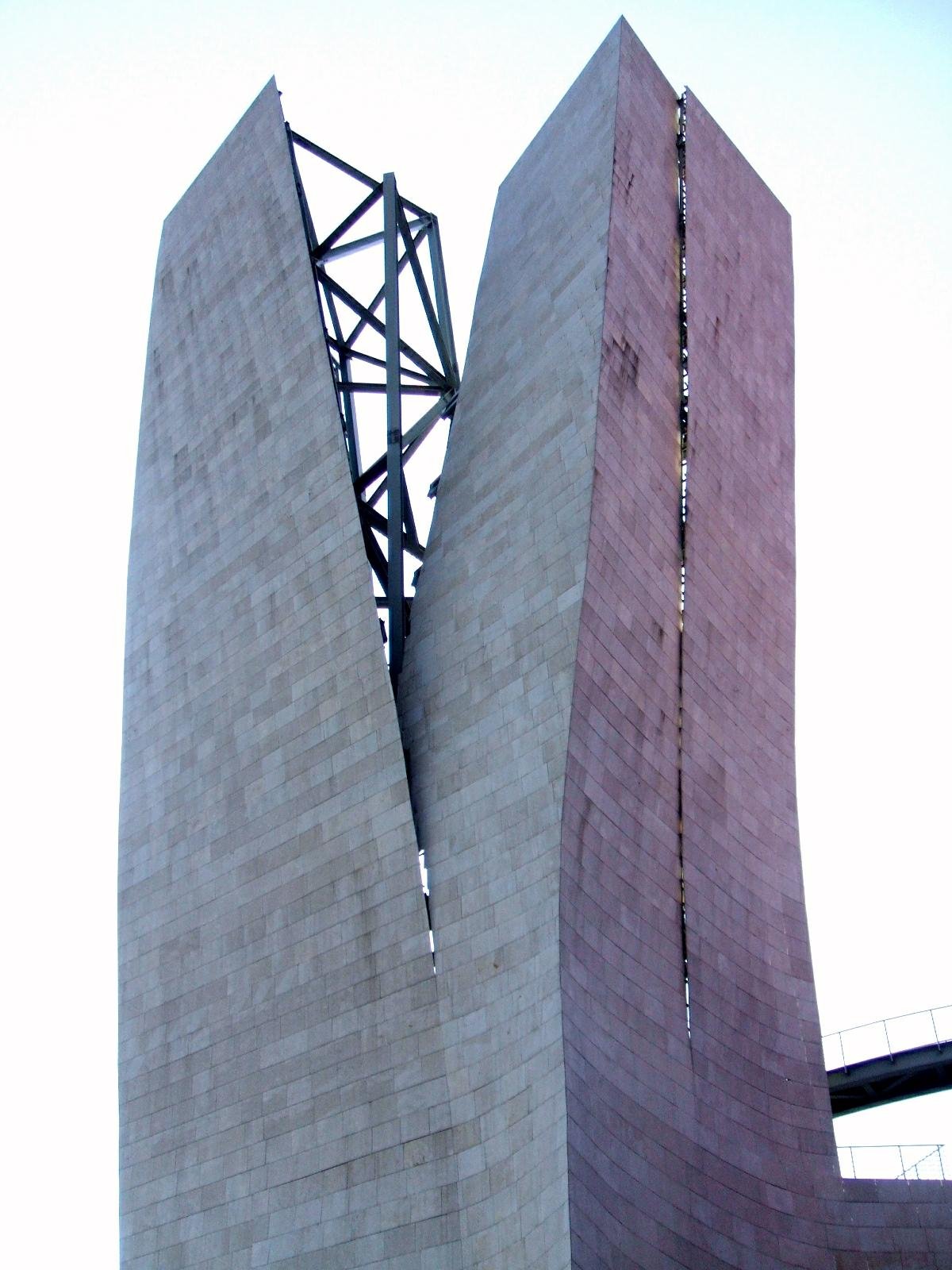
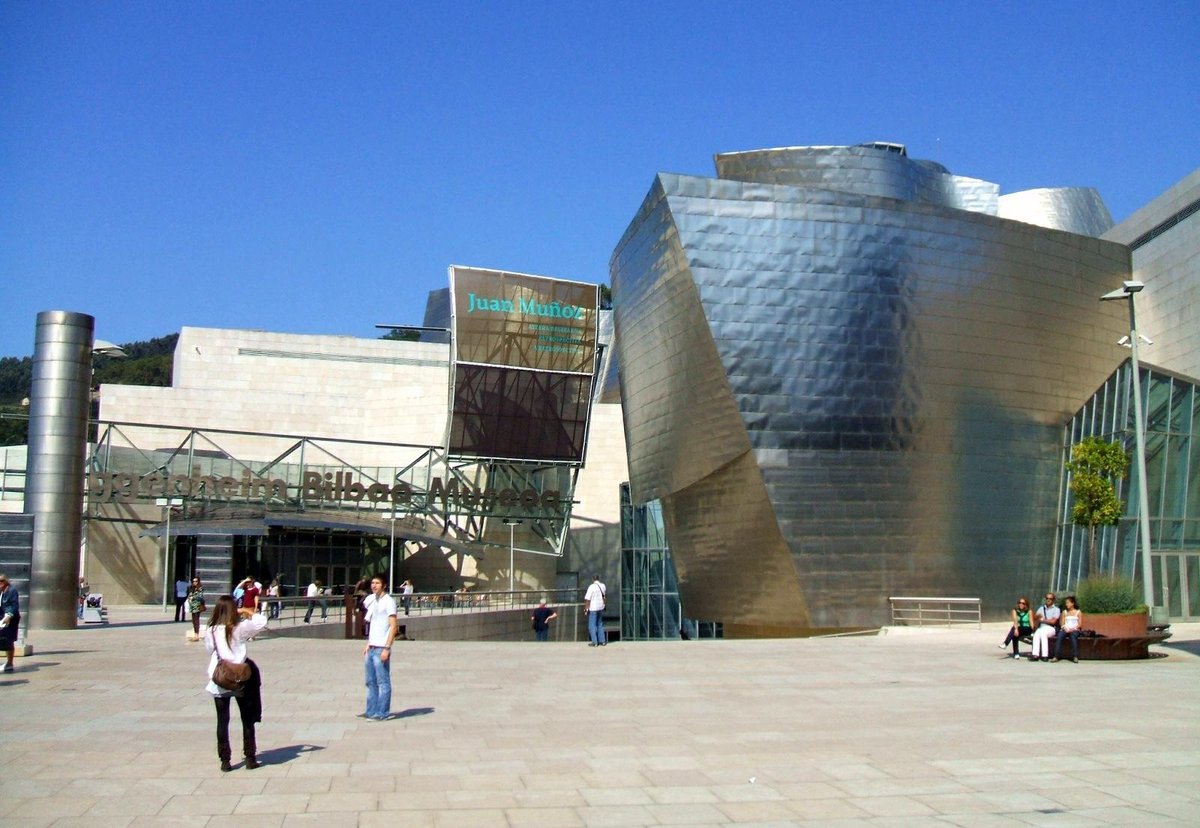
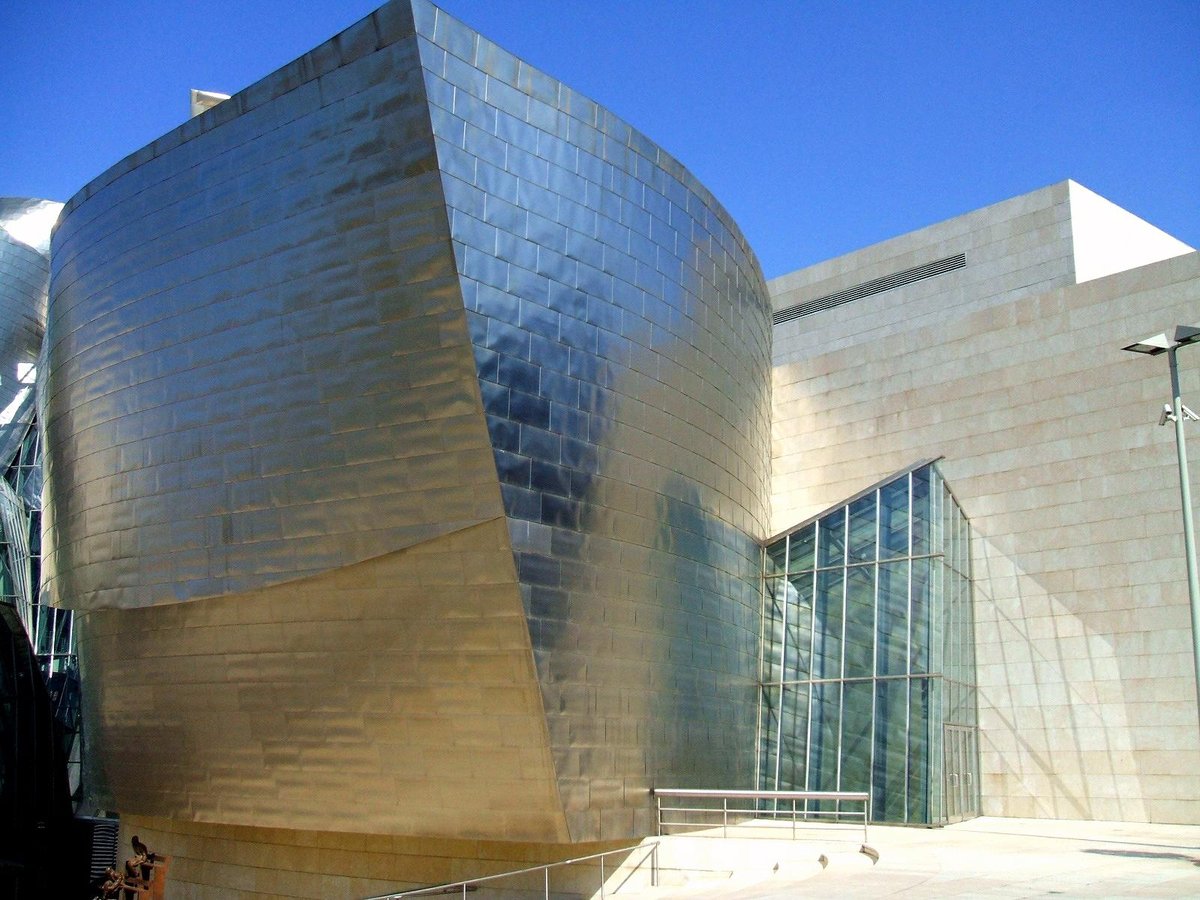
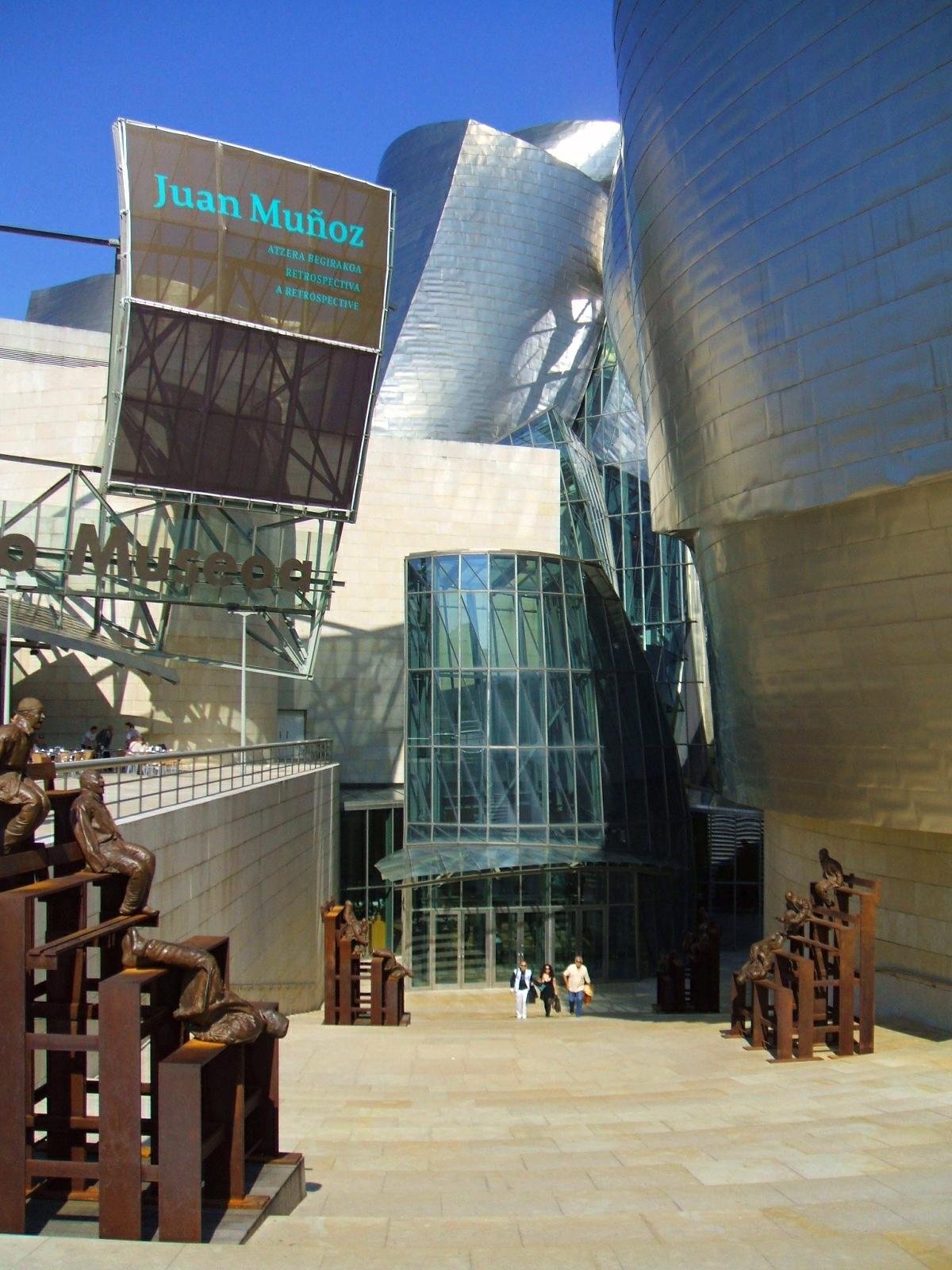
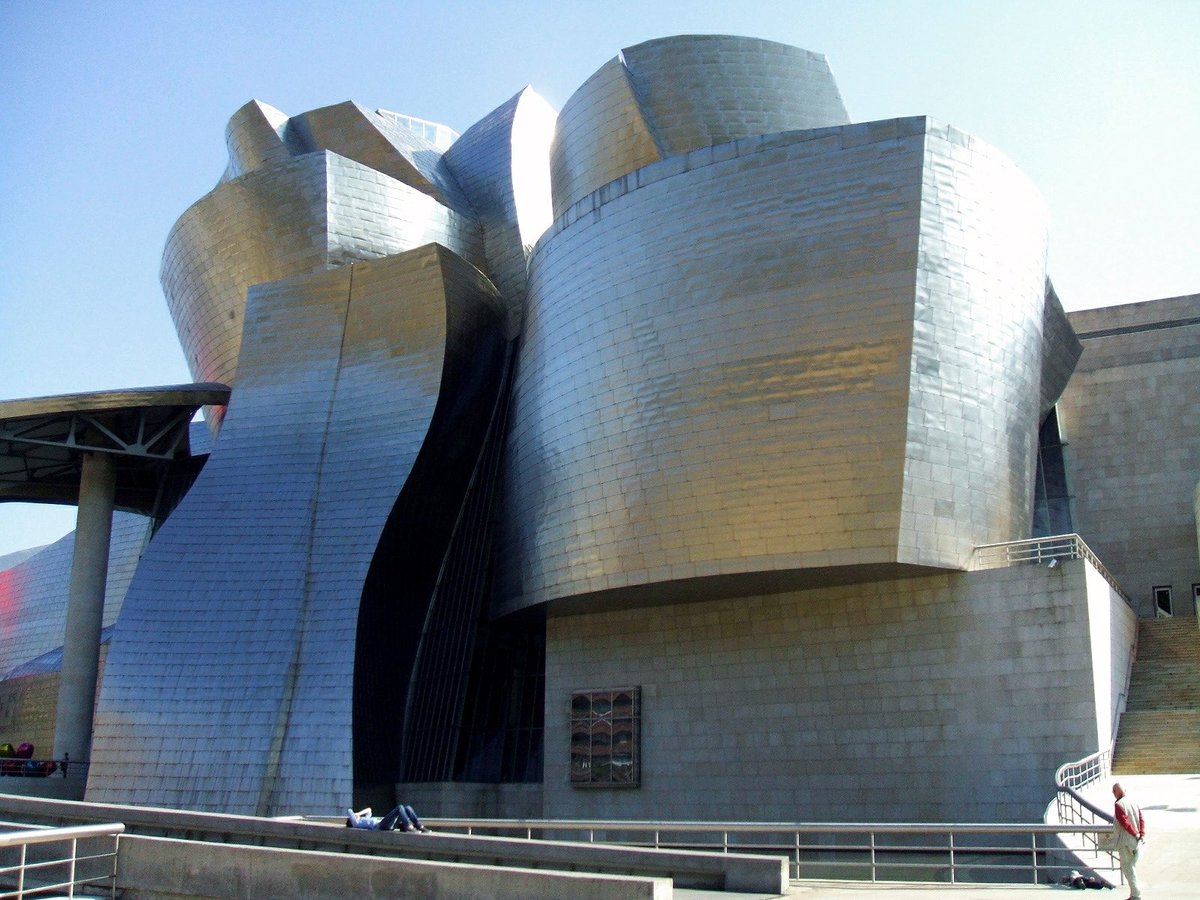
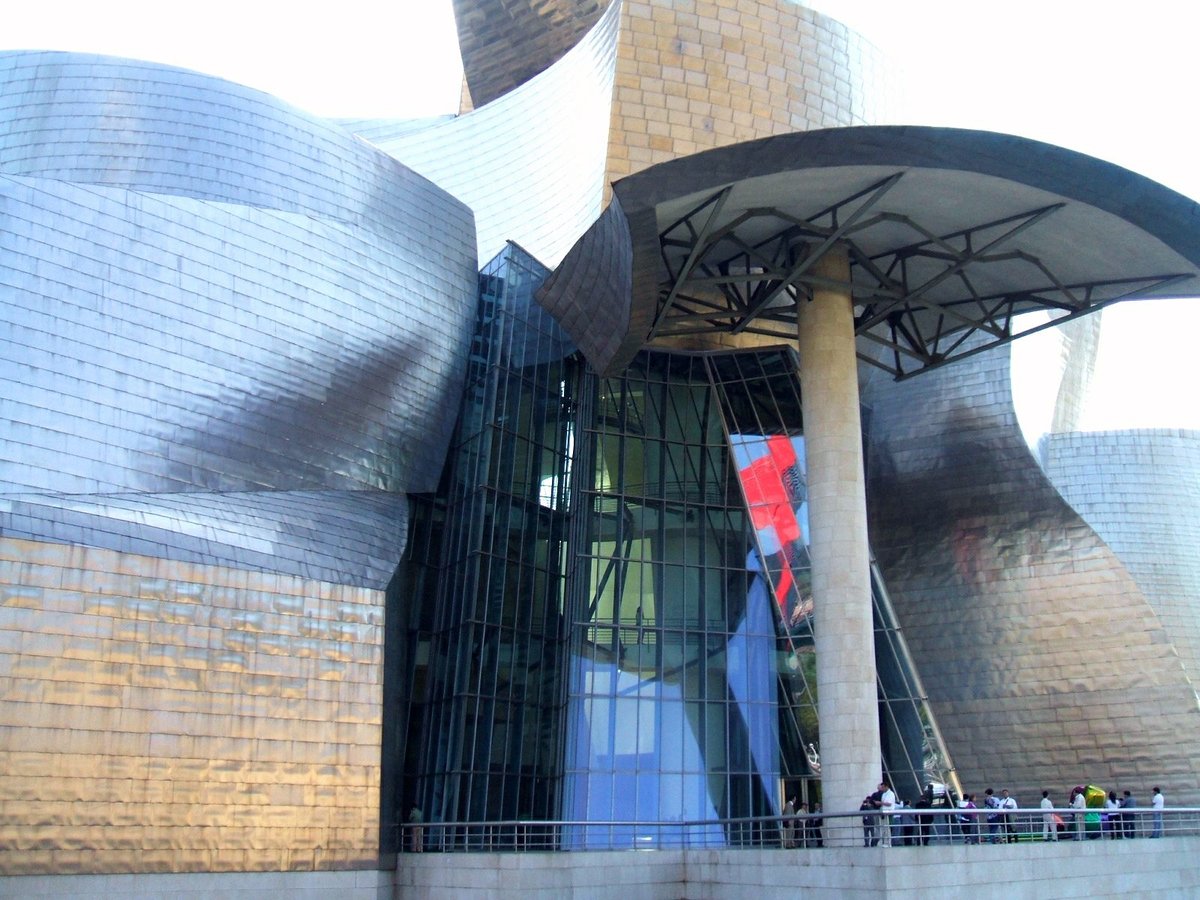
Frank Gehry, known for his daring, sculptural approach to architecture, was chosen to design the museum. His concept—sweeping titanium curves reminiscent of ships and fish—paid homage to Bilbao’s maritime heritage while embodying innovation (snaptrude.com; museemagazine.com).
Construction and Engineering Feats
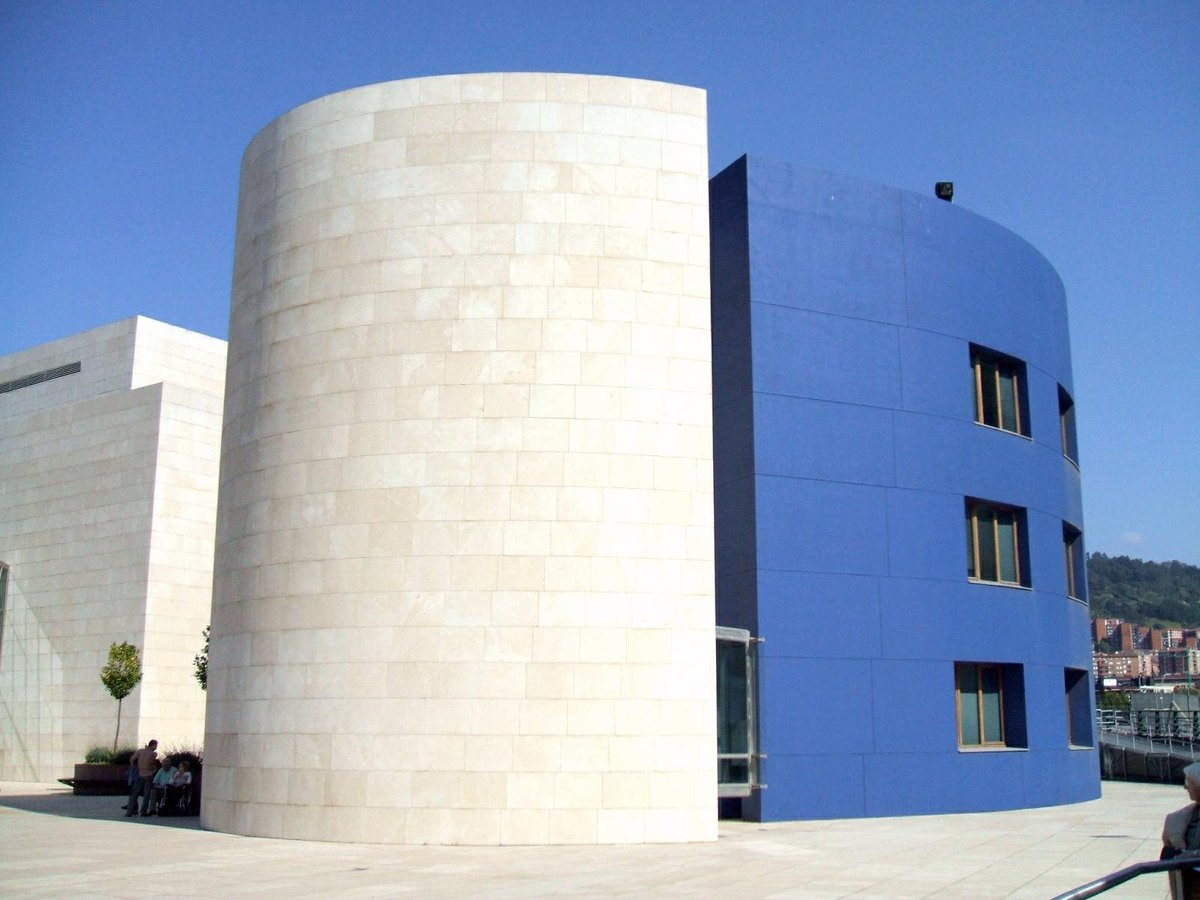
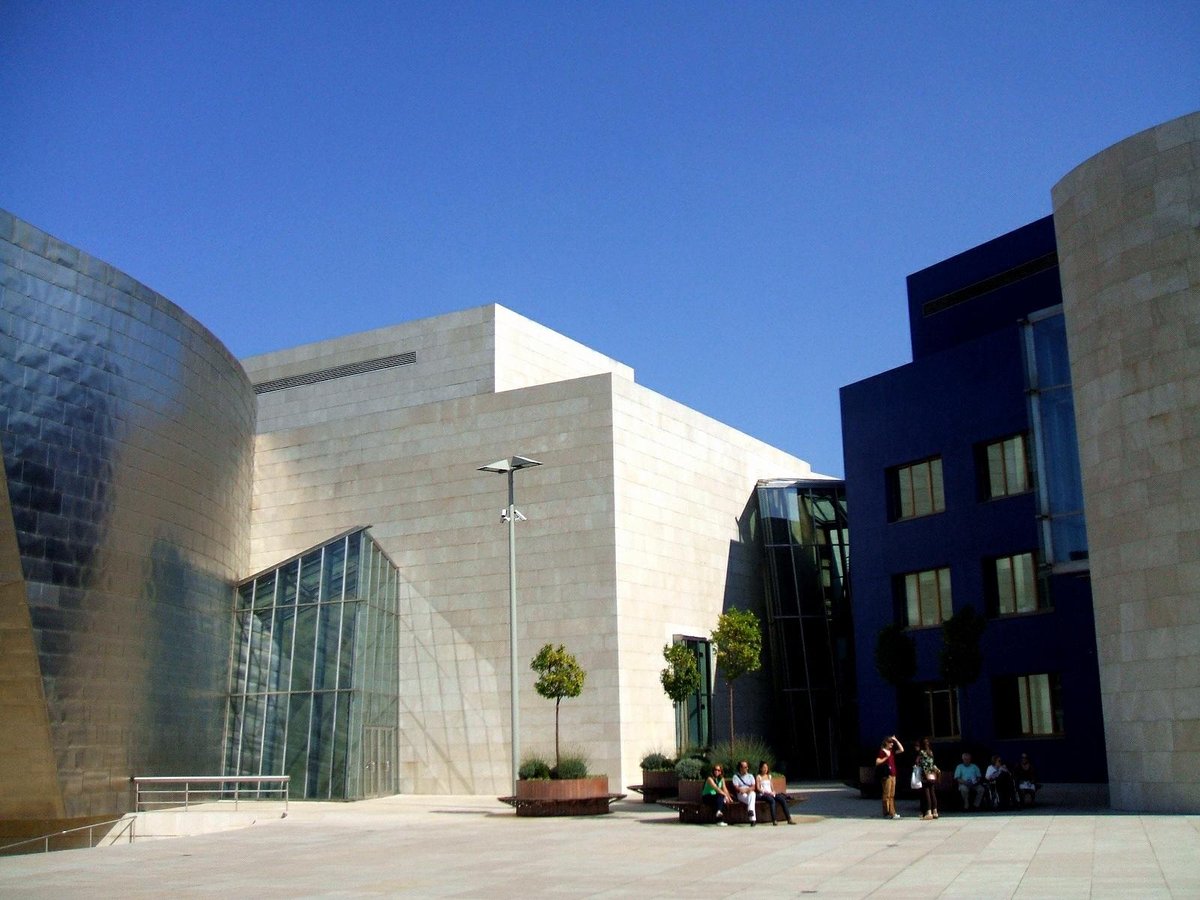
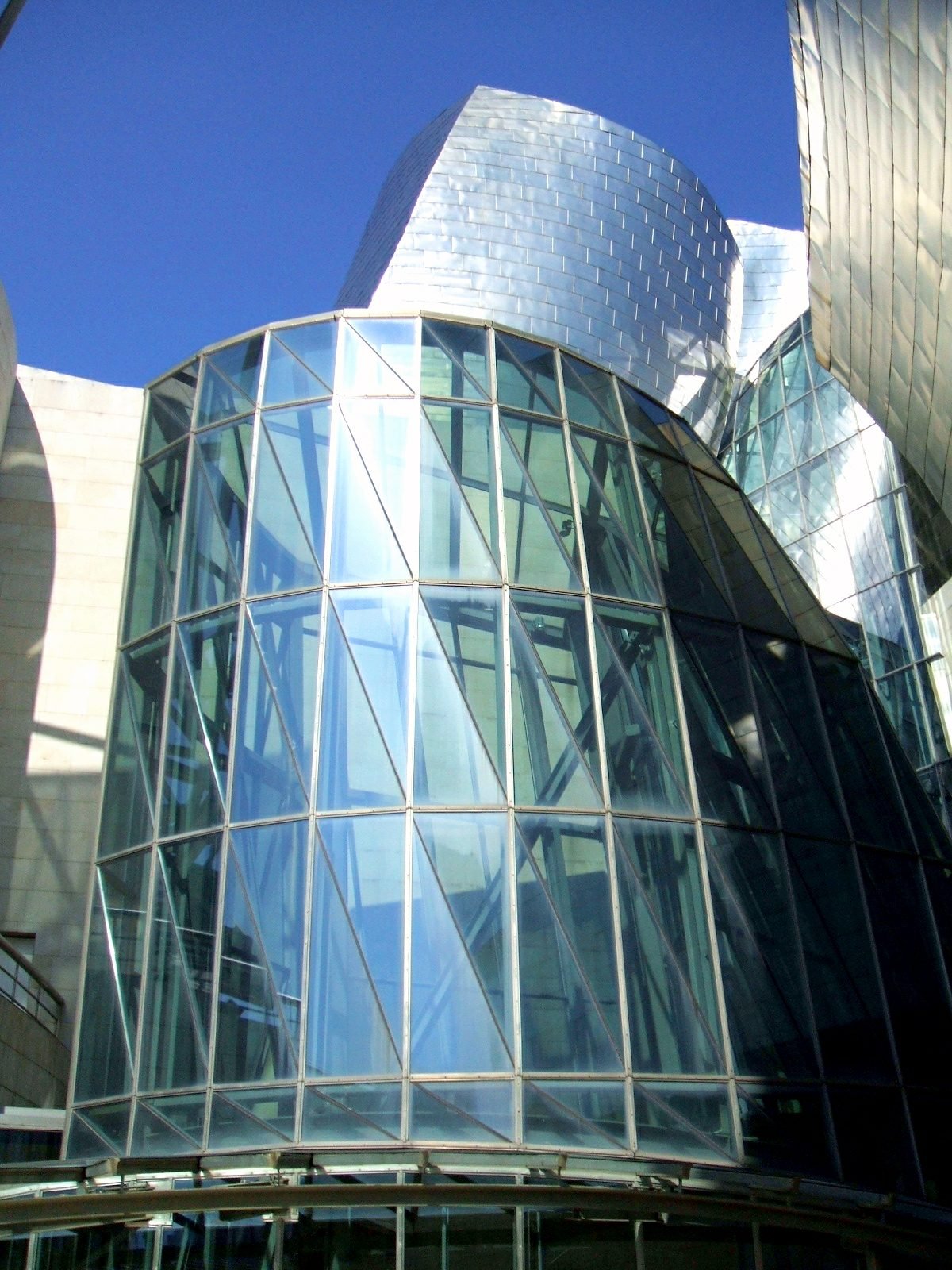
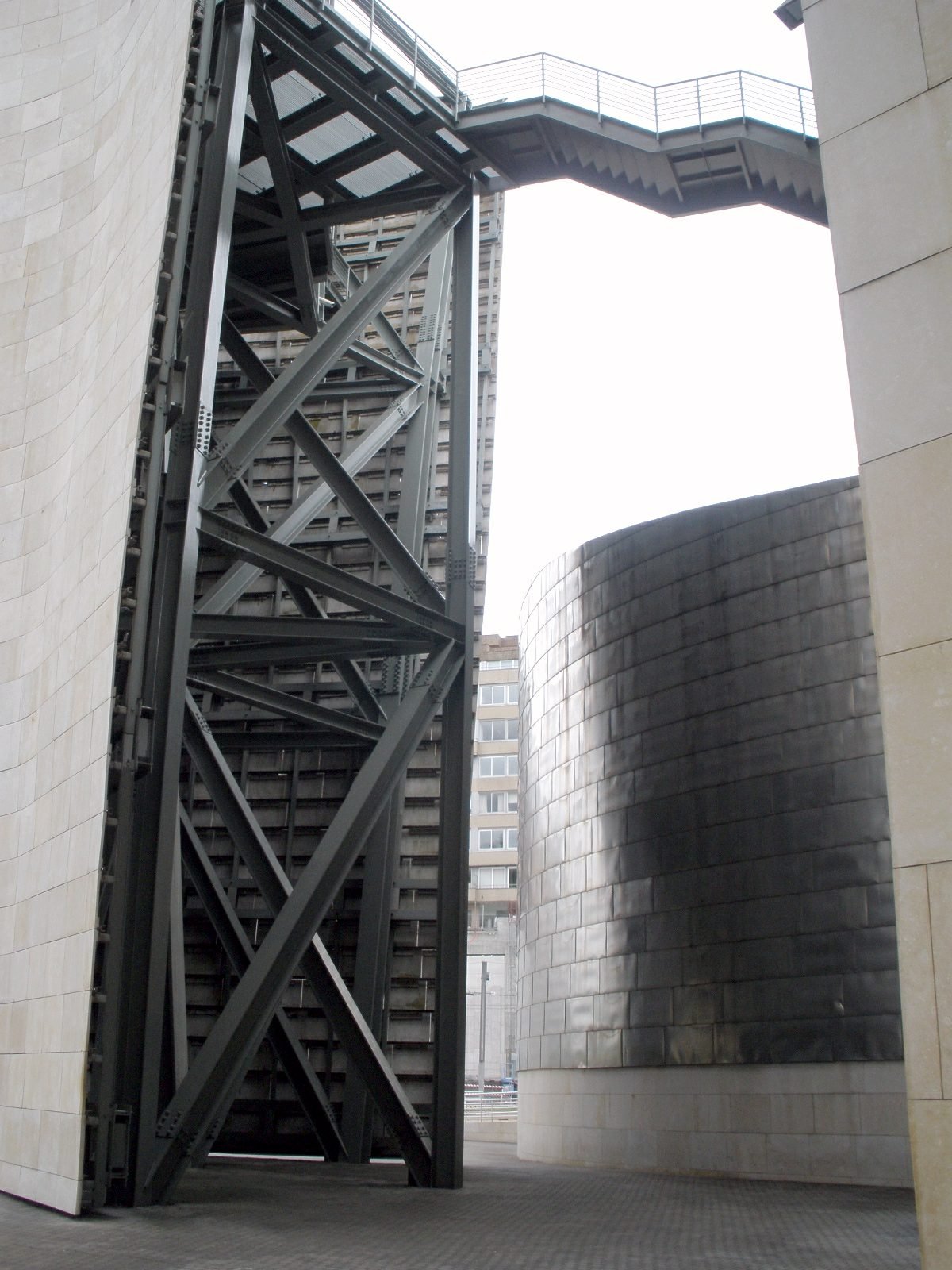
Construction began in 1993 and was completed in just four years, despite the building’s complexity. Advanced computer-aided design (CAD) technology enabled Gehry’s vision to become reality, resulting in a steel structure clad with 33,000 titanium panels and accented by limestone and glass (medium.com). The museum officially opened on October 18, 1997.
Visiting the Guggenheim Museum Bilbao: Hours, Tickets, and Tips
Visiting Hours
- Tuesday to Sunday 10:00 AM – 7:00 PM (last entry at 6:30 PM)
- Closed Mondays (except holidays), January 1, and December 25
Note: Hours may vary on holidays or special occasions. Always verify current hours on the official website before your visit.
Tickets and Pricing
- General Admission €16
- Seniors (65+) €12
- Students (18–25) €10
- Children under 12 Free
- Family and group rates available
Tickets can be purchased in advance online (official ticket page) or at the museum entrance. Online purchase is recommended to avoid queues.
Guided Tours and Audio Guides
The museum offers guided tours in several languages for an additional fee, as well as audio guides (available in multiple languages) to enhance your visit. For schedules and booking, consult the official site.
Accessibility
The Guggenheim Museum Bilbao is fully accessible, with wheelchair access, elevators, ramps, and accessible restrooms. Audio guides, tactile models, and assistance are available for visitors with diverse needs (followthecamino.com).
Getting There and Nearby Attractions
- Address Abandoibarra Etorb., 2, Bilbao
- By Metro Moyua station (approx. 10-minute walk)
- By Bus Several lines stop nearby
- By Car Onsite parking is limited; public garages are available
Combine your museum visit with nearby historical and cultural sites:
- Casco Viejo (Old Town) Medieval streets, pintxos bars, and churches
- Santiago Cathedral Bilbao’s Gothic cathedral
- Zubizuri Bridge Modern pedestrian bridge by Santiago Calatrava
- Bilbao Fine Arts Museum Classical and modern art (Bilbao Tourism)
The “Bilbao Effect”: Impact and Significance
The Guggenheim Museum Bilbao is the archetype of the “Bilbao Effect”—a single landmark catalyzing urban, economic, and cultural transformation. Since 1997, the museum has welcomed over 20 million visitors, generated hundreds of millions in tax revenue, and revitalized city infrastructure (artnet News). Urban renewal included cleaning the Nervion River, modernizing public spaces, and fostering a vibrant creative scene (museemagazine.com).
Culturally, the museum has instilled civic pride and positioned Bilbao as a cosmopolitan arts destination. Gehry’s design continues to inspire architects globally (to-spain.com).
The Museum’s Place in Bilbao’s Urban Fabric
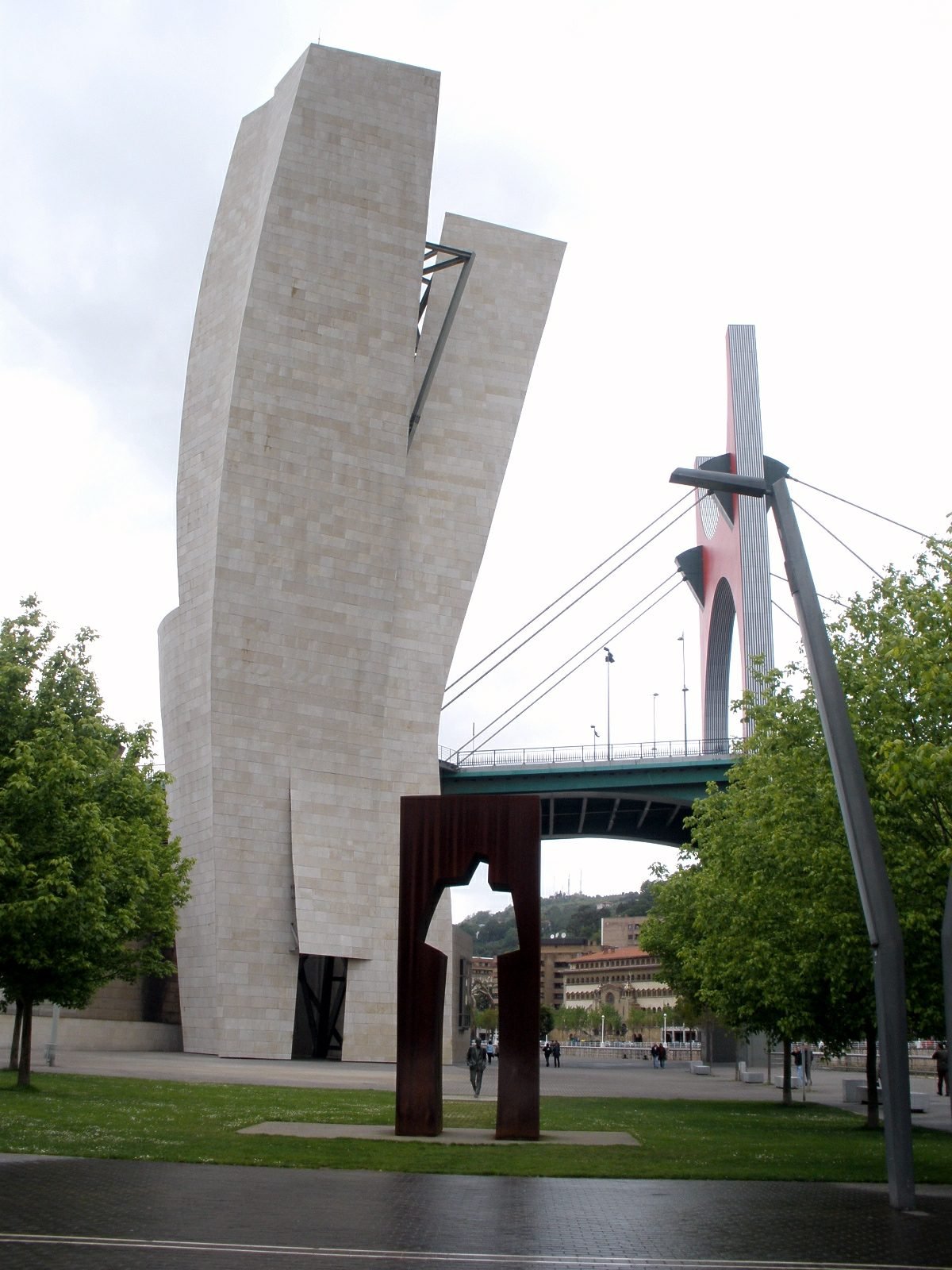
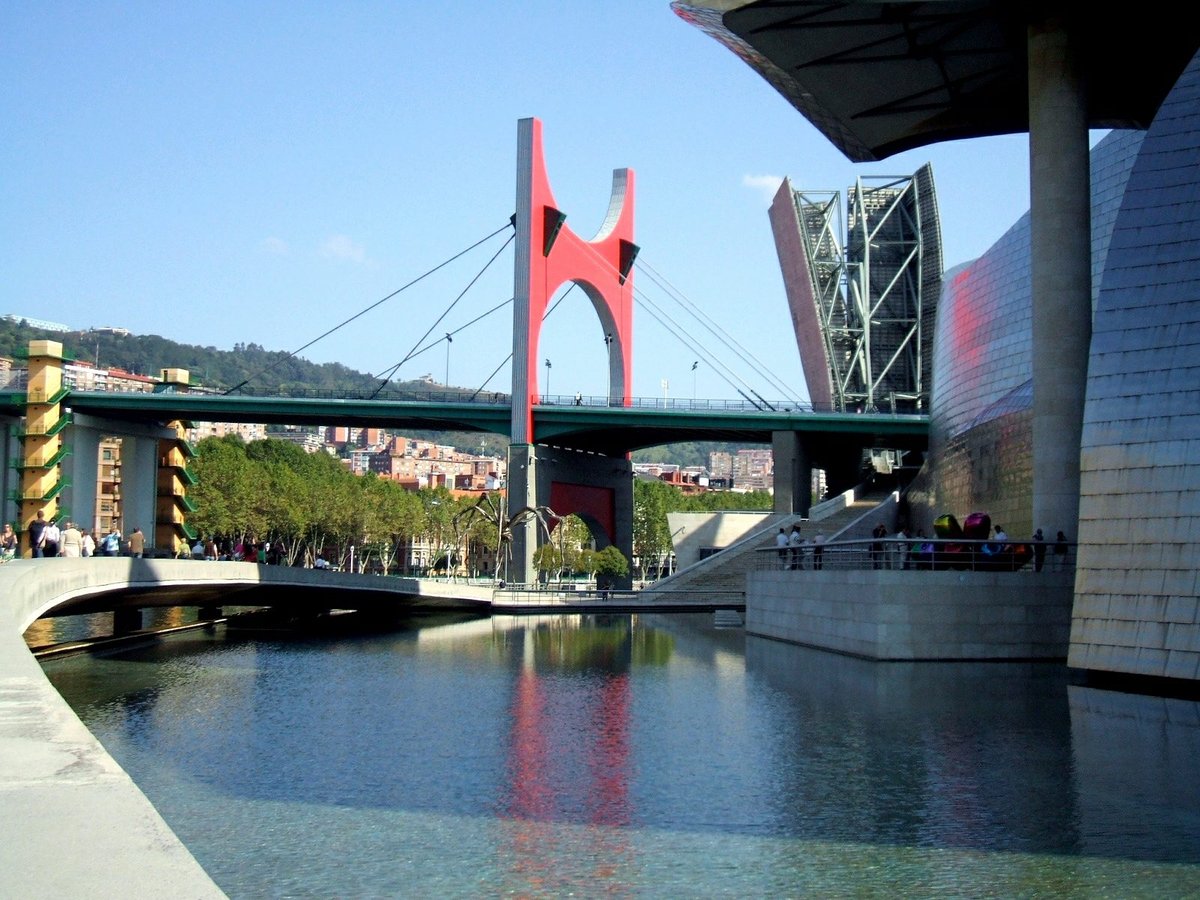
The museum’s riverside location anchors a revitalized waterfront of promenades, public art, and green spaces. Iconic sculptures such as Jeff Koons’ Puppy and Anish Kapoor’s Tall Tree and the Eye have become symbols of the city (medium.com). The immersive ZERO gallery uses sound and projection to connect visitors with the city’s history (guggenheim-bilbao.eus).
Museum Layout, Collections, and Current Exhibitions
Interior and Visitor Flow
The museum features 11,000 square meters of exhibition space organized around a soaring central atrium. Galleries range from intimate rooms to the vast “Fish Gallery” for monumental works (TravelTriangle; Guggenheim Bilbao Tips). Amenities include a 300-seat auditorium, museum shop, bookstore, café, and two restaurants.
Permanent Collection Highlights
- Richard Serra’s “The Matter of Time” A massive installation of eight weathering steel sculptures, offering a unique spatial experience (Munchies Art Club).
- Works by Yayoi Kusama, Jeff Koons, Mark Rothko, and prominent Basque artists (Iberia Club Magazine).
Temporary Exhibitions 2025
- Tarsila do Amaral. Painting Modern Brazil Retrospective of Brazil’s modernist pioneer (Travel Daily Media).
- Masterpieces on Paper from Budapest 150 works spanning seven centuries, including drawings by Leonardo, Rembrandt, Van Gogh, and Schiele.
- in situ: Refik Anadol – Living Architecture AI-driven multimedia installation inspired by Gehry’s designs (Iberia Club Magazine).
- Other shows: Helen Frankenthaler, Barbara Kruger, Vito Acconci / Sergio Prego, Sky Hopinka, Maria Helena Vieira da Silva, Arts of the Earth (Guggenheim Bilbao Exhibitions).
Outdoor Sculptures and Public Art
- Jeff Koons’ “Puppy” A 12-meter flower-covered West Highland Terrier at the entrance (TravelTriangle).
- Louise Bourgeois’ “Maman” A dramatic 9-meter bronze spider on the riverside terrace.
- Additional works by Anish Kapoor, Eduardo Chillida, and Yves Klein enliven the museum’s exterior.
Practical Tips for Visitors
- Photography Allowed with handheld cameras (no flash, tripods, or selfie sticks). Some exceptions apply (Guggenheim Bilbao Tips).
- Children Must be supervised; running prohibited.
- Bags Limited to 35 x 35 cm; coatroom available.
- Amenities Air-conditioning, restaurants, café, and a well-stocked museum store.
- Accessibility Wheelchair access, ramps, tactile models, and service animals permitted.
- Climate Dress in layers for comfort.
FAQ
Q: What are the Guggenheim Museum Bilbao visiting hours?
A: Tuesday to Sunday, 10:00 AM–7:00 PM; closed Mondays except holidays.
Q: How much do tickets cost?
A: General admission is €16, with discounts for seniors, students, and free entry for children under 12. Family and group rates available.
Q: How can I buy tickets?
A: Purchase online via the official site or at the entrance. Advance booking is recommended.
Q: Is the museum accessible for visitors with disabilities?
A: Yes, with elevators, ramps, accessible restrooms, and assistance available.
Q: Are guided tours or audio guides available?
A: Yes, both are available in multiple languages for an enhanced experience.
Q: What other historical sites should I visit nearby?
A: Explore Casco Viejo, Santiago Cathedral, Zubizuri Bridge, and the Bilbao Fine Arts Museum.


