Industrial Heritage and Urban Transformation
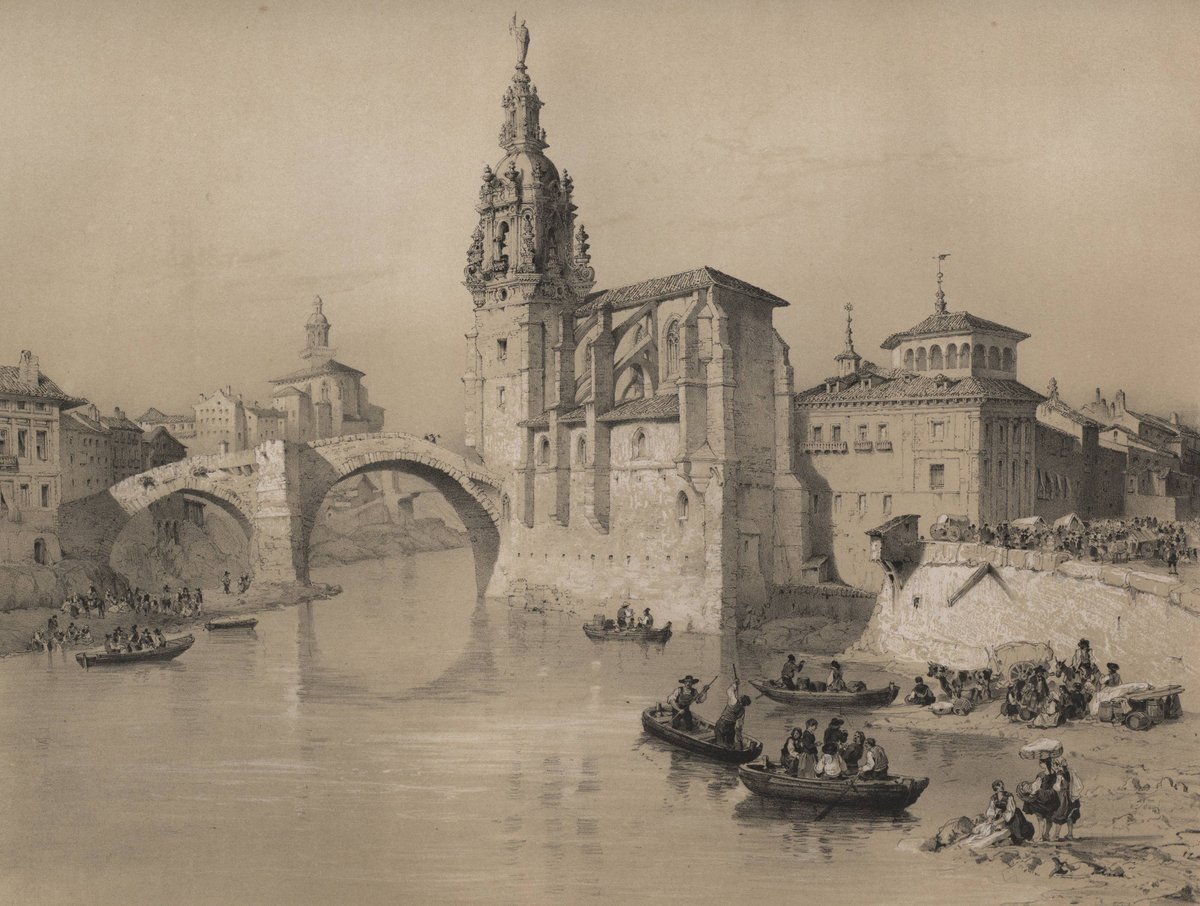
The Bosque De Farolas stands on the esplanade once occupied by the “Compañía Euskalduna de Construcción y Reparación de Buques”—a historic shipyard central to Bilbao’s industrial legacy (Las Farolas de Bilbao). Throughout the 19th and 20th centuries, Bilbao was defined by shipbuilding, steel production, and heavy industry. As these sectors waned in the late 20th century, the city embarked on a visionary urban renewal, famously initiated by the "Guggenheim Effect" (The Travelista: A 48 Hour Guide to Bilbao). Bosque De Farolas artistically encapsulates this transformation, merging Bilbao’s industrial past with its new identity as a hub of culture and innovation.
Artistic Vision and Symbolism
Created by: Juan Luis Moraza (2001)
Elements: Approx. 70 lamp posts (“báculos”) and 90 light fixtures (“focos”)
The installation’s design evokes a metallic forest, with each lamp representing the diversity of Bilbao’s neighborhoods. The copper "leaves," a nod to the city’s industrial material, develop a characteristic green patina over time, symbolizing Bilbao’s evolution and rejuvenation (Las Farolas de Bilbao). By day, visitors can appreciate the geometric, industrial aesthetic, while after dark, the lamps cast an enchanting glow reminiscent of maritime navigation lights—reflecting both the city’s shipbuilding heritage and its embrace of modernity (Bilbao por la noche).
The "forest" motif also references Bilbao’s surrounding natural landscapes and the city’s ongoing commitment to environmental harmony (Authentic Basque Country).
Technical Features and Design
- Materials Copper (leaves), steel, electric lighting
- Dimensions Lamps of varying heights and designs, representing different districts
- Location Esplanade in front of the Euskalduna Conference Centre / near Museo Plaza, 2, 48009 Bilbao
- Lighting Designed to be visually striking both day and night, with the full “garden of lights” experienced after sunset (Bilbao por la noche)
The installation is durable and weather-resistant, ensuring ongoing beauty and public enjoyment.
Visiting Hours, Tickets & Accessibility
- Visiting Hours Open 24 hours a day, 7 days a week; best experienced at dusk or after dark
- Tickets/Admission Free entry, no reservation or ticket required
- Accessibility Wheelchair-accessible, with smooth pathways and nearby public transportation (tram and bus stops close by). The area is flat, with benches and accessible routes (Spain.info)
- Getting There Located in Bilbao’s central cultural district, easily reached by foot or public transport. The Moyua metro station and nearby tram stops (Guggenheim, Abandoibarra) provide convenient access.
Cultural and Social Impact
Since its unveiling, Bosque De Farolas has become an integral part of Bilbao’s cultural landscape. It attracts photographers, artists, and visitors, especially after dark when its illuminated lamps create a surreal ambiance. The installation regularly features as a backdrop for community events and festivals—such as the Bilbao BBK Live and the Olentzero Parade—reinforcing its role as a social hub (Authentic Basque Country).
Bosque De Farolas also serves an educational function, with interpretive signage (where available) explaining its symbolism and design. School groups, families, and tourists can engage with the intersection of art, engineering, and urban history (Spain Cultures).
Practical Tips for Visitors
- Best Time to Visit Dusk and evening for the full illuminated effect; daytime for appreciating design details
- Photography Popular spot for photos—tripods are permitted, but be considerate of other visitors
- Nearby Attractions Combine your visit with the Guggenheim Museum, Museo de Bellas Artes, Doña Casilda Park, Zubizuri Bridge, and the historic Casco Viejo
- Amenities Benches for resting, public restrooms nearby, and cafes within walking distance
- Events Check the official Bilbao tourism website or local event listings for information on special lighting displays or guided tours
Frequently Asked Questions (FAQ)
Q: What are the Bosque De Farolas visiting hours?
A: The installation is outdoors and open 24/7.
Q: Is there an entrance fee or tickets required?
A: No, entry is free and does not require tickets.
Q: How do I get there using public transport?
A: The site is accessible via tram, bus, and metro stations near the Euskalduna Conference Centre and Museo Plaza.
Q: Are guided tours available?
A: While there are no tours exclusively for Bosque De Farolas, it is often included in broader Bilbao walking or art tours.
Q: Is the area wheelchair accessible?
A: Yes, the plaza and surrounding pathways are flat and accessible, with benches for rest.