
Origins and Etymology of La Salve
The name "La Salve" is intrinsically linked to Bilbao’s maritime past. Returning sailors would first spot the Basilica of Begoña’s tower from this riverside bend and recite the "Salve Regina" (Hail Holy Queen) in gratitude for a safe passage. This blend of religious devotion and local lore established La Salve as a symbolic gateway between sea and city (Bilbao Turismo).
Maritime Significance and Urban Development
Situated on the Nervión River, La Salve was pivotal for navigation and early urban settlement. Its riverbanks fostered the growth of shipyards, warehouses, and neighborhoods as Bilbao evolved from a medieval port into an industrial center. Today, La Salve’s landscape reflects these layers of history—where industrial relics meet contemporary city life.
The Basilica of Begoña: Spiritual Anchor
Built between the 16th and 17th centuries, the Basilica of Begoña is a spiritual beacon for Bilbao. Dedicated to the Virgin Begoña, the basilica’s tower guided both sailors and pilgrims. Visitors can tour the basilica daily (except Mondays), with typical hours from 9:00 AM–1:00 PM and 4:30 PM–7:30 PM. Entry is free, with donations welcome (Basilica of Begoña Official Site).
La Salve Bridge: Engineering Marvel and Artistic Icon
Historical Background and Naming
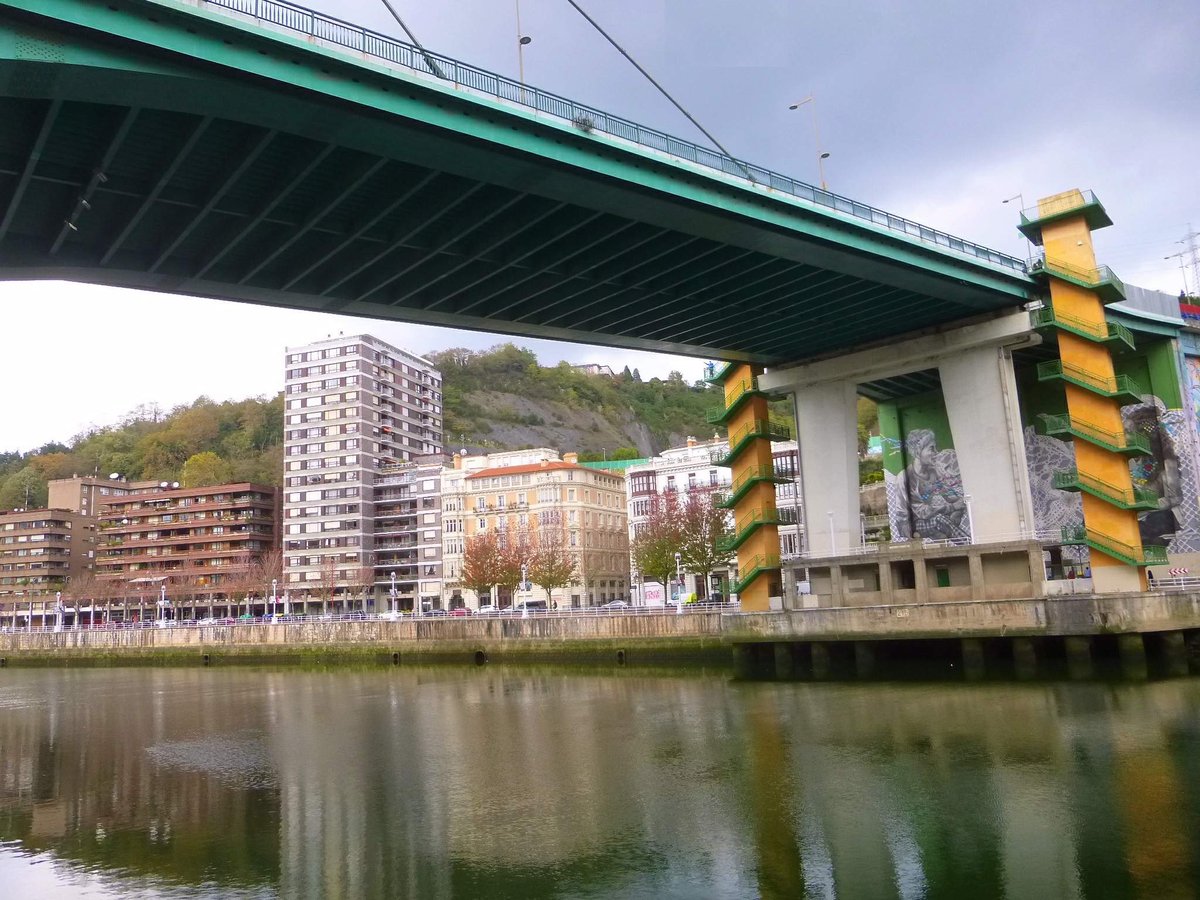
Inaugurated in 1972 and designed by Juan Batanero García-Geraldo, the La Salve Bridge was Spain's first cable-stayed bridge and a response to the city’s growing infrastructural needs (Bilbao Virtual). The bridge’s popular name reflects maritime tradition: sailors would first glimpse the Basilica of Begoña from its site and offer a "salve" in thanks. Over time, this local name eclipsed its official designation, and today “La Salve” is widely recognized.
Architectural Features and Integration with the Guggenheim
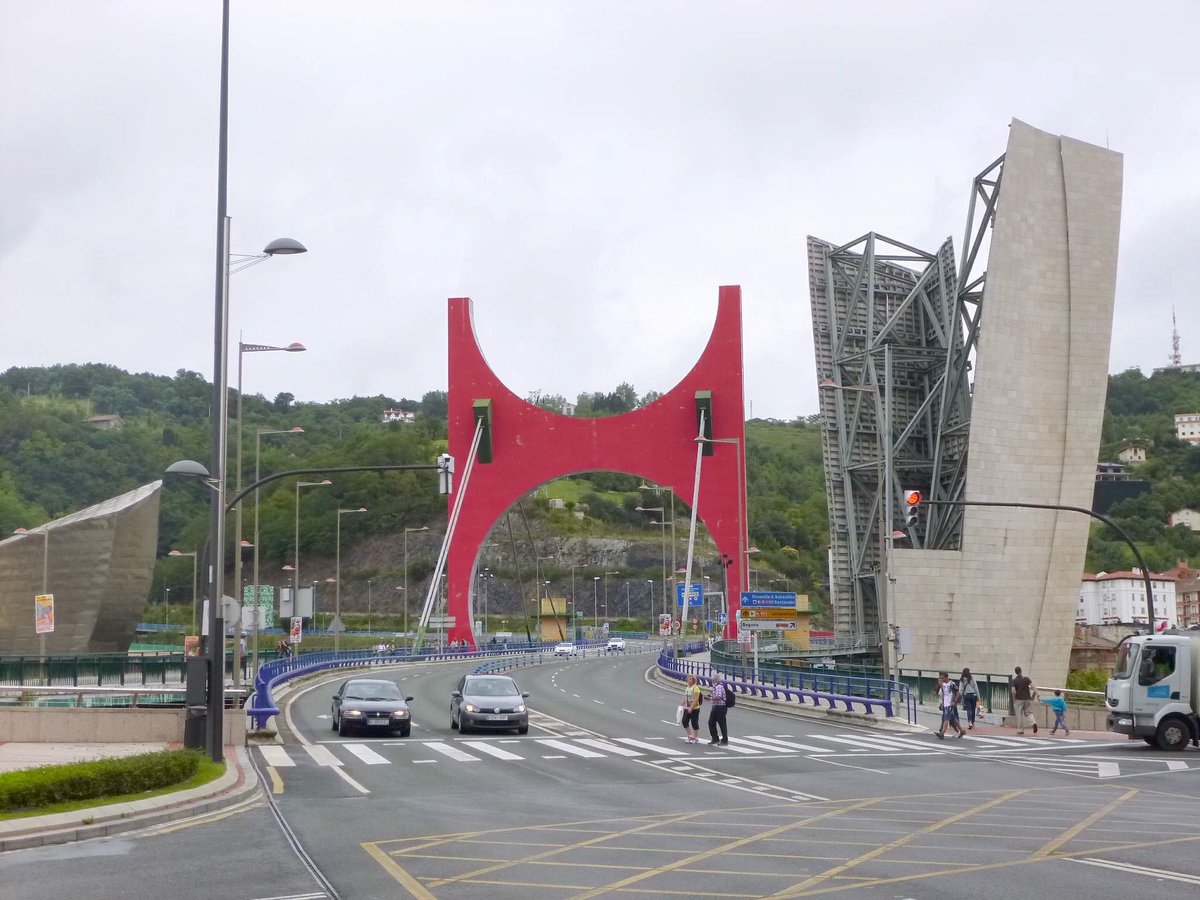
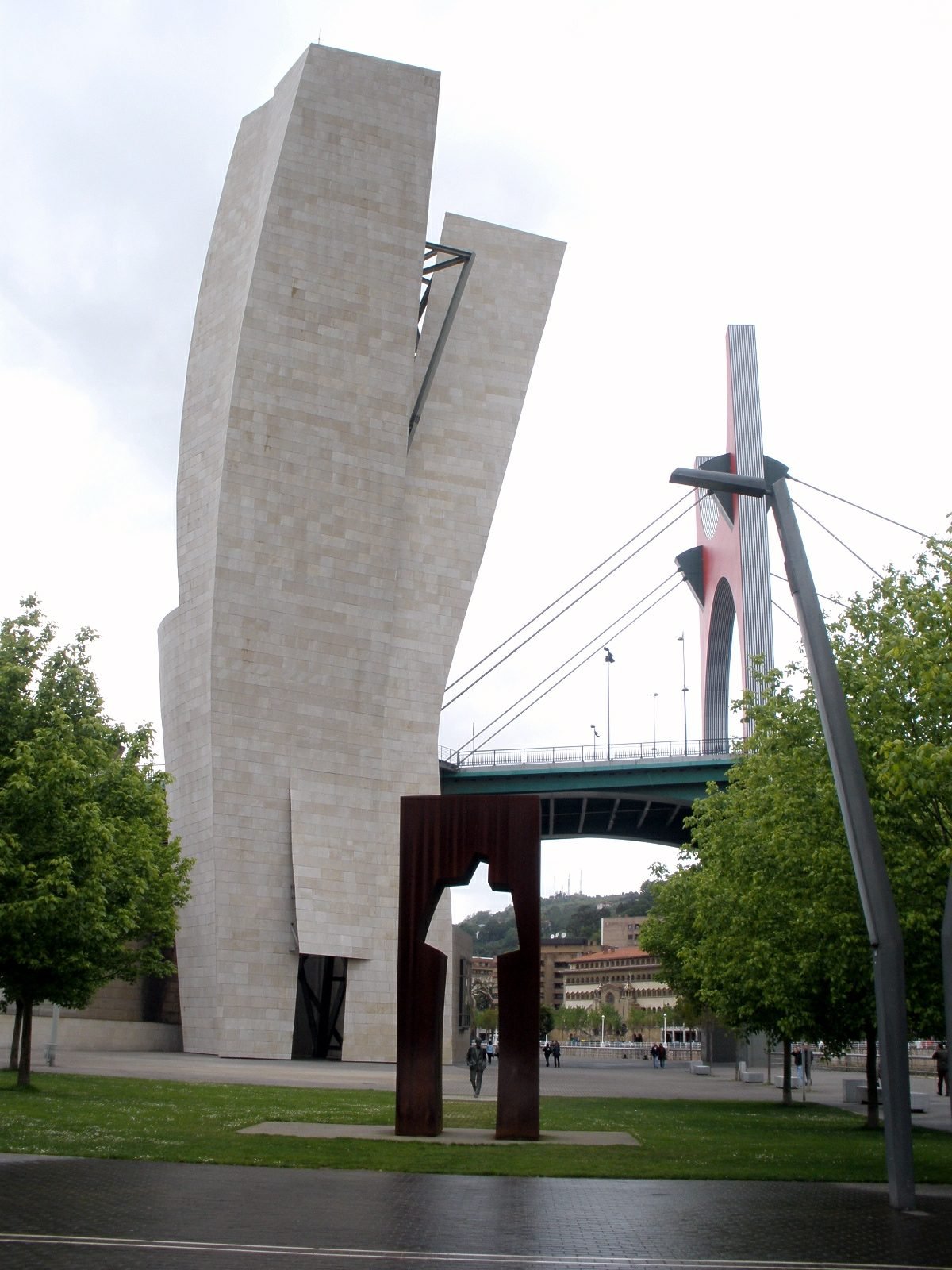
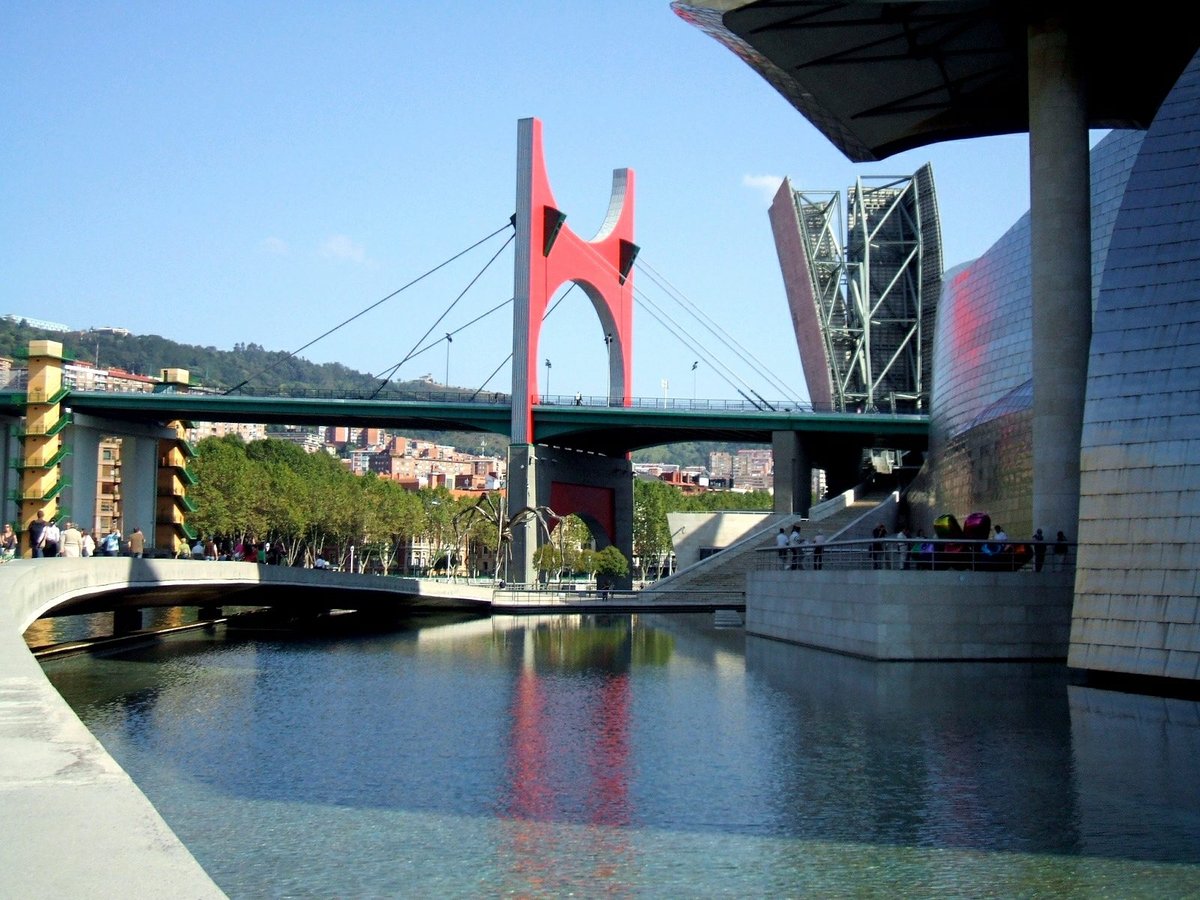
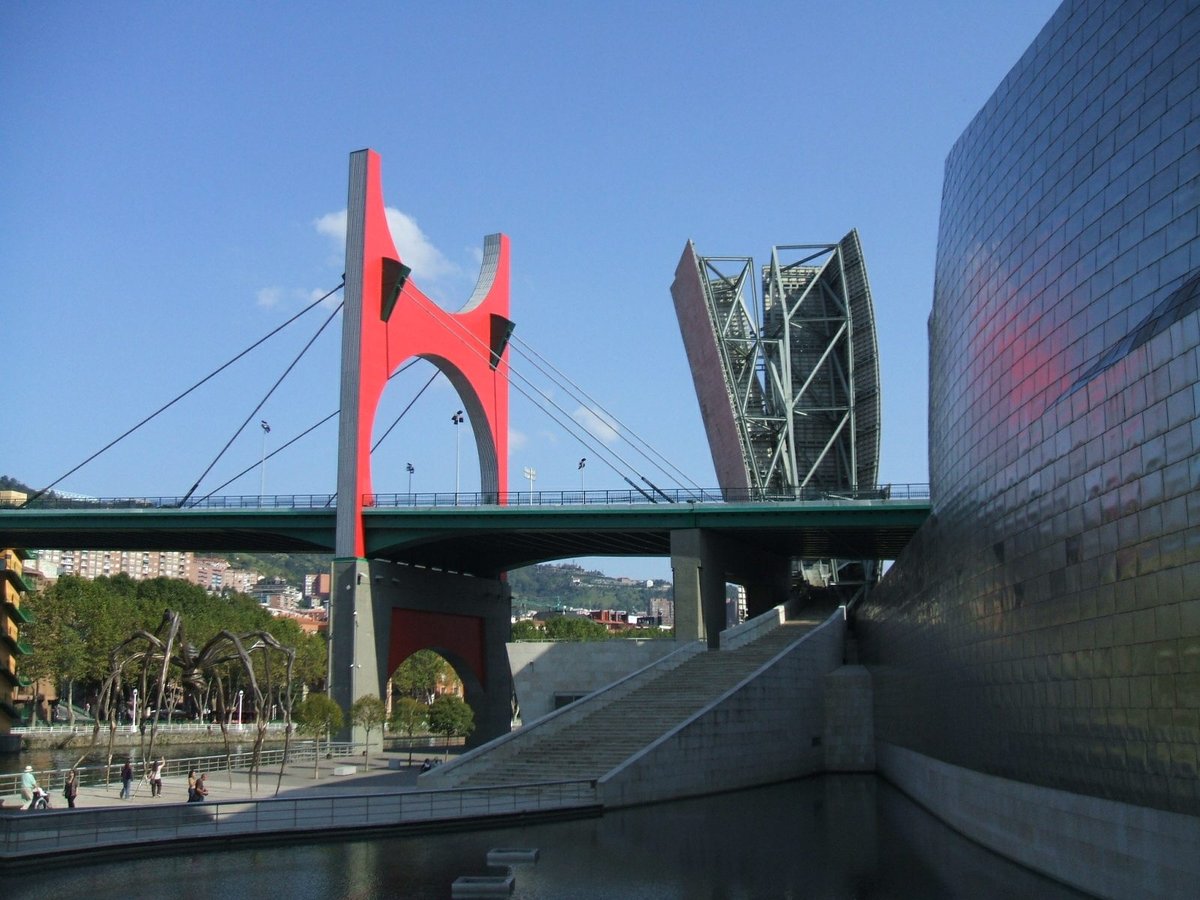
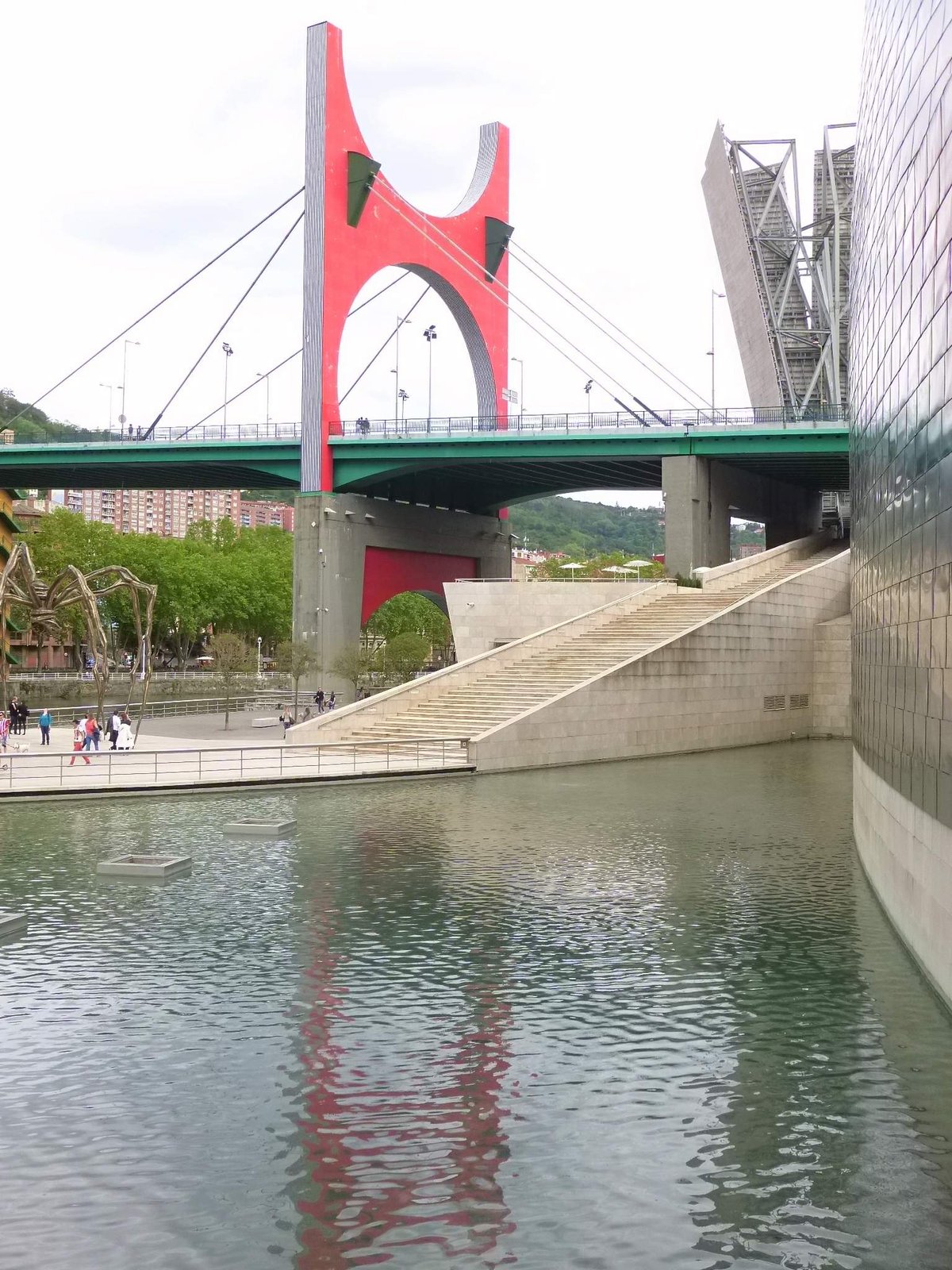
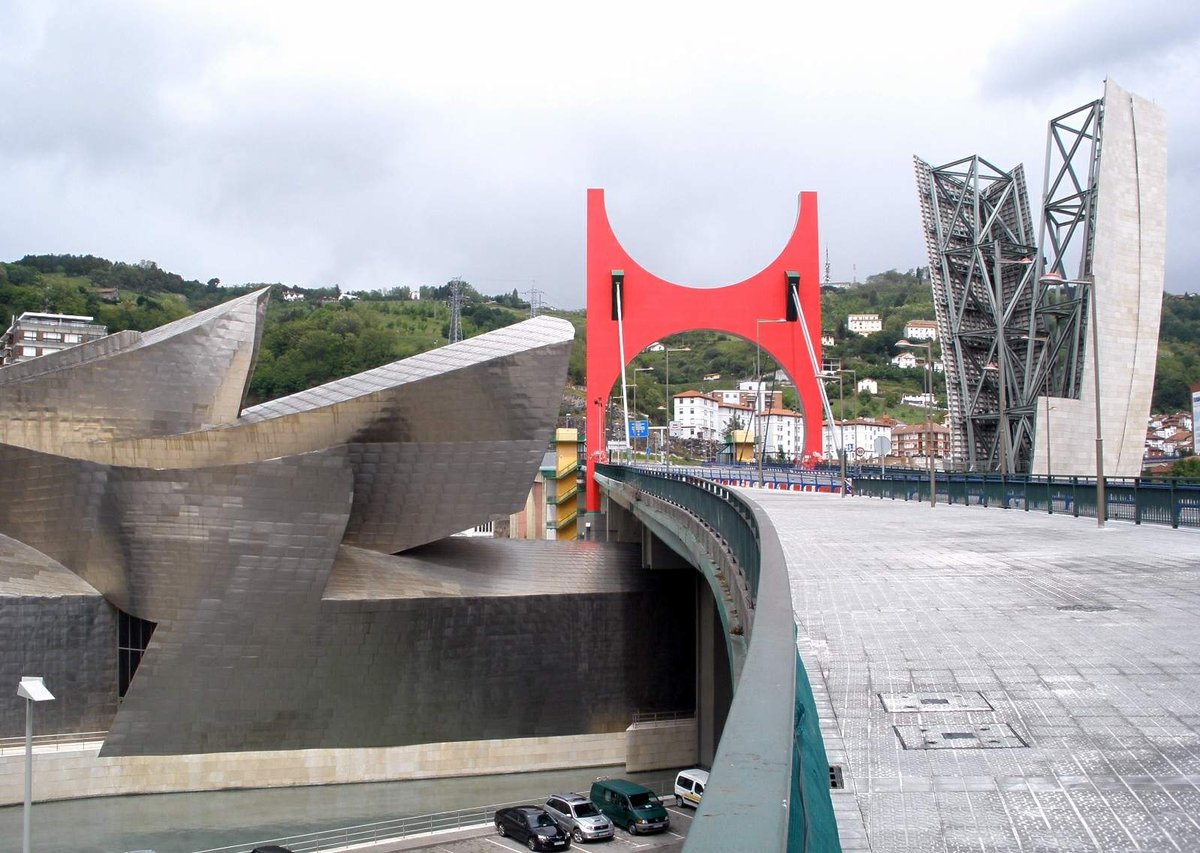
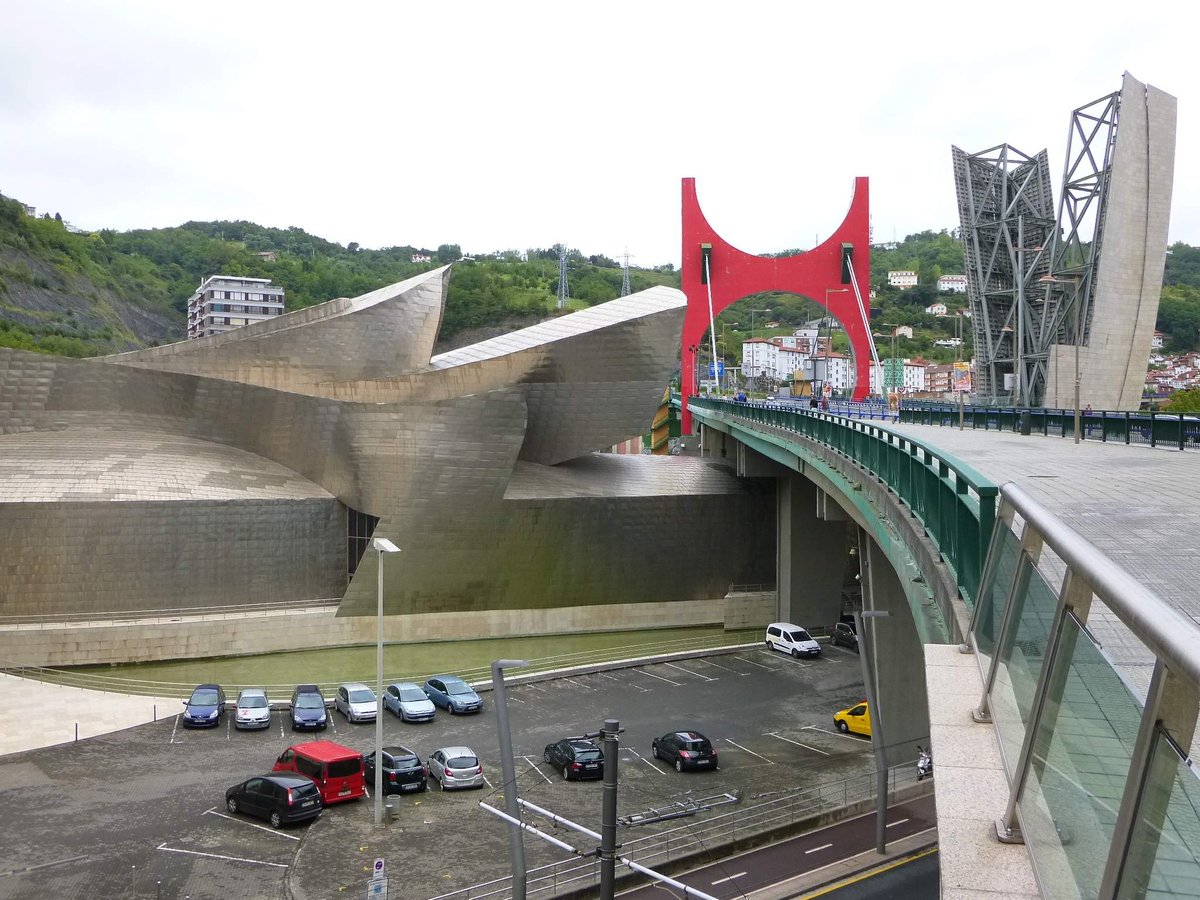
Spanning 250 meters with a 23.5-meter clearance, the bridge’s bold cable-stayed design and metallic deck were cutting-edge for their time (Bilbao Virtual). The 1997 construction of the Guggenheim Museum Bilbao integrated the bridge into the city’s new architectural landscape, with the museum’s forms enveloping the bridge and connecting the city’s past and present (Bilbao Virtual).
Artistic Transformation: Daniel Buren’s “L’arc Rouge”
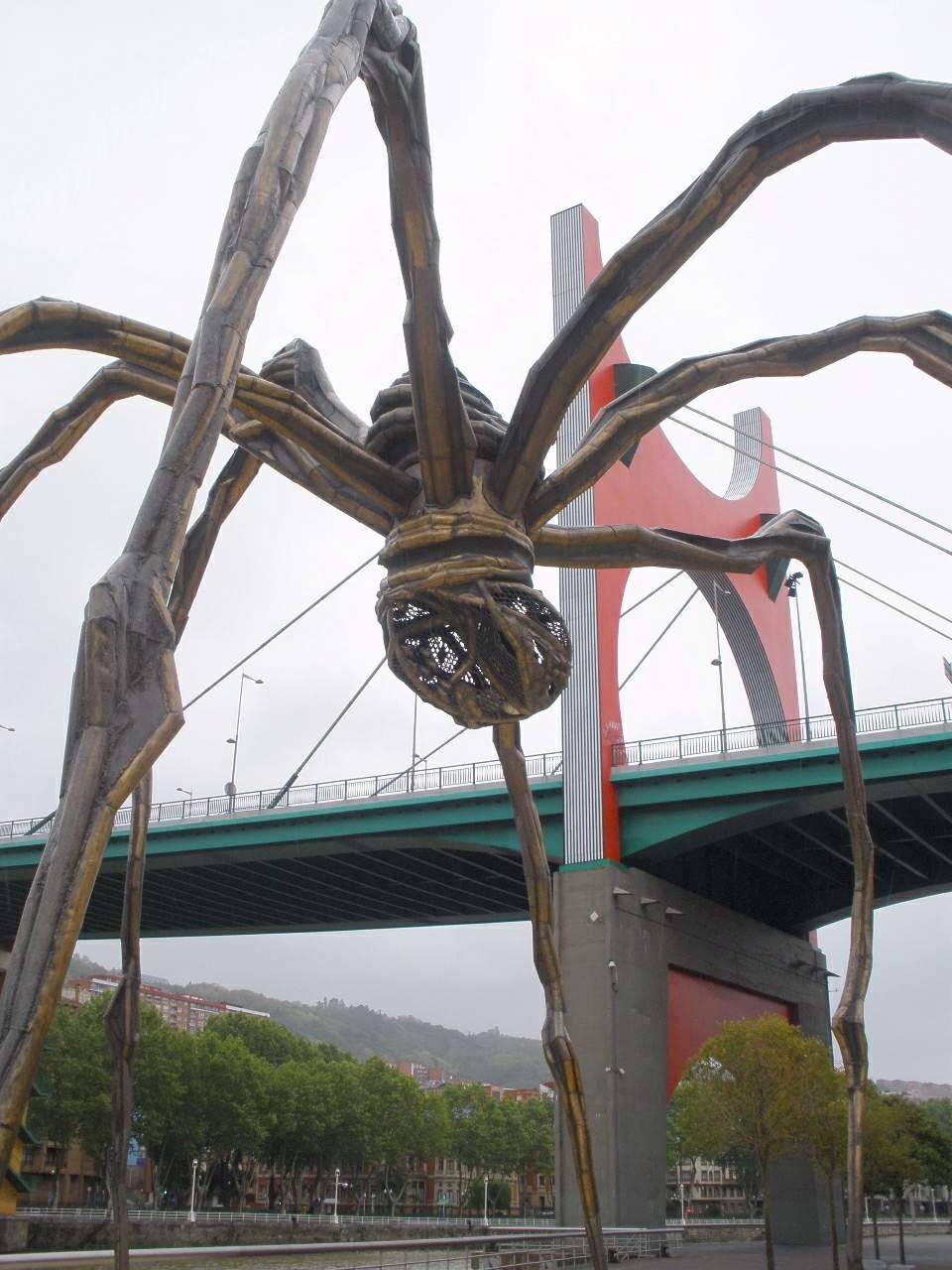
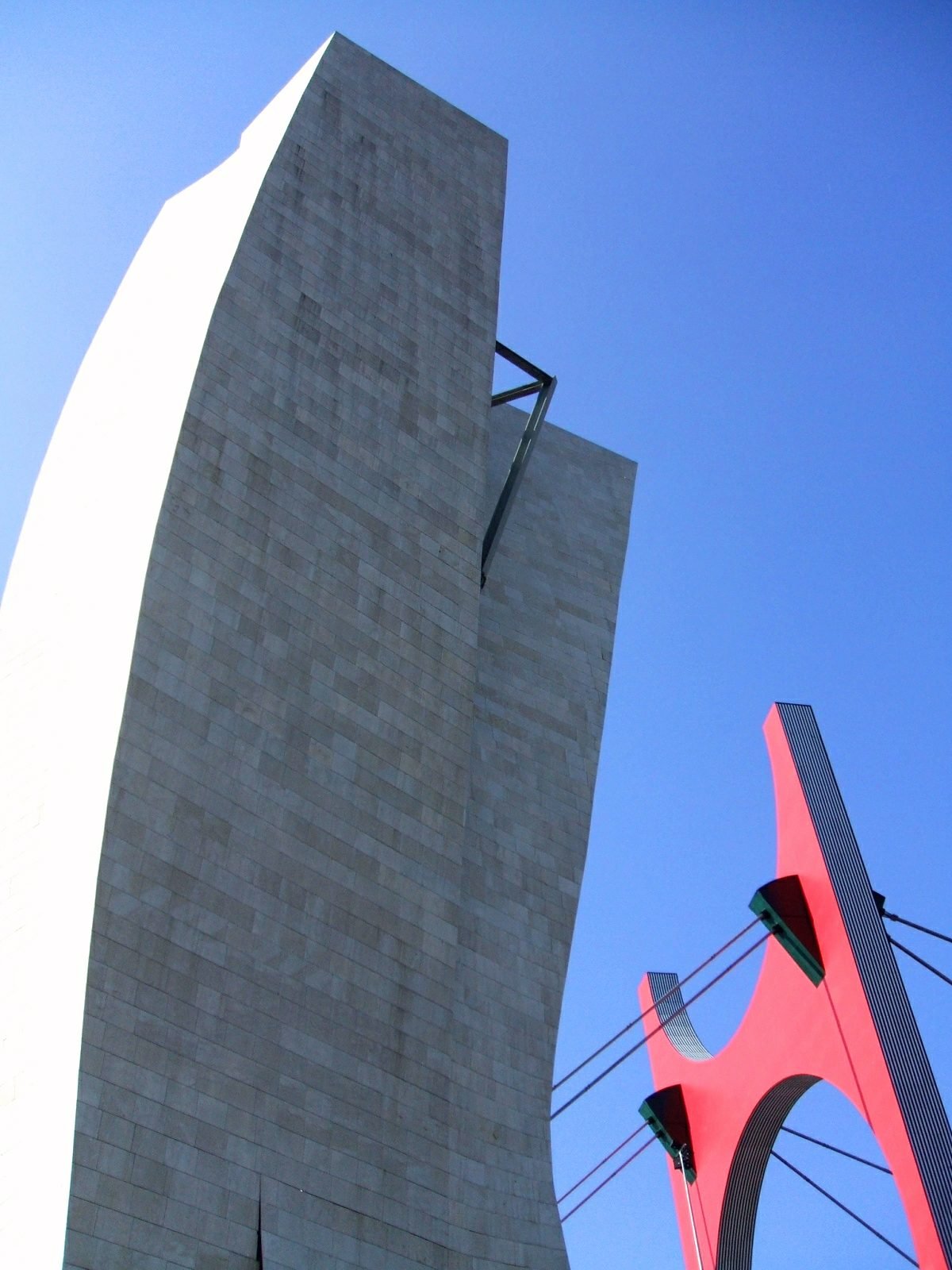
In 2007, French artist Daniel Buren’s 24-meter-high "L’arc Rouge" was installed atop the bridge to mark the Guggenheim’s 10th anniversary (Guggenheim Bilbao). The striking red arch, illuminated at night, creates a visual dialogue with the museum’s titanium curves and has become one of Bilbao’s most photographed features (Bilbao Virtual).
Cultural Significance and Urban Identity
La Salve Bridge embodies Bilbao’s transformation from industrial port to cultural capital. Its role as both a functional crossing and a work of public art mirrors the city’s broader regeneration. The bridge serves as a backdrop for major events, such as the Vuelta a España and Red Bull Cliff Diving, and links the historic and modern districts of the city (Meticulous Meanderings).
Visitor Information: Hours, Tickets, and Accessibility
- Visiting Hours The bridge is accessible 24/7, year-round.
- Tickets No tickets required; the bridge is free for all.
- Accessibility Two public elevators (free, 24/7) make the bridge accessible for visitors with reduced mobility (Bilbao Virtual).
- Best Times to Visit Early morning and late afternoon for natural light; evenings for the illuminated Red Arch.
- Location Central, adjacent to the Guggenheim and accessible via public transport (Visit Biscay).
Recommendations for a Memorable Visit
- Combine your bridge walk with a visit to the Guggenheim Museum (Come Ama Viaja).
- Attend during city festivals or special events for a lively atmosphere.
- Capture photos of the bridge and Red Arch at sunset or night.
- Join a guided tour for historical and architectural insights.
For a virtual experience, explore the La Salve Bridge Virtual Tour.
The Guggenheim Effect: Cultural Renaissance
The Guggenheim Museum Bilbao, opened in 1997 and designed by Frank Gehry, redefined the city’s image and sparked an urban and economic renaissance. Directly beneath La Salve Bridge, the museum’s titanium-clad architecture and world-class art exhibitions attract millions annually. Visiting hours are Tuesday to Sunday, 10:00 AM–7:00 PM, with tickets from €16–€24 (Guggenheim Bilbao Official Site).
Cervezas La Salve: Basque Brewing Tradition
History and Revival
Founded in 1886 by José Schumann y Cordés, Cervezas La Salve was originally located at Campa de La Salve, tying its name to the area’s maritime traditions (Loopulo). The brewery thrived mid-20th century but closed in 1978 due to urban development and industry pressures (Reddit). Revived in 2014, the brewery is now a symbol of Bilbao’s local heritage renaissance, producing a wide array of award-winning craft beers (La Salve Official).
Beer Selection and Tasting Notes
- La Salve Lager Auténtica Classic, golden lager (5% ABV), crisp and refreshing (Birrapedia).
- La Salve Munich Helles-style with caramel notes (6.2% ABV).
- La Salve Negra Robust schwarzbier (6% ABV).
- La Salve Lucía Tribute lager (5.8% ABV).
- La Salve Txirene Hoppy American Pale Ale (5.6% ABV).
- Seasonal editions and collaborations are also available.
Awards and Events
La Salve has garnered international recognition, including gold and silver medals at the Frankfurt International Beer Trophy and multiple awards at the World Beer Challenge (La Salve Blog). The brewery actively participates in city festivals, notably Aste Nagusia, and supports local sports and cultural events.
Visiting Information and Tours
- Location Telleria 31A, Bolueta district, Bilbao (La Salve Official).
- Visiting Hours Tuesday–Saturday, 11:00 AM–7:00 PM (confirm holiday hours).
- Tickets Guided tours (~€10, including tastings and food pairing) are available in Spanish and English; book online in advance.
- Accessibility Facilities are adapted for visitors with reduced mobility; notify in advance for special needs.
Experiences
Tours offer insight into brewing, Bilbao’s industrial history, and the evolution of local beer culture, ending with tastings of multiple La Salve beers and pintxos.
Visitor Tips for Exploring La Salve
- Start at the Guggenheim Use the museum as your trailhead for exploring La Salve and the riverfront.
- Walk the Bridge Savor panoramic views and the Red Arch’s artistry.
- Tour the Basilica Reachable by foot or funicular, it reveals Bilbao’s spiritual traditions.
- Sample La Salve Beer Available at the brewery and local bars.
- Discover Street Art Find murals and installations beneath the bridge and along the riverside.
Frequently Asked Questions (FAQ)
Q: What are La Salve’s visiting hours?
A: The quarter is open year-round. Basilica: 9:00 AM–1:00 PM, 4:30 PM–7:30 PM (closed Mondays). Guggenheim: Tuesday–Sunday, 10:00 AM–7:00 PM.
Q: Are there entrance fees?
A: Basilica and La Salve Bridge: free. Guggenheim tickets: €16–€24.
Q: Is La Salve accessible?
A: Yes; both the bridge and major sites offer accessible routes and facilities.
Q: How do I get to La Salve?
A: Via Moyúa Metro, local buses, or on foot from the city center.
Q: Are guided tours available?
A: Yes, for the bridge, Guggenheim, and brewery (in Spanish and English).