History and Urban Development
Early Origins
First documented in 1256 as “Papenhude,” the area that is now Uhlenhorster Kanal was once marshland prone to seasonal flooding due to its proximity to the Alster River (Wikipedia; RouteYou). For centuries, the area was used mainly as pastureland, hindered from substantial development by its wet, unstable ground.
19th-Century Transformation
A turning point arrived in 1865 with entrepreneur August Abendroth’s ambitious canalization project. Through strategic digging and land elevation using excavated soil, the area was made suitable for urban development. This dramatic intervention not only transformed the landscape but also set the stage for Uhlenhorst’s emergence as a desirable residential and commercial district (Wikipedia; RouteYou).
Urbanization and Industrial Growth
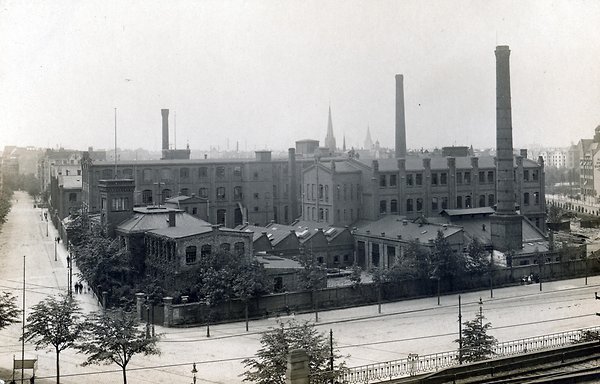
By the late 19th and early 20th centuries, Uhlenhorst experienced rapid urbanization following improvements in accessibility and the construction of key bridges. The canal area became a hub for shipbuilding and related industries, notably the Heidtmann-Werft. At the same time, private investors contributed to shaping the district’s residential appeal (Kurt Groenewold; Stadtführungen Hamburg).
Architecture and Urban Planning
Uhlenhorst is renowned for its elegant Jugendstil facades and stately villas, built mainly during the Gründerzeit era. Urban development plans, such as “Uhlenhorst 8” and “Uhlenhorst 17,” established zoning regulations that have preserved the neighborhood’s distinctive charm (GovData; Gimi9).
A highlight of contemporary design is the award-winning Uhlenhorster Hof at Hofweg 63–65, built on the former shipyard site and honored as Hamburg’s “Most Beautiful Building of the Year” in 1997 (Kurt Groenewold).
Canal Layout and Connectivity
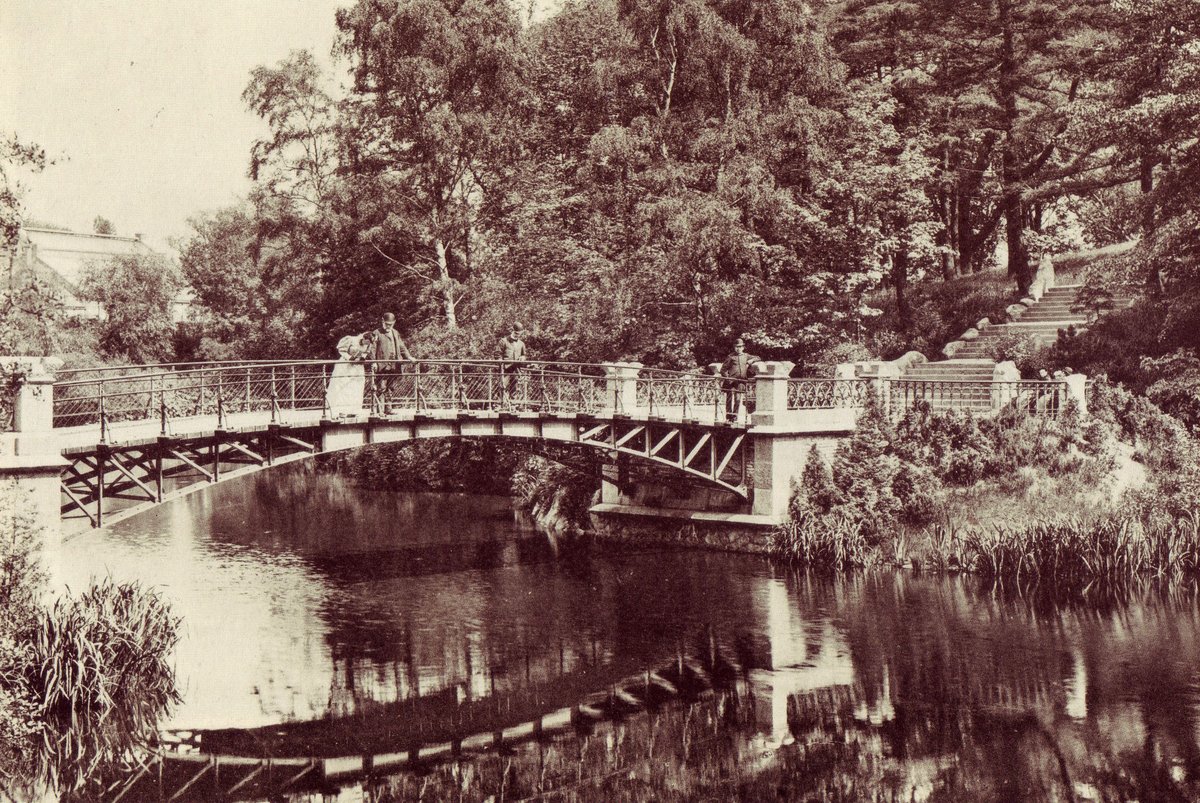
The Uhlenhorster Kanal is flanked by three key bridges—Herbert-Weichmann-Brücke, Arndtstraßenbrücke, and Hofwegbrücke—linking Uhlenhorst to neighboring districts. The canal connects with Hofwegkanal and the Alster system, creating an extensive network ideal for boating and scenic walks (Wikipedia).
Water in Urban Life
Water is integral to Uhlenhorst’s identity. Historic bathing facilities once lined the Alster, and today, the canal supports rowing, stand-up paddling, and boating. The return of the Alster swans each spring is a cherished tradition (HUBV). Swimming is discouraged due to submerged debris and boat traffic, but the canal’s banks remain popular for leisure and recreation.
Modern Sustainability Initiatives
Uhlenhorst exemplifies Hamburg’s commitment to green urban living. Modern developments like the Waterlofts offer sustainable amenities—private canal access, electric mobility infrastructure, and open green spaces—while public transport reduces reliance on cars (Cube Magazin; Hamburg.com).
Visitor Information
Visiting Hours & Access
- Open Year-Round Uhlenhorster Kanal is a public waterway with free access at all times. No tickets or entrance fees are required.
- Best Visiting Times Early morning and late afternoon for tranquil views and optimal photography lighting.
- How to Get There
- By Public Transport Metrobus line 6, U-Bahn stations Mundsburg, Alsterdorf, or Stephansplatz.
- By Bicycle Dedicated cycling paths along the canal.
- Parking Limited street parking; public transport is recommended.
Facilities & Amenities
- Benches and green spaces line the canal for relaxation and picnics.
- Nearby cafés and restaurants on Hofweg and Papenhuder Straße offer refreshments.
- Restrooms available in adjacent parks and larger venues.
- Accessibility Most paths are wheelchair- and stroller-friendly; some historic bridges have steps or cobblestones.
Recreation and Community Events
Boat Rentals and Water Sports
- Boat Rentals Canoes, kayaks, and rowboats are available from rental points on the Alster lakes, typically 9:00 AM–7:00 PM during peak season (€12–€18 per hour) (hamburg.de).
- Popular Routes Paddling routes connect Uhlenhorst to the Außenalster and other Alsterkanäle—maps provided by rental services.
- Safety Life jackets are mandatory for children and provided by rental companies.
Walking, Cycling, and Parks
- Paths Well-maintained for walking, jogging, and cycling.
- Nearby Parks Johannes-Prassek-Park and Alsterpark offer playgrounds, lawns, and picnic spots.
Annual Events
- Uhlenfest (June 14–15, 2025) Neighborhood festival with flea markets, gourmet food stalls, live music, and family activities (Hamburg Magazin; Szene Hamburg).
- Other Events Alstervergnügen, Hamburg Wasser World Triathlon, Hamburg Pride Week, and Sommerdom (Hamburg.de; Germany Travel Blog).
Nearby Historical Sites
- Alster Lakes Iconic for boating and scenic walks.
- Hamburg City Hall (Rathaus) Neo-Renaissance landmark.
- St. Michael’s Church (Michel) Renowned for panoramic city views.
- Museum für Kunst und Gewerbe Leading applied arts museum.
- Ernst Deutsch Theater and The English Theatre of Hamburg Notable local performance venues.
- Speicherstadt & HafenCity UNESCO-listed warehouse district and modern waterfront, easily accessible via public transport (The Crazy Tourist).
Travel Tips & Accessibility
- Best Season Late spring to early autumn for pleasant weather and lively events.
- Family-Friendly Playgrounds and children’s activities abound during festivals.
- Safety Uhlenhorst is an upscale, secure neighborhood.
- Photography Bridges and canals offer excellent sunrise and sunset vistas (Komoot).
- Weather Hamburg’s weather can be unpredictable—bring rain gear as needed (Germany With Amy).
FAQs
Q: Are there entrance fees or tickets required?
A: No, the canal and public paths are free and accessible year-round.
Q: Are boat rentals available?
A: Yes, with rates typically €12–€18 per hour; open daily in peak season.
Q: Is the area accessible for wheelchairs and strollers?
A: Most canal paths are accessible, but some older bridges may have steps.
Q: Are guided tours offered?
A: Local walking tours may include the canal; check with tourist information centers.
Q: What public transport options serve the canal?
A: Metrobus line 6 and U-Bahn stations near Hofweg and Papenhuder Straße.