Historical Context & Transformation
Berliner Bahnhof in Hamburg
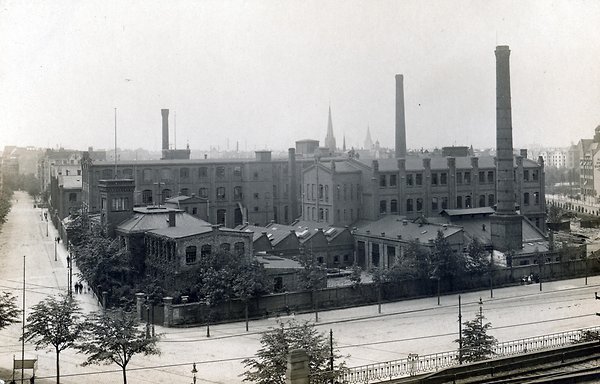
Established in 1857, the original Berliner Bahnhof in Hamburg served as the western terminus for the Berlin–Hamburg railway. Situated at the south-eastern edge of Hamburg’s Wallring, the station played a pivotal role in fueling Hamburg’s economic and industrial growth during the 19th century. After its closure in 1903, the site’s railway structures were gradually replaced by new developments, most notably the Deichtorhallen art center. The legacy of the station is still evident in the area’s urban layout and its continued function as a cultural hub (Wikipedia).
Hamburger Bahnhof in Berlin
Constructed between 1846 and 1847 on Invalidenstraße, the Berliner Bahnhof in Berlin was the terminus for trains arriving from Hamburg. Its neoclassical architecture, attributed to Friedrich Neuhaus, symbolized the era’s industrial ambition. After functioning as a passenger station until 1884, the building was repurposed for administrative use and later became the site of the Transport and Construction Museum. Severely damaged in World War II and affected by postwar political divisions, it was not until 1996 that the building was restored and reopened as the Hamburger Bahnhof – Nationalgalerie der Gegenwart, today a world-class venue for contemporary art (SMB Museum).
Architectural and Cultural Significance
Both sites are notable examples of adaptive reuse, integrating historic elements with modern cultural functions. In Hamburg, the Deichtorhallen’s steel-and-glass architecture pays homage to the city’s industrial past. In Berlin, the Hamburger Bahnhof is a rare surviving example of 19th-century railway architecture, now skillfully adapted to house contemporary art exhibitions. These transformations underscore the enduring cultural significance of the Berliner Bahnhof legacy (Museumsdienst Berlin).
Visitor Information
Berlin: Hamburger Bahnhof – Nationalgalerie der Gegenwart
Address: Invalidenstraße 50-51, 10557 Berlin
Visiting Hours:
- Tuesday, Wednesday, Friday: 10:00 AM – 6:00 PM
- Thursday: 10:00 AM – 8:00 PM
- Saturday & Sunday: 11:00 AM – 6:00 PM
- Monday: Closed
Ticket Prices:
- Adults: €14
- Reduced (students, seniors): €9
- Children and youth under 18: Free
- Berlin Museum Pass: Free entry for three consecutive days
Access & Transport:
The museum is a 5-minute walk from Berlin Hauptbahnhof and is served by S-Bahn, U-Bahn, bus, and tram lines. The facility is fully accessible, with elevators, ramps, and barrier-free restrooms. Special assistance can be arranged in advance.
Tickets:
Purchase online via the official website or at the entrance. Advance booking is recommended for special exhibitions and guided tours.
Hamburg: Deichtorhallen & Berliner Bahnhof Restaurant
Address: Deichtorstraße 1, 20095 Hamburg
Deichtorhallen Visiting Hours:
- Tuesday – Sunday: 11:00 AM – 6:00 PM
- Monday: Closed
Ticket Prices:
- General admission: €10–€15 (varies by exhibition)
- Discounts for students, seniors, and groups
- Guided tours available upon request (Deichtorhallen website)
Restaurant Hours:
- Tuesday – Sunday: 11:00 AM – 7:00 PM
- Thursday, Friday, Saturday: Open until 1:00 AM
- Monday: Closed
Reservations:
Recommended, especially on weekends and event nights (Berliner Bahnhof Restaurant).
Access & Transport:
The site is within walking distance of Hamburg Hauptbahnhof and easily reached by bus and U-Bahn. The area is cyclist-friendly, and both the Deichtorhallen and restaurant are wheelchair accessible.
Exhibitions and Experiences
Berlin
- Permanent Collections Features the Friedrich Christian Flick and Erich Marx Collections.
- Temporary Exhibitions Up to 10 per year, often focusing on new media and critical discourse.
- Guided Tours For groups (up to 25 people), available by advance booking.
- Events Workshops, performances, concerts, and open-house days.
Hamburg
- Deichtorhallen Exhibitions Rotating shows by leading contemporary artists and photographers.
- Workshops & Talks Regular family programs, artist talks, and guided tours.
- Dining & Relaxation Enjoy the Berliner Bahnhof restaurant or “Containers on the Green” for snacks outdoors.
Nearby Attractions
Berlin
- Berlin Hauptbahnhof
- Charité Hospital
- Museum für Naturkunde
- Berlin Wall Memorial
- Museum Island
Hamburg
- Speicherstadt UNESCO-listed warehouse district
- Miniatur Wunderland
- HafenCity Modern urban district and Elbphilharmonie concert hall
- Museum für Kunst und Gewerbe
Berlin–Hamburg Railway: Operations and Modernization
The Berlin–Hamburg railway corridor remains essential, with up to 230 trains and 30,000 passengers daily (VMV). From August 2025 to April 2026, the line will undergo major renovations:
- Long-Distance Trains ICE trains rerouted, with slightly longer travel times.
- Regional Trains Replacement buses will operate during closures.
- Upgrades Track renewal, station improvements, new signaling (ETCS), and enhanced accessibility.
- Travel Tips Always check Deutsche Bahn or the DB Navigator app for real-time updates (RailwayPro, VMV).
Visitor Tips and Frequently Asked Questions
Q: What are the best times to visit the museums?
A: Weekdays, particularly Thursday evenings, are less crowded in Berlin. Hamburg’s Deichtorhallen is busiest on weekends.
Q: Are tickets required?
A: Yes, for both art centers. Tickets are available online or at the entrance.
Q: Is the site accessible to those with disabilities?
A: Both sites offer full accessibility, including step-free entry and accessible restrooms.
Q: How can I reach the sites by public transport?
A: Both are centrally located and well served by metro, bus, and train lines.
Q: Are there guided tours?
A: Yes, both locations offer guided tours, particularly during special exhibitions.
Q: Can I combine my visit with other attractions?
A: Absolutely—both sites are close to major city attractions, making them ideal stops on a cultural itinerary.