Historical Development and Maritime Heritage
Dwarspriel’s story mirrors Hamburg’s transformation from a collection of fishing villages to a powerhouse of global trade. Originally separated from the city by Elbe marshlands, Finkenwerder developed a unique maritime culture, with local fishing fleets and market gardens supplying the growing metropolis.
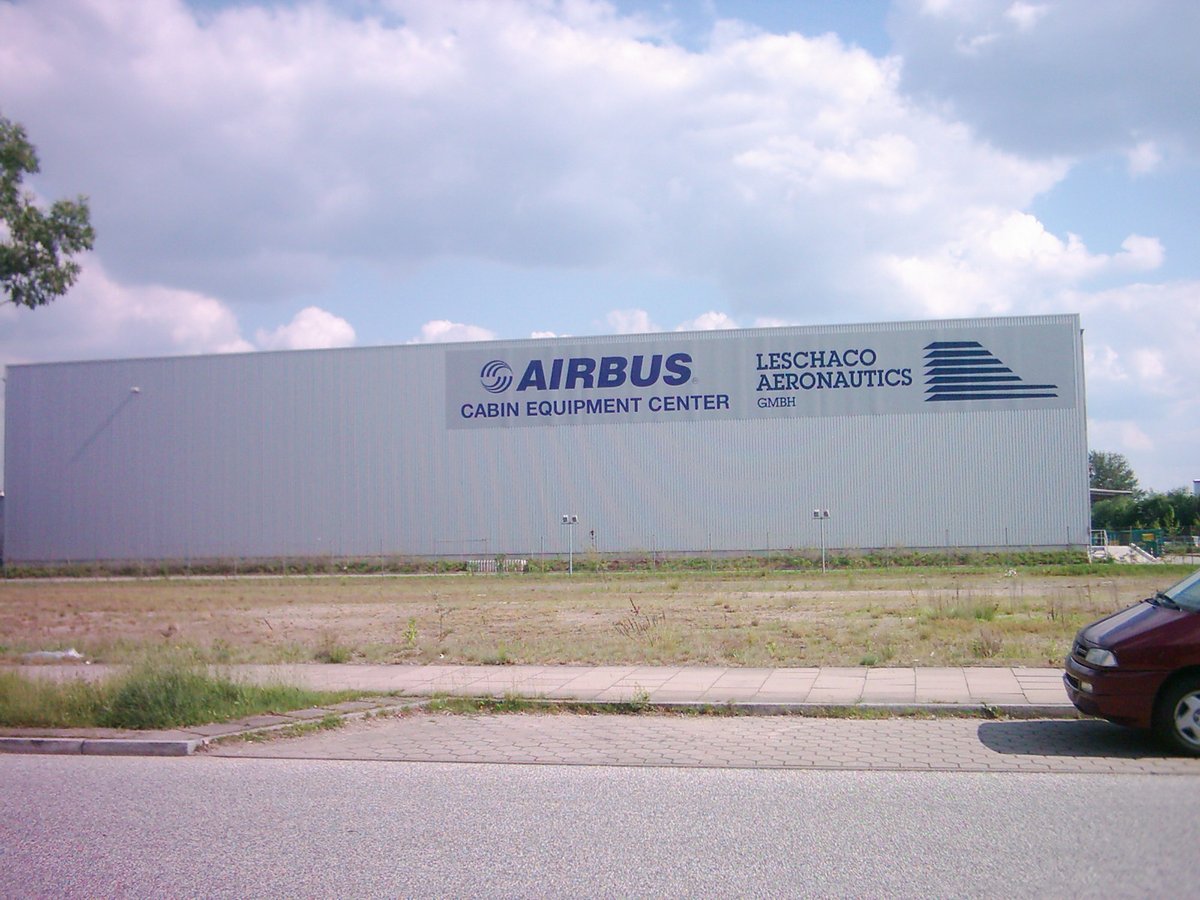
The construction of dikes and land reclamation enabled industrial expansion, and the 20th century saw the arrival of major shipyards and the Airbus plant, fueling demand for residential streets like Dwarspriel. The area’s maritime roots remain visible in its landscape, public spaces, and annual festivals (Exploring Dwarspriel in Hamburg; History Tools).
Urban Structure and Architecture
Dwarspriel is a short residential street, lined with post-war buildings designed for workers and their families. The architecture emphasizes functionality and community, with house numbers 1 to 11 and amenities such as supermarkets, pharmacies, and bakeries within walking distance.
Green spaces and the nearby Elbe River offer residents and visitors scenic spots for relaxation and birdwatching. The neighborhood’s modest, peaceful atmosphere provides a retreat from the industrial bustle, blending seamlessly with Hamburg’s broader urban fabric (UNESCO Speicherstadt; Hamburg Urban Planning).
Visiting Information: Hours, Tickets, and Accessibility
Dwarspriel itself is a public, open-access neighborhood without entrance fees or restricted hours. Visitors can explore the area year-round, with parks and river promenades accessible from dawn to dusk. Cultural venues and museums in the district typically operate from 10:00 AM to 6:00 PM, with extended hours during festivals and special events.
- Tickets No tickets are required for general exploration. Some nearby attractions, like the Airbus factory or local museums, may charge entry fees (€5–€15) and require advance booking.
- Accessibility Most public spaces and attractions are accessible, with pedestrian-friendly paths and ramps. The area is well-served by public transport, and cycling is encouraged (Visiting Dwarspriel, Hamburg).
Transportation and Connectivity
Dwarspriel is integrated into Hamburg’s extensive public transportation network. The Palstek bus stop is just 90 meters away, connecting to the Klein Flottbek train station (2.6 km) and the city center (about 10 km by car). Cycling paths and pedestrian walkways make it easy to explore the neighborhood and adjacent districts.
Day passes for public transport and the city’s popular "Stadtrad" bike rental system are recommended for efficient, eco-friendly travel (Tourist Places Guide).
Major Attractions and Guided Tours
While Dwarspriel itself is primarily residential, its location offers easy access to some of Hamburg’s most significant sites:
- Airbus Factory Tours Guided tours provide a behind-the-scenes look at aircraft manufacturing. Advance booking is required.
- Speicherstadt Warehouse District A UNESCO World Heritage Site, this red-brick marvel is home to museums, cafes, and the famous Miniatur Wunderland rail exhibition.
- Miniatur Wunderland Open daily, tickets from €20, advanced booking is advised (Germany Travel Blog).
- Elbphilharmonie The city’s iconic concert hall with a panoramic viewing plaza.
- Rickmer Rickmers Ship Museum Explore Hamburg’s seafaring legacy aboard this historic vessel.
- Elbe River Promenades Ideal for scenic walks, cycling, and river views.
For maritime and industrial heritage tours, local operators offer guided walks and boat trips focusing on Hamburg’s port history and architectural highlights (Time Out).
Cultural Events and Community Life
Dwarspriel and Finkenwerder play host to several annual festivals and events:
- Hafengeburtstag (Port Birthday) Celebrated every May, this maritime festival features ship parades, concerts, and fireworks (History Tools).
- Local Markets and Pop-Ups Sample Hanseatic cuisine and handmade crafts at neighborhood events.
- Sports Events The nearby Sport Club Finkenwerder von 1927 e.V. organizes community sports and gatherings.
Check the official Hamburg tourism calendar for up-to-date listings.
Parks and Recreation
- Planten un Blomen Renowned for its botanical gardens and summer concerts.
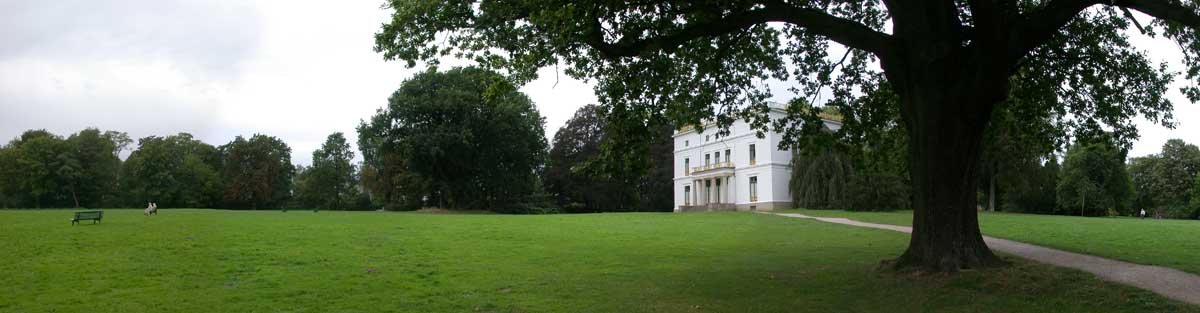
- Jenisch Park Offers meadows, river views, and the Jenisch Haus museum.
- Elbe Riverbanks Perfect for walking, cycling, picnicking, and birdwatching.
- Playgrounds and Sports Fields Found throughout Dwarspriel and adjacent districts (Hamburg Urban Planning).
Sustainable Tourism and Local Engagement
Dwarspriel prioritizes sustainable tourism through community-based initiatives:
- Community-Based Tourism (CBT) Local residents actively shape tourism planning, ensuring economic and cultural benefits stay within the community (Sustainable Travel International; WTA Roadmap PDF).
- Support for Local Businesses Visitors are encouraged to shop at artisan markets and dine at family-run restaurants (The Invisible Tourist).
- Green Infrastructure Energy-efficient buildings, eco-friendly transport, and nature-based activities are promoted (Worldpackers).
- Cultural Preservation Heritage sites and festivals maintain Dwarspriel’s unique identity (Hamburg Travel).
Practical Tips for Visitors
- Transportation Use public transport or rent a bike for convenience and sustainability.
- Tickets Book tours and museum visits in advance, especially during peak season.
- Events Check local calendars for festivals, markets, and exhibitions.
- Weather Hamburg’s maritime climate can be changeable; pack accordingly.
- Language German is official, but English is widely spoken in tourist areas.
- Safety The area is generally safe; standard precautions are advised (The Broke Backpacker).
Frequently Asked Questions (FAQ)
How do I reach Dwarspriel?
By Palstek bus stop (90 meters away), Klein Flottbek station (2.6 km), or car (10 km from city center).
Are there entrance fees or ticket requirements?
No fees for Dwarspriel itself; some local attractions may charge.
Are guided tours available?
Yes, especially at the Airbus plant and in maritime heritage districts.
Is the area accessible for visitors with disabilities?
Most public areas are accessible; check individual venues for details.
Best time to visit?
Spring through early autumn for pleasant weather and cultural events.
Visuals and Media Recommendations
- [Image: Speicherstadt warehouses at dusk]
- [Image: Airbus assembly line]
- [Image: Local market in Dwarspriel]
- [Map: Walking tour of Dwarspriel and Finkenwerder]
Virtual tours, maps, and videos are available on official Hamburg tourism platforms.
Discover More
Dwarspriel is a microcosm of Hamburg’s maritime spirit—a tranquil community interwoven with the city’s industrial past and vibrant present. With its accessible attractions, sustainable tourism ethos, and rich cultural calendar, it offers something for every traveler.
Plan your visit:
- Download the Audiala app for personalized guides and event alerts.
- Follow our social media channels for the latest updates and insider tips.
Embrace the unique blend of history, culture, and sustainability that defines Dwarspriel, and experience the authentic heartbeat of Hamburg’s waterfront legacy.