1. History and Cultural Significance
The Star-Club’s opening in 1962 marked Hamburg as a major node in the international music network. Conceived by Manfred Weissleder, the venue was designed as a premier destination for rock ‘n’ roll and beat music, with a relentless schedule of live performances and an open-door policy for international acts (DW; Nostalgia Central). The club’s programming, often featuring multiple bands each night, contributed to the emergence of the “Hamburg Sound”—an energetic blend of rock, beat, and rhythm & blues that reverberated across Europe and shaped the British Invasion.
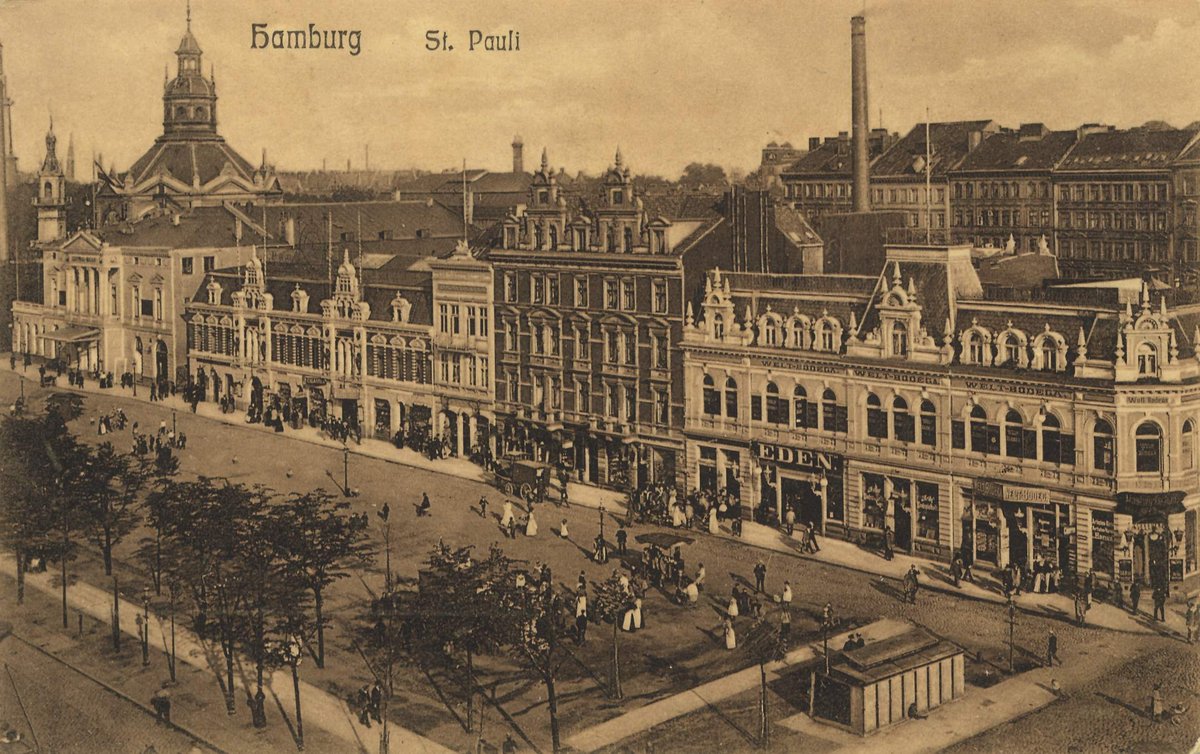
Situated in the open-minded and culturally diverse St. Pauli district, the Star-Club was more than just a music venue. It was a social hub for young people, artists, and visitors, and played a key role in transforming Hamburg’s reputation from a traditional entertainment district to a cosmopolitan center for nightlife and arts (TravelSetu; springer.com).
2. The Beatles at the Star-Club
The Beatles’ residency at the Star-Club is central to its legend. Between April and December 1962, the band played 79 shows at the venue (HHGuide). This period was crucial for their artistic development, with Ringo Starr joining as drummer and the release of their first charting single, “Love Me Do.” The club’s stage manager, Adrian Barber, made live recordings of the band in December 1962, later released as the double album Live! at the Star-Club in Hamburg, Germany; 1962 (Wikipedia; JFN Music Memories). These recordings, though low in fidelity, immortalize the Beatles’ raw, pre-fame sound and capture the energy of the era.
3. Legendary Performers and the “Hamburg Sound”
The Star-Club was a rite of passage for global music legends. Its stage hosted Jimi Hendrix, Ray Charles, Little Richard, Fats Domino, Bill Haley, Jerry Lee Lewis, Cream, Black Sabbath, and many others (Nostalgia Central; HHGuide). The club’s intense programming—sometimes three sets a night, seven days a week—fostered an exceptional musical camaraderie and cross-pollination of styles. By giving a platform to both British and American artists, the Star-Club helped catalyze the British Invasion and shaped the sound and energy of European pop and rock music (Be Original Tours; DW).
4. The Club’s Decline and Closure
By the late 1960s, shifts in musical tastes and economic pressures led to a decline in attendance. The rise of psychedelic rock and new pop genres overshadowed the beat and rock and roll styles that defined the Star-Club’s heyday. The club closed its doors in 1969 after seven influential years (HHGuide). In 1987, a fire destroyed the original building. Today, only a commemorative plaque marks the site at Große Freiheit 39 (Hamburg Travel).
5. Visiting the Star-Club Site: Hours, Tickets, and Tours
Location and Access
- Address Große Freiheit 39, 22767 Hamburg, Germany
- Getting There Accessible via St. Pauli (U3) and Reeperbahn (S1, S3, S21, S31) stations. The site is a short walk from public transport stops (Germany Travel Blog; Evendo).
Visiting Hours
- The commemorative plaque at the original site is outdoors and publicly accessible 24/7. There are no restrictions or admission fees.
Tickets
- No tickets are required to visit the Star-Club site.
- Tickets may be necessary for guided tours that include the Star-Club and other Beatles’ landmarks. Prices typically range from €15-€25 and can be booked online or via local providers (GetYourGuide).
Tours
- Guided Beatles and music history tours are available and highly recommended for in-depth historical insights. These tours often include the Star-Club site, Beatles-Platz, and other notable locations in St. Pauli.
6. Nearby Attractions
- Beatles-Platz A plaza dedicated to The Beatles, with statues and panels depicting their Hamburg years (Germany Travel Blog).
- Kaiserkeller Another historic club where The Beatles performed; still a live music venue.
- Reeperbahn Hamburg’s entertainment and nightlife hotspot, filled with bars, theaters, and restaurants.
- St. Joseph’s Church A striking baroque church adjacent to the Star-Club location (Wikipedia DE).
- Elbphilharmonie Renowned concert hall and architectural marvel nearby (TimeOut).
- Panoptikum Wax Museum Germany’s oldest wax museum, just a short walk away.
7. Practical Travel Tips
- Language English is widely spoken, but a few German phrases may be useful (Hamburg and Beyond).
- Safety St. Pauli is lively, especially at night. Stay vigilant, especially during weekends and festivals.
- Accessibility The streets around the Star-Club are flat and wheelchair-friendly, though some venues may have limited access.
- Dress Code No dress code for the site; smart-casual is recommended for nearby clubs.
- Weather Hamburg’s weather is variable. Bring a rain jacket or umbrella (Wanderlog).
- Amenities Public restrooms are available at Reeperbahn S-Bahn and local businesses (some for a fee).
- Hamburg CARD Offers unlimited public transport and discounts on attractions (Germany with Amy).
- Tourist Information Main center at Central Station North (Hamburg.com).
8. Frequently Asked Questions (FAQ)
Q: Is there an admission fee for the Star-Club site?
A: No, it is free and open to the public at all times.
Q: Are tickets required?
A: Not for the commemorative site. Tickets are only needed for guided tours.
Q: What are the best ways to experience the Star-Club’s legacy?
A: Joining a guided walking tour, exploring Beatles-Platz, and attending live music venues in St. Pauli.
Q: Is the site accessible for visitors with disabilities?
A: The area is generally accessible, but some venues may have limited facilities.
Q: When is the best time to visit?
A: Daytime for a quieter experience; evening for nightlife. The Reeperbahn Festival in September is a highlight (Hamburg Business).