Historical Evolution of the Hamburgische Münze
Early Origins and Hanseatic Heritage
The Hamburgische Münze traces its roots to the early Middle Ages, with minting activity documented as early as the 9th century. The mint’s development paralleled Hamburg’s rise as a Hanseatic city-state, where reliable coinage was crucial for thriving trade. Significant milestones include:
- 1189 Emperor Frederick Barbarossa grants the city oversight rights over minting.
- 1325 Full ownership of the mint passes to Hamburg’s citizens, marking an era of economic autonomy.
- 1435 Emperor Sigismund authorizes gold coin (gulden) production.
- 1553 Introduction of talers and Portugaleser coins, reflecting Hamburg’s prominence in European finance (Goldseiten).
From the State Mint to the Modern Era
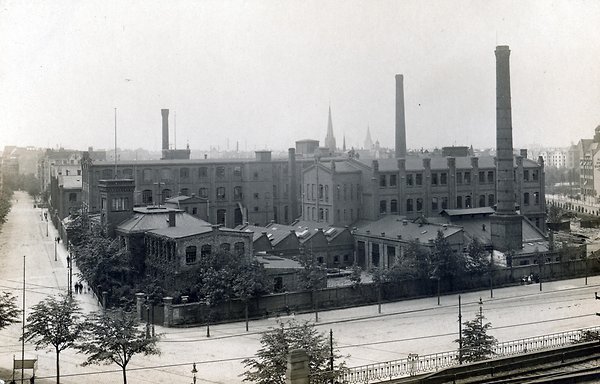
The mint weathered periods of disruption, such as the Napoleonic occupation and the devastating Great Fire of 1842. In 1875, following German unification, the Hamburgische Münze became a state mint and adopted the “J” mintmark—still in use today (Wikipedia; Numista). The facility was modernized and relocated several times, most recently to Meiendorf in Hamburg-Rahlstedt in 1982, ensuring it could meet contemporary standards and production volume (Goldseiten).
The Hamburgische Münze Today: National and International Role
The Hamburgische Münze is one of only four active German mints, alongside Berlin, Munich, and Stuttgart (Wikipedia). It is responsible for a significant share of Germany's circulating euro coins and continues to issue commemorative and collector coins celebrating cultural and historical milestones. Noteworthy recent issues include:
- 100-euro gold coins (e.g., “Säulen der Demokratie – Freiheit”)
- 10-euro polymer ring coins
- Colorized 5-euro coins on themes like “Wunderwelt Insekten” (Münze Hamburg)
The mint also produces medals for public and private clients and, upon request, foreign coins, underscoring its technical expertise and international reach (Hamburg.de).
Visitor Information: Hours, Tickets, and Tours
Location and Accessibility
- Address Bei der Neuen Münze 19, 22145 Hamburg, Rahlstedt district (muenzen-online.com)
- Public Transport Accessible via Hamburg’s HVV network (S-Bahn, U-Bahn, buses). From Hamburg Hauptbahnhof, take an S-Bahn or regional train to Rahlstedt, then continue by taxi or local bus.
- Driving Parking is available but limited during working hours.
Visiting Hours and Booking a Tour
The mint is not open for public walk-ins. All visits must be pre-booked as part of a group (e.g., schools, numismatic societies). Typical visiting hours for group tours are on weekdays, subject to staff availability and production schedules (Coin Collecting Wiki).
- Hours Weekdays by appointment, often between 9:00 AM and 4:00 PM.
- Booking Contact the mint via the official website or by phone. Provide group size, purpose, and preferred dates. Book at least two weeks in advance.
- Tickets There is no public ticketing system; fees may apply for special events.
Accessibility and Visitor Policies
- Accessibility The facility is generally accessible for visitors with mobility challenges. Notify the mint of any special requirements during booking.
- Security All visitors must present valid government-issued photo ID and may undergo security screenings.
- Dress Code Closed-toe shoes are mandatory. Protective gear may be provided.
- Language Tours are primarily in German; English tours may be arranged with advance notice.
What to Expect on a Tour
Guided tours at the Hamburgische Münze provide:
- Historical Overview Learn about the mint’s evolution and role in Hamburg’s history.
- Production Insights See the entire coin-making process—from metal preparation to striking and quality control.
- Machinery View both historical and contemporary equipment.
- Exhibits Explore displays of historic coins, medals, and special commemorative issues.
- Q&A Engage with knowledgeable staff; tours typically last 60–90 minutes.
Note: Photography is generally restricted in production areas for security reasons; always seek your guide’s permission.
Nearby Hamburg Historical Sites and Suggested Itineraries
Enhance your visit by exploring nearby attractions:
- Museum für Hamburgische Geschichte Features extensive numismatic collections (muenzen-online.com).
- Speicherstadt UNESCO-listed warehouse district.
- Elbphilharmonie Iconic concert hall.
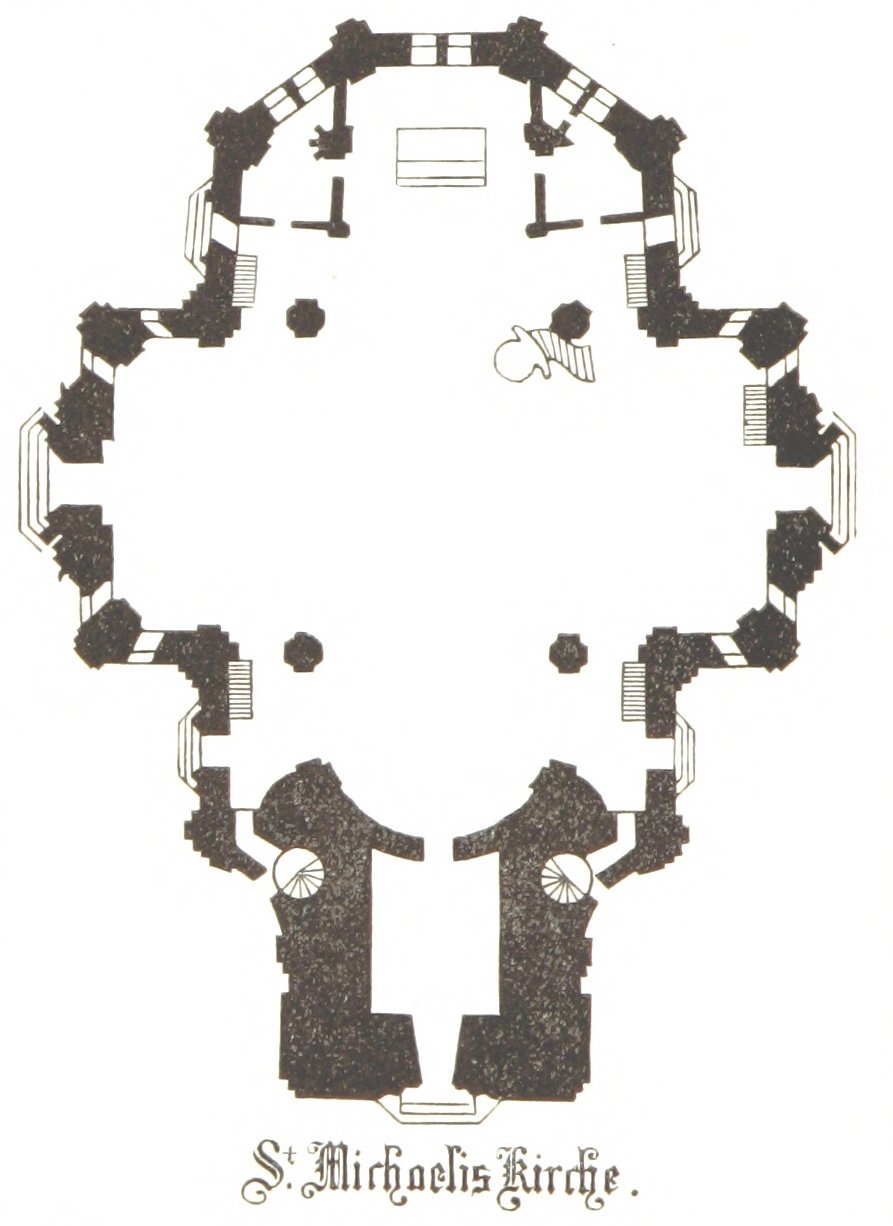
- St. Michael’s Church Offers panoramic city views (abackpackersworld.com).
- Hamburg Rathaus and the Fish Market: Central landmarks.
Use the Hamburg Card for discounted transport and attractions.
Collectibles and the "J" Mintmark
All coins struck in Hamburg since 1875 bear the distinctive “J” mintmark, signifying their origin (Numista). Collectors highly value these coins, especially limited-edition commemoratives and replicas of historic Hamburg issues, available through the mint’s online shop (muenze.hamburg.de).
Sustainability and Modern Operations
The Hamburgische Münze is committed to environmentally responsible production, incorporating metal recycling and energy-efficient methods. These initiatives are often highlighted during tours, reflecting broader German sustainability values (tappedouttravellers.com).
Frequently Asked Questions (FAQ)
Can I visit without a group?
No, only pre-arranged group tours are possible.
What are the visiting hours?
Tours are on weekdays by appointment only; there are no regular public hours.
How do I book a tour?
Contact the mint via the official website or by phone, at least two weeks in advance.
Is there a fee?
Most tours are free, but special events or workshops may have costs.
Is the facility accessible?
Yes, but inform the mint in advance for any special requirements.
Is photography allowed?
Generally restricted; ask your guide for permission.
Are tours available in English?
Yes, with advance notice.