Industrial Origins
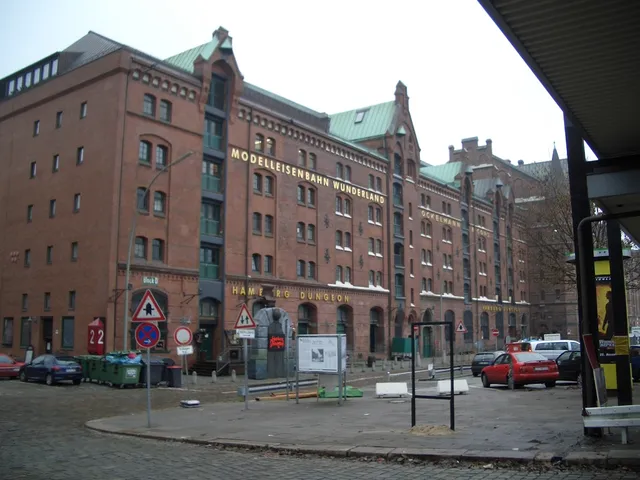
Constructed during the late 19th and early 20th centuries, the Östlicher Bahnhofskanal formed part of Harburg’s rapid industrial expansion. Its strategic location, adjacent to the railway and port, facilitated the efficient movement of raw materials and goods. The striking red-brick warehouses lining the canal—now listed heritage sites—are enduring symbols of this era (hamburg.de).
Decline and Transformation
As shipping and industry changed, the area saw a decline in commercial activity, leaving many buildings underused. Recognizing its historical value, Hamburg preserved key structures and invested in urban renewal, transforming the canal into a vibrant, mixed-use waterfront.
Urban Renewal
Today, the canal is at the heart of ambitious redevelopment projects. Historic warehouses are being repurposed for new uses, while new residential and commercial buildings are thoughtfully integrated with pedestrian promenades, green corridors, and sustainable infrastructure. The area exemplifies Hamburg’s broader commitment to revitalizing its waterways while preserving its unique character (abendblatt.de).
Attractions and Things to Do
Scenic Promenades and Bridges
Enjoy walking or cycling along tree-lined promenades that run parallel to the canal. The restored Klappbrücke (bascule bridge) and other historic crossings not only facilitate movement but also provide outstanding opportunities for photography, especially around sunrise and sunset.
Historic and Modern Architecture
The area showcases a striking contrast between preserved red-brick warehouses and innovative new buildings. Many former industrial sites have become cafés, galleries, or co-working spaces.
Proximity to Cultural Highlights
- Kunstmeile (Art Mile) A short walk away, this corridor features several major art museums, including the Hamburger Kunsthalle and Deichtorhallen. The Kunstmeile Pass provides discounted entry to multiple museums (kunstmeile-hamburg.de).
- Speicherstadt & HafenCity The canal connects to these iconic districts, renowned for their UNESCO-listed warehouses and modern urban developments.
Outdoor Activities
- Boat Tours & Cruises Several guided tours and boat rentals are available, often including the canal in their routes. Prices typically range from €15–€30. Advance booking is recommended in peak season (hamburg.com).
- Kayaking & Canoeing The calm waters are perfect for beginners and experienced paddlers alike. Rental stations and guided paddle tours are available.
- Fishing Regulated angling is permitted with a license, and the canal is home to several fish species (anglermap.de).
Events and Festivals
- Harbour Birthday (Hafengeburtstag) Hamburg’s largest annual port festival extends festivities onto the city’s canals.
- Summer Canal Festivals Look for pop-up events, art installations, and open-air performances along the banks.
- Art Exhibitions Themed installations and open-air galleries are frequently hosted in the wider district (Hamburg Tourism Events).
Practical Visitor Information
Hours and Ticketing
- Public Access The canal and its promenades are open to the public year-round, typically from dawn to dusk. No tickets are required for general access.
- Tours & Cruises Tickets are needed for boat tours and some guided experiences. Purchase online or at local kiosks.
- Events Some festivals or exhibitions may charge an entry fee; check ahead for details.
Getting There
- By Public Transport The canal is easily reached from the Harburg Railway Station, which is well connected to Hamburg’s S-Bahn and bus lines.
- By Bike StadtRAD bike-sharing stations are available nearby, and the area is very bike-friendly (hamburg.de).
- By Foot The district is highly walkable, and major attractions are within easy reach.
Accessibility
- Barrier-Free Paths Recent upgrades ensure most promenades are accessible to wheelchair users and those with strollers.
- Public Transport Stations and major bus lines offer step-free access.
- Boat Tours Many operators provide accessible boats, but check in advance.
- Cafés and Restrooms Several accessible cafés and public restrooms are available in the area.
Safety and Etiquette
- Canal Safety Stay mindful near the water’s edge; swimming is not permitted.
- Cyclist Awareness Shared paths require attention to both walkers and cyclists.
- Respect Quiet Zones The area includes residential spaces; keep noise to a minimum and dispose of litter properly.
Environmental and Social Significance
Urban Regeneration
The canal is central to Harburg’s transformation into a lively, sustainable riverfront community. Restoration efforts include green corridors, flood protection, and innovative water management.
Biodiversity
Careful ecological enhancements have improved water quality and created new habitats for fish and birds, promoting urban biodiversity.
Sustainable Mobility
Extensive cycling infrastructure, electric public transport, and car-free zones encourage eco-friendly travel.
Frequently Asked Questions (FAQ)
Q: What are the Östlicher Bahnhofskanal’s opening hours?
A: Public promenades are open year-round from dawn to dusk; boat tours and museums follow specific schedules.
Q: Do I need a ticket to visit?
A: No ticket is required for general access. Boat tours, special exhibitions, and some events may require a ticket.
Q: Is the area wheelchair accessible?
A: Yes, most paths and facilities are barrier-free. Some older bridges may have steps—check routes in advance.
Q: Where can I find guided tours?
A: Occasional walking and photography tours are offered by local organizations; check official tourism sites for updates.
Q: Can I fish in the canal?
A: Yes, with a valid fishing license and in designated areas.
Q: What are the best times to visit?
A: Spring and early autumn offer mild weather and fewer crowds. Early mornings and late afternoons provide optimal light for photography.
Discover More
The Östlicher Bahnhofskanal stands as a testament to Hamburg’s successful integration of historic preservation and forward-thinking urban planning. Its picturesque waterways, historic warehouses, green spaces, and cultural events create a vibrant destination ideal for exploration by foot, bike, or boat. With barrier-free access and no entrance fees, it’s an inclusive space for all visitors.
Whether you’re drawn by its iconic bridges, the nearby museums of the Kunstmeile, or the lively festivals and waterfront cafés, the Östlicher Bahnhofskanal is an essential stop for anyone seeking a deeper connection with Hamburg’s heritage and contemporary spirit.
For up-to-date event schedules, guided tour options, and visitor services, consult Hamburg’s official tourism platforms and consider the Audiala app to enhance your experience with self-guided tours and local insights (hamburg-tourism.de, hamburg.de, abendblatt.de).