Historical Background: The Life and Fate of Dr. Hermann Netter
Dr. Hermann Netter was born on August 30, 1870, in Pforzheim. As a dedicated pediatrician, he served both his local and Baden-Baden communities. The rise of National Socialism brought severe restrictions: by 1938, Dr. Netter was stripped of his medical license (Stolpersteine Pforzheim). Forced to move to a Jewish retirement home in Mannheim in June 1942, he lost his wife soon after. Dr. Netter was deported to Theresienstadt in August 1942 and died there on September 15, 1942 (gedenkbuch.baden-baden.de; pfenz.de).
His story mirrors the tragic fate of Jewish professionals under the Nazi regime—systematic exclusion and, ultimately, extermination.
The Stolpersteine Project: Origins and Purpose
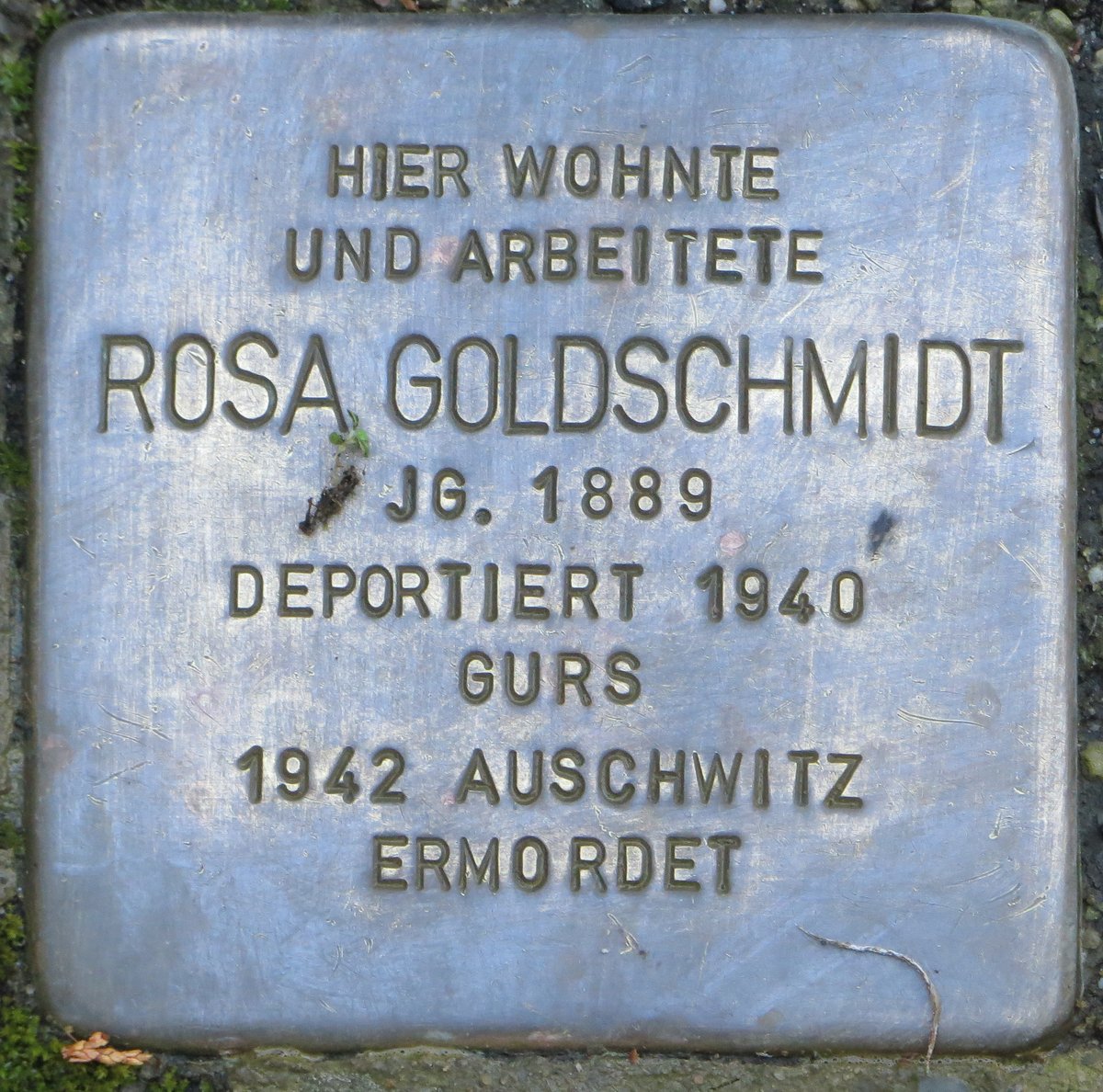
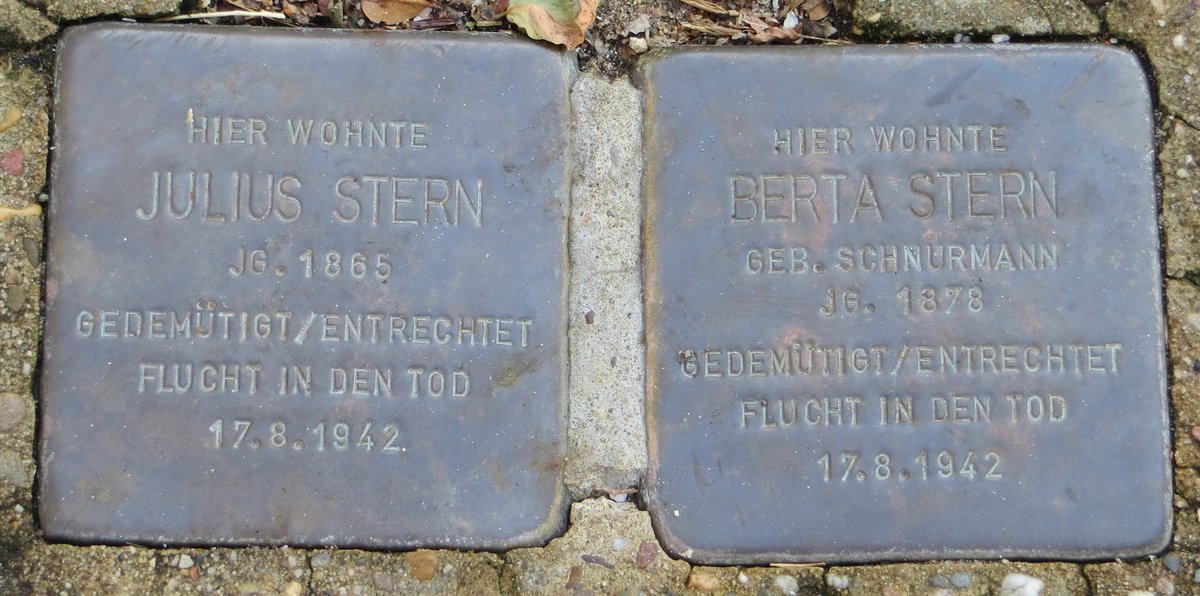
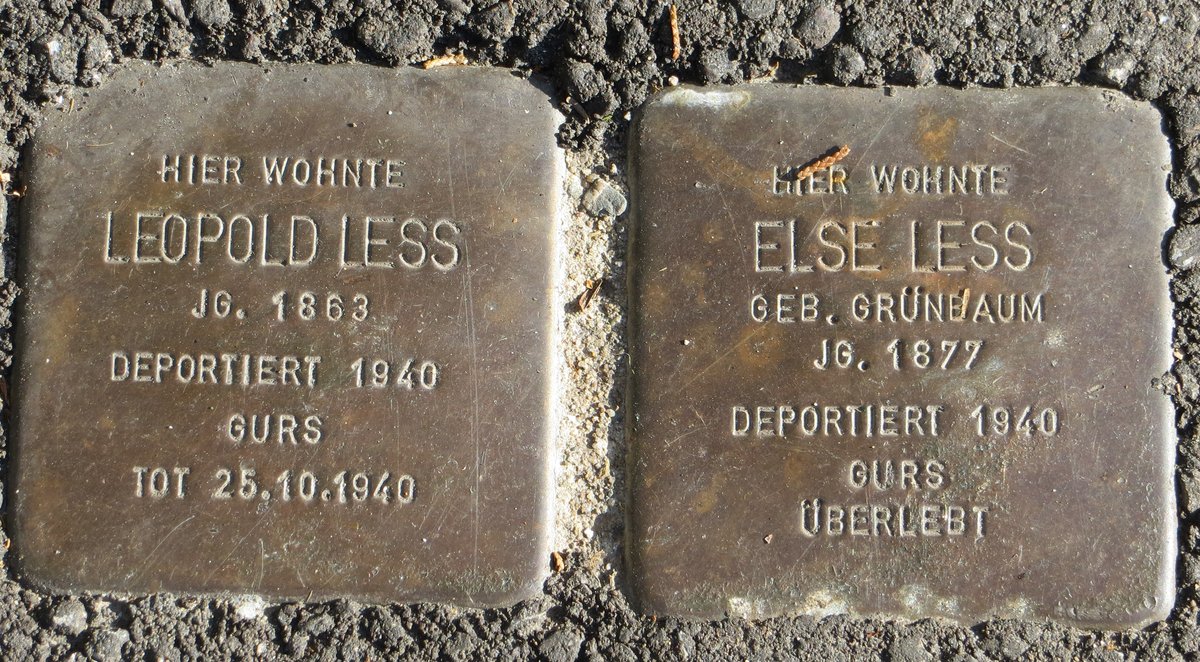
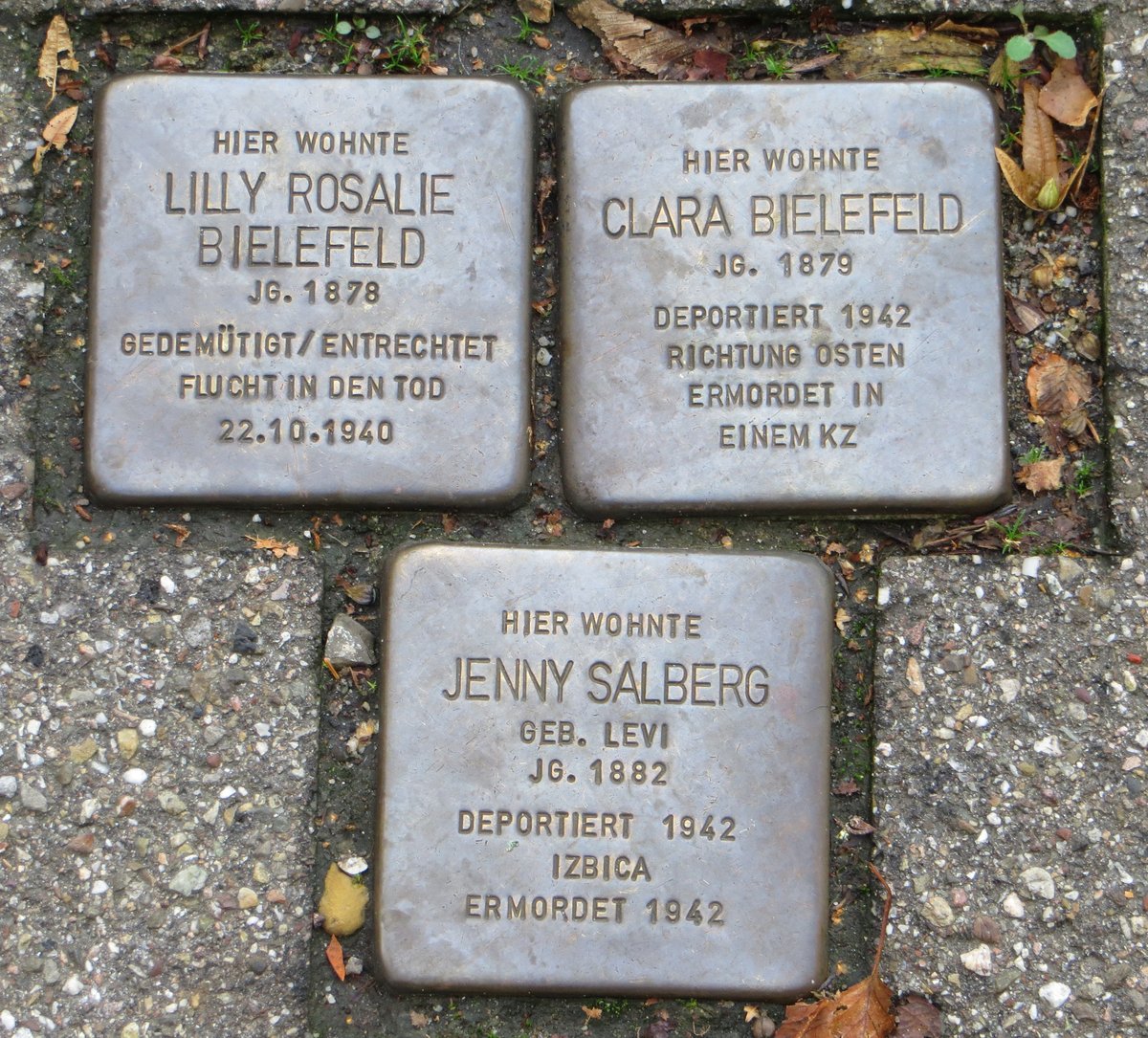
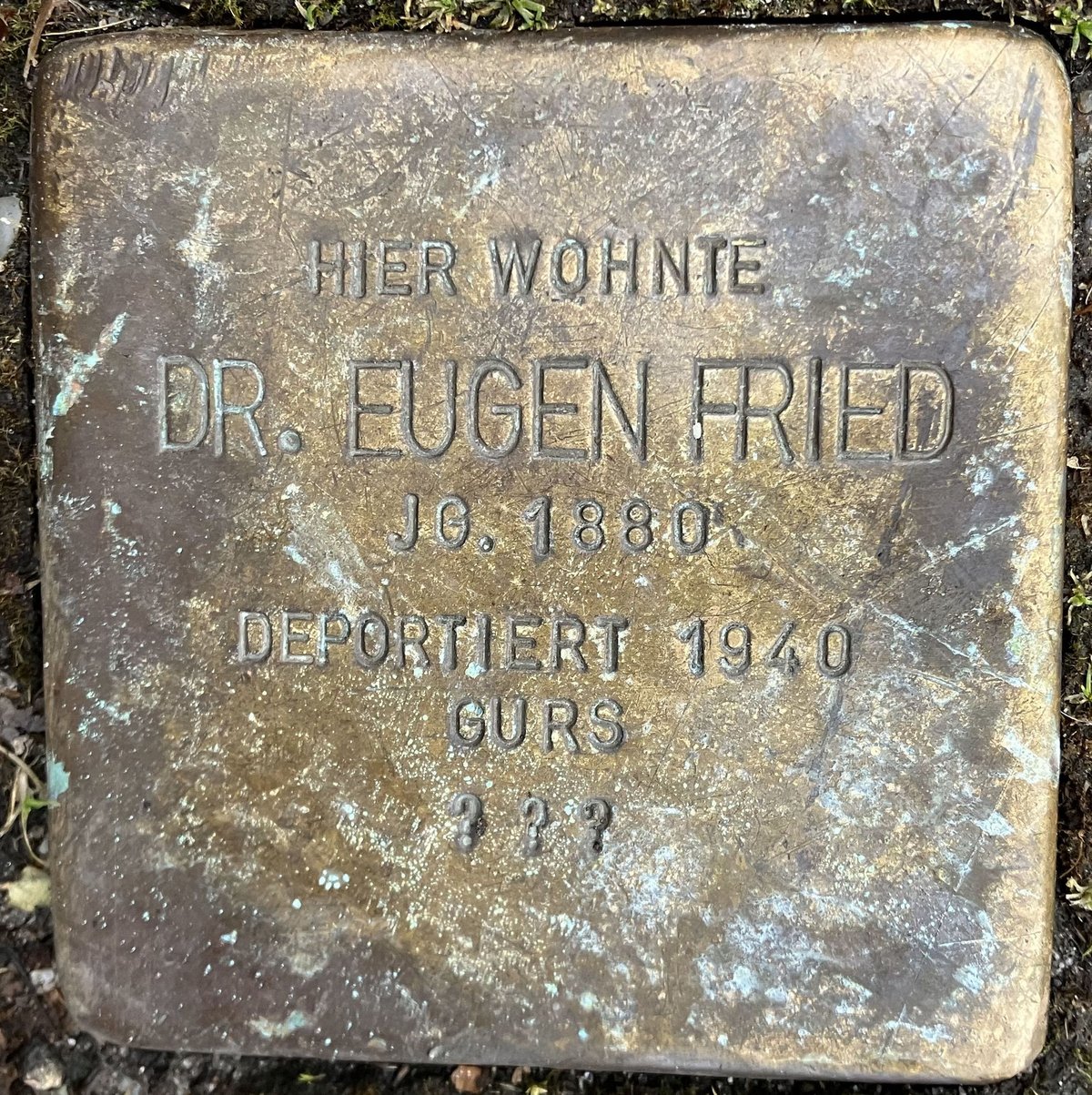
Initiated by Gunter Demnig in the early 1990s, the Stolpersteine ("stumbling stones") project is now the world’s largest decentralized memorial to victims of National Socialism. Each stone, a 10 x 10 cm brass plaque, is set into the pavement at the victim’s last freely chosen address and inscribed with their name, birth date, fate, and, if known, date of death (stolpersteine.eu; pragueviews.com).
The project’s guiding philosophy is rooted in the Talmudic principle: “A person is only forgotten when their name is forgotten.” By restoring names to public spaces, the Stolpersteine ensure that the memory of each victim endures (stolpersteine.eu FAQ).
Scope and Scale of the Stolpersteine Project
As of 2024, over 116,000 Stolpersteine have been installed in more than 1,860 municipalities across 31 countries, commemorating Jews, Roma and Sinti, political prisoners, LGBTQ+ individuals, people with disabilities, and others targeted by the Nazis (stolpersteine.eu Facts & Figures). Each stone is handcrafted and installed in collaboration with families, local communities, and historians.
The Stolperstein for Hermann Netter in Baden-Baden
Historical Context
Dr. Netter lived at Moltkestraße 3, 76530 Baden-Baden, during his later years (gedenkbuch.baden-baden.de). After forced relocation and the death of his wife, he was deported to Theresienstadt, where he died in 1942. His Stolperstein was installed on November 26, 2014, as part of broader efforts to commemorate Baden-Baden’s Jewish victims (de.wikipedia.org).
Location and Inscription
- Address Moltkestraße 3, 76530 Baden-Baden, Germany (mapcarta.com)
- Inscription
HIER WOHNTE
HERMANN NETTER
JG. 1870
1942 ISRAELITISCHES KRANKENHAUS MANNHEIM
DEPORTIERT 1942
THERESIENSTADT
ERMORDET 15.9.1942
This simple yet powerful text restores Dr. Netter’s name and story to the public memory (gedenkbuch.baden-baden.de).
Visiting the Stolperstein: Location, Hours, and Tips
Location and Accessibility
- The Stolperstein is embedded in the sidewalk in front of Moltkestraße 3, easily accessible on foot.
- The city center's compactness allows visitors to explore multiple Stolpersteine and historical sites in one walking tour.
Visiting Hours and Tickets
- Hours Accessible 24/7; no official hours.
- Tickets None required; visiting is free.
How to Visit
- Look for the polished brass plaque at street level.
- Pause for reflection; bending down to read the inscription can be seen as a gesture of respect.
- Visitors may respectfully clean the stone or leave a flower or small stone as a sign of remembrance (Yad Vashem: Stones on Graves).
Travel Tips
- Wear comfortable shoes for city walking.
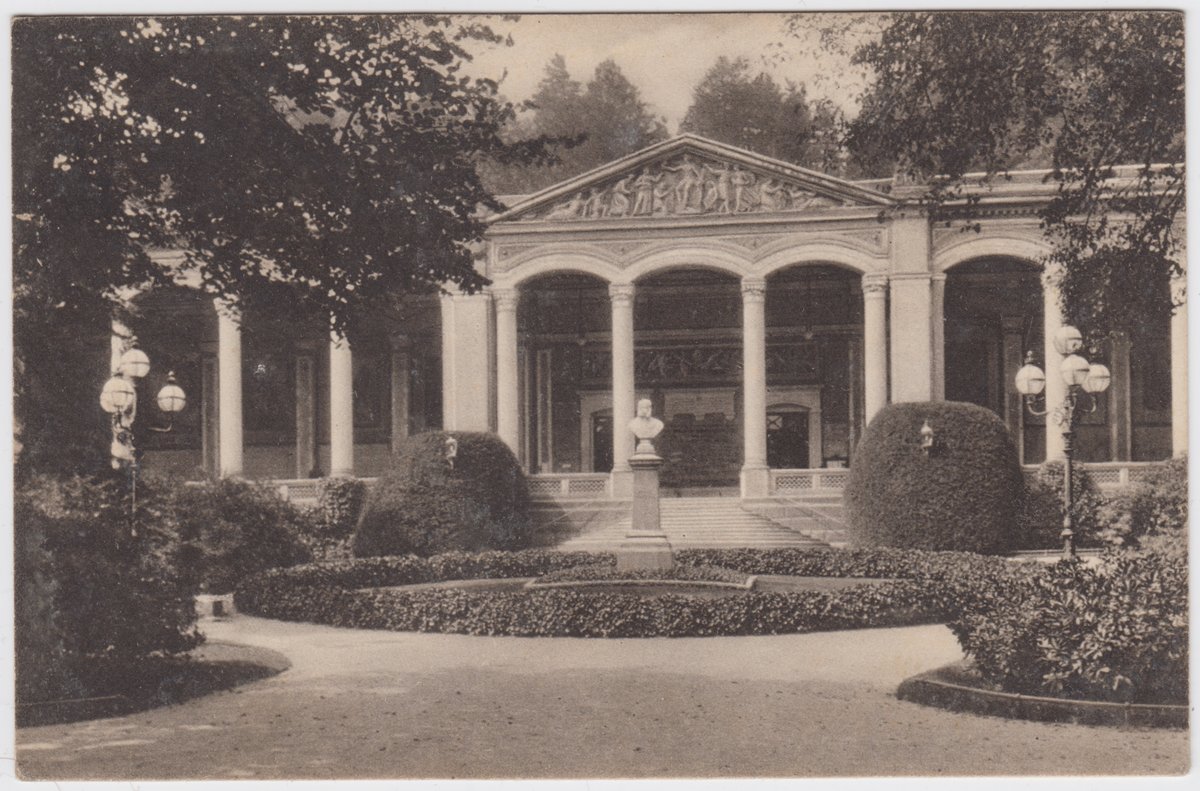
- Combine your visit with other sites, such as the Kurhaus, Lichtentaler Allee, and the Jewish cemetery.
- Check the Baden-Baden tourism website for maps and information on guided tours.
Cultural and Memorial Significance
Stolpersteine create personal, intimate memorials within public space, contrasting with centralized monuments. Each stone prompts passersby to remember the individual whose life was upended by intolerance (germany.info; pragueviews.com). Community involvement in research, ceremonies, and maintenance ensures these memorials remain dynamic and relevant (Stadtwiki Baden-Baden).
Broader Impact and Community Engagement
Baden-Baden has over 200 Stolpersteine as of 2024, each representing a life and a story. Local schools, descendants, and residents participate in installation ceremonies, regular cleaning, and educational activities (Claudia Travels). This living memorial helps foster historical dialogue and cross-generational remembrance.
Rituals and Artistic Aspects
The Stolperstein project’s minimalist design and street-level placement have inspired ongoing debate and reflection. Community care, such as cleaning and leaving tributes, transforms each stone into a living site of remembrance (ABC News).
Nearby Attractions in Baden-Baden
- Kurhaus Baden-Baden Elegant spa and event center.
- Lichtentaler Allee Picturesque park and promenade.
- Museum Frieder Burda Modern art collections.
- Jewish Cemetery at Lichtentaler Straße 76 Significant for those interested in local Jewish history.
Educational and Reflective Opportunities
Local schools and organizations integrate Stolperstein visits into educational programs, fostering research and reflection (Stolpersteine Education). Brochures and digital resources are available in multiple languages (Baden-Baden Stolpersteine Info).
Etiquette and Responsible Commemoration
- Approach the site with respect and silence.
- Avoid standing directly on the stone.
- Clean gently if needed; consider leaving a flower or stone in remembrance.
- Share reflections to raise awareness, using appropriate hashtags.
Frequently Asked Questions (FAQ)
Q: Where is the Stolperstein for Dr. Hermann Netter located?
A: Moltkestraße 3, 76530 Baden-Baden, Germany.
Q: Are there entry fees or visiting hours?
A: No fees; Stolpersteine are publicly accessible at all times.
Q: Are guided tours available?
A: Yes, check with the Baden-Baden tourism office for current offerings.
Q: Is the Stolperstein wheelchair accessible?
A: Yes, though street surfaces may vary.
Q: Can I take photographs?
A: Yes, discreetly and respectfully.
Discover More
The Stolperstein for Dr. Hermann Netter is a powerful, accessible memorial that invites contemplation and remembrance within the heart of Baden-Baden. By visiting, reflecting, and sharing your experience, you help sustain a culture of memory and tolerance. Explore further using resources like the Audiala app for guided tours and keep informed about commemorative events via local heritage organizations.